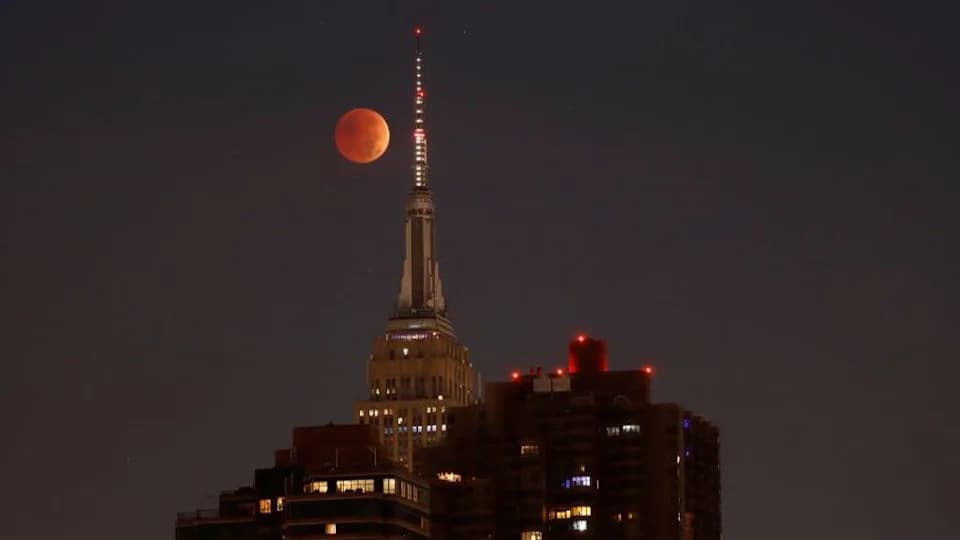
February offers several memorable skywatching opportunities: the Snow Moon peaks on Feb. 1 (around 5:09 p.m. EST), an annular "ring of fire" solar eclipse occurs on Feb. 17 with roughly 96% maximum coverage, and a new moon that same day creates excellent dark-sky conditions. Around Feb. 28 a rare six‑planet alignment will form an arc along the ecliptic; Venus, Jupiter and Saturn are visible to the naked eye while Uranus and Neptune need optics.
February Skywatching Guide: Snow Moon, 'Ring of Fire' Eclipse, and a Six‑Planet Parade
February skywatching guide: Can't miss celestial events
The second month of the year brings a compact but exciting slate of celestial events for skywatchers. February offers a bright Snow Moon, an annular "ring of fire" solar eclipse visible from remote southern latitudes, a new moon that creates excellent dark-sky conditions, and a rare six-planet alignment late in the month.
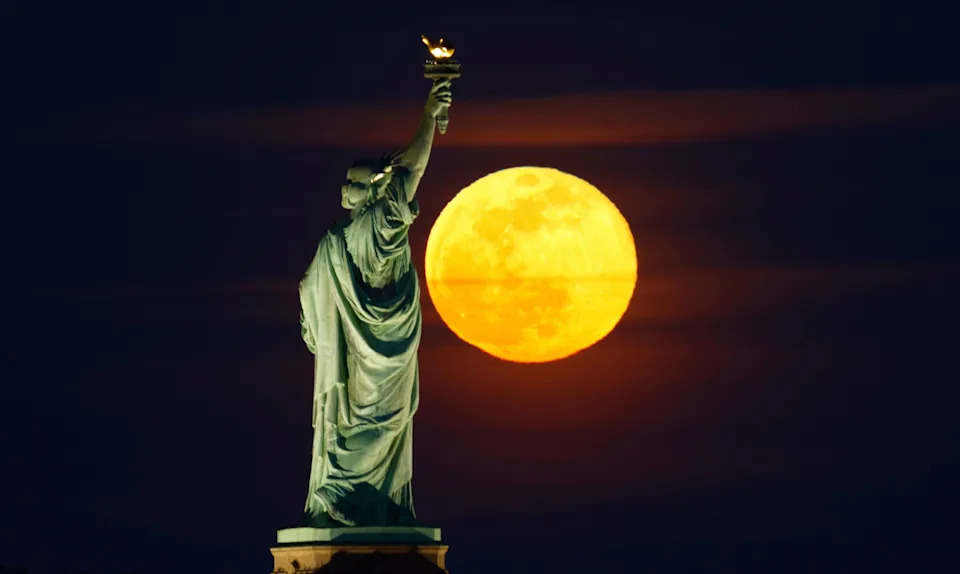
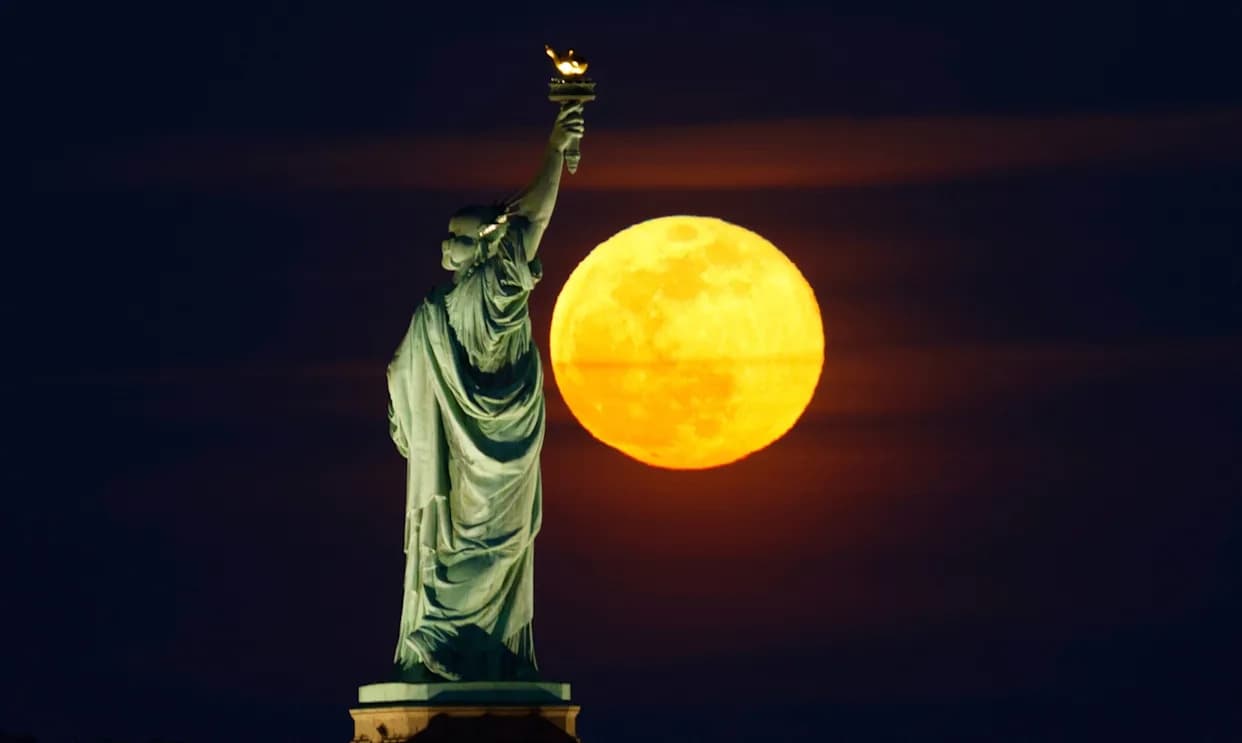
The full Snow Moon rises behind the Statue of Liberty and Brooklyn in New York City on February 24, 2024, as seen from Jersey City, New Jersey.(Getty Images)
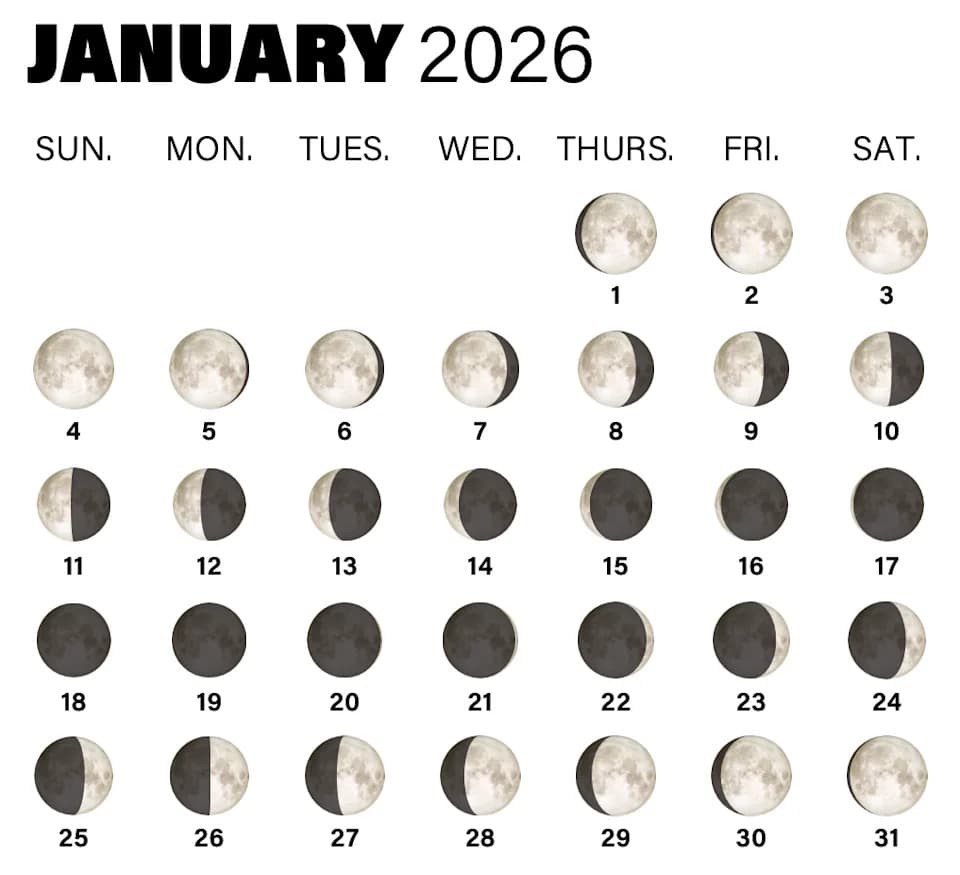
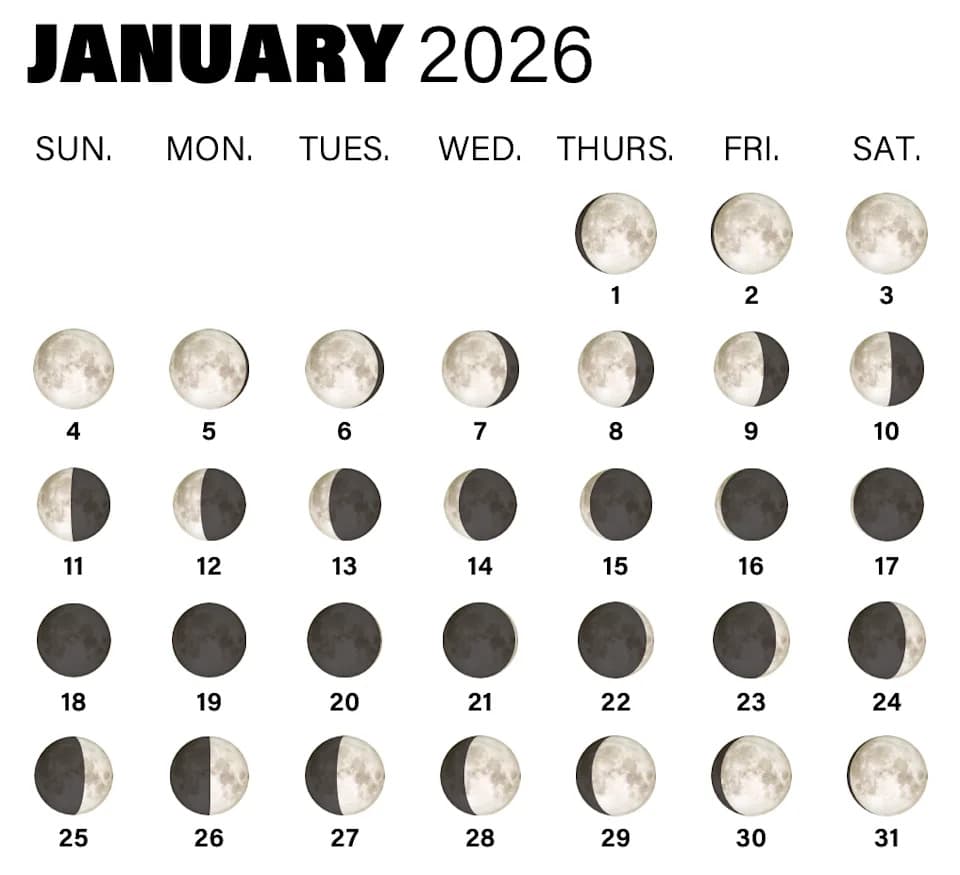
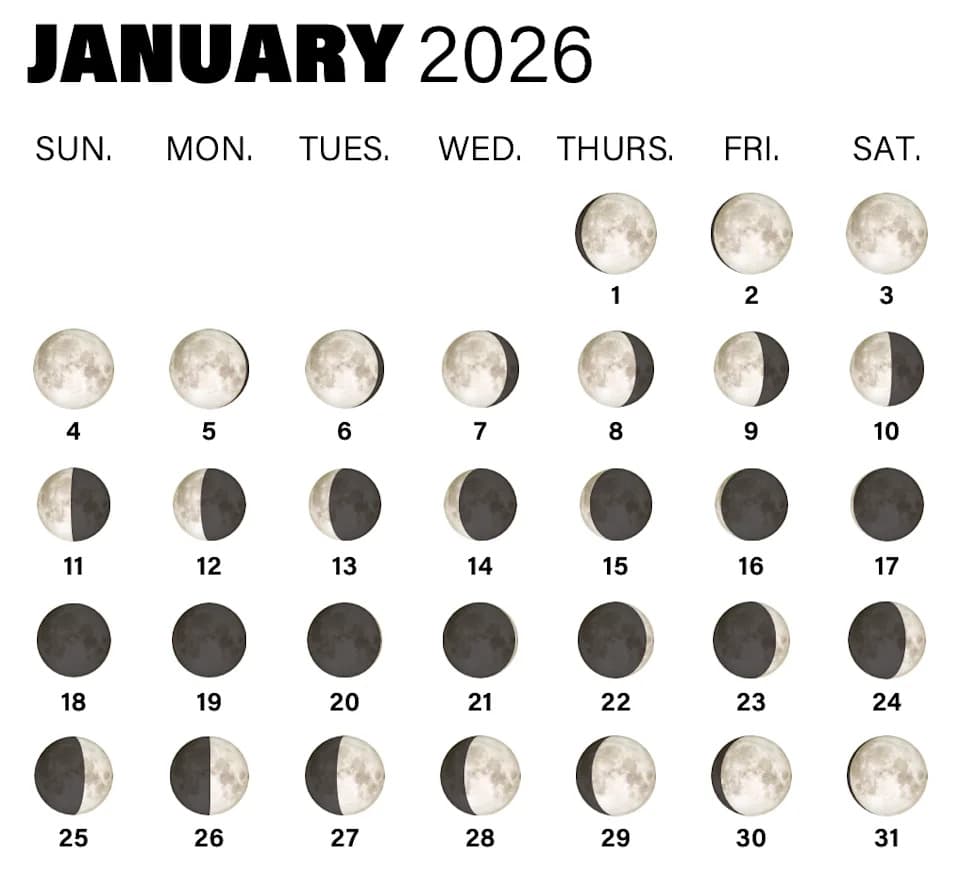
Snow Moon — Feb. 1
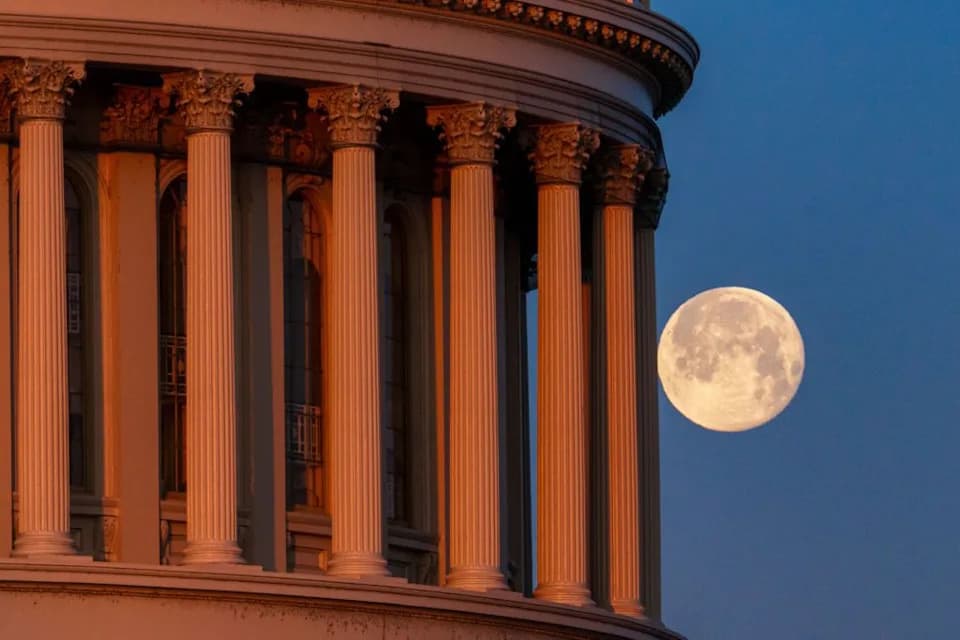
Known in North America as the Snow Moon, this full moon will light the winter sky on Feb. 1, with peak illumination around 5:09 p.m. EST. For best viewing, face east and watch for the moonrise in your local area; late-afternoon to early-evening rising will give excellent photo and observation opportunities.
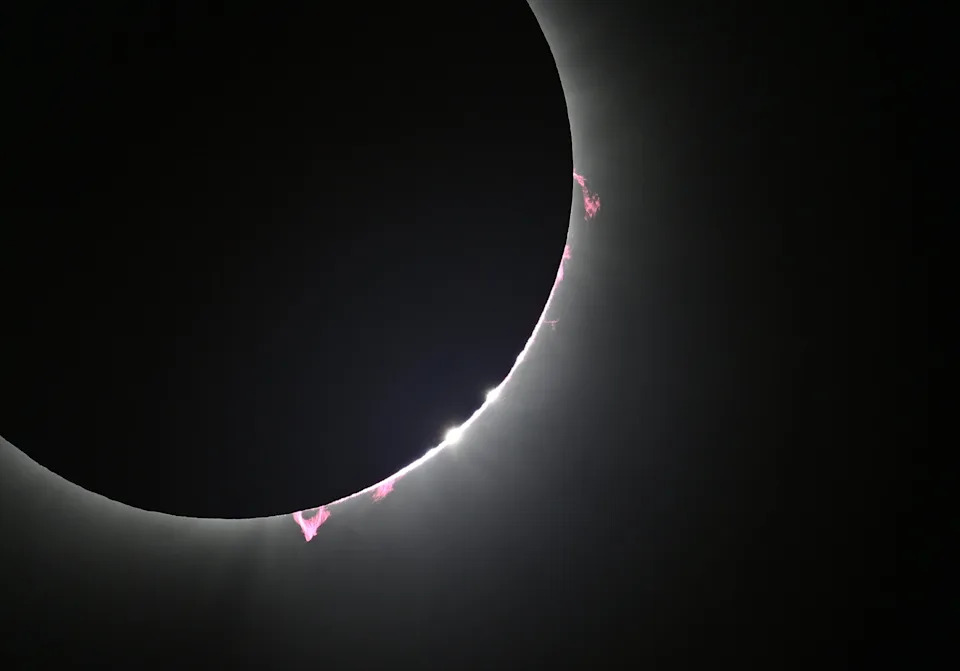
A view of total solar eclipse from the southeast part of the country, not to be repeated until 20 years later, in West Frankfort, Illinois, United States on April 8, 2024.
Annular Solar Eclipse ("Ring of Fire") — Feb. 17
An annular solar eclipse — commonly called a "ring of fire" — occurs on Feb. 17. The annular phase will last about 2 minutes and 20 seconds at maximum, and the Moon will obscure roughly 96% of the Sun at peak.
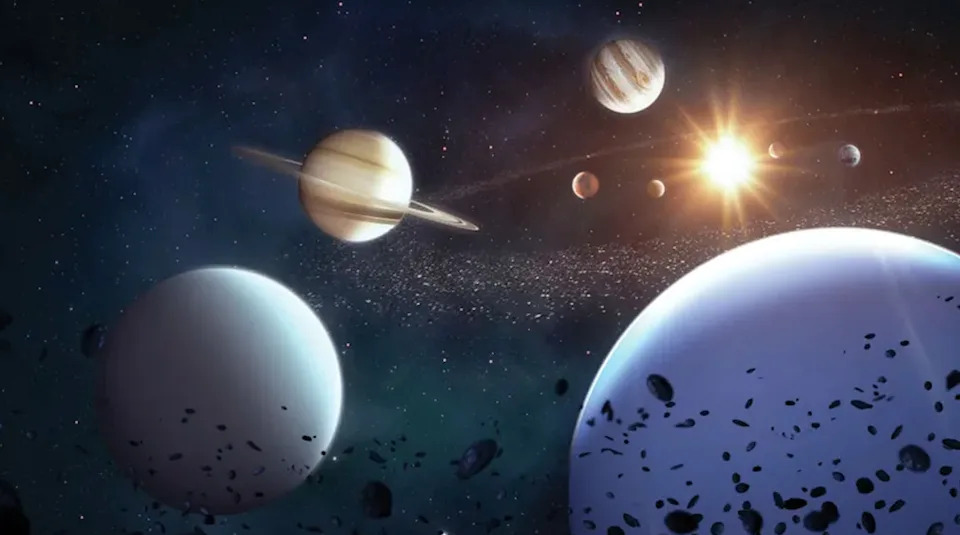
Illustration of the solar system viewed from beyond Neptune, with all eight planets visible around the sun.
The eclipse track begins over mainland Antarctica and ends over the Southern Ocean; visibility is limited to remote areas of Southern Africa, South America and Antarctica. Observers outside the path will see a partial eclipse if their location is within the broader visibility region.
Safety: Never look directly at the Sun without certified solar eclipse glasses or a proper solar filter for telescopes/binoculars. Regular sunglasses are not safe for eclipse viewing.
New Moon — Feb. 17
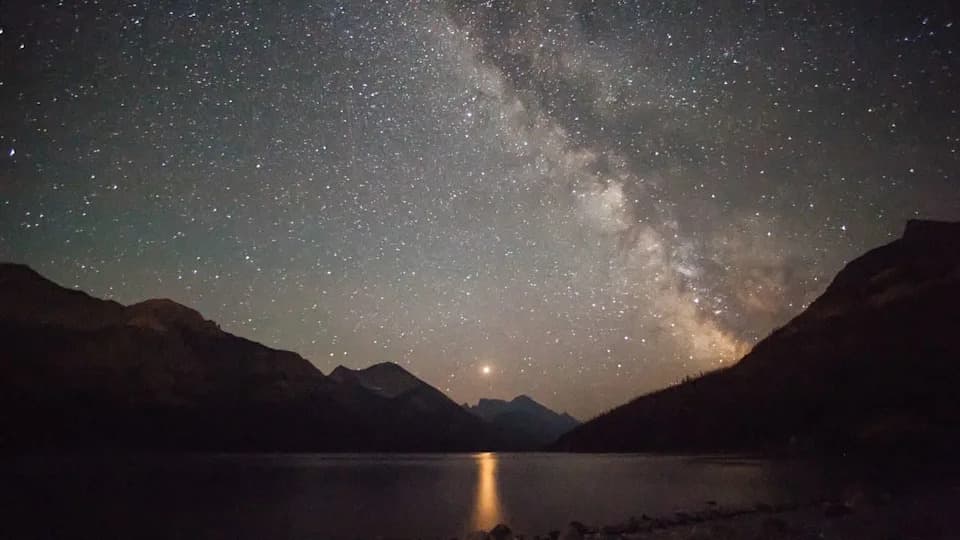
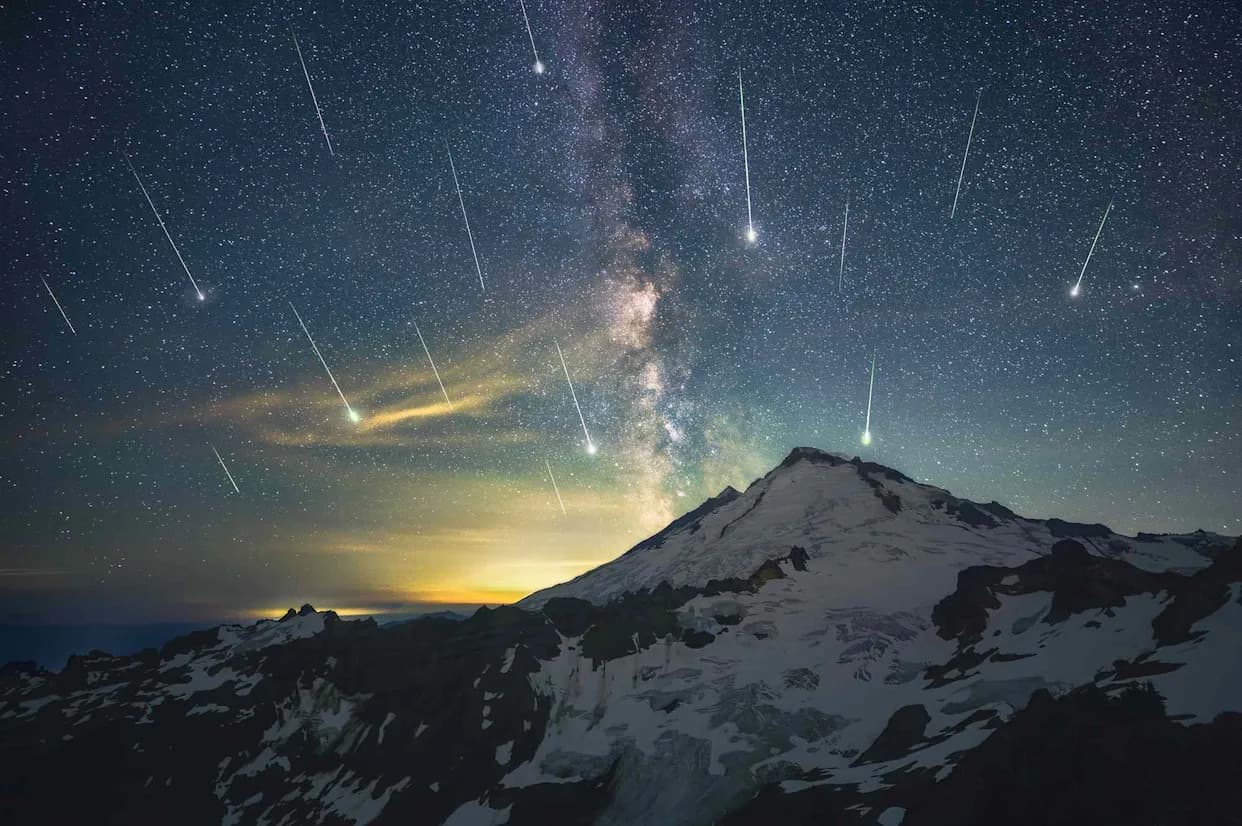
The new moon begins at 7:01 a.m. EST on Feb. 17. Because the Moon is between the Earth and the Sun and essentially invisible, skies will be darker than usual — ideal for spotting planets, faint meteors, and the Milky Way where conditions permit.
Six‑Planet Alignment — Around Feb. 28
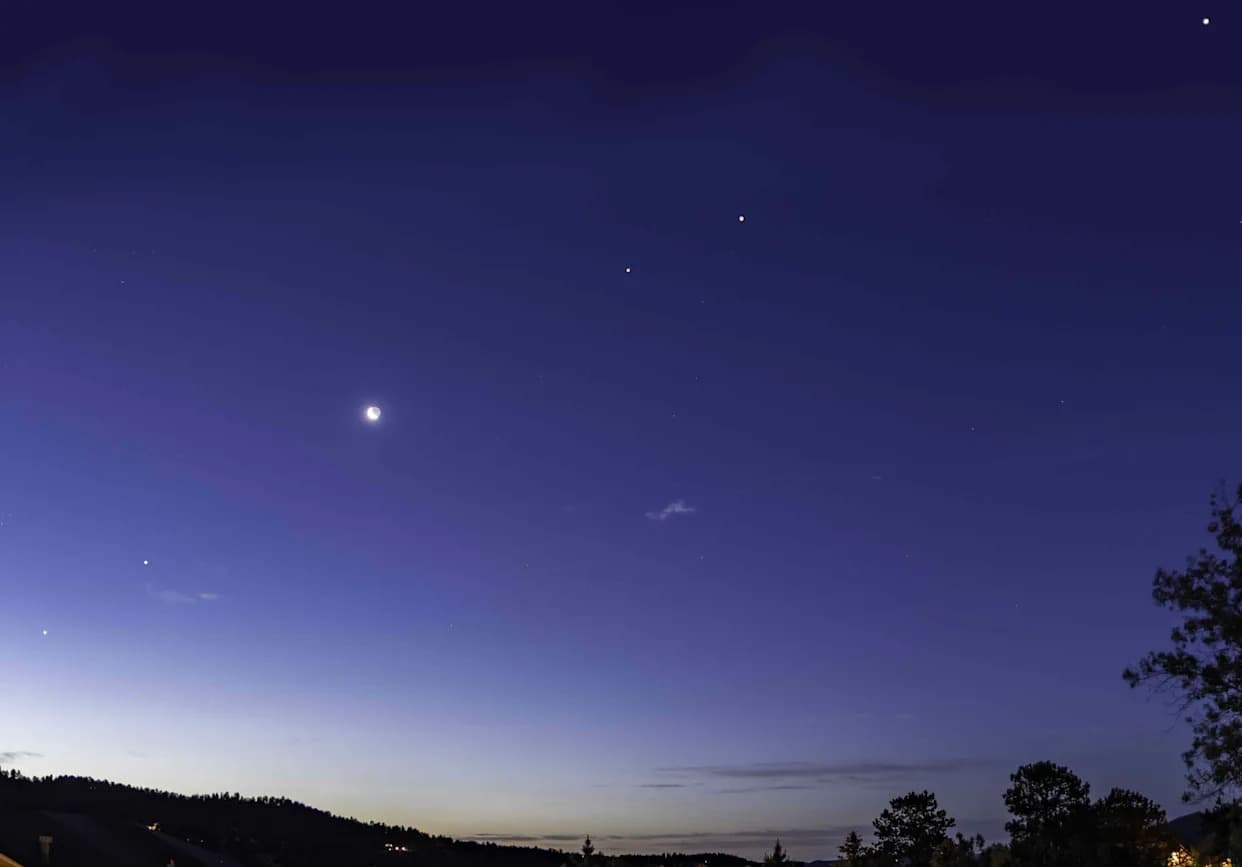
Late in the month, around Feb. 28, six planets — Mercury, Venus, Jupiter, Uranus, Saturn and Neptune — will lie along the ecliptic and form a broad arc across the sky. Venus, Jupiter and Saturn should be bright enough to see with the naked eye. Uranus and Neptune will require binoculars or a small telescope; Mercury will appear low near the horizon and may be easier to spot shortly after sunset when atmospheric conditions are calm.
The planetary parade will be visible for several days before and after Feb. 28, so skywatchers have multiple chances to catch the alignment. Use a star chart or a stargazing app to identify the fainter planets and confirm timings for your location.
Quick Viewing Tips
- Check local moonrise/moonset and eclipse timing in your time zone — listed times are in EST.
- Bring binoculars or a small telescope for Uranus and Neptune, and a low-horizon viewing spot for Mercury.
- For the annular eclipse, plan travel only if you are within the official path and follow all safety guidelines.
Help us improve.