Summary: The author draws a parallel between the 1970 Kent State shootings and recent fatal encounters during federal immigration operations in Minneapolis. Since July, 16 DHS‑related shootings have been reported, resulting in three deaths and ten people struck. The article details allegations of warrantless raids and other aggressive tactics, partisan reactions from national leaders, and deep concerns that effective accountability may be limited.
Echoes of Kent State Resurface in Minneapolis Amid Controversial Federal Immigration Raids
Mark Twain observed, “History doesn’t repeat itself, but it often rhymes.” That line feels eerily apt for what is unfolding on the streets of Minneapolis.
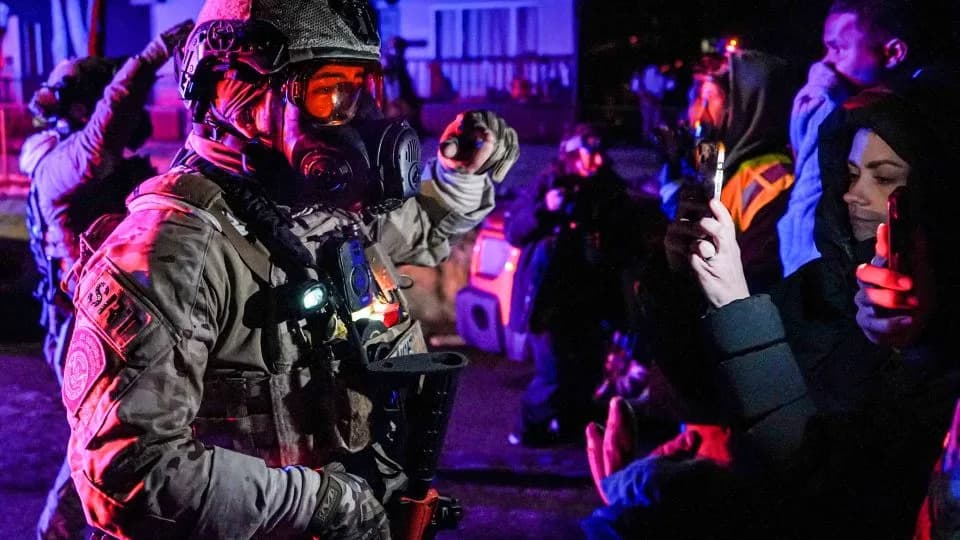
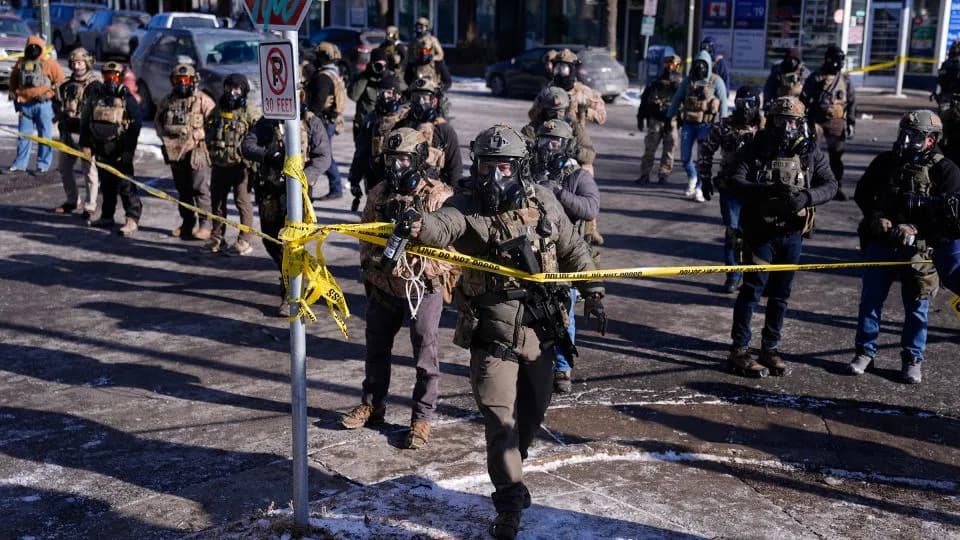
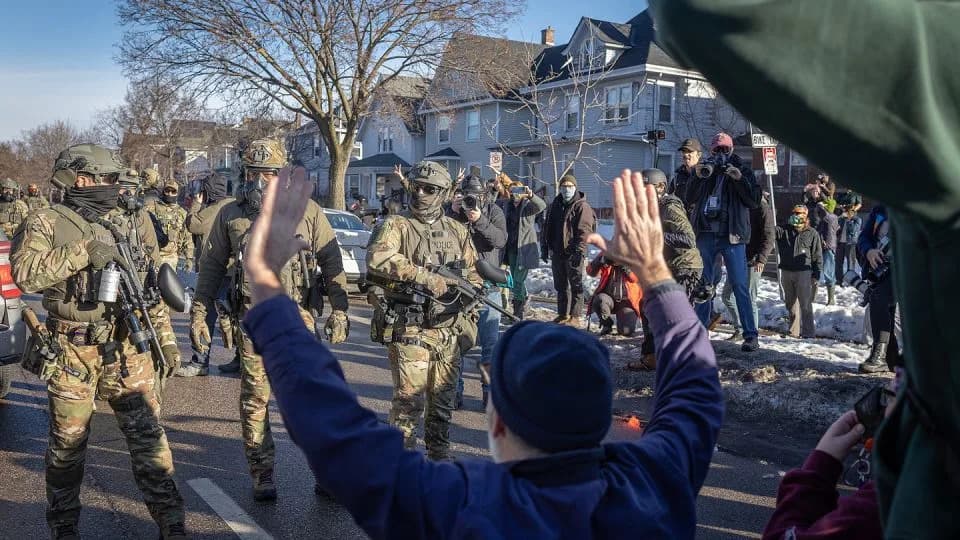
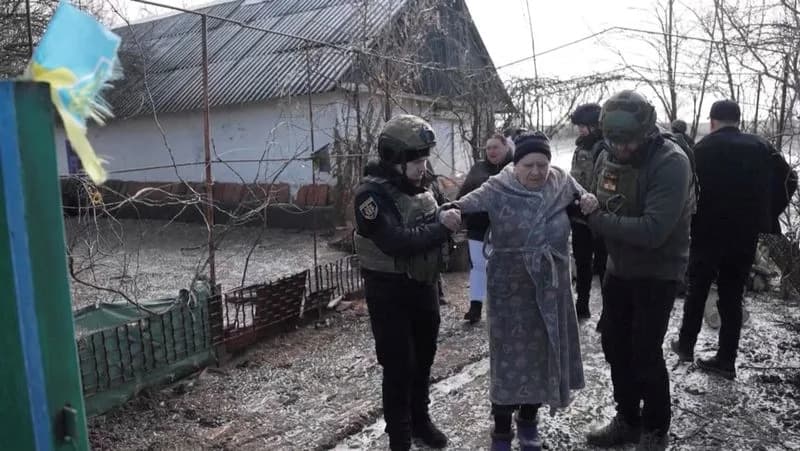
Since July, Department of Homeland Security officers have been involved in 16 shootings tied to immigration-enforcement actions or confrontations with protesters. Ten people were struck by gunfire — including four U.S. citizens — and three people have died. In several cases, senior federal officials publicly defended the shootings before investigations were completed.
Allegations of abusive federal tactics
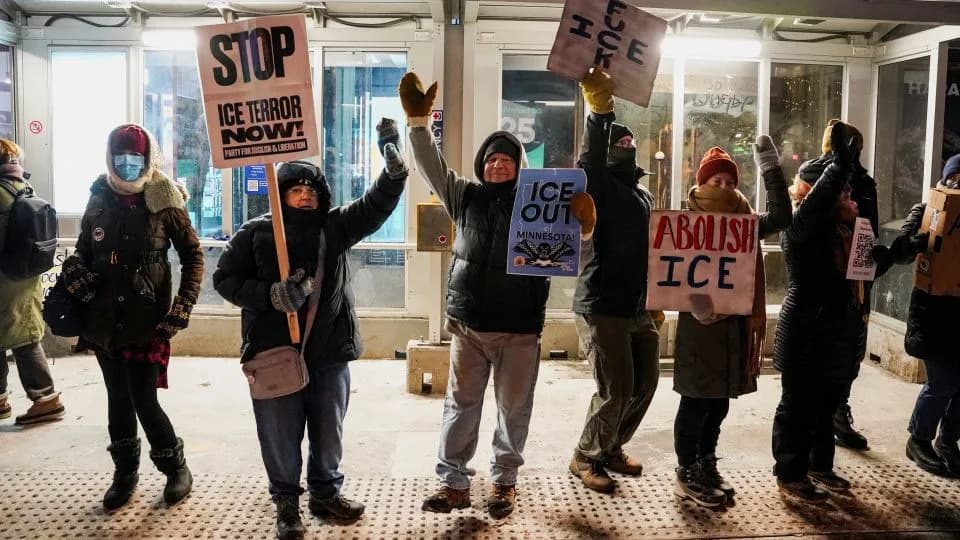
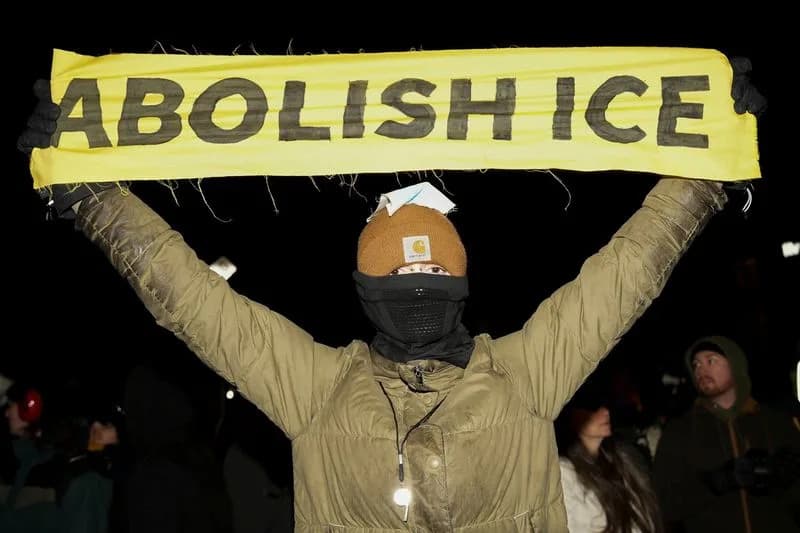
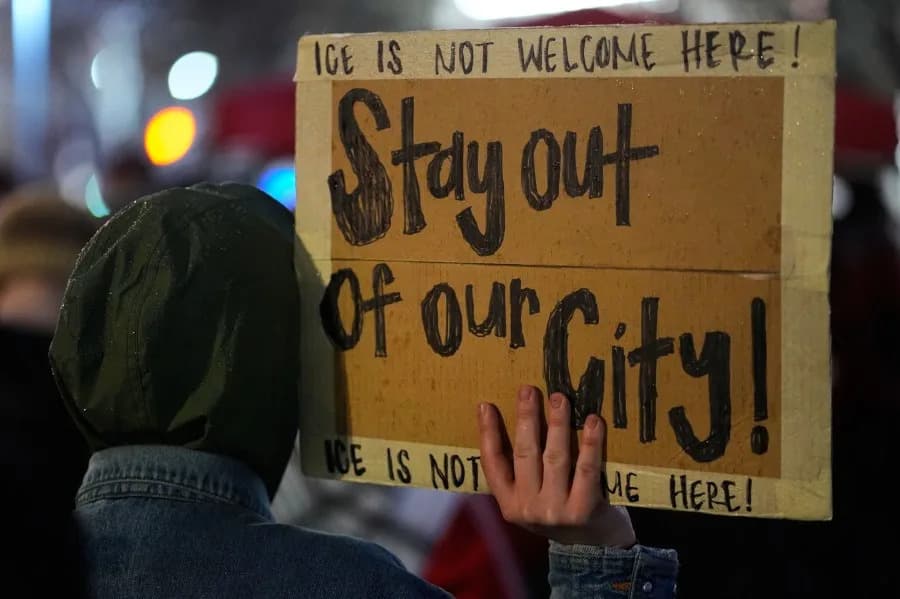
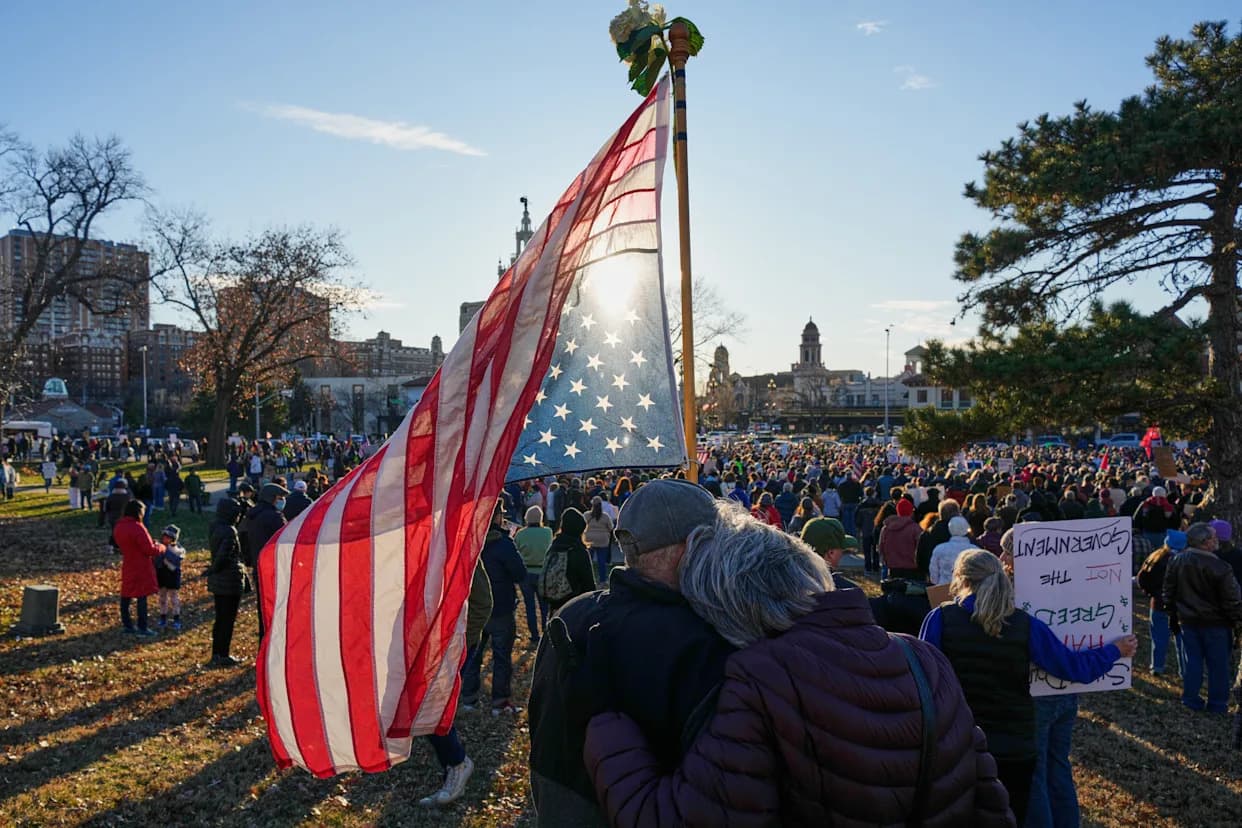
State officials and local advocates have described a pattern of aggressive conduct by immigration agents: warrantless home entries, the separation of children from relatives during operations, stops that critics call racial profiling, and confrontations with bystanders and off‑duty officers. Those accounts, voiced by Minnesota’s governor and other officials, have helped fuel the street protests that followed the most recent deadly encounter.
Kent State: A historical parallel
On May 4, 1970, 28 Ohio National Guardsmen fired roughly 67 rounds in 13 seconds into a crowd at Kent State University, killing four unarmed students and wounding nine. Eight guardsmen were later charged with depriving the students of their civil rights but were acquitted at a bench trial. Though the judge warned the verdict should not be read as a license to use force against demonstrators, formal accountability was limited. President Nixon’s Commission On Campus Unrest criticized both protesters and guardsmen while concluding that the shootings were “unnecessary, unwarranted, and inexcusable.”
The comparison is not meant to equate every detail of the two episodes but to underscore a familiar pattern: deadly force used against civilians, partisan defenses by officials, and persistent questions about whether anyone will be held to account.
Political fallout in Minneapolis
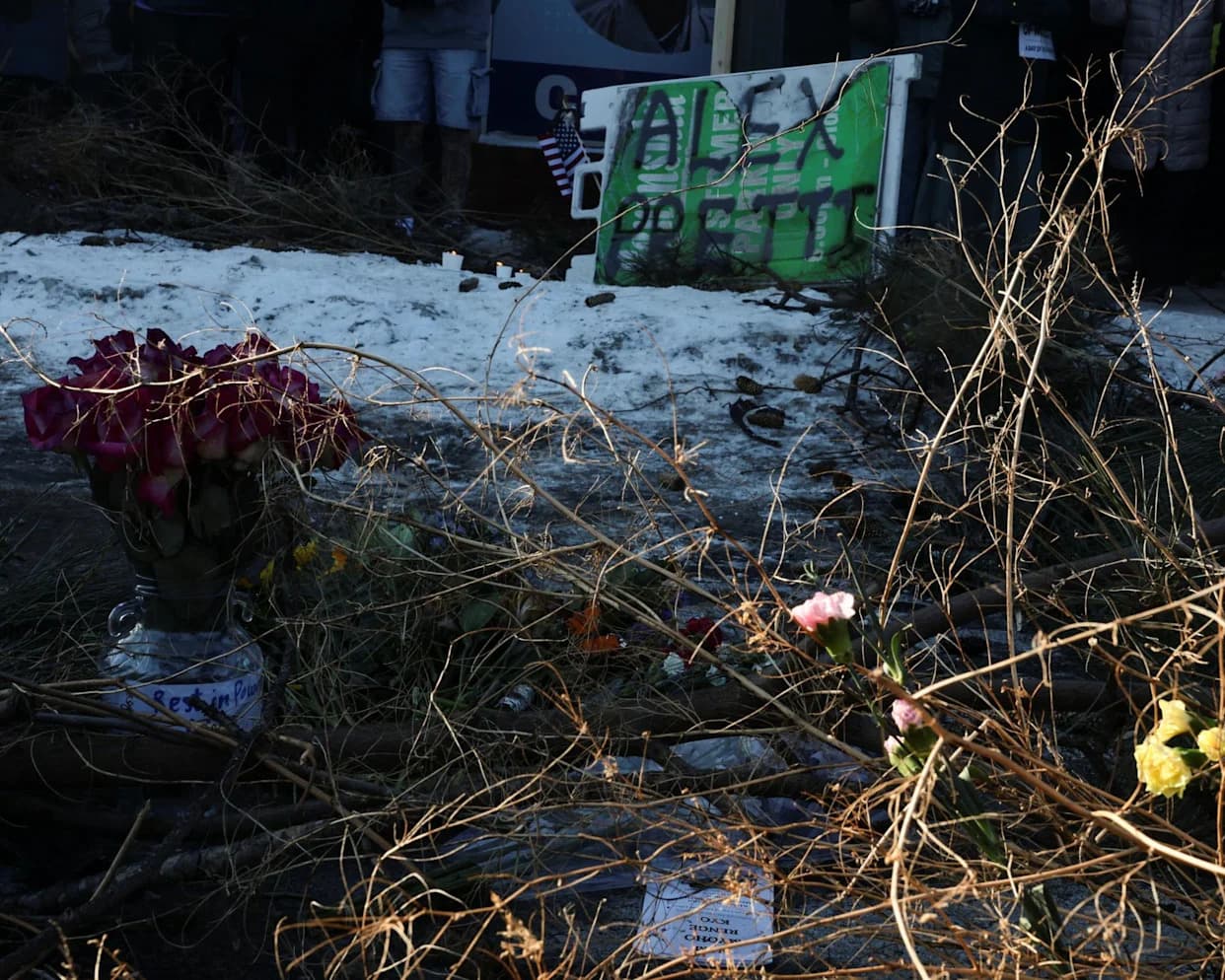
After the fatal shooting of Department of Veterans Affairs intensive-care nurse Alex Pretti, Minneapolis Mayor Jacob Frey noted the city had recorded only three homicides this year — two of which involved agents linked to immigration enforcement. Governor Tim Walz and others documented troubling accounts of federal tactics in a Wall Street Journal opinion piece and in public statements.
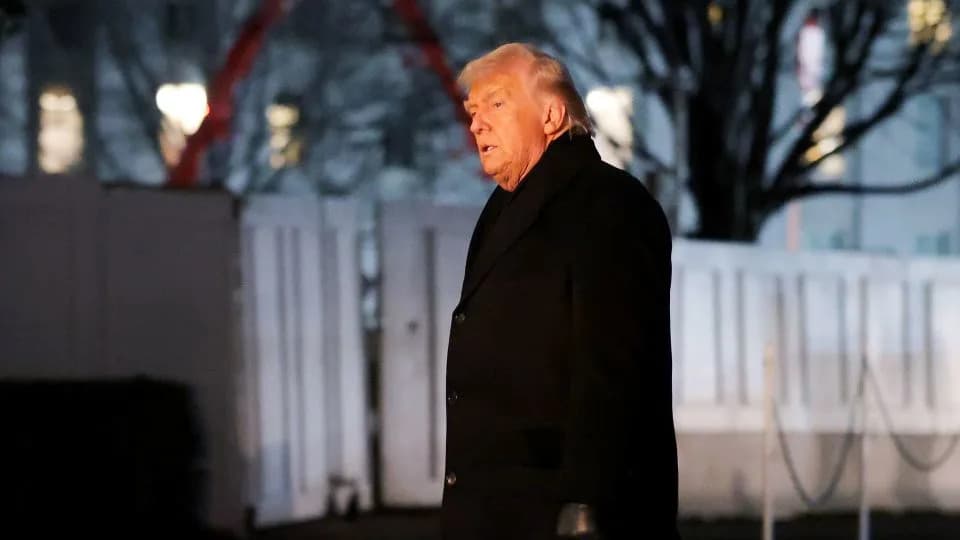
Senior administration figures and conservative commentators responded in partisan terms. Some labeled the protests as violent or criminal and urged stronger federal measures; one prominent advisor suggested invoking the Insurrection Act to deploy troops. Under pressure from Republican lawmakers, the president later described a conciliatory phone call with Governor Walz and promised a “very honorable and honest investigation.” Leadership changes were also announced in the Minneapolis enforcement operation.
Accountability concerns
Despite verbal commitments to investigate, the piece warns that meaningful accountability — prosecutions, clear policy changes, or sustained oversight — may remain unlikely, as it was after Kent State. Critics point out that public statements by senior officials that justify or downplay the use of force can undermine independent reviews and public trust.
The result is a city and a nation left to grapple with the consequences of force used in the name of immigration enforcement, the political forces that shape official responses, and the urgent demand for transparent, impartial investigations.
About the author
James D. Zirin is a former federal prosecutor in the Southern District of New York and a legal analyst.
Help us improve.