The Justice Department's Civil Rights Division is reviewing whether protesters who disrupted services at Cities Church in St. Paul can be charged under the federal FACE Act and the Civil War–era KKK Act. The FACE Act bars force, threats or obstruction that interfere with worship and also protects reproductive-health facilities; the KKK Act enables federal enforcement of constitutional rights against conspiratorial violence or intimidation. Legal analysts say the visible conduct could meet elements of those statutes, but prosecutions will depend on intent, context and First Amendment limits on private property.
DOJ Probes Whether FACE and KKK Acts Can Be Used Against Minnesota Church Protesters
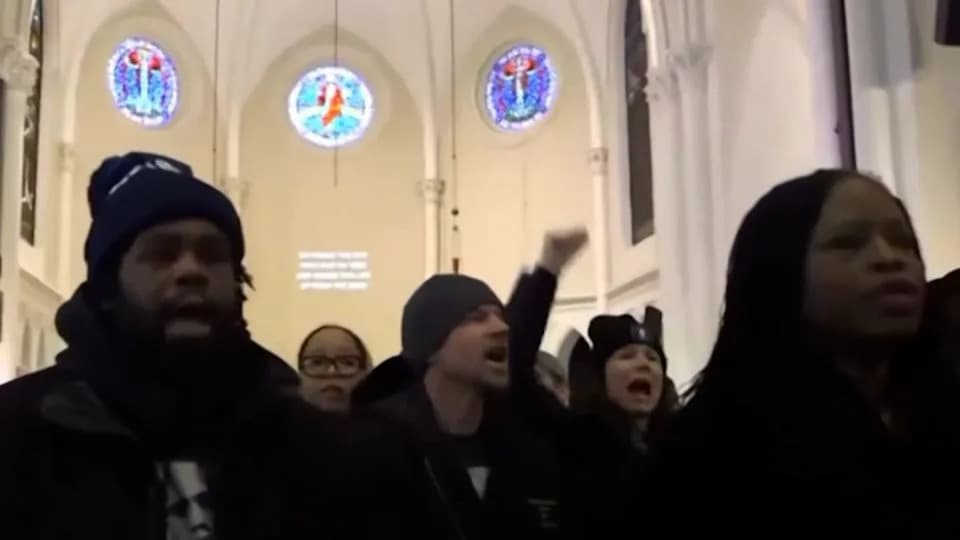
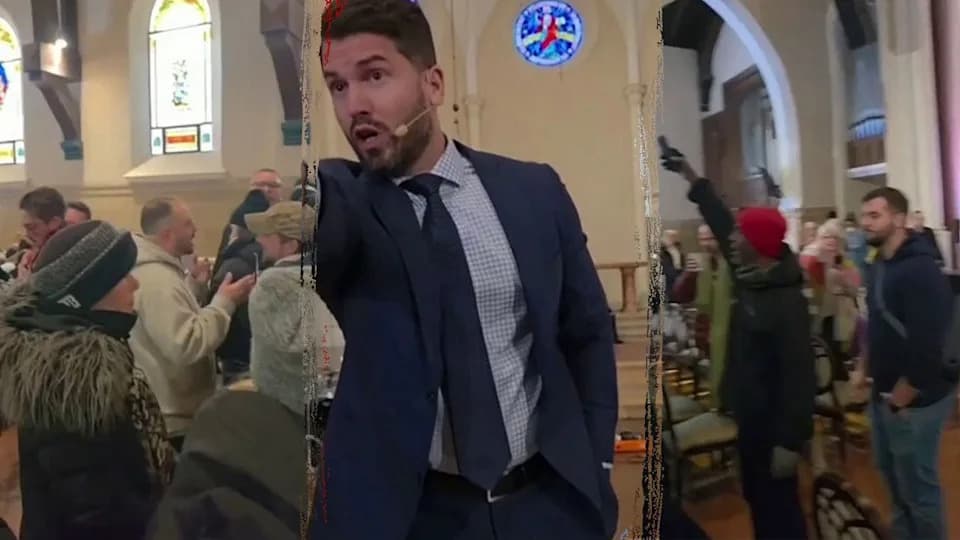
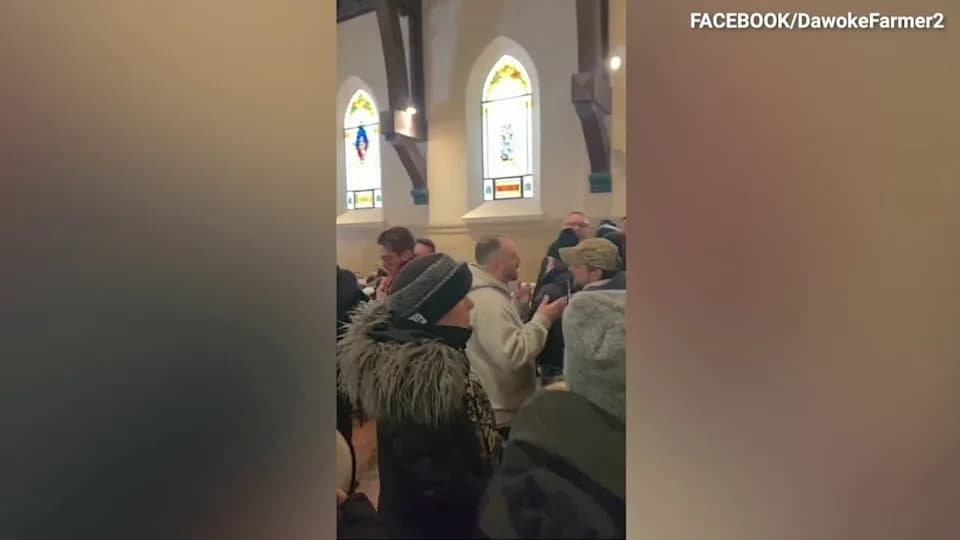
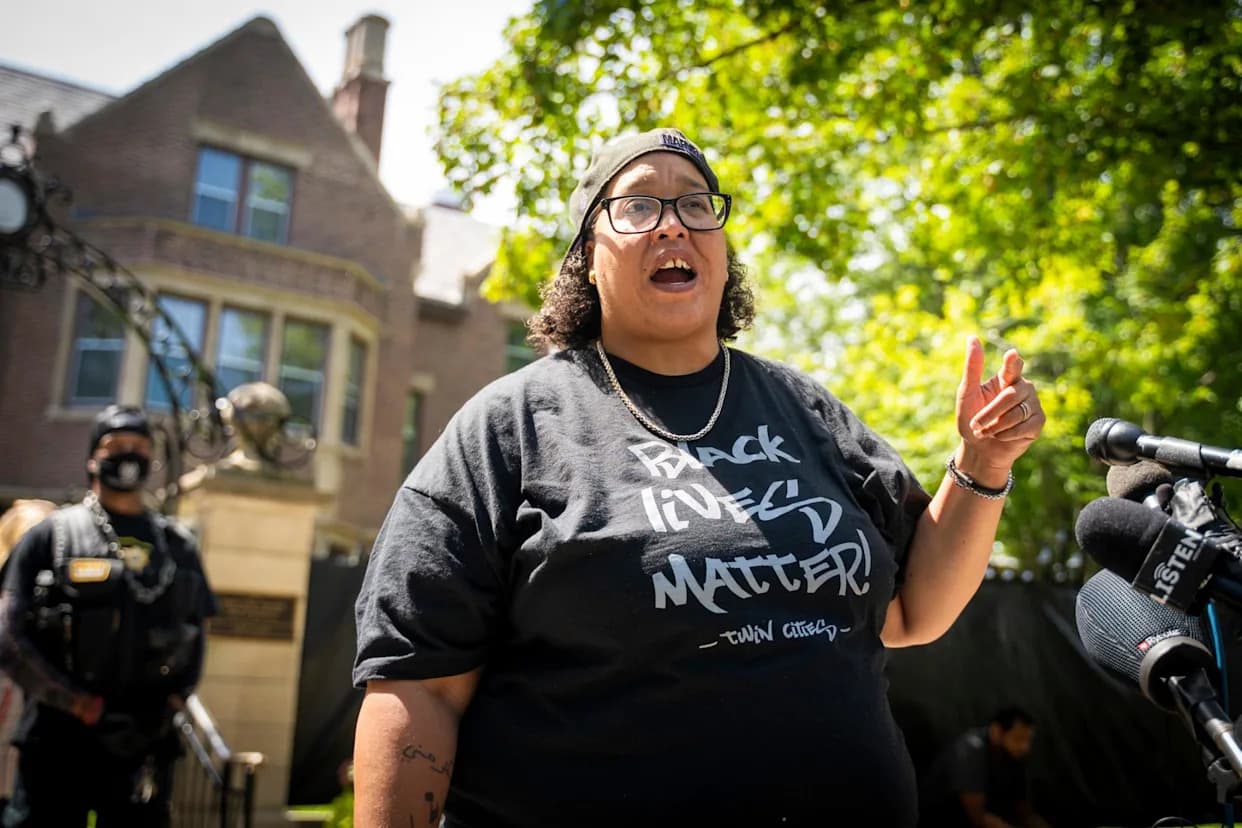
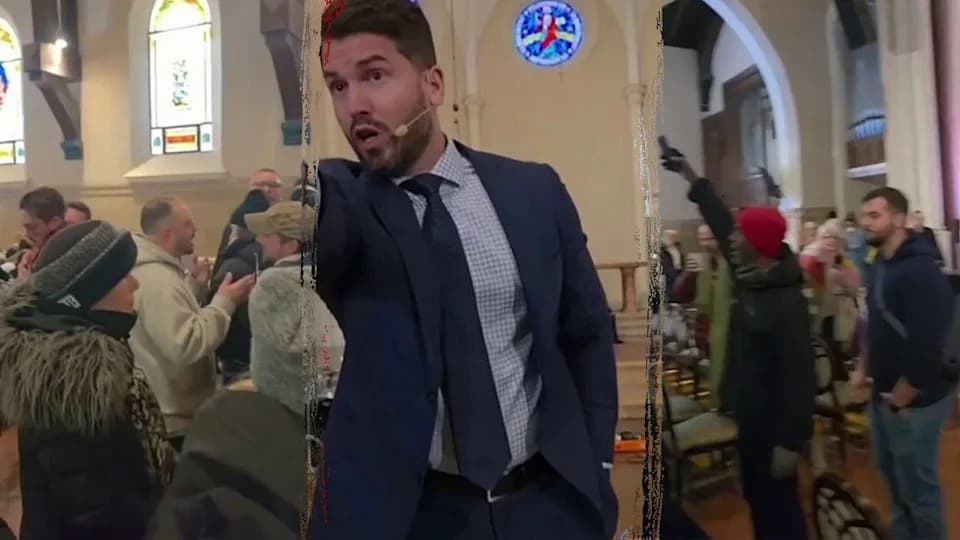
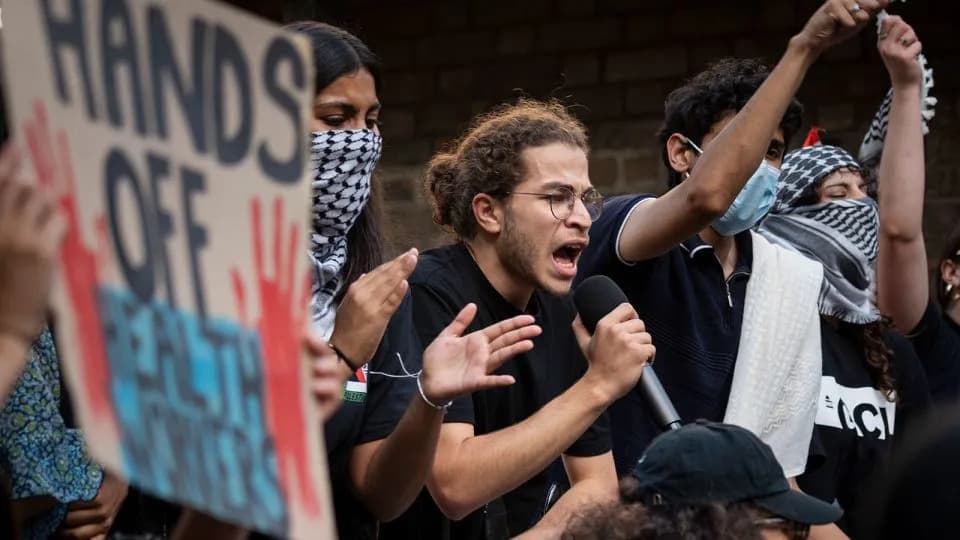
Video from Facebook Live by Black Lives Matter Minnesota on Sunday shows the moment a group of protesters disrupted services at Cities Church in St. Paul, where they say a local official with US Immigration and Customs Enforcement serves as a pastor. - Black Lives Matter Minnesota
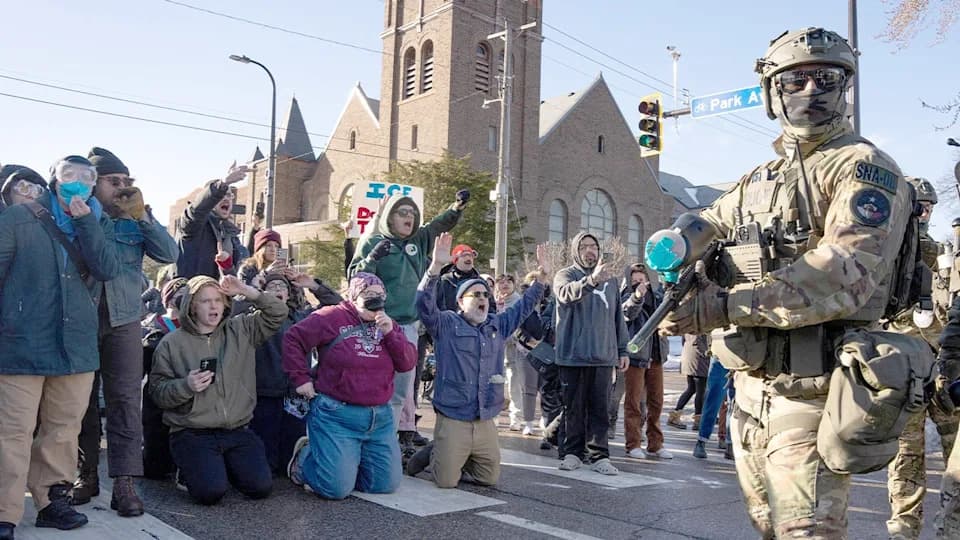
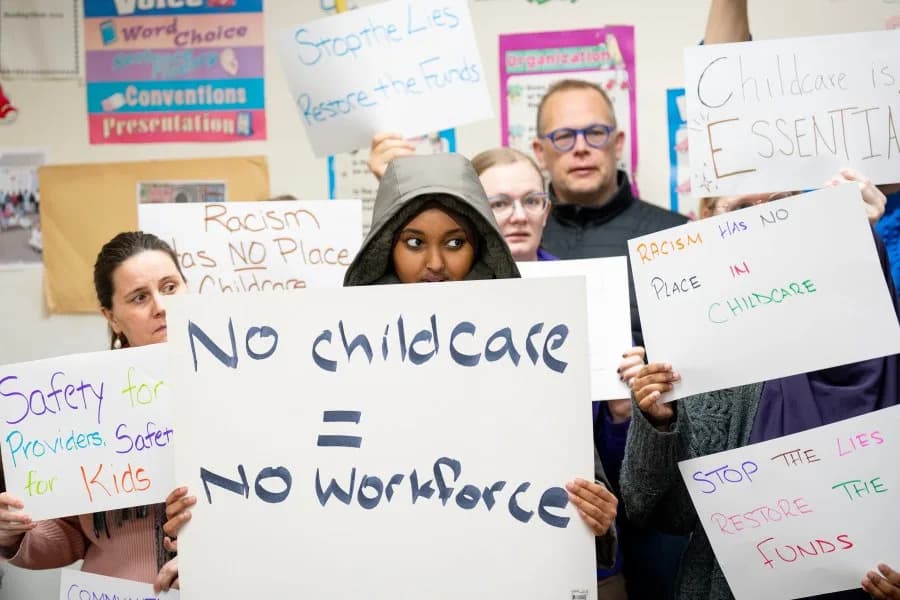
Sunday services at Cities Church in St. Paul, Minnesota, were interrupted when demonstrators entered and chanted demands including "Justice for Renee Good" and "ICE out," according to video of the incident. Church leaders and attendees reacted angrily as protesters confronted a pastor who is also reported to serve as a senior Immigration and Customs Enforcement (ICE) official in the Twin Cities.
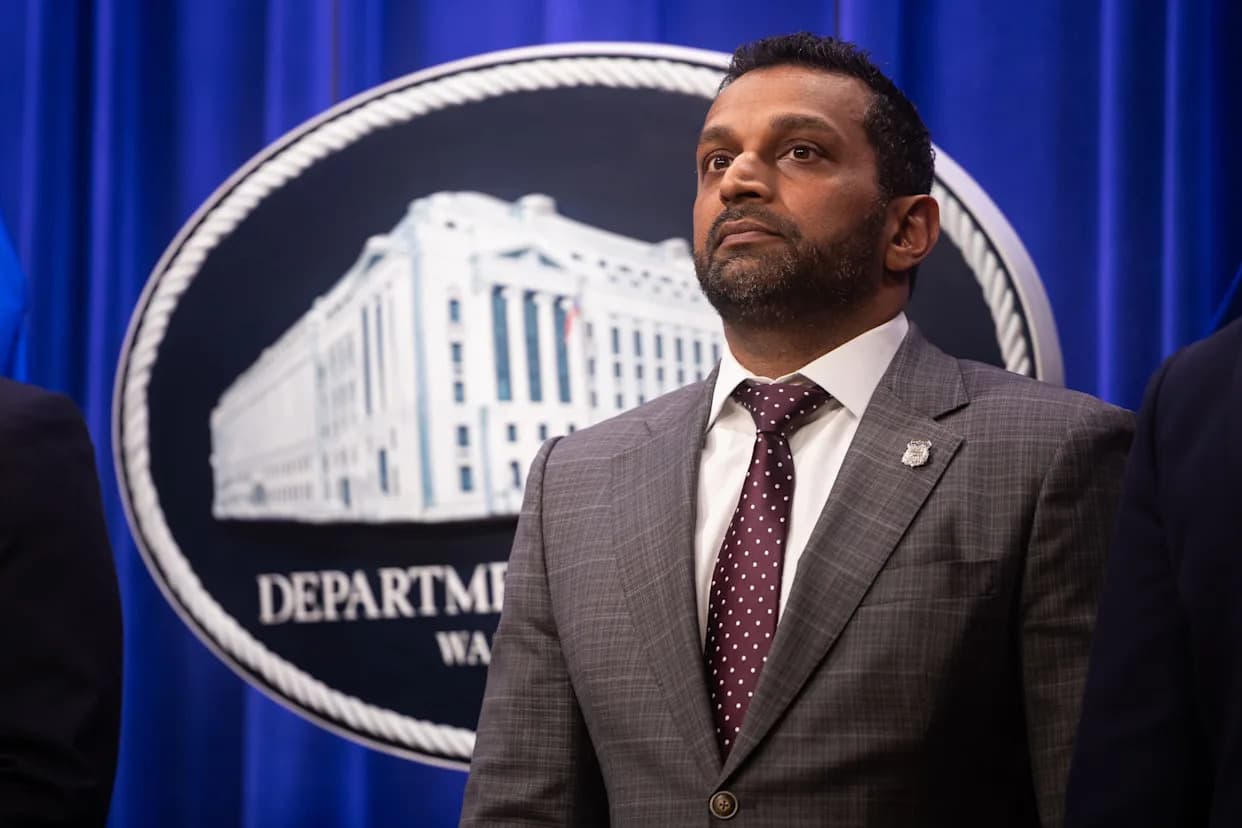
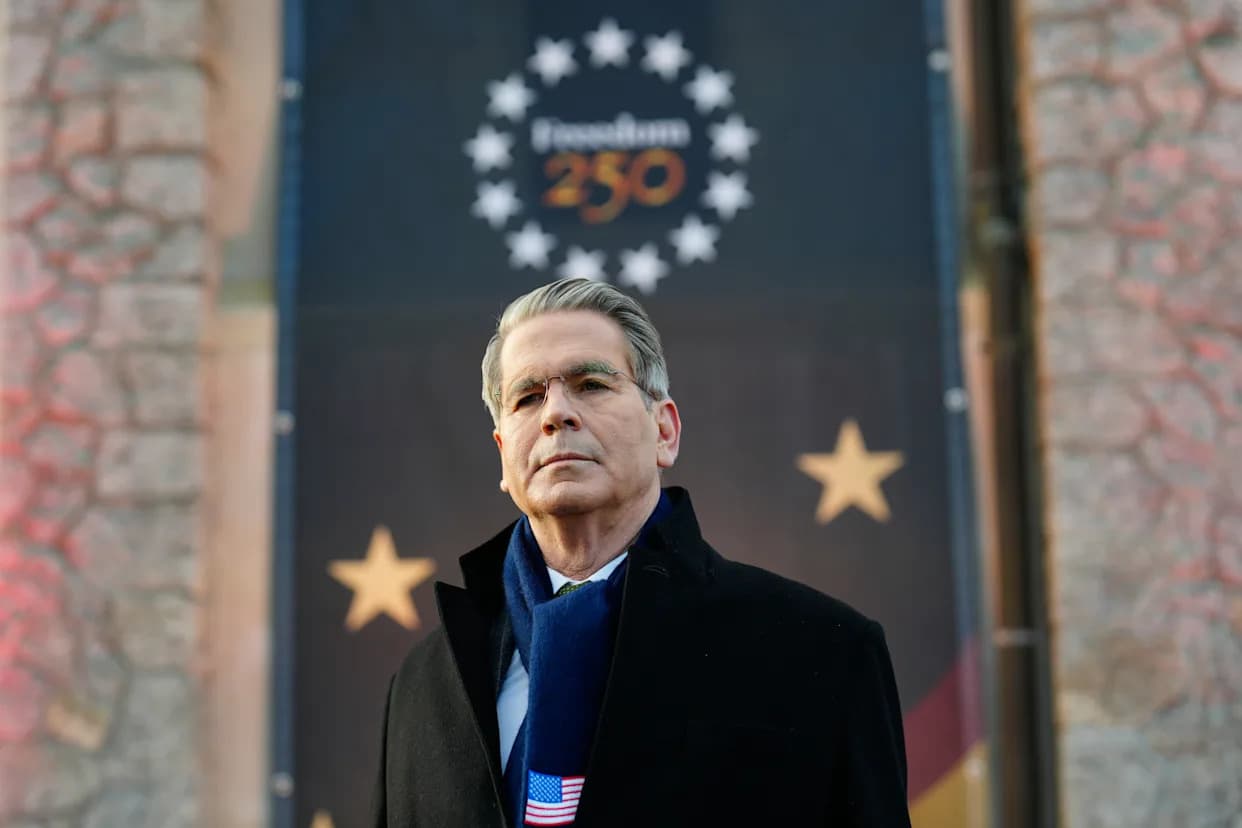
Federal prosecutors are now reviewing whether participants in the disruption can be charged under two federal statutes: the Freedom of Access to Clinic Entrances (FACE) Act and the Civil War–era Ku Klux Klan (KKK) Act. Harmeet Dhillon, Assistant Attorney General for Civil Rights, described the demonstrators as "desecrating a house of worship and interfering with Christian worshipers" and said the Civil Rights Division is examining potential charges.
What Happened
Video shows demonstrators entering the service and loudly chanting, prompting a person at the lectern to shout, "Shame on you!" The protesters said they were targeting David Easterwood, listed on the church website as a pastor and identified by some reports as a senior ICE official; Easterwood was recently named as a defendant in a lawsuit alleging immigration agents violated protesters' civil rights.
Which Laws Are Being Considered
FACE Act (1994)
The Freedom of Access to Clinic Entrances Act makes it a federal offense to use force, threats, or physical obstruction to intentionally injure, intimidate, or interfere with a person lawfully exercising their religious freedom at a place of worship. The statute also protects reproductive-health facilities. Penalties can include fines and imprisonment, and the Department of Justice said it had filed more than 15 FACE actions nationwide as of 2024.
Ku Klux Klan Act (1871)
Passed after the Civil War as part of a package of Enforcement Acts, the KKK Act authorizes federal action to protect civil and political rights guaranteed by the Constitution. Historically aimed at violent vigilante groups that terrorized newly freed Black Americans, the law has been invoked in several high-profile modern cases — including suits tied to election interference and alleged conspiracies to intimidate voters.
Legal Context and Precedents
Although both statutes are federal tools for protecting constitutional rights, they are applied selectively and require analysis of specific facts and intent. The FACE Act focuses on preventing obstruction and intimidation at places of worship and medical facilities, while the KKK Act addresses conspiracies or coordinated efforts to deprive people of constitutional rights.
Recent uses of the KKK Act include lawsuits related to the Jan. 6, 2021, U.S. Capitol attack and alleged voter-intimidation schemes; some other civil claims invoking the statute were later dismissed. The DOJ’s 2024 FACE Act actions include a lawsuit against demonstrators who targeted a New Jersey synagogue during a violent protest.
What Legal Analysts Say
CNN senior legal analyst Elie Honig said the conduct visible in the church disruption "appears to meet the requirements of those laws" on its face, but emphasized that context matters. The First Amendment protects speech, but it is not absolute and does not necessarily shield disruptive conduct on private property such as a church. Private institutions can regulate speech in their spaces, the Freedom Forum notes.
Some critics contrasted the DOJ’s apparent willingness to probe a nonviolent church disruption with its decision not to investigate the fatal shooting of Renee Good by an ICE officer, raising questions about priorities and consistency in enforcement.
What Comes Next
The Civil Rights Division must determine whether investigators can establish that protesters used force, threats, or coordinated action to interfere with worship or to deprive individuals of constitutional protections. If prosecutors proceed, charges under either statute would require proving elements such as intent, obstruction, or conspiratorial conduct. Any decision to charge could be followed by civil or criminal litigation and would likely draw political and legal scrutiny.
Reporting Credits: This summary incorporates reporting and legal analysis cited in the original coverage.
Help us improve.