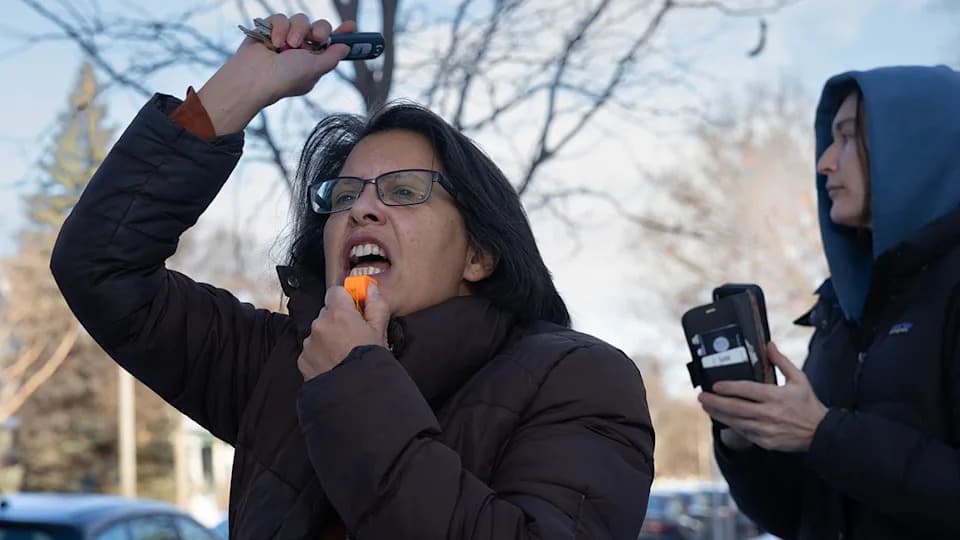
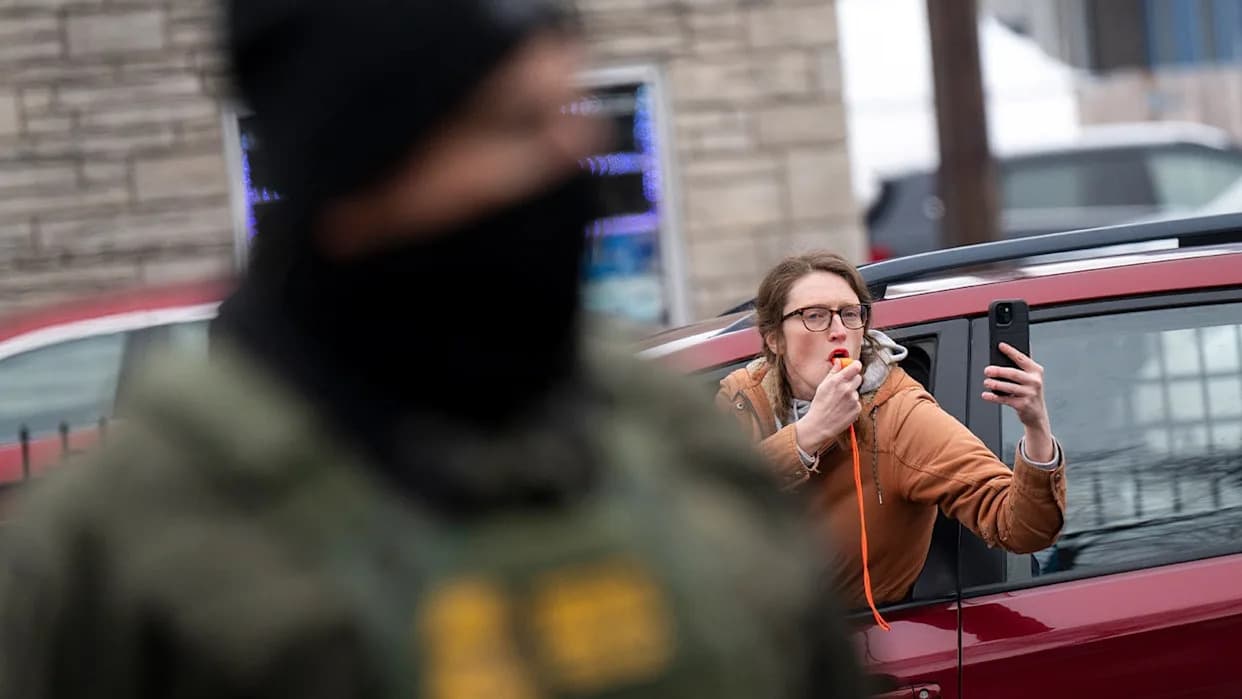
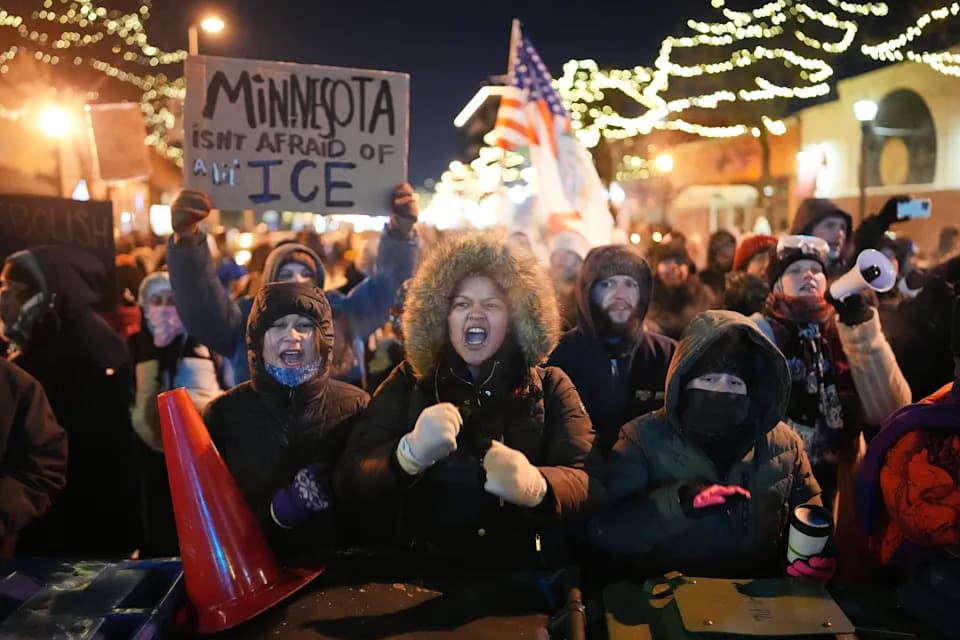
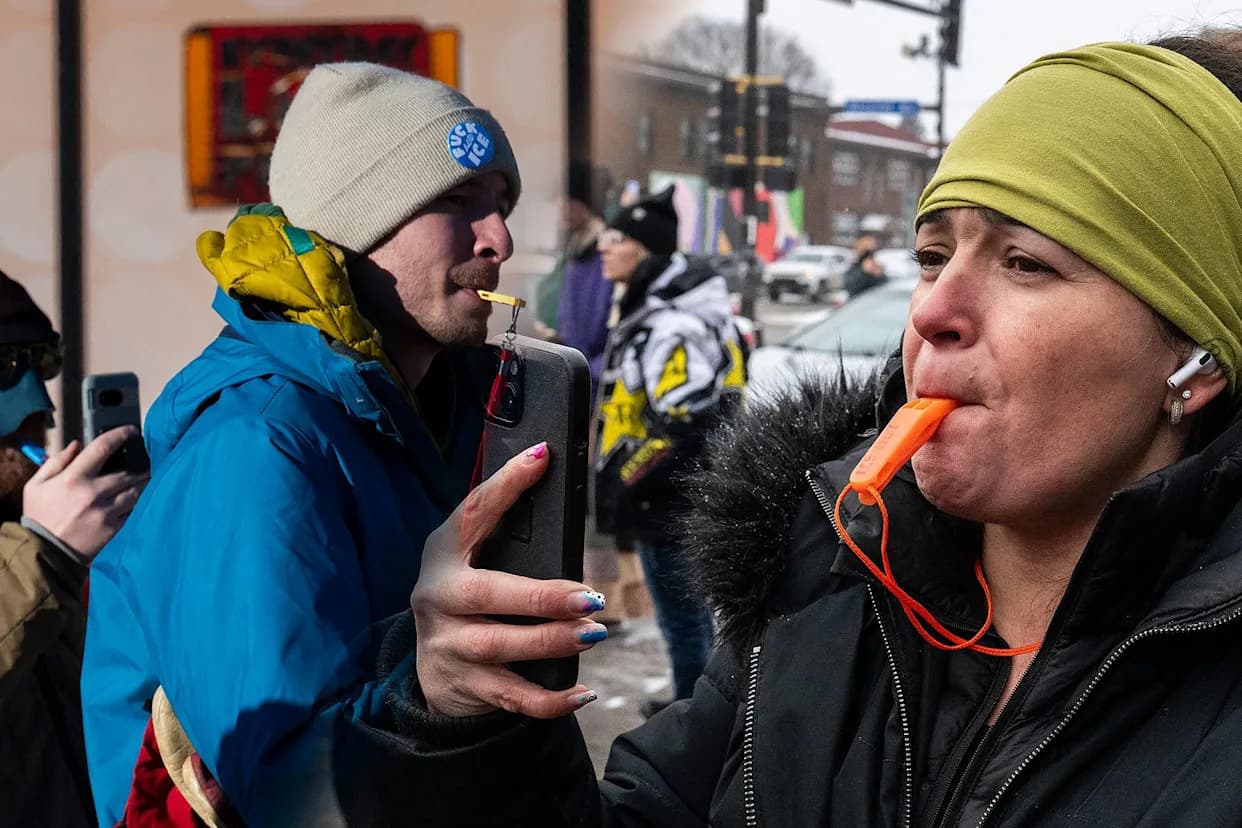
The 3D‑printed whistle campaign has become a decentralized, grassroots tool to alert communities to ICE activity and to document detentions. Volunteers—including a loose network of about 40 3D‑printers—have distributed more than 200,000 whistles to 48 states, often for free, with material costs as low as two cents each. Organizations like Migra Whistle provide guides, packing events and training materials, while local zines and customized designs help spread use and awareness.
Small, Loud, Spreading: How 3D‑Printed Whistles Are Mobilizing Communities Against ICE
At a memorial for Renee Good, volunteers placed a battered cardboard tray labeled “Whistles (take one)” beside flowers and candles. On it lay dozens of brightly colored whistles—teal-and-pink, yellow-and-blue and other combinations—donated by Bree Bridges, a romance novelist in McCalla, Alabama. In her spare time Bridges has been 3D printing thousands of whistles and shipping them to sites across the country where Immigration and Customs Enforcement (ICE) officers are operating.
How the Whistle System Works
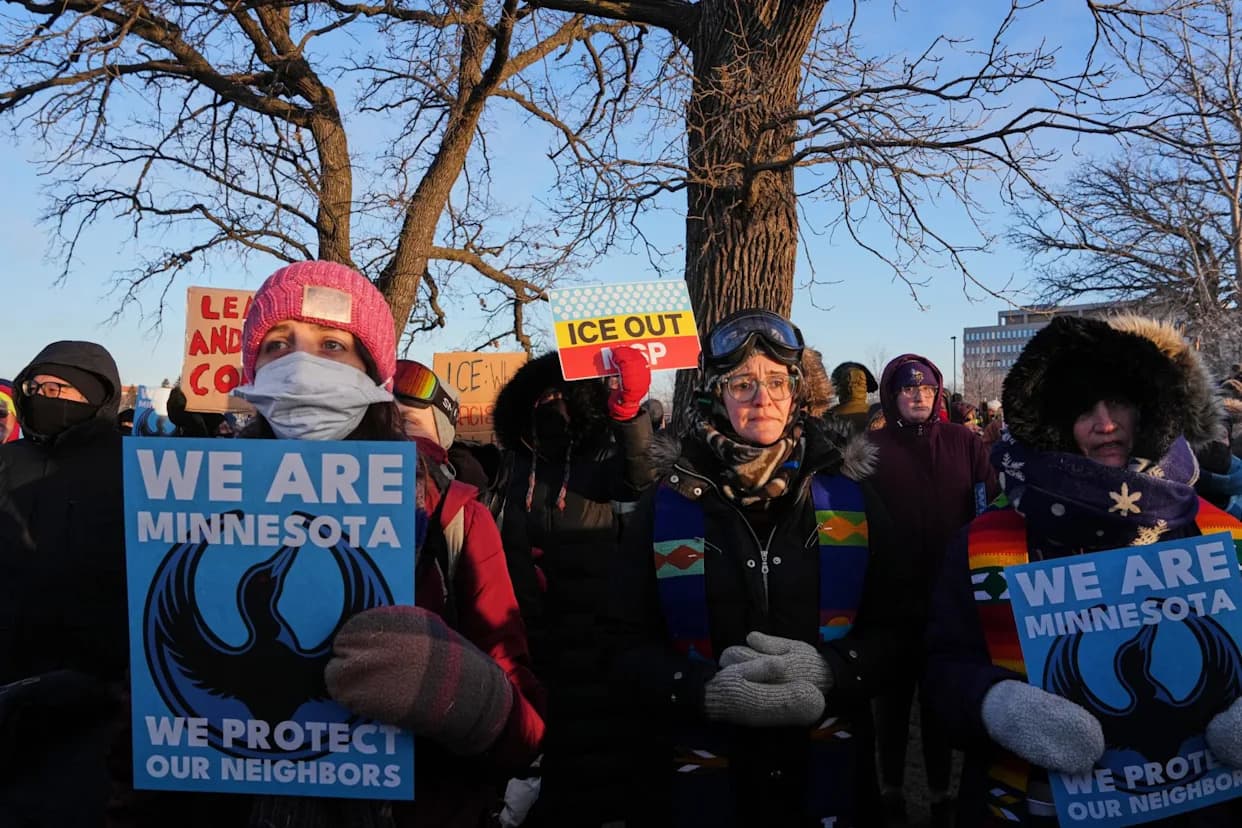
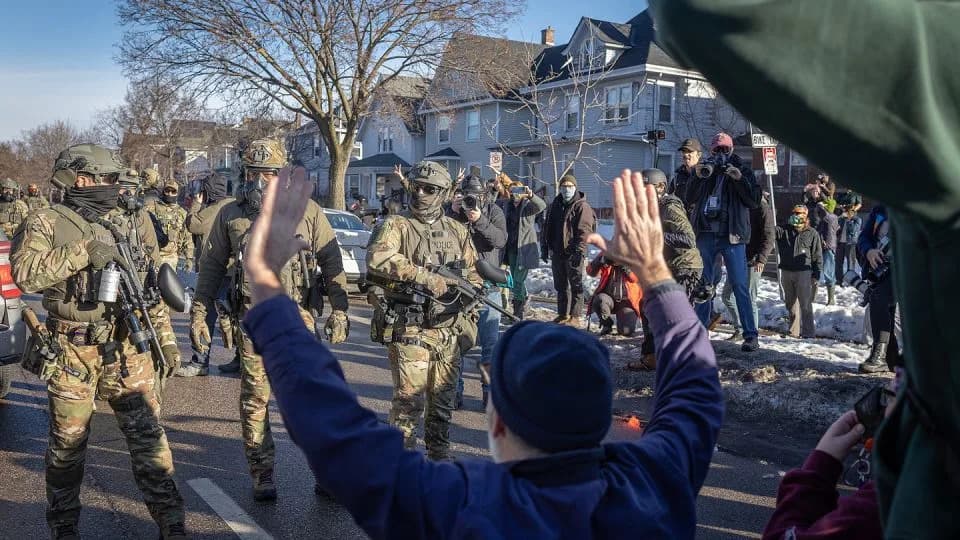
The protocol is simple and easy to teach: three short blasts signal that ICE is nearby; three long blasts call for witnesses when someone is being detained. By law, witnesses may record arrests, and that documentation can be used later in court or to locate people taken into custody. The whistles are intended as a low-cost, decentralized early-warning and documentation tool for communities.
From Chicago to Nationwide
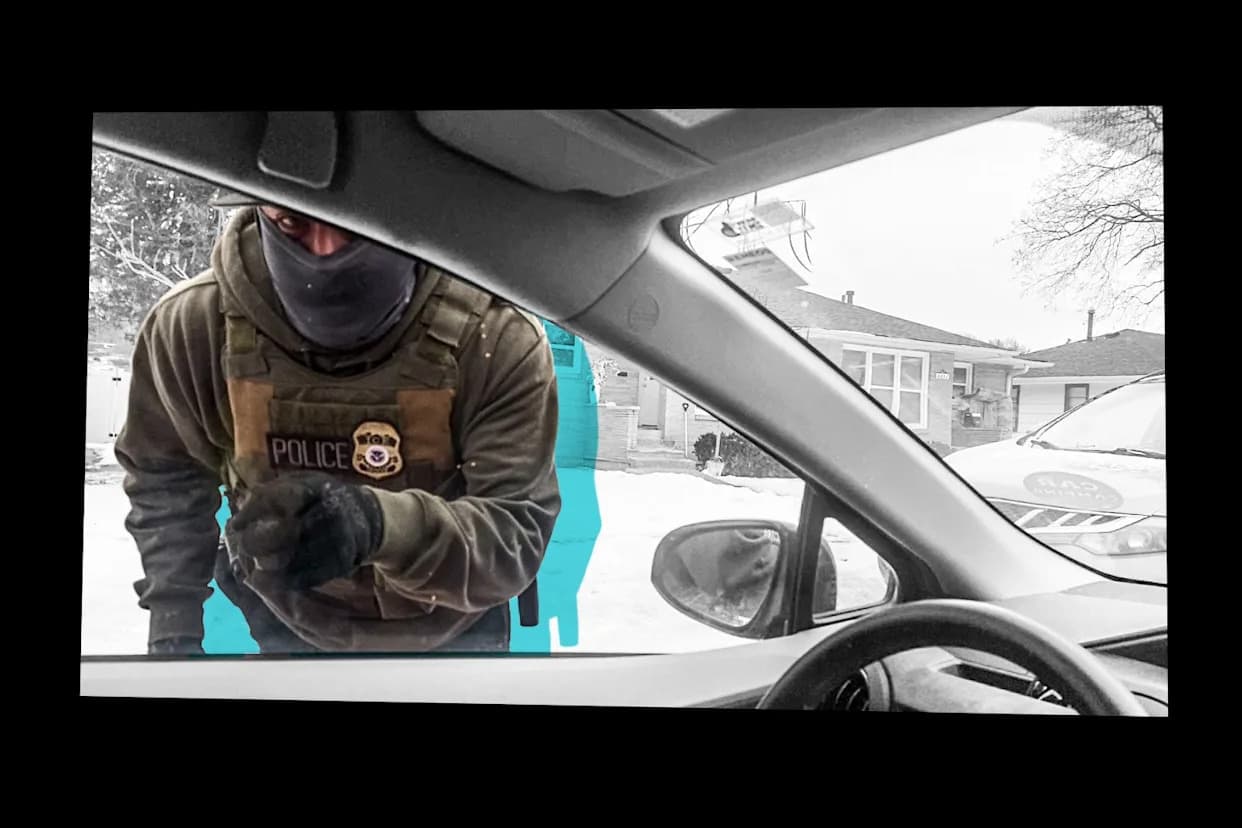
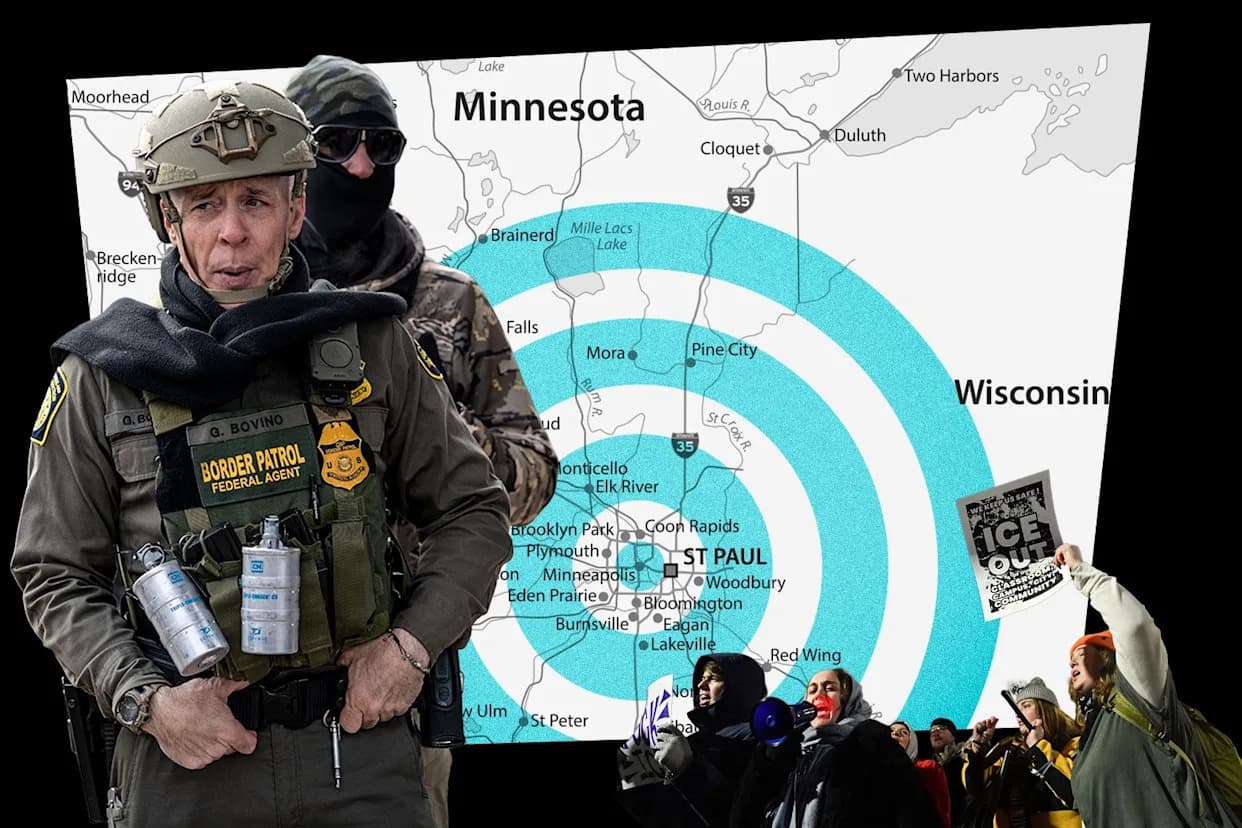
The campaign began in Chicago this fall in response to ICE’s Operation Midway Blitz and has spread rapidly. Volunteers and small organizations now hand out whistles at local businesses, buy them in bulk online, or receive them free from a loose national network of makers. Bridges is part of roughly 40 volunteer 3D-printers (listed informally on Linktree) who coordinate production and free shipping. Collectively, volunteer printers have shipped more than 200,000 whistles to 48 states.
Accessible, Anonymous, and Inexpensive
Most volunteer printers operate anonymously and either self-fund production or rely on donations; a GoFundMe created to support the effort has raised tens of thousands of dollars. Producing a whistle is remarkably cheap—material estimates put the cost as low as two cents per unit—making large-scale distribution feasible for grassroots organizers.
Local Organizing and Resources
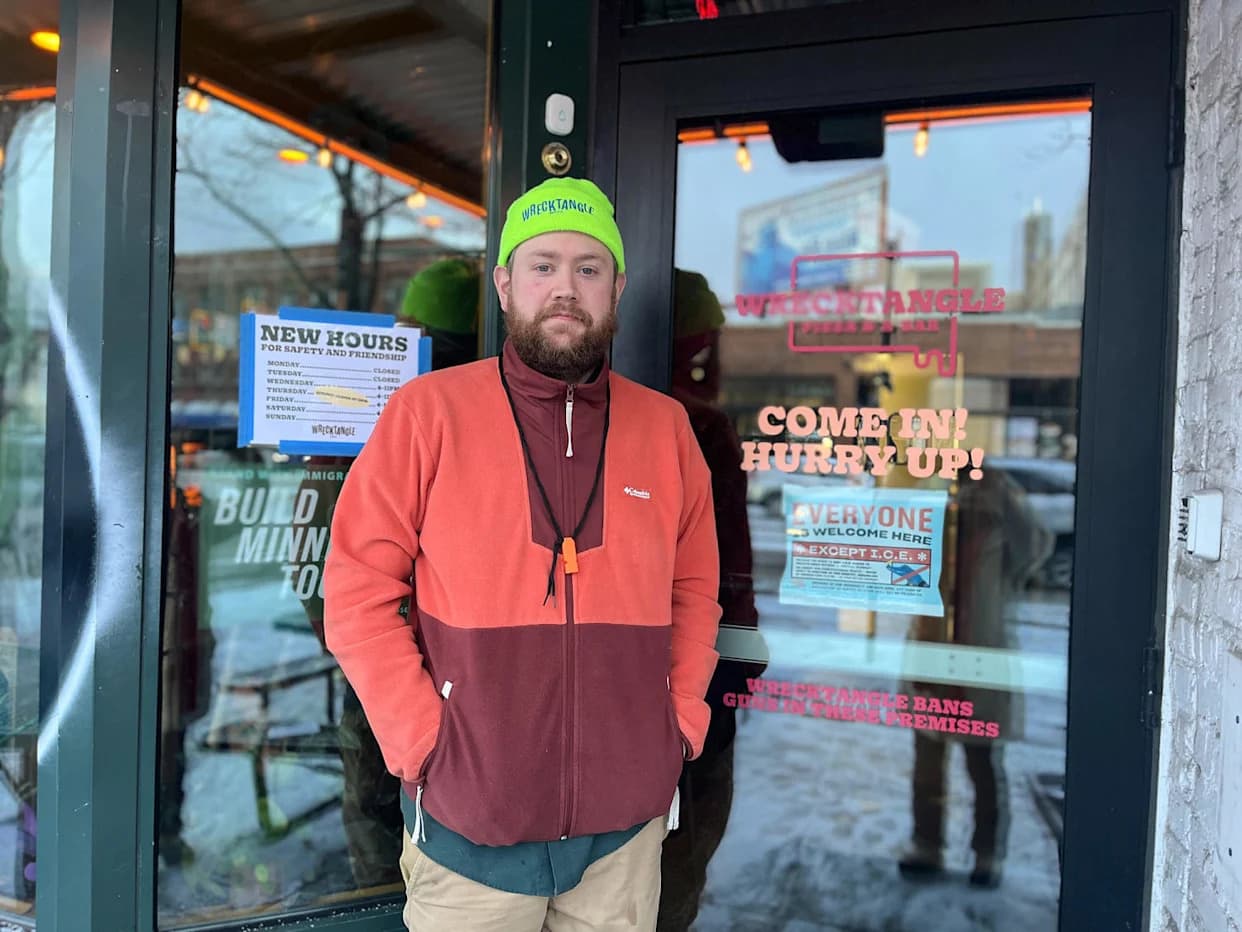
Groups such as Migra Whistle, based in Portland, provide online guides for 3D printing, coordinate packing events and mail whistles to community members. Volunteers emphasize that making lanyards, informational kits and zines is a relatively low-risk way for many people to contribute without attending street actions.
“We want to make noise about the harm that’s happening to our families,” says Veronica, a Migra Whistle member reached by secure call. “Once we started conversations, it just took on a life of its own. People were so jazzed about protecting each other.”
Organizers credit accessibility for the campaign’s momentum. Teresa Magaña, a Chicago community arts center co-founder, created an educational zine with simple instructions on what to do if you encounter ICE; local businesses distribute the zine, and other groups have adapted it for their communities.
The campaign has also drawn longtime activists back into organizing. A volunteer who identified himself as Araña said he had been out of activism for more than two decades before joining Migra Whistle, and that the movement renewed his hope in effective collective action.
Designs and Local Adaptation
Makers customize whistles with protest messages, hotline information and distinctive filament colors. The combination of widespread distribution, clear signals and basic training aims to increase community capacity to observe, document and respond to ICE activity while minimizing risk to contributors.
Note: Organizers stress that whistles are a tool for community safety and documentation, not a call to confront federal agents directly. As with any public-safety initiative, participants should understand local laws and prioritize personal safety.
Help us improve.