More than 100,000 Arizona students now use Empowerment Scholarship Accounts, underscoring growing demand for school-choice options that let funding follow the child. A 2025 RAND report found ESAs reached about 7% of Arizona's school-age population in 2024–25 and attracted many families new to private or home-based education. Nationally, universal-choice enrollment topped one million in 2024, while evidence from voucher reviews and charter growth shows modest academic gains and expanding alternatives. Political debate continues over caps, oversight, and the public role in education funding.
Arizona Surpasses 100,000 Students On ESAs as School-Choice Momentum Builds
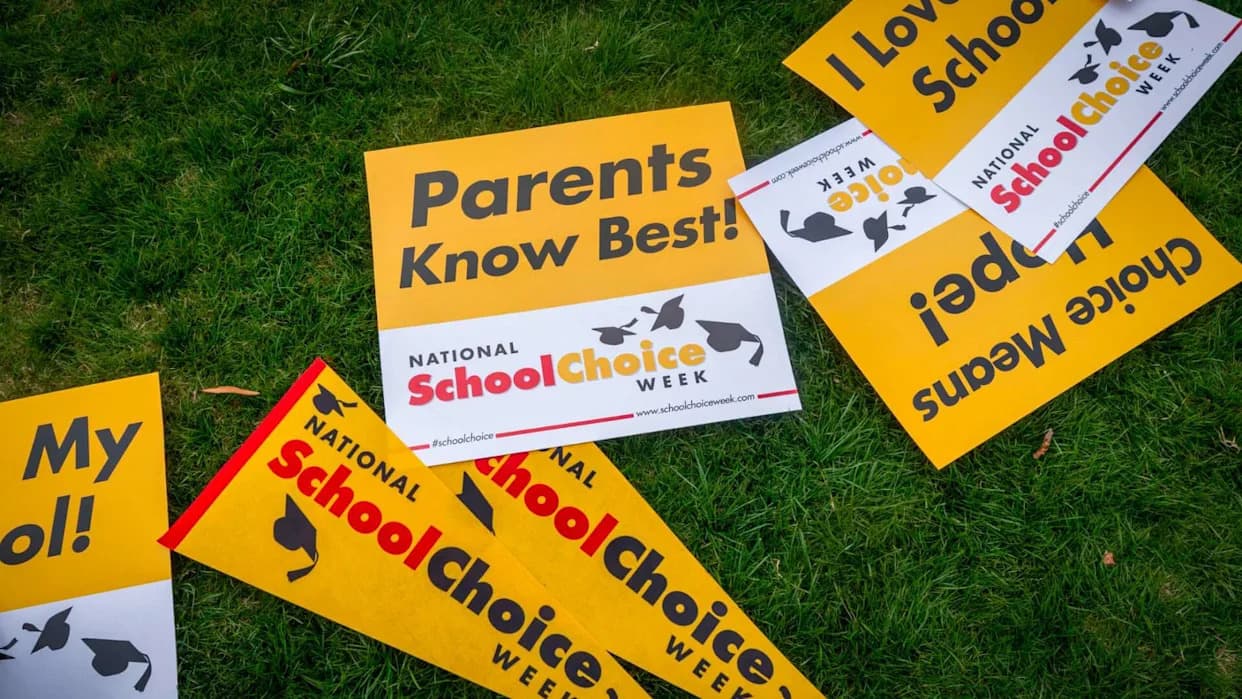
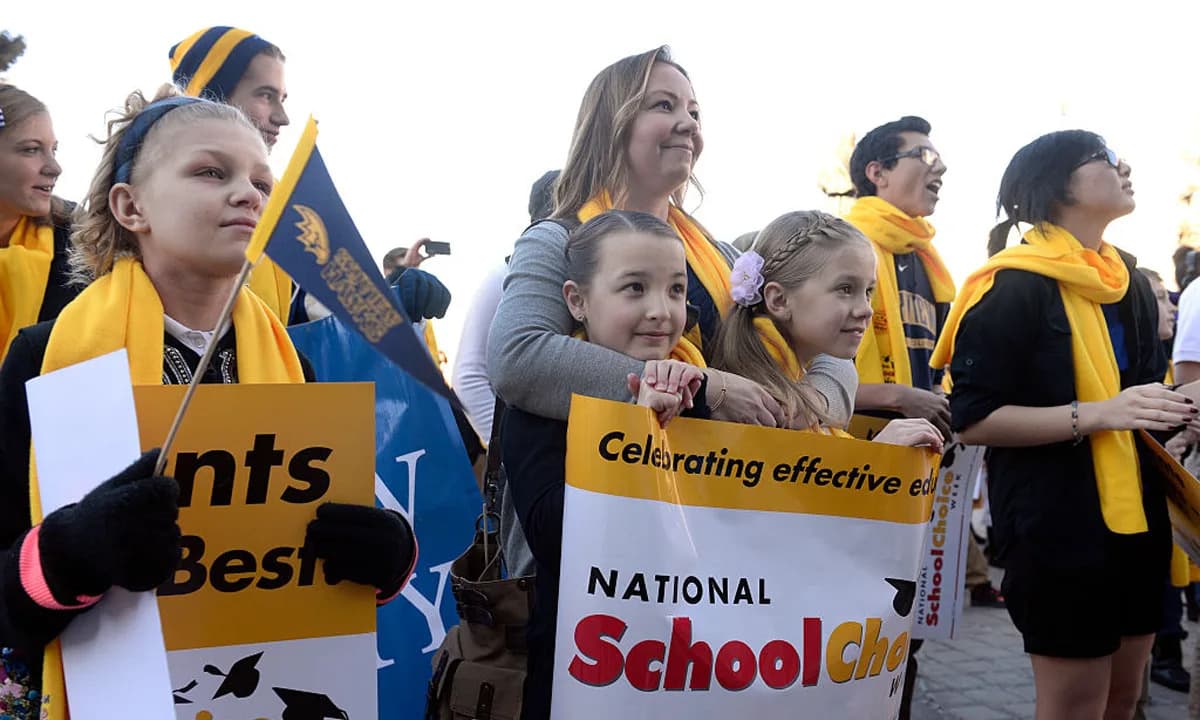
School Choice Week: Arizona Milestone Marks Growing Popularity of School Choice
As of January 26, more than 100,000 Arizona students are enrolled in the state's Empowerment Scholarship Accounts (ESAs), which allow education funding to follow the child rather than remaining tied to a particular public school or charter. The milestone highlights growing demand for alternatives to one-size-fits-all public schooling and a rapid expansion in the education marketplace for families seeking different options.
What Are ESAs and How Arizona Expanded Them
Arizona first introduced ESAs in 2011 for students with special needs. Over time the program expanded to include students in low-performing schools, children of military families, and adopted children. Under former Republican governor Doug Ducey, eligibility broadened so that, subject to general rules, virtually any student can access portable education funding equivalent to "90% of the state funding that would have otherwise been allocated to the school district or charter school for the qualified student."
"Part of what animated my run for governor in 2014 was universal school choice," Ducey told Reason in 2024. "The Milton Friedman idea that he shared on Free to Choose is something that took me all eight years of my governorship to accomplish."
Evidence From Arizona
A 2025 RAND Corporation report estimated that roughly 7% of Arizona's school-age population used ESAs during the 2024–2025 school year. RAND also found the program encouraged families to try new education settings: 29% of ESA recipients had not previously been homeschooled or enrolled in private schools. The report documented substantial marketplace growth: the number of vendors listed on Arizona's online education marketplace rose from 1,339 in 2021 to 6,091 by 2024, and the estimated number of private schools in Arizona increased from 451 to 515 since 2022.
National Context: Vouchers, Charters, and Homeschooling
Arizona's experience reflects a broader national trend. Ballotpedia reports that 18 states now have universal school-choice programs, 15 states offer partial choice programs, and 17 states do not extend public funding to private options. In 2024, the number of U.S. students enrolled in programs that effectively provide universal choice exceeded one million for the first time.
A 2021 review of 21 voucher studies by M. Danish Shakeel, Kaitlin P. Anderson, and Patrick J. Wolf found "moderate evidence of positive achievement impacts of private school vouchers," and concluded these programs often appeared cost-effective even when academic gains were modest.
Charter schools — publicly funded but independently managed — have also grown rapidly. The National Center for Education Statistics reports charter enrollment more than doubled from 1.8 million in fall 2010 to 3.7 million in fall 2021, while enrollment in traditional public schools declined by about 2.0 million students during the same period. Recent reporting highlights cases where charter flexibility produced strong results, such as improvements in mathematics at a Center City Public Charter campus in Washington, D.C.
Homeschooling, though harder to track, has expanded quickly since the pandemic. Roughly 6% of students were homeschooled in the 2022–2023 school year, and researchers report homeschooling growth is nearly triple the pre-pandemic rate as families retain or adopt DIY and hybrid learning models like microschools, pods, and online programs.
Politics And The Ongoing Debate
Despite growth and positive findings cited by advocates, school-choice programs remain politically contested. Arizona's current governor, Democrat Katie Hobbs, has proposed an income cap on ESAs and has raised concerns about corruption in some choice programs — allegations her critics say lack strong supporting evidence. Supporters argue that school choice restores parental authority over education and expands opportunities; opponents worry about public funding, accountability, and the long-term effects on traditional public schools.
Bottom line: Arizona's ESA milestone is an indicator of strong parental demand for alternatives to traditional public schooling and reflects wider national momentum for school-choice policies, but it also sharpens debates about oversight, equity, and the role of public funding in education.
Adapted from reporting first published at Reason.com and summarized with RAND, Ballotpedia, NCES, The74, and academic literature referenced in the original coverage.
Help us improve.