President Trump threatened a 50% tariff on Canadian-made aircraft and announced he was decertifying Canadian-built jets, specifically naming Bombardier. Industry data show the move could affect hundreds of aircraft operating between the two countries. Bombardier said it is in contact with the Canadian government and warned of potential disruption to air traffic. The dispute revives past trade fights over Bombardier's CSeries and comes amid wider U.S.-Canada trade tensions.
Trump Threatens 50% Tariff on Canadian-Made Aircraft, Decertifies Bombardier Jets
President Trump on Thursday escalated a trade dispute with Canada by threatening to impose a 50% tariff on any aircraft sold into the United States and announcing he was "decertifying" Canadian-built jets. The president posted the threat on Truth Social, singling out Quebec-based Bombardier and saying the move was a response to alleged Canadian refusals to certify certain U.S. jets.
What the President Said
"If, for any reason, this situation is not immediately corrected, I am going to charge Canada a 50% Tariff on any and all Aircraft sold into the United States of America," Mr. Trump wrote. He also said he was "hereby decertifying" Bombardier Global Express business jets and "all Aircraft made in Canada."
Immediate Industry Impact
Aviation analytics firm Cirium reports about 150 Bombardier Global Express jets are registered in the U.S., operated by roughly 115 operators. Flight-tracking service Flightradar24 showed more than 400 Canadian-made aircraft operating to or from U.S. airports at the time of the announcement, underscoring the deep integration of the two countries' aerospace sectors.
Bombardier responded that it had "taken note" of the president's post and was in contact with the Canadian government. The company noted that thousands of Canadian-built private and civilian jets fly in the U.S. every day, that it employs about 3,000 people across nine U.S. facilities, and that it is "actively investing in expanding" its U.S. operations. Bombardier urged a quick resolution to avoid disruption to air traffic and the flying public.
Background And Broader Context
This dispute revives earlier tensions between the two countries: in 2017 the U.S. Commerce Department imposed duties on Bombardier's CSeries (now Airbus A220) after a complaint from Boeing alleging subsidized, low-priced sales. The U.S. International Trade Commission later found that Bombardier had not injured the U.S. industry. Bombardier has since shifted greater focus to business and private jets.
Canada's aerospace industry also includes De Havilland Aircraft of Canada and production activities by Airbus (which now builds the A220 in Canada). The U.S. International Trade Administration has highlighted the interdependence of the U.S. and Canadian aerospace sectors and referenced a 1980 WTO agreement calling for the elimination of tariffs on civil aircraft, engines, flight simulators and related parts.
Political Friction
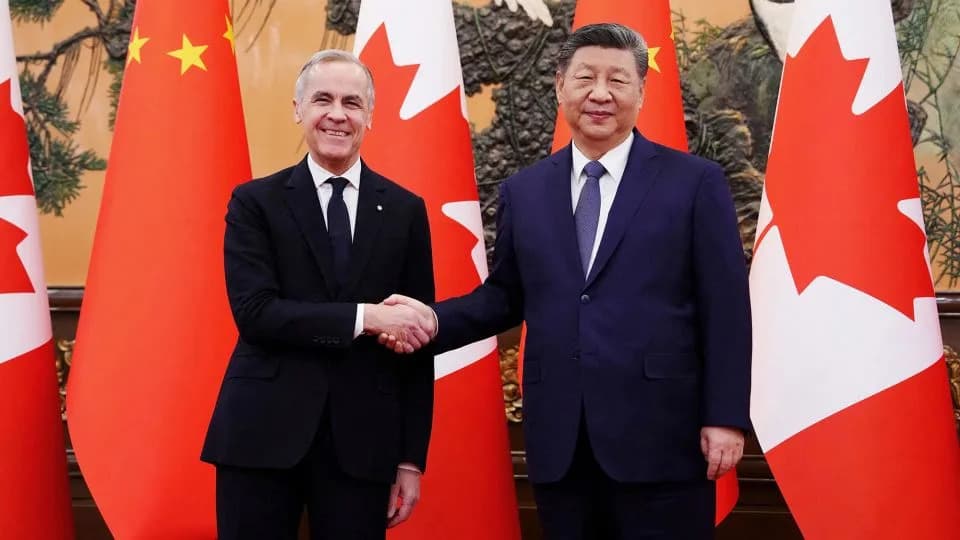
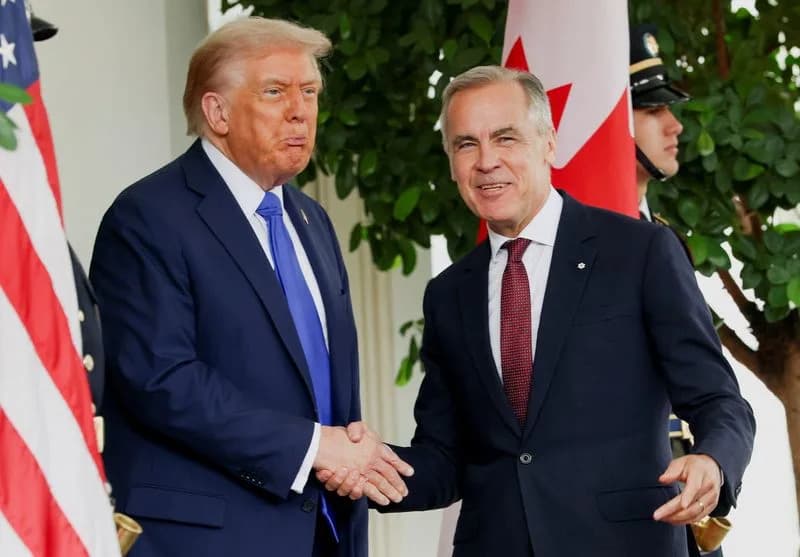
The announcement comes amid broader tensions between Mr. Trump and Canadian public figures and officials. At the World Economic Forum in Davos, Mark Carney — the former Bank of England governor and former governor of the Bank of Canada — criticized economic coercion by major powers; the president publicly rebuked Carney a day later. Canadian leaders have said they plan to diversify trade ties, pursuing additional trade agreements to reduce reliance on the U.S. market.
What Comes Next
Legal and trade implications could be significant. A unilateral tariff or formal ‘‘decertification’’ of foreign-built aircraft would raise questions under existing trade agreements and aviation safety frameworks. Canadian and U.S. officials and industry groups are likely to engage diplomatically and legally in the days ahead; Bombardier has already reported it is in contact with Ottawa.
Help us improve.