Key takeaway: USAID drafted a February 2024 cable warning that northern Gaza had become an "Apocalyptic Wasteland," citing UN fact‑finding teams that found bones on roads, bodies abandoned in cars and severe shortages of food and safe water. U.S. Ambassador Jack Lew and Deputy Stephanie Hallett blocked the cable’s wider circulation inside the U.S. government, saying it lacked balance. Former officials say the suppressed dispatches — one of five detailed reports — could have prompted greater scrutiny of U.S. policy linking support to Israel’s compliance with international law.
Exclusive: USAID Cable Warned Northern Gaza Had Become an “Apocalyptic Wasteland” — Washington Envoys Blocked Wider Distribution
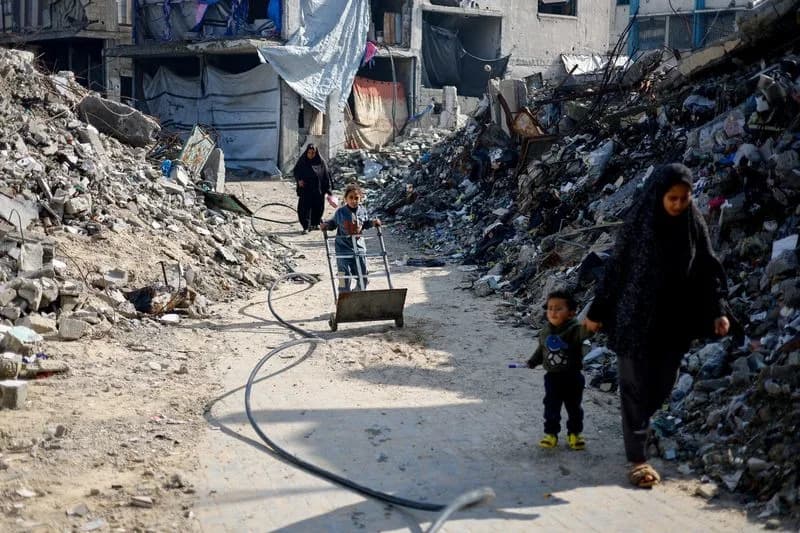
FILE PHOTO: Palestinians walk past the rubble of residential buildings destroyed during the war, in Jabalia, northern Gaza Strip, January 6, 2026. REUTERS/Mahmoud Issa/File Photo
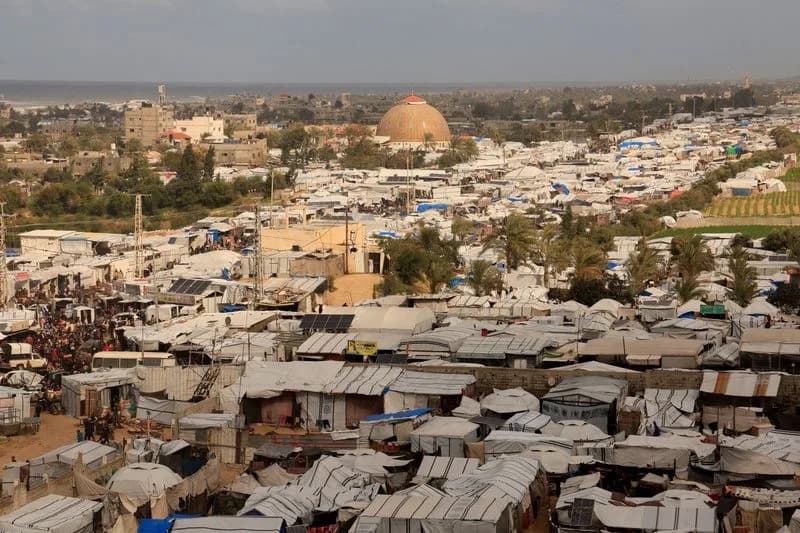
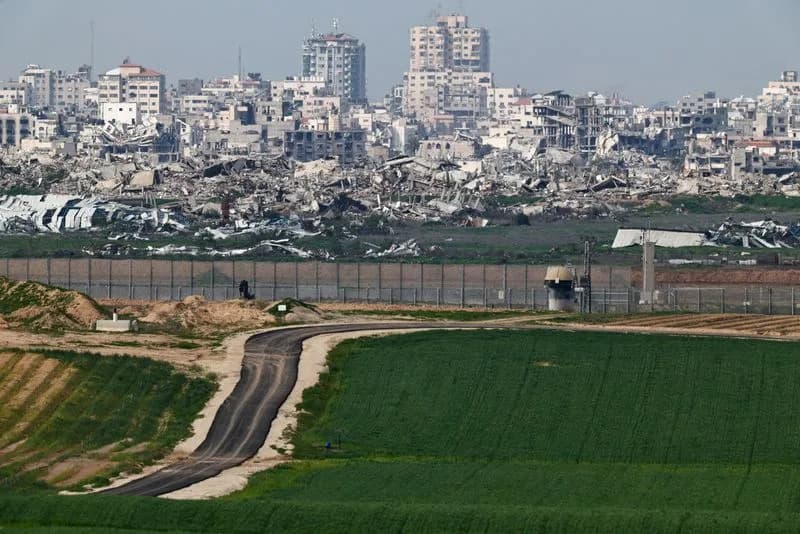
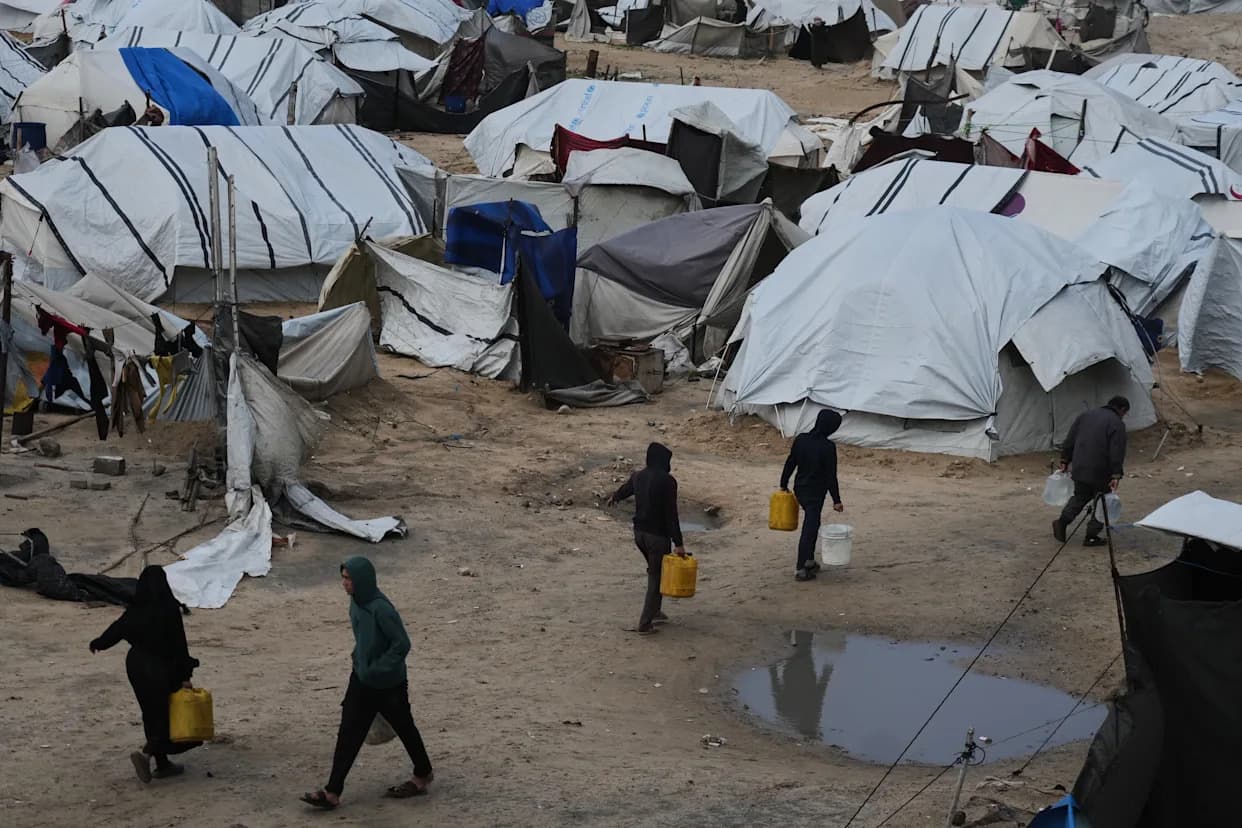
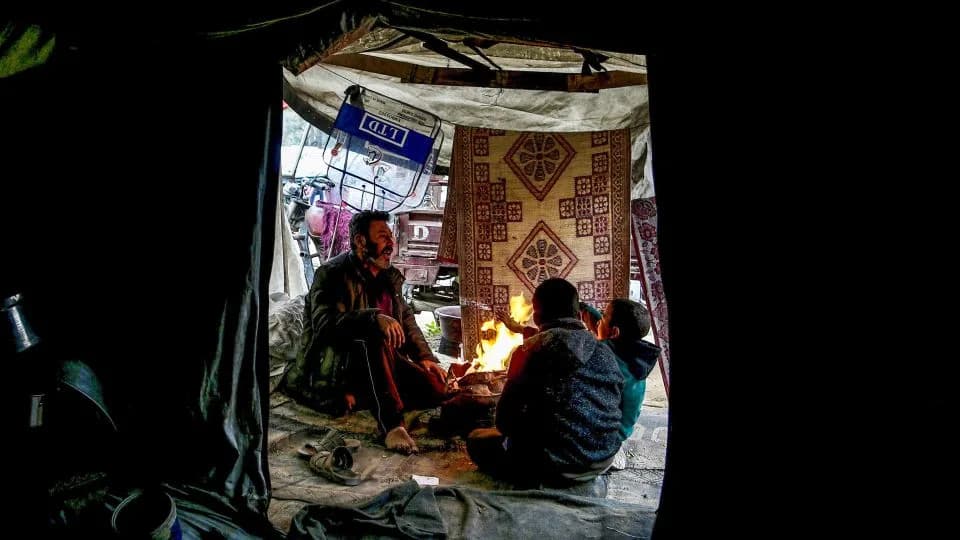
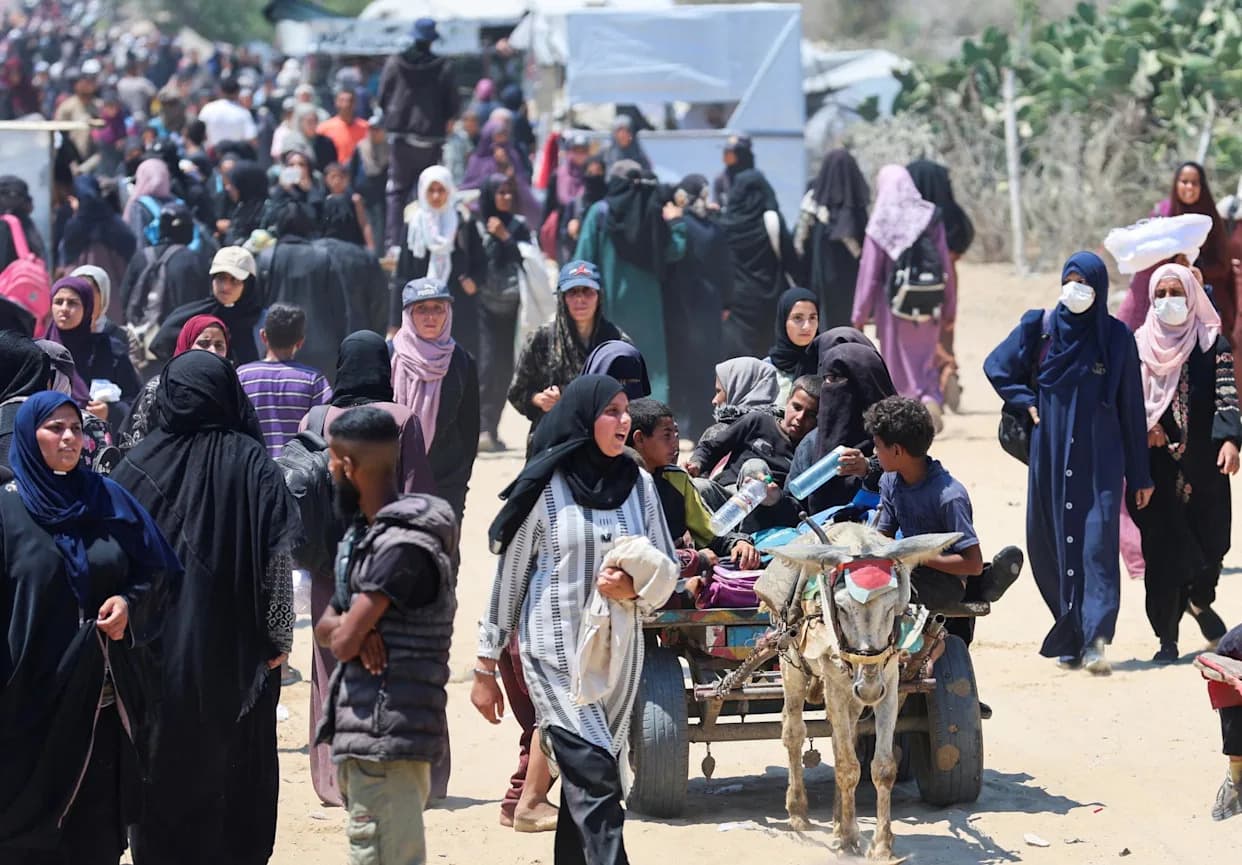
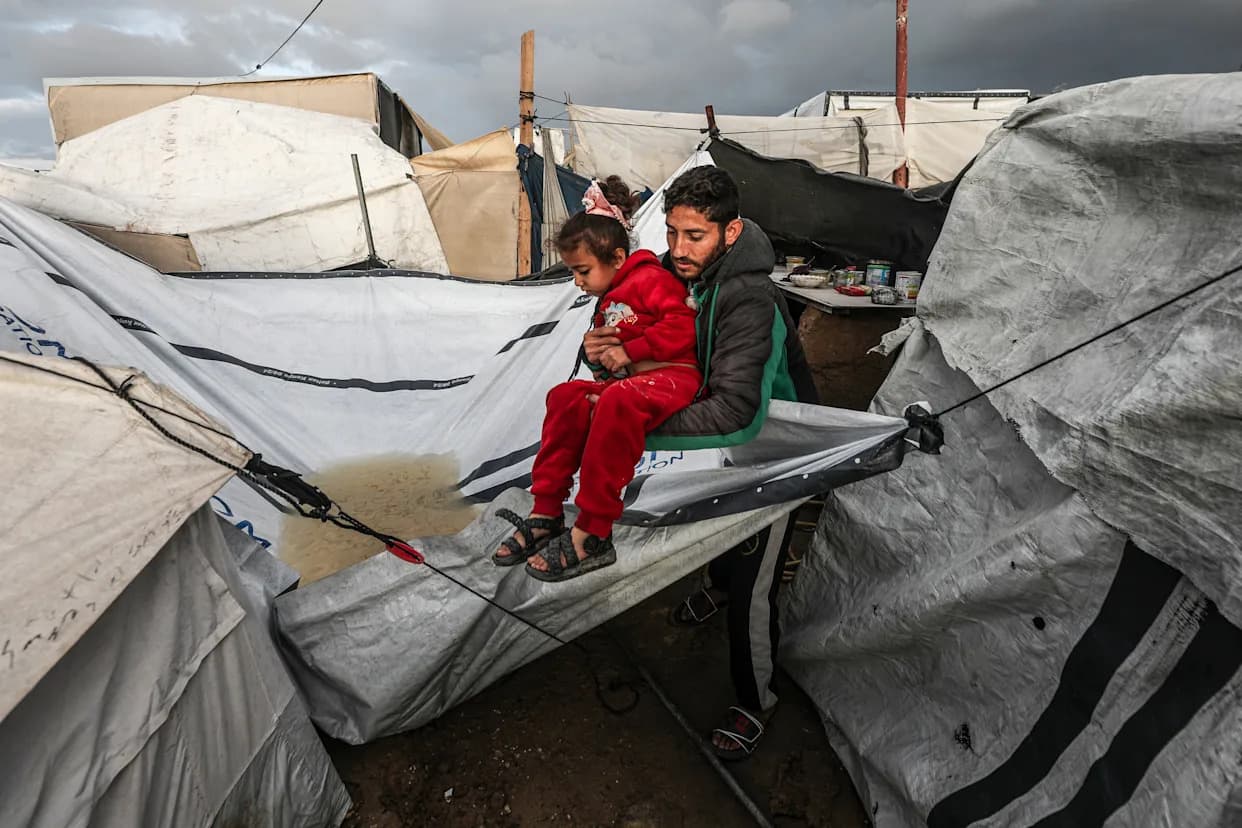
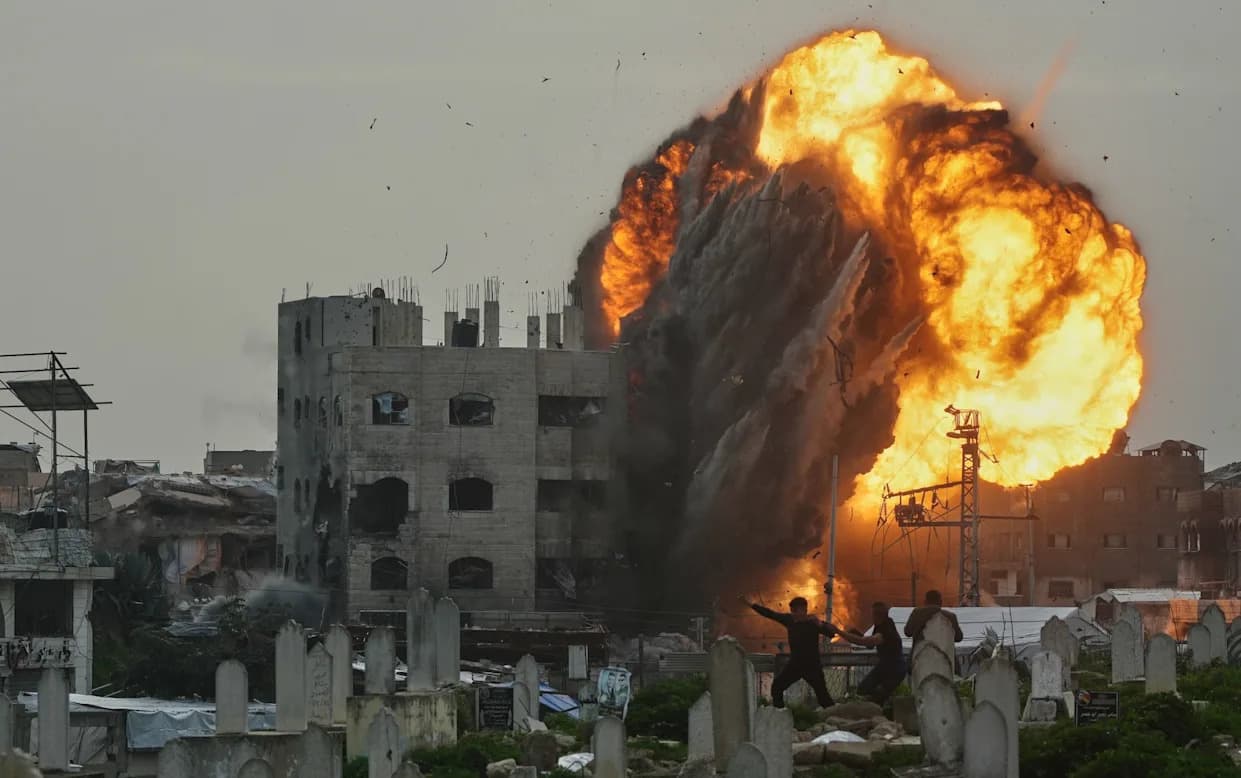
U.S. Agency for International Development (USAID) staffers drafted a blunt early‑2024 warning that northern Gaza had become an "Apocalyptic Wasteland," describing extreme shortages of food, medicine and safe water and recounting grisly scenes reported by United Nations teams during January and February fact‑finding visits.
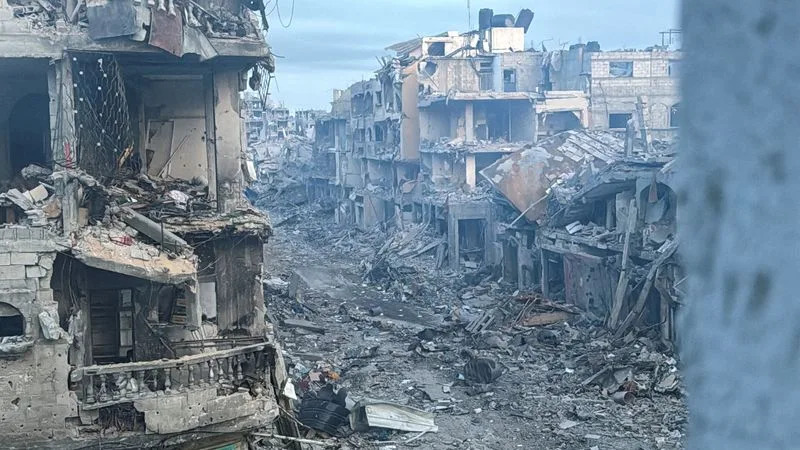
FILE PHOTO: Palestinian houses stand badly damaged during the ongoing Israeli military operation, amid Israel-Hamas conflict, in Beit Lahiya, in the northern Gaza Strip, December 18, 2024. REUTERS/Stringer/File Photo
What the Cable Said
The internal February cable, drafted roughly three months after the Oct. 7, 2023 Hamas attacks and Israel’s ground operations in Gaza, relayed vivid observations from UN personnel who reported finding a human femur and other bones on roads, bodies abandoned in cars, and "catastrophic human needs, particularly for food and safe drinking water." The cable was one of five USAID dispatches in early 2024 documenting a rapid deterioration of health, sanitation and social order across parts of the Gaza Strip.
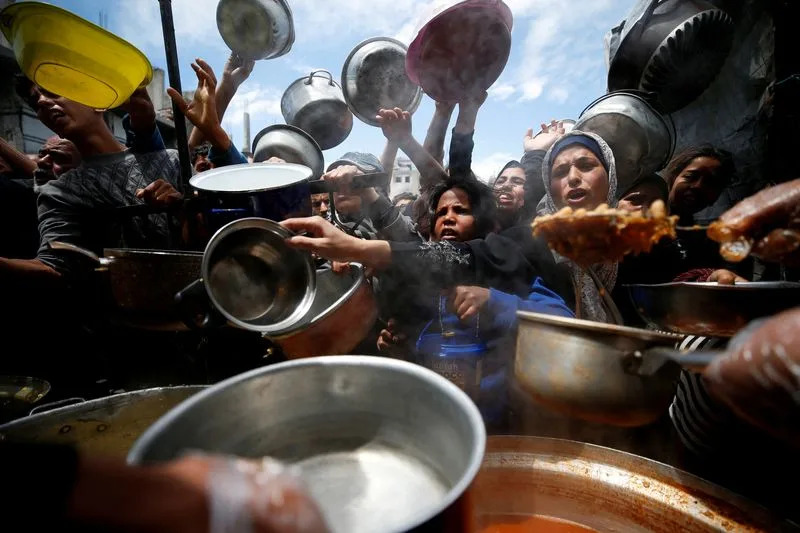
FILE PHOTO: Palestinians wait to receive food cooked by a charity kitchen, in Beit Lahiya, northern Gaza Strip, April 28, 2025. REUTERS/Mahmoud Issa/File Photo
Why the Cable Was Blocked
According to interviews with four former U.S. officials and documents reviewed by Reuters, the U.S. ambassador to Jerusalem, Jack Lew, and his deputy, Stephanie Hallett, prevented the cable from wider distribution within the U.S. government, saying it lacked necessary balance. They and other embassy officials characterized some USAID reporting as closely aligned with widely reported media accounts and — in some cases — too sensitive to circulate amid delicate ceasefire and hostage negotiations.
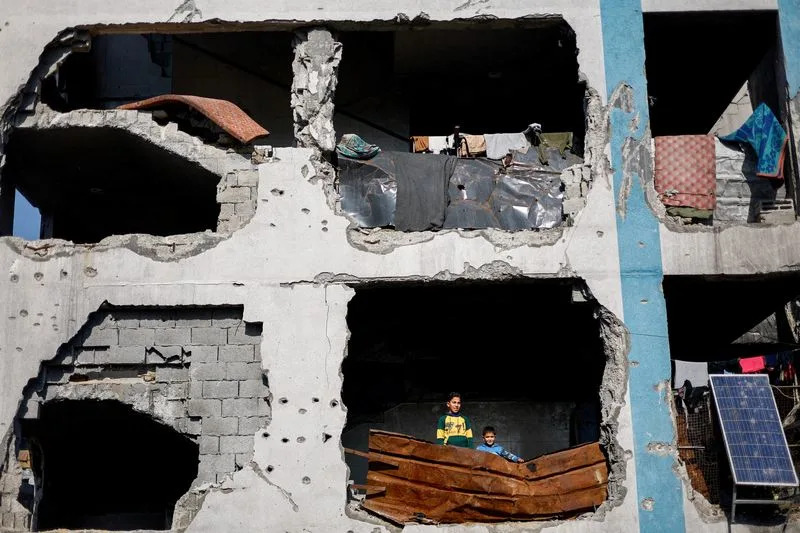
FILE PHOTO: Palestinians look out from a building destroyed during the war, in Jabalia, northern Gaza Strip, January 6, 2026. REUTERS/Mahmoud Issa/File Photo
"While cables weren't the only means of providing humanitarian information ... they would have represented an acknowledgement by the ambassador of the reality of the situation in Gaza," said Andrew Hall, a USAID crisis operations specialist at the time.
Sources, Verification, And Internal Debate
USAID’s reporting relied heavily on U.N. agencies — including UNRWA, the U.N. Mine Action Service and OCHA — and on international aid organizations because USAID has had no staff inside Gaza since 2019. That dependence on third parties contributed to skepticism among some Biden administration officials, who pressed USAID to verify findings and to explain divergences with Israel’s assessments.
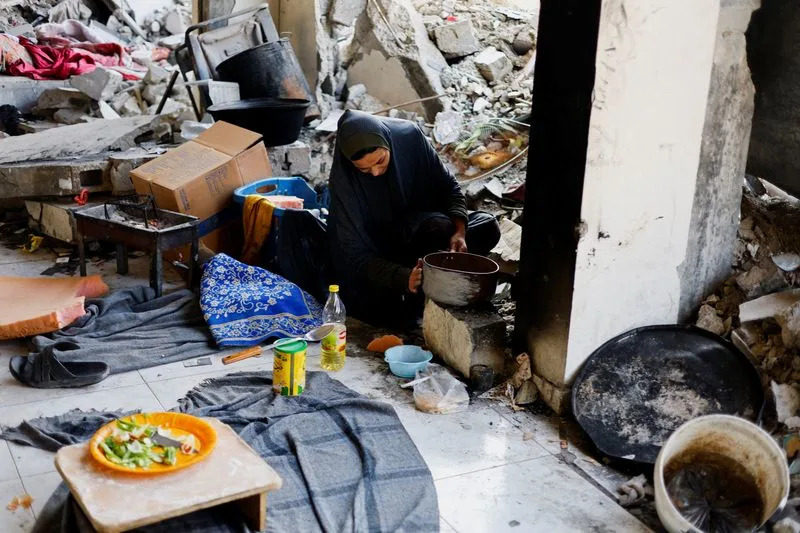
FILE PHOTO: A Palestinian woman cooks, with the rubble of residential buildings destroyed during the war visible in the background, in Jabalia, northern Gaza Strip, January 6, 2026. REUTERS/Mahmoud Issa/File Photo
Some former officials described the USAID language as unusually graphic and said broader circulation would likely have drawn senior U.S. leaders’ attention and intensified scrutiny of a National Security Memorandum issued by President Joe Biden that conditioned U.S. intelligence and weapons support on Israel’s compliance with international law.
Wider Context And Political Implications
White House and National Security Council reporting had already signaled a worsening humanitarian situation in northern Gaza, and aid groups were warning of famine risks as the cables were drafted. President Biden publicly described Israel’s response as "over the top" and said in February 2024 that many innocent people were starving and dying.
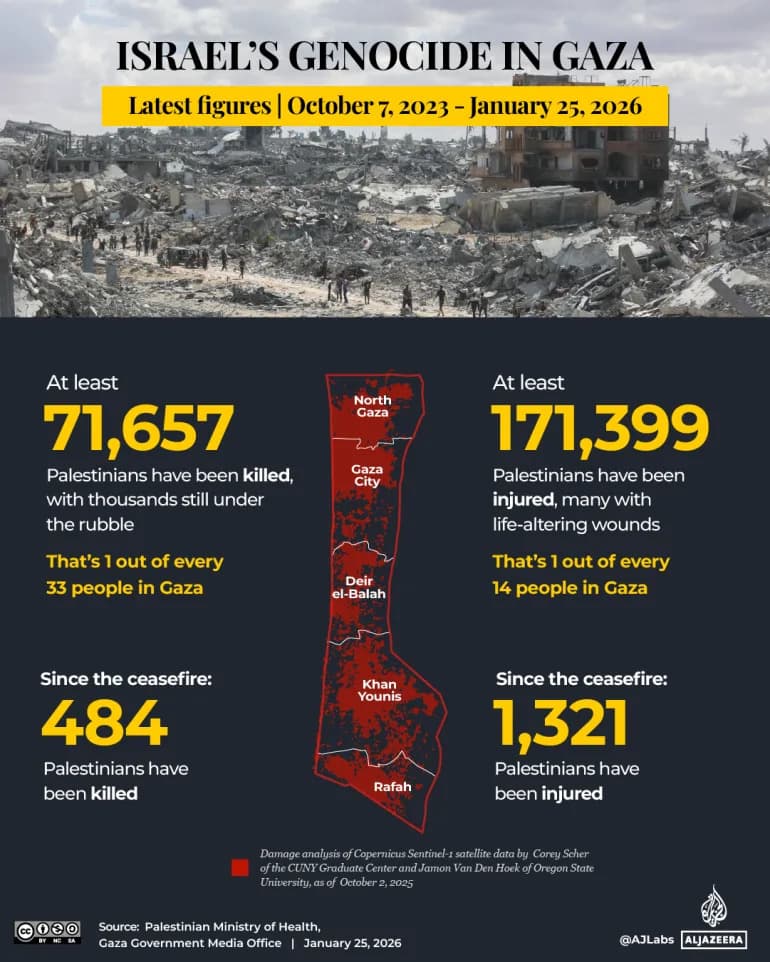
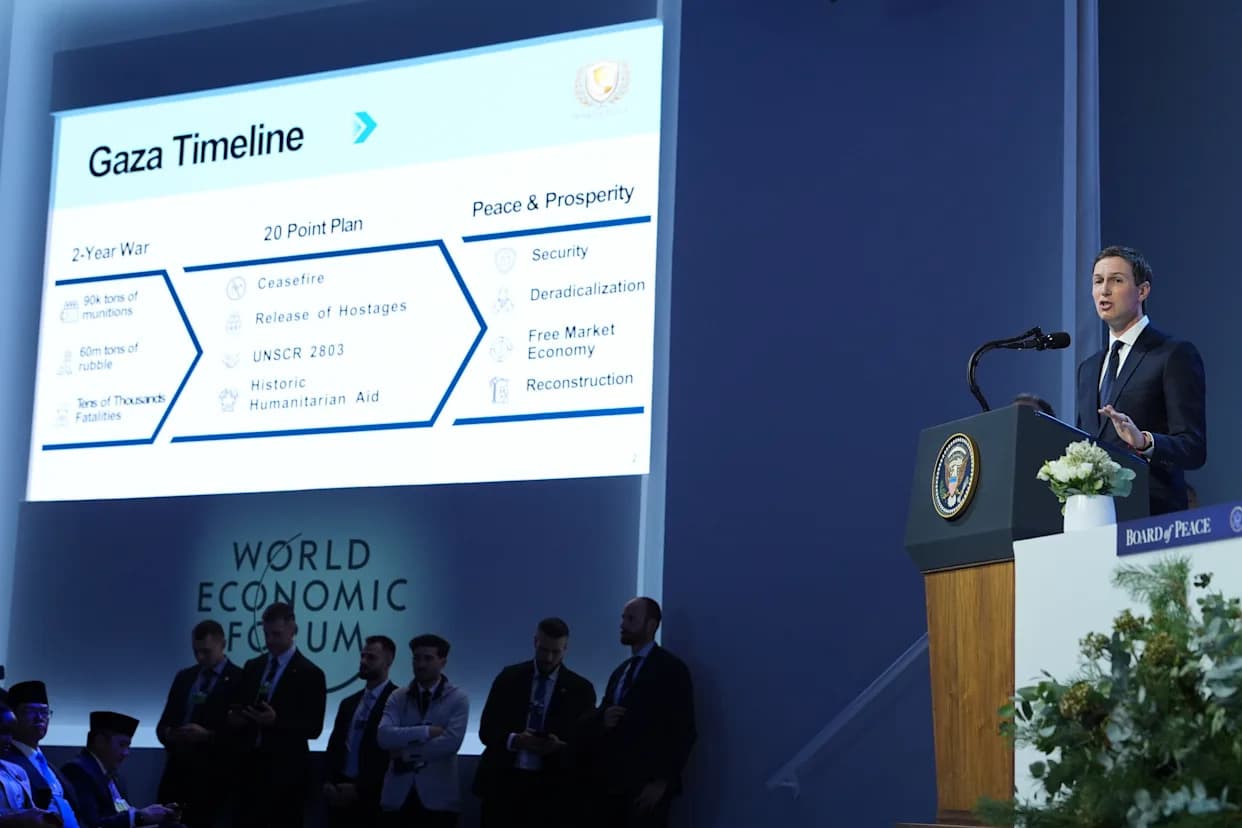
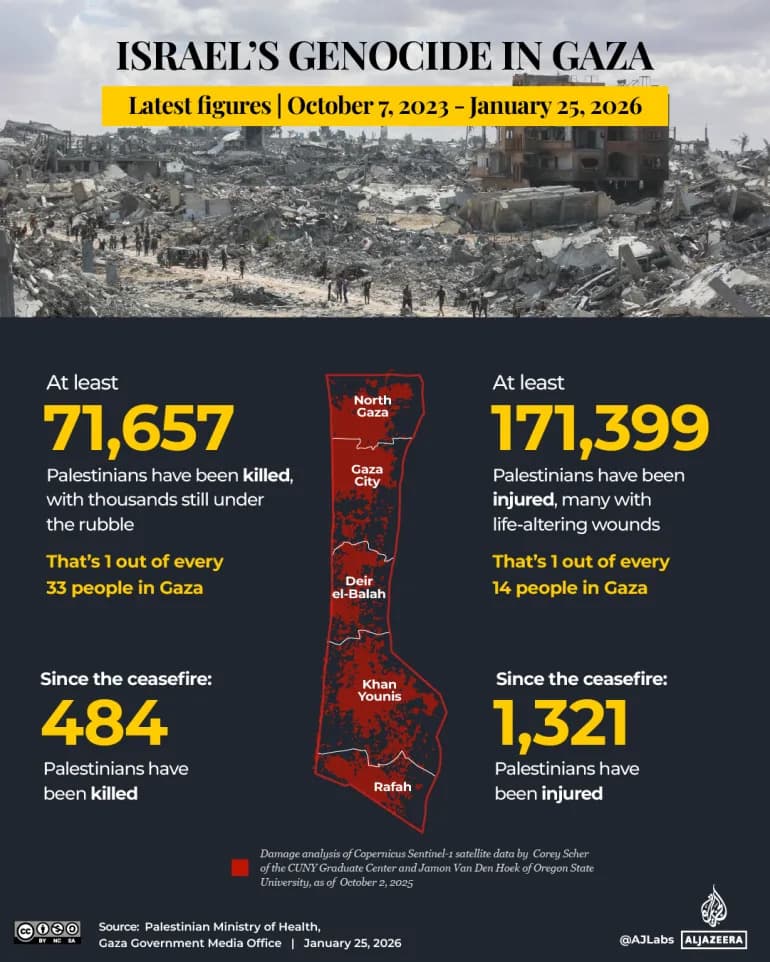
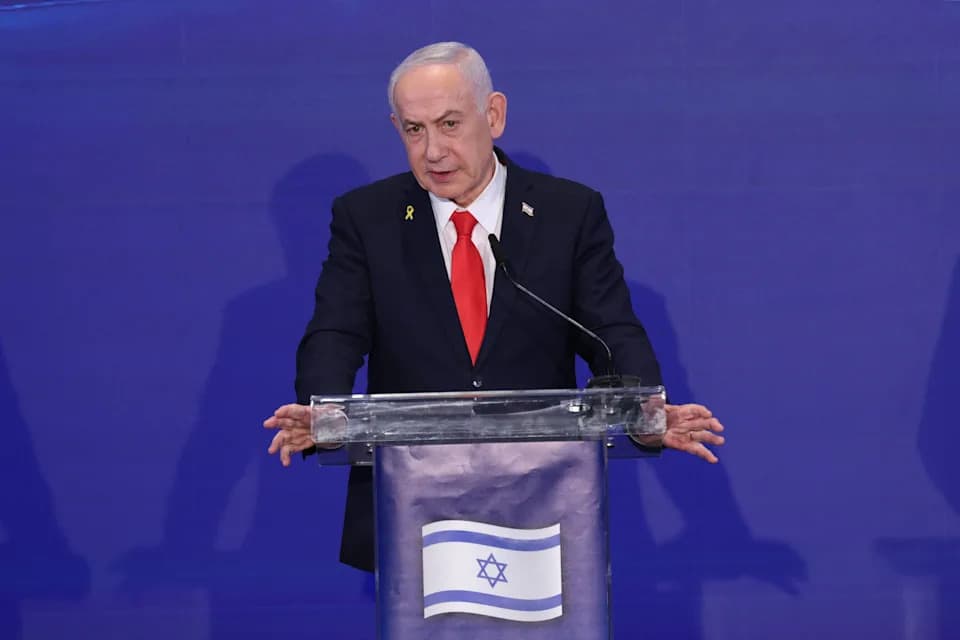
The Gaza war began with the Oct. 7, 2023 Hamas attacks, which killed more than 1,250 people, and Palestinian Health Ministry figures cited in reporting place the Gaza death toll at over 71,000. Earlier diplomatic moves — including a Gaza plan unveiled last September by former President Donald Trump alongside Israeli Prime Minister Benjamin Netanyahu — did not halt the fighting described in these reports. The conflict and the U.S. government’s handling of humanitarian reporting have created deep divisions within the Democratic Party and broader U.S. politics.
What Reuters Found
Reuters reviewed one of the USAID cables directly and spoke with multiple former U.S. officials who described the other suppressed dispatches. Lew and Hallett did not respond to Reuters’ requests for comment, and some senior U.S. officials contacted did not answer questions about why the cables were not elevated within the administration.
Reporting Note: This article is based on Reuters reporting and interviews with former U.S. officials, and on documents reviewed by Reuters.
Help us improve.