A new documentary and recent revelations have intensified scrutiny of UNRWA after Israel demolished parts of its headquarters and accused some staff of involvement in the Oct. 7, 2023 attacks. UNRWA says it has dismissed implicated employees and condemns the demolitions as illegal, while Israel maintains the action complied with domestic law. Critics in the film cite local pressure in Gaza, a largely local workforce and weak oversight as drivers of the problems; rising U.N. abstentions and donor unease now pose a financial threat to the agency’s future.
New Documentary and Evidence After Oct. 7 Heighten Scrutiny of UNRWA; Israel Demolishes Parts Of Headquarters
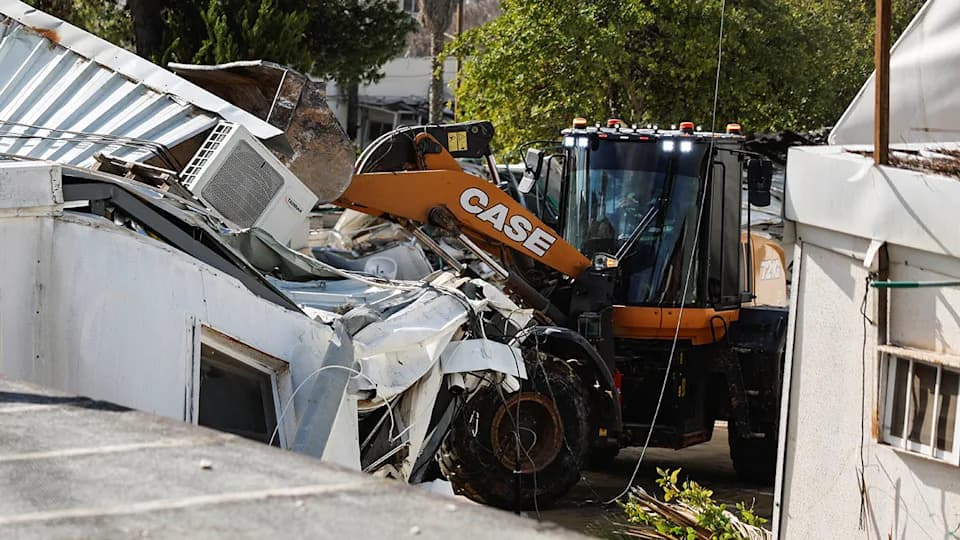
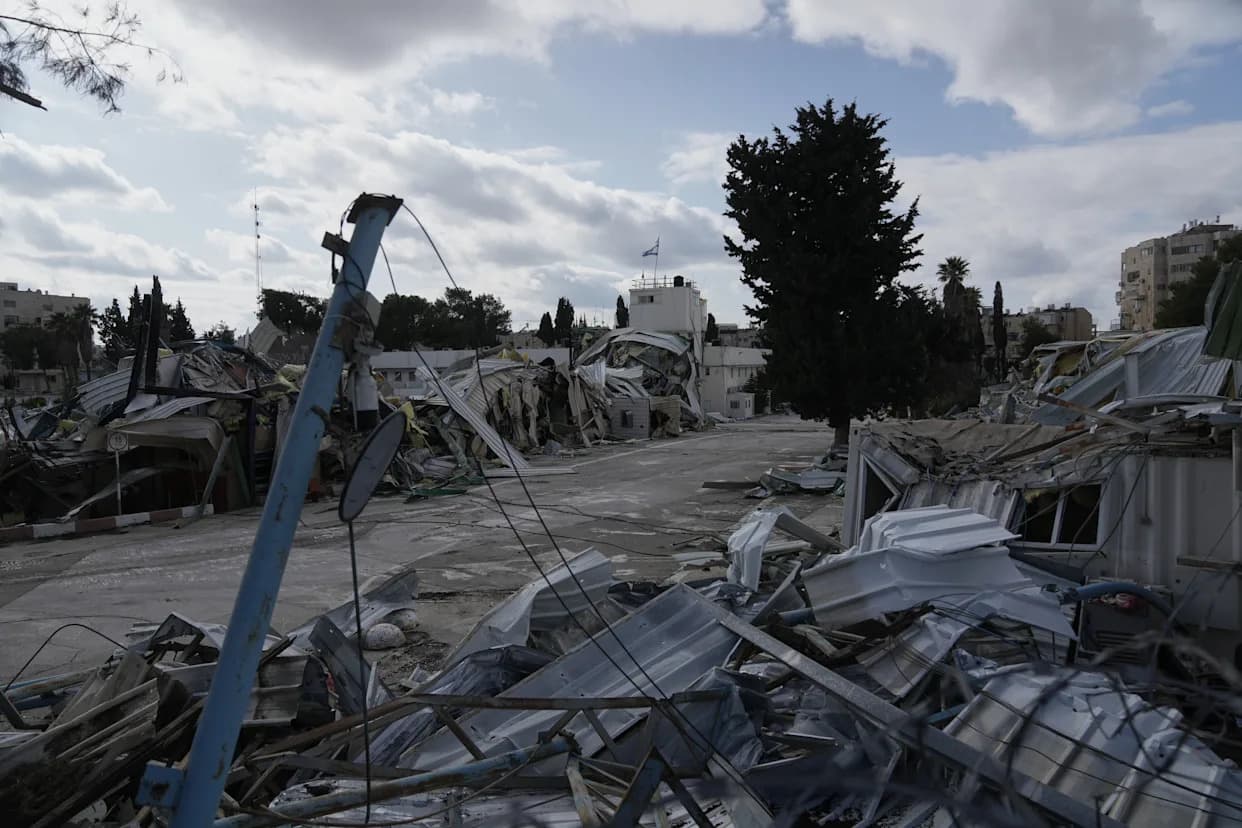
Heavy machinery operates as Israeli forces dismantle the Jerusalem headquarters of the United Nations Relief and Works Agency for Palestine Refugees (UNRWA), in East Jerusalem, Jan. 20, 2026.(Reuters)
Israeli bulldozers demolished sections of UNRWA's headquarters this week after Israel enacted legislation last year prohibiting the U.N. agency from operating on Israeli territory. UNRWA Commissioner‑General Philippe Lazzarini condemned the action as a breach of international law; Israeli officials said the compound was not in active use and that the razing complied with Israeli domestic law.
Documentary Renewing Scrutiny
The new documentary UNraveling UNRWA examines the agency from its 1949 founding to the present, arguing UNRWA has developed problematic ties to local political actors and failed to prevent extremist or antisemitic messaging in some schools. The film features interviews with refugees, former UNRWA officials and commentators from both Arab and Israeli perspectives.
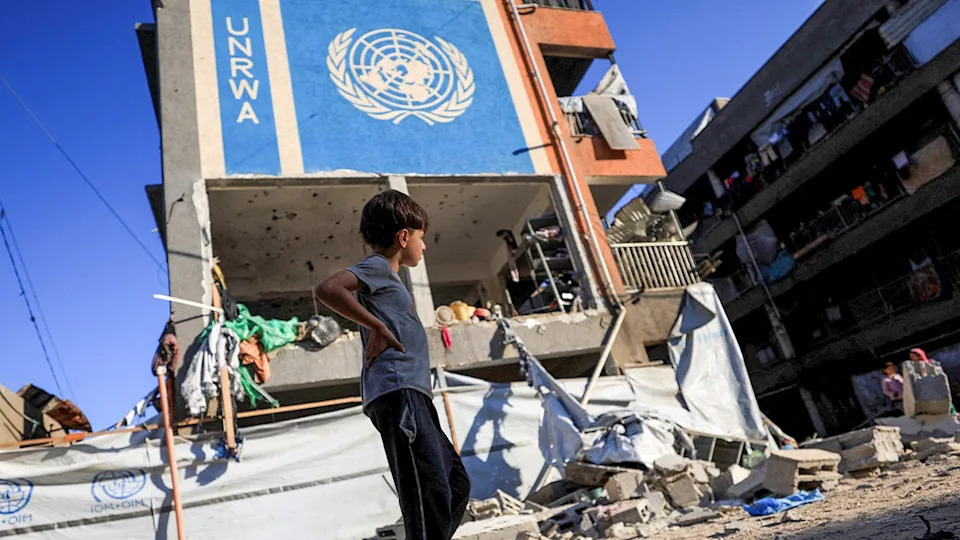
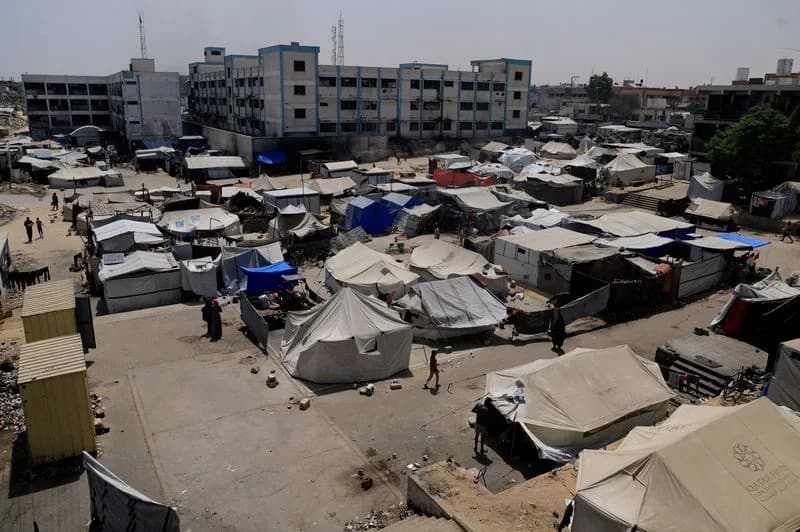
A Palestinian boy walks near an UNRWA school sheltering displaced people that was hit in an an overnight Israeli strike, in Gaza City, July 5, 2025.
Allegations, Investigations and Context
The developments follow months of controversy after Israeli authorities released video they say show some UNRWA employees participating in the Oct. 7, 2023 Hamas‑led attacks. Those allegations remain under investigation; UNRWA says it has dismissed multiple staff members in response to the claims. Israeli forces have also reported finding weapons, tunnel shafts and other Hamas infrastructure in some UNRWA facilities, including schools.
"The main problem in oversight has to do, I’m pretty sure, likely at the ground level where the local authorities... the people who work for UNRWA are subject, yes, to UNRWA, but they are even more importantly subject to the local authorities," said James Lindsay, former UNRWA legal adviser, in an interview featured in the film.
Operational Challenges Cited
Former UNRWA officials interviewed in the film describe structural and operational weaknesses: a predominantly local workforce in Gaza (estimated at roughly 12,000–13,000 staff, with only a few dozen internationals), intense pressure from local authorities, and a culture some describe as sympathetic to particular political currents. Those conditions, critics say, can weaken oversight and allow coercion, manipulation of aid distribution records, or the introduction of biased educational material.
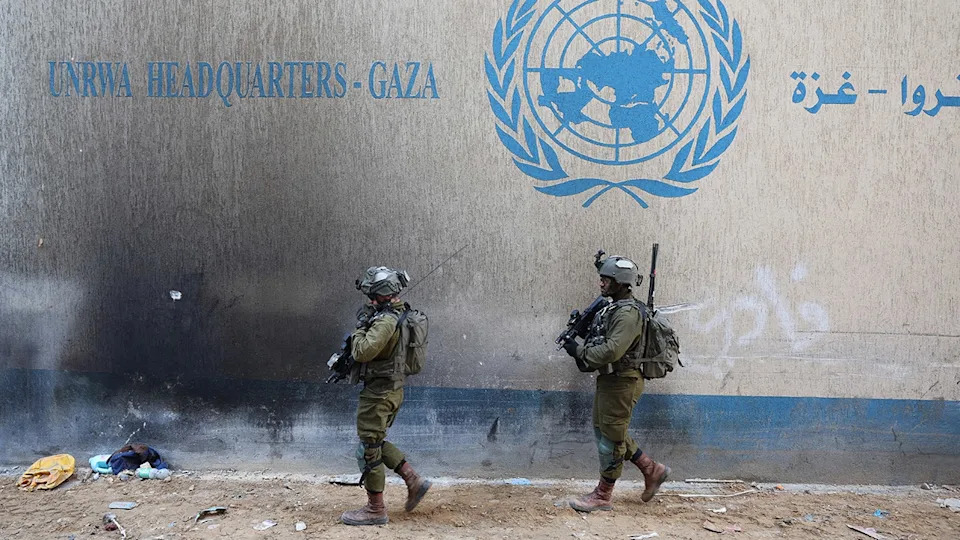
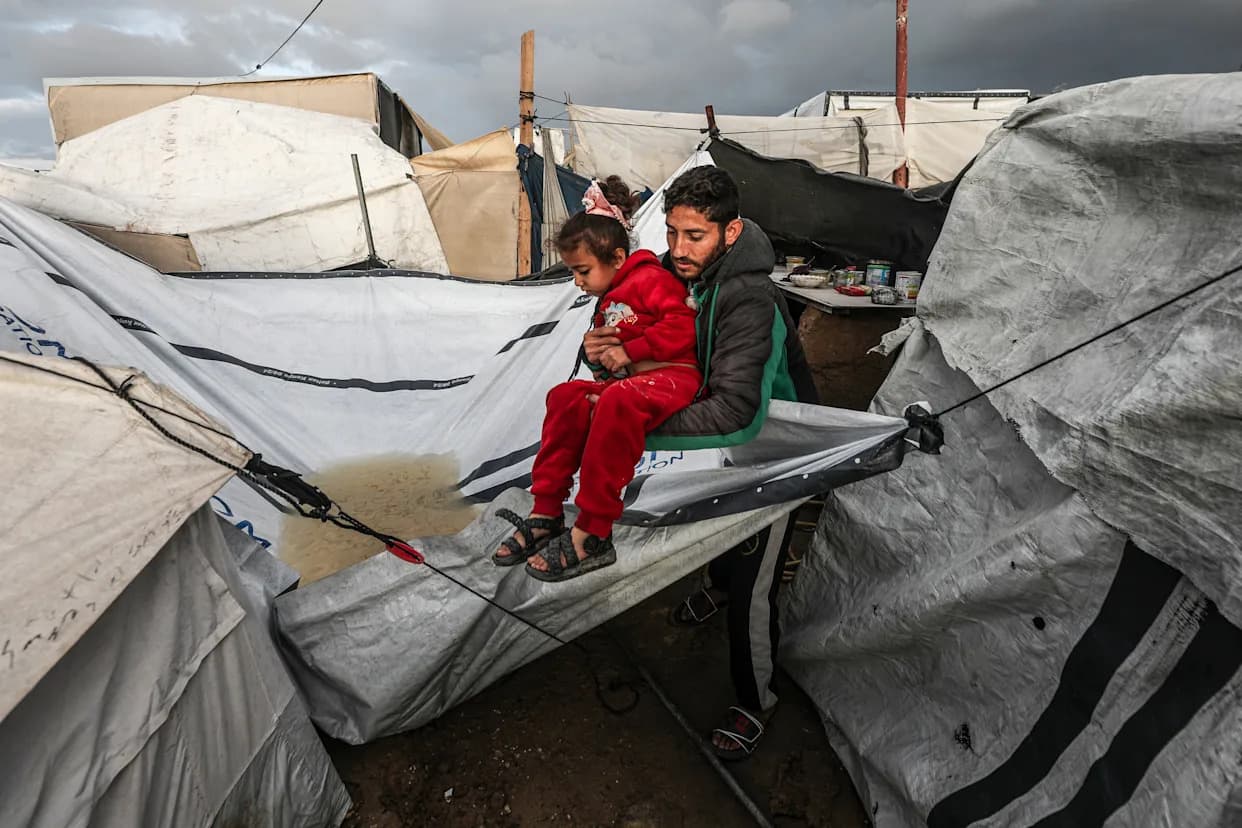
This picture taken during a media tour organised by the Israeli army on February 8, 2024, shows Israeli soldiers inside an evacuated compound of the United Nations Relief and Works Agency for Palestine Refugees (UNRWA) in Gaza City.
Politics, Funding And The U.N.
The U.N. General Assembly recently renewed UNRWA's mandate through 2029 despite rising opposition and more abstentions from Western states — a shift from one vote against and 10 abstentions in 2022 to 10 votes against and 18 abstentions most recently. At the same time, donor countries (mostly Western governments) provide the voluntary funding that sustains UNRWA, and growing donor unease could threaten the agency's finances and operations.
Reports have also said the U.S. administration under former President Trump considered designating UNRWA as a foreign terrorist organization; UNRWA representatives have reportedly lobbied U.S. congressional staff to oppose such a designation. Senior politicians, including Sen. Marco Rubio, have criticized UNRWA publicly, arguing the agency has become too close to local militant actors.
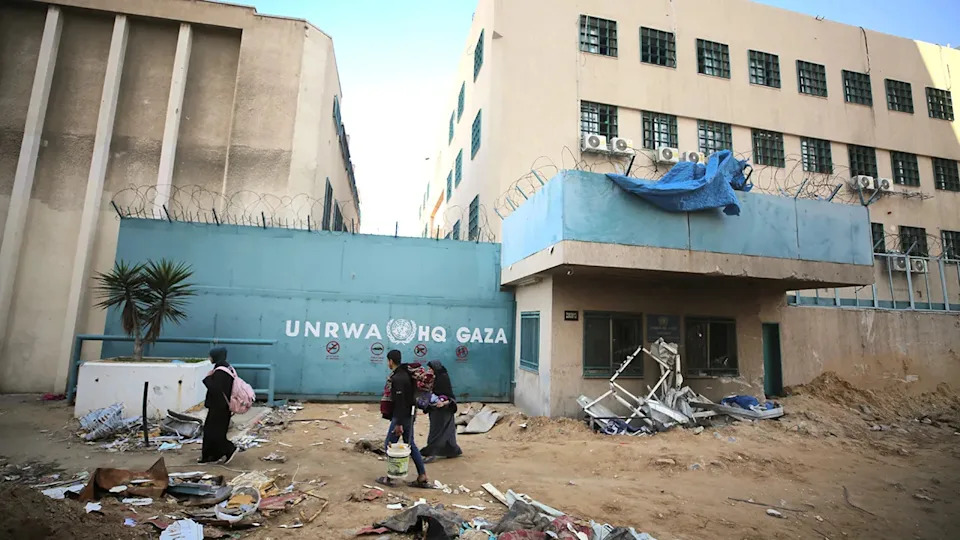
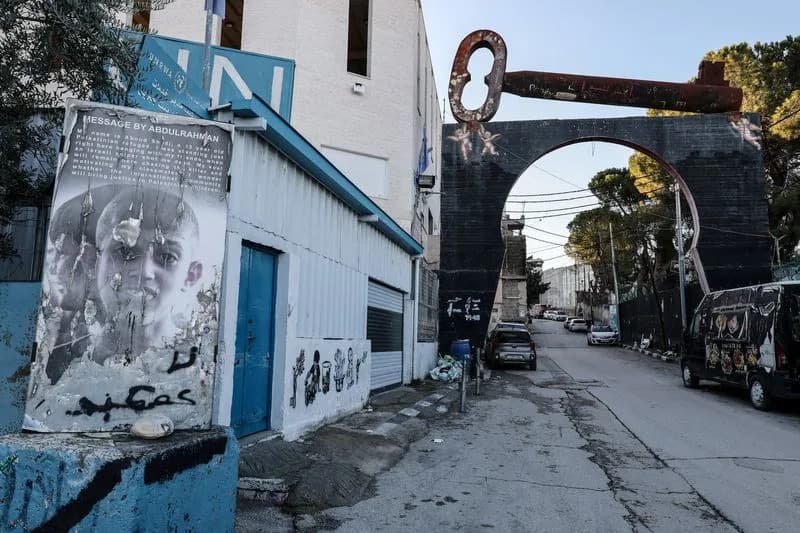
UNRWA's headquarters in Gaza City, Gaza on Feb. 21, 2024.
Education And Messaging
The documentary includes classroom footage that critics say shows messaging encouraging the idea of a Palestinian "right of return" and portraying Jews in dehumanizing terms. UNRWA and independent observers dispute some interpretations of classroom scenes, while acknowledging the need for robust safeguards on curricula and teacher conduct. UNRWA has said it dismisses staff implicated in wrongdoing and is cooperating with investigations.
What's Next
UNRWA faces legal, political and financial pressure: ongoing investigations into alleged staff involvement in violence, the demolition of parts of its compound in Israel, continued scrutiny of educational content, and rising doubts among major donors. Supporters argue the agency remains essential for delivering humanitarian aid to millions of Palestinian refugees; critics say systemic reforms — or alternatives — are needed to ensure aid is not abused or politicized.
Help us improve.