Hidden Figures brought overdue attention to Katherine Johnson, Dorothy Vaughan and Mary Jackson—Black mathematicians and engineers whose work was essential to early U.S. crewed spaceflight and the Apollo lunar missions. The film accurately depicts many of their achievements and the discrimination they faced, while compressing timelines and using fictional characters for dramatic clarity. Today their honors and memorials recognize both their technical contributions and their role in expanding opportunities for women and people of color in STEM.
Hidden Figures: How Three Black Women Mathematicians Helped Win the Space Race
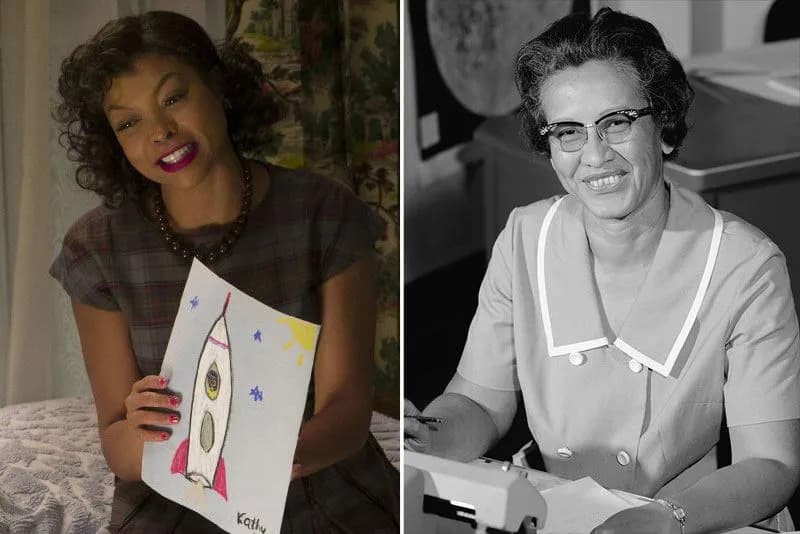
Hopper Stone/Twentieth Century Fox ; NASA/Donaldson Collection/GettyTaraji P. Henson in Hidden Figures (2016) ; NASA space scientist, and mathematician Katherine Johnson at NASA Langley Research Center in 1966 in Hampton, Virginia.
Hidden Figures became a cultural milestone by bringing long-overlooked stories of Black women at NASA into the spotlight. The film dramatizes the careers and struggles of mathematicians Creola Katherine Johnson, Dorothy Vaughan and Mary Jackson—whose calculations, leadership and advocacy were integral to U.S. space achievements from early satellite launches through the Apollo lunar missions.
Katherine Johnson: The "Human Computer"
Creola Katherine Johnson worked at NACA/NASA from 1953 until 1986. A prodigious mathematician—she entered high school at 10 and graduated college summa cum laude at 18—Johnson performed trajectory analyses for early crewed flights, including Freedom 7 (1961), and personally checked the IBM 7090 computer calculations for John Glenn's Friendship 7 orbital mission in 1962. Glenn's reported trust in her verification—"If she says they're good, then I’m ready to go"—underscores her reputation for precision. Johnson later contributed to Apollo mission planning and contingency procedures (notably for Apollo 13) and is credited with work that supported the lunar landings and early Space Shuttle planning.
Dorothy Vaughan: Leader and Early Programmer
Dorothy Jean Vaughan led Langley’s segregated West Area Computing unit from 1949 to 1958, becoming the first Black woman promoted to a managerial role in that organization. She advocated for her team's recognition and trained many colleagues. As NASA integrated and transitioned to electronic computing, Vaughan taught herself FORTRAN and became an expert on the IBM mainframes, contributing to programs such as the SCOUT launch vehicle work that helped the United States place early satellites into orbit.
Mary Jackson: Engineer, Researcher and Advocate
Mary Winston Jackson became NASA’s first Black female engineer in 1958 after petitioning to take graduate-level courses at the University of Virginia. As an aerospace engineer she co-authored numerous technical reports, analyzed wind-tunnel data, and studied airflow, thrust and drag to improve aircraft and spacecraft designs. Jackson later moved into management and advocacy—serving as a federal women’s program manager and affirmative action program manager—focusing on hiring and promoting engineers and scientists from diverse backgrounds.
Fact vs. Fiction: What the Film Gets Right
Hidden Figures blends historically accurate events with some dramatic inventions. The movie accurately portrays many of the women's professional achievements and the discrimination they faced—such as Johnson insisting on attending briefings after being told no law barred her attendance. However, the film compresses timelines (Jackson’s promotion to engineer occurred in 1958, earlier than the movie’s 1961 setting), introduces composite characters (like Al Harrison and Paul Stafford), and likely fictionalizes everyday moments—such as the three protagonists carpooling together. Katherine Johnson herself said the movie "was well-done" and praised the actresses' portrayals.
Legacy and Honors
The three women received growing recognition late in life and posthumously. Katherine Johnson was awarded the Presidential Medal of Freedom in 2015 and died in 2020 at age 101; she and her colleagues received congressional honors and other tributes, including statues and building dedications. Dorothy Vaughan and Mary Jackson also received posthumous congressional gold medals in 2019, and both have been memorialized with statues, school namings and NASA dedications. Their work not only advanced U.S. spaceflight but also opened doors for future generations of women and people of color in STEM.
Why it matters: The story of Johnson, Vaughan and Jackson highlights the technical skill and quiet leadership that made major space milestones possible, while exposing the social barriers they overcame. Their legacy continues to inspire students and professionals in science, technology, engineering and mathematics.
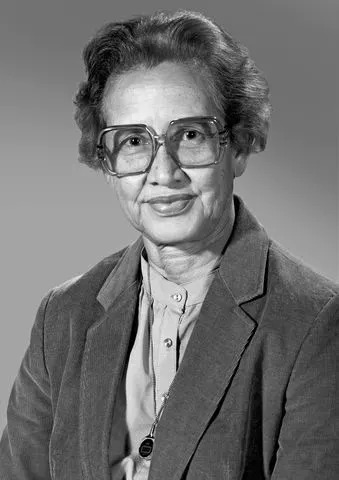
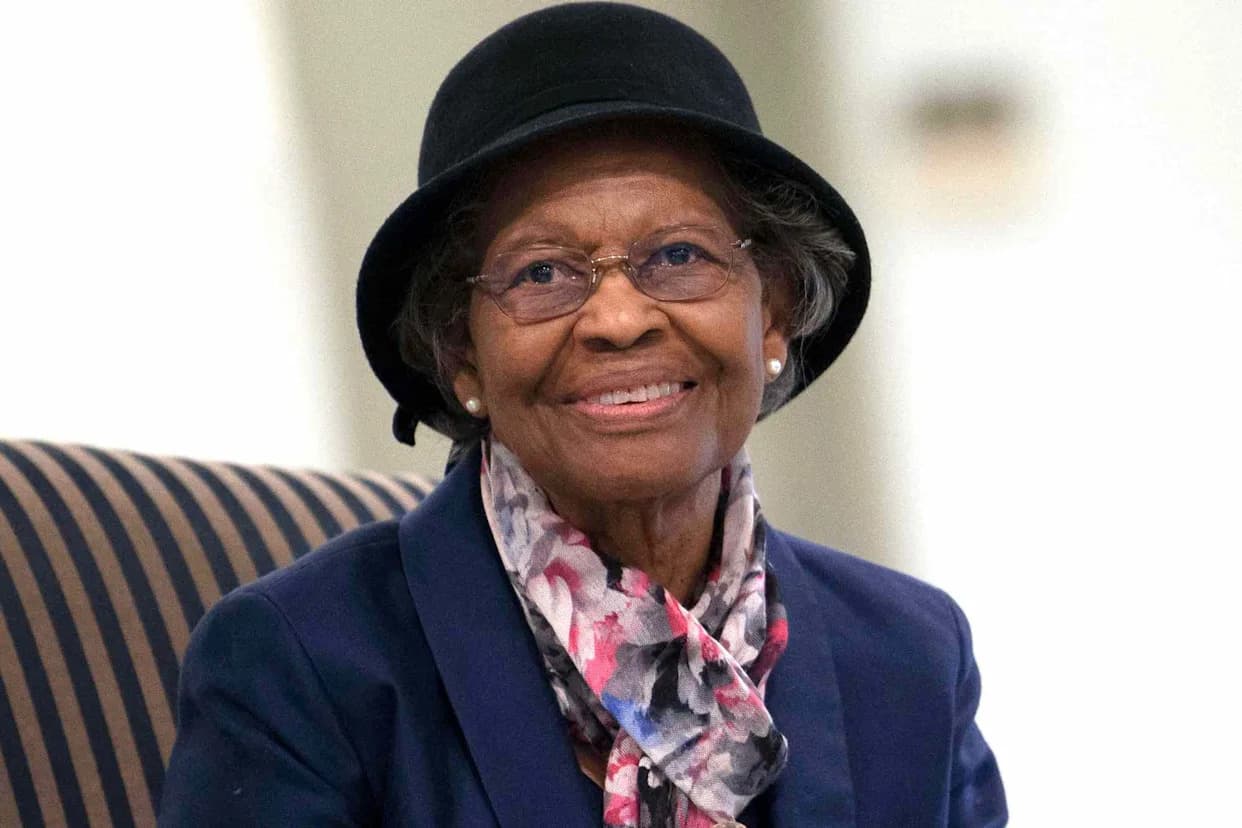
NASA/Donaldson Collection/GettyKatherine Johnson.
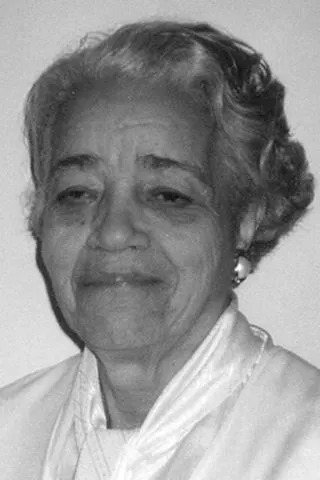
NASA via APDorothy J. Vaughan.
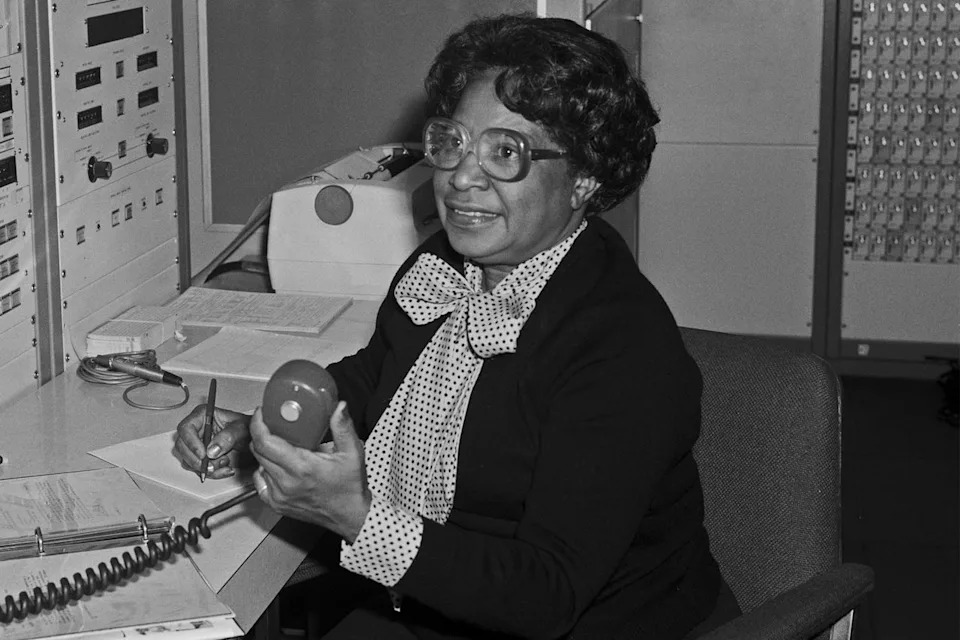
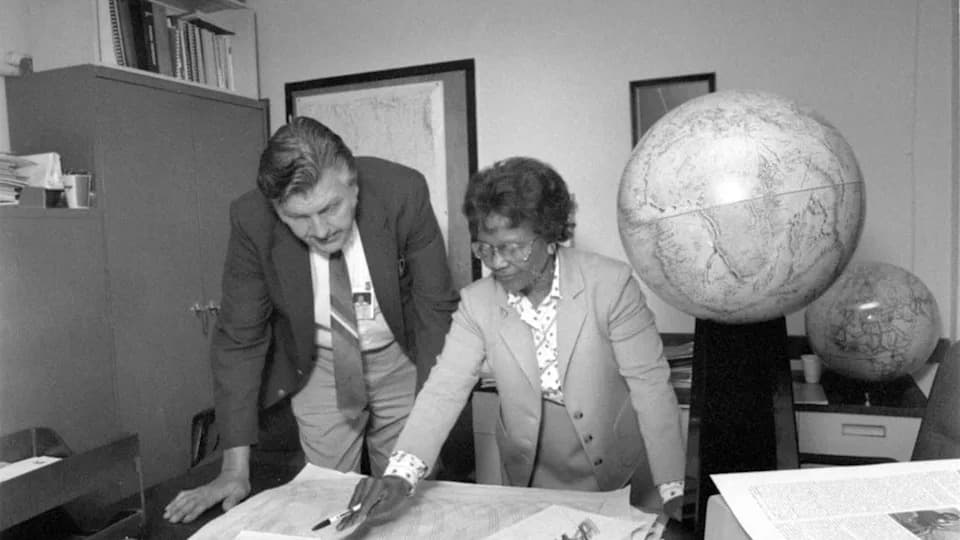
Bob Nye/NASA/Interim Archives/GettyMary Jackson working at NASA's Langley Research Center in 1980 in Hampton, Virginia.
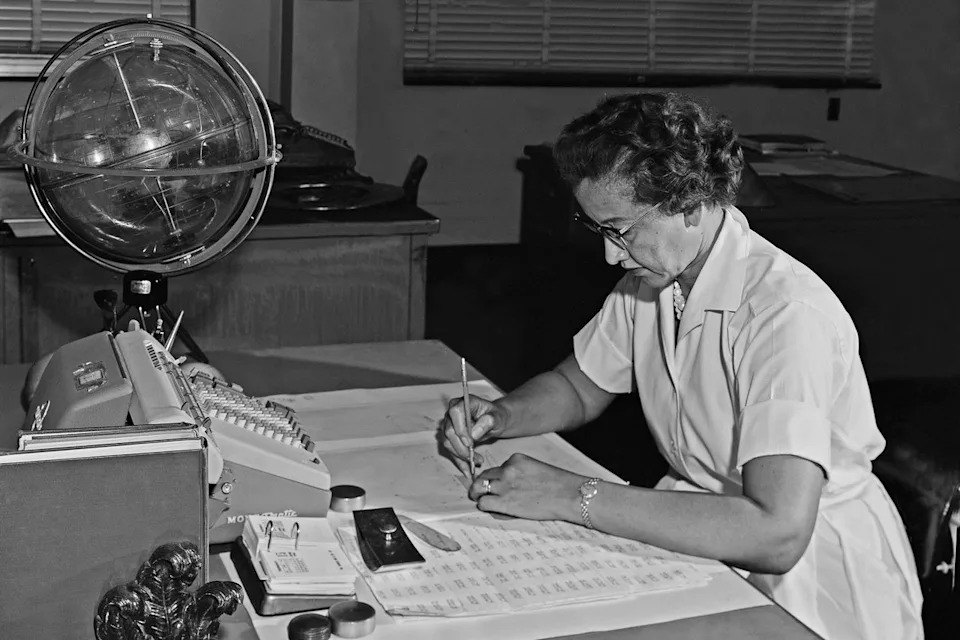
NASA/Donaldson Collection/GettyKatherine Johnson at NASA Langley Research Center in 1962 in Hampton, Virginia.
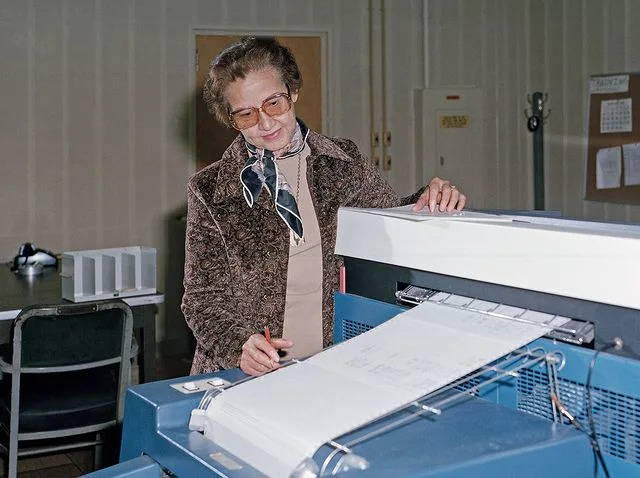
NASA/Donaldson Collection/GettyKatherine Johnson.
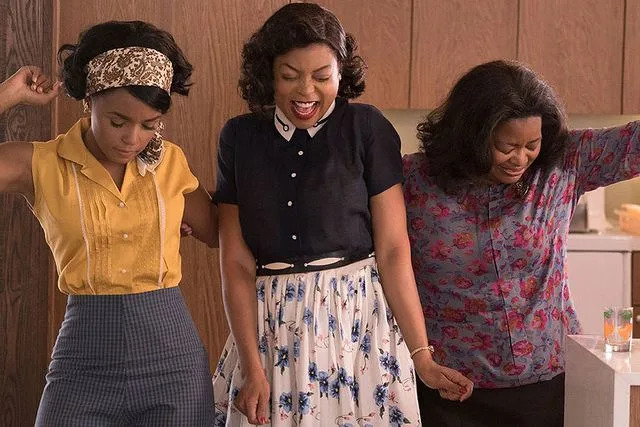
Hopper Stone/Twentieth Century FoxTaraji P. Henson, Octavia Spencer, Janelle Monáe in Hidden Figures.
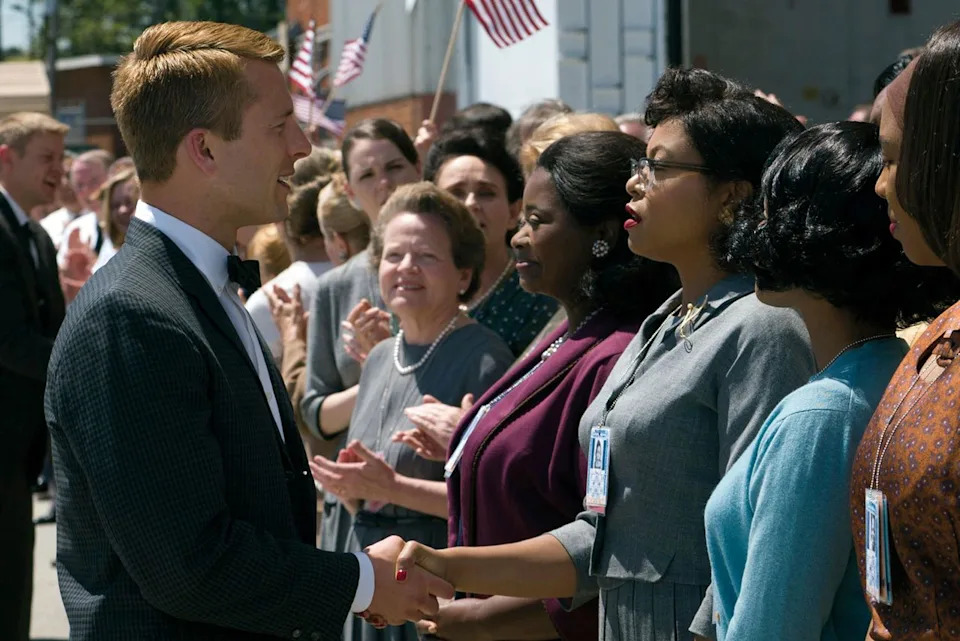
20th Century Fox - Levantine Films/AlamyGlen Powell, Octavia Spencer and Taraji P. Henson in Hidden Figures.
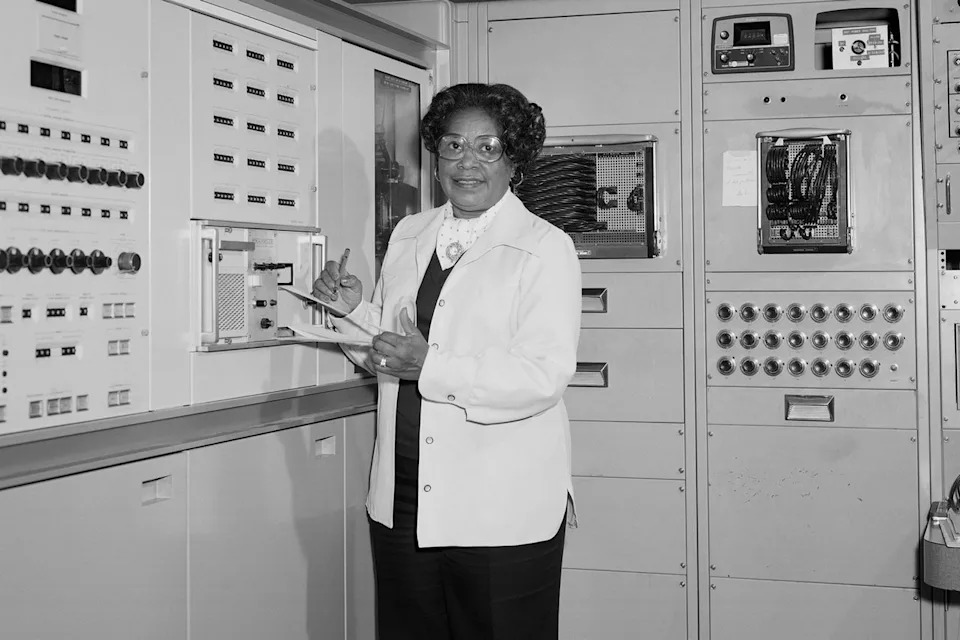
Bob Nye/NASA/Donaldson Collection/GettyMathmatician Mary Jackson at NASA Langley Research Center in 1977 in Hampton, Virginia.
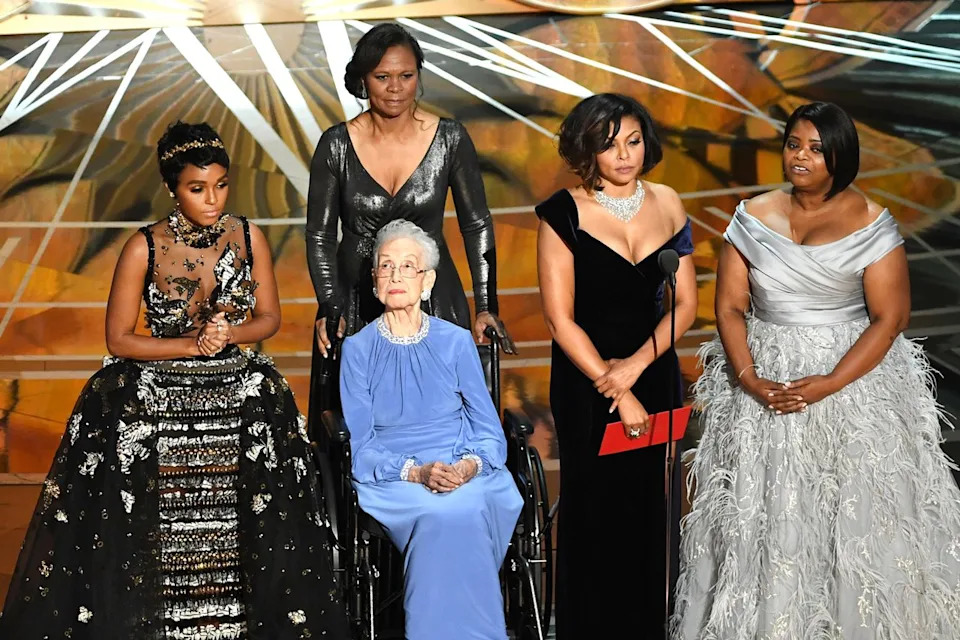
Kevin Winter/GettyNASA mathematician Katherine Johnson and actors Janelle Monae, Taraji P. Henson and Octavia Spencer during the 89th Annual Academy Awards on February 26, 2017 in Hollywood, California.
Help us improve.