The U.S. activated a $20 billion currency swap line for Argentina last October to steady the peso during pre‑election turmoil. Argentina repaid the $2.5 billion it drew, with interest and ahead of schedule, demonstrating the swap worked as a short‑term bridge rather than a bailout. Since President Milei took office in December 2023, inflation has fallen from a peak of 289% to 31.4%, Argentina posted its first budget surplus in 14 years, and S&P upgraded its credit rating — outcomes that underscore a broader U.S. strategy to rebuild influence in Latin America.
Argentina Repaid $2.5B to U.S. Swap Line — A Strategic Win for Washington in Latin America
When it became public last October that the United States would activate a $20 billion currency swap line for Argentina — intended to steady the peso as pre‑election turmoil threatened President Javier Milei’s reform agenda — critics from both the left and the isolationist right condemned the move.
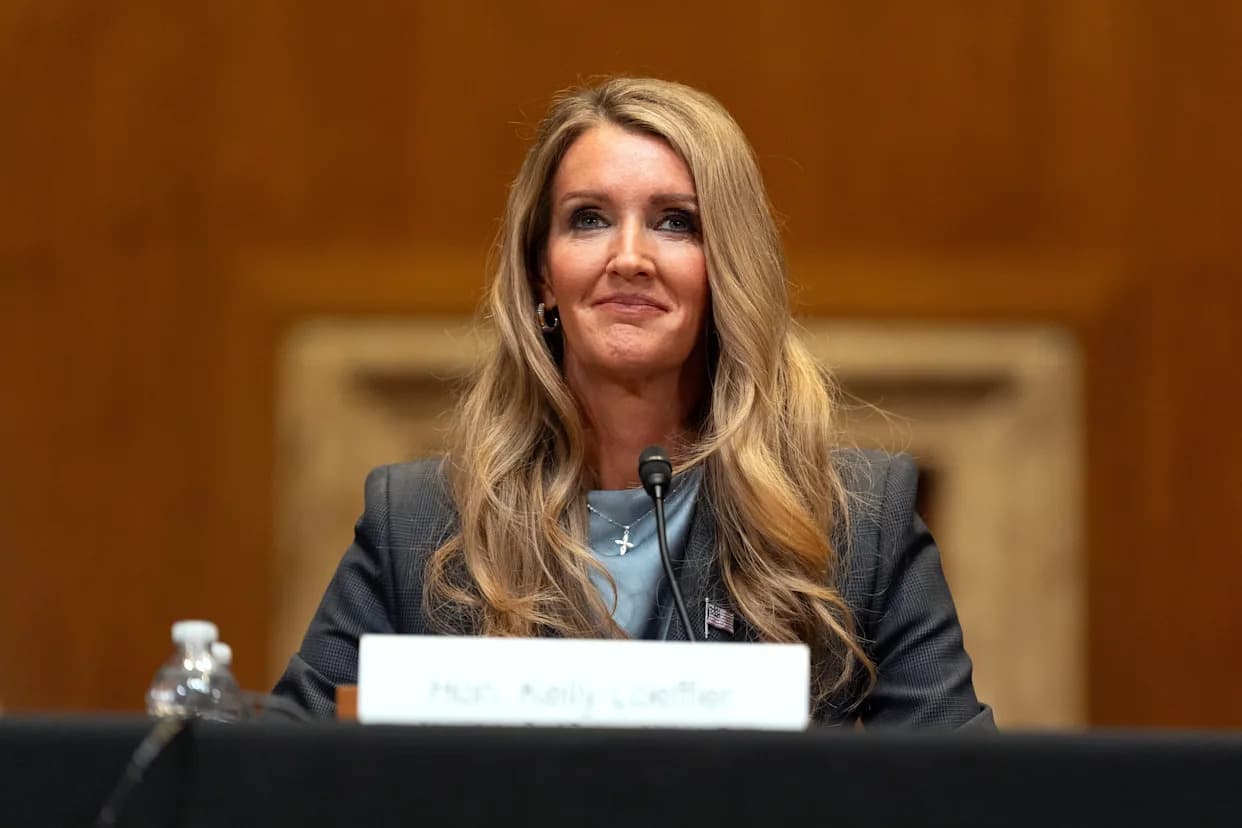
Sen. Elizabeth Warren (D‑Mass.) said the decision was “putting himself and his billionaire buddies first and sticking Americans with the bill,” even proposing legislation to block the arrangement. Rep. Marjorie Taylor Greene (R‑Ga.) called the package “probably one of the grossest things” the administration had done. Both sides warned that Argentina’s long history of defaults made repayment unlikely.
Those warnings proved incorrect. Earlier this month, Argentina repaid the $2.5 billion it had drawn from the facility, with interest and ahead of schedule. The swap line performed as Treasury Secretary Scott Bessent had described: a short‑term bridge to steady an ally amid acute market stress — not a long‑term bailout.
When Milei took office in December 2023, Argentina faced an economy many observers had written off. Annual inflation had surged month after month, peaking at 289 percent. Poverty exceeded 40 percent, and the central bank was essentially out of cash after years of printing pesos to cover fiscal shortfalls.
Milei’s rise was contentious at home and abroad. Outlets such as The Economist warned his ascent could threaten democratic norms, and more than 100 economists signed a letter predicting his reforms would bring “devastation.” The results to date, however, have confounded those dire forecasts: annual inflation has fallen to 31.4 percent, Argentina reported its first budget surplus in 14 years, and S&P has upgraded the country’s credit rating.
Beyond the immediate financial return, Bessent’s intervention was strategic. For two decades China has cultivated ties and influence across Latin America while Washington often appeared distracted. The region was too often treated as a back‑burner issue — managed only in crisis — rather than a priority for stabilization and partnership.
Why This Matters
Voters across Latin America have recently replaced failed administrations with leaders promising reform and better governance. Examples include Salvadoran President Nayib Bukele — whose security approach has dramatically reduced violence in El Salvador — as well as political shifts in Bolivia and Chile toward more market‑oriented leadership.
Scott Bessent called the current window to make allies in South America a “generational opportunity.”
The Argentina swap shows how targeted, timely support can stabilize a crisis, generate a modest financial return for U.S. taxpayers, and strengthen ties with a country that sits atop one of the world’s largest lithium reserves. Measured against large, open‑ended commitments that have yielded little strategic benefit, this operation illustrates a narrower, more tactical approach to rebuilding influence in the region.
Kyle Moran is a senior contributor with Young Voices, specializing in international affairs and national security.
Help us improve.