FEMA would likely retain about $7 billion–$8 billion in its Disaster Relief Fund and can sustain short-term response to a widespread winter storm even if a partial government shutdown begins. The agency is supporting states after a storm tied to at least 70 deaths and emergency declarations for 12 states. A brief shutdown would pause non-DRF activities like NFIP policy issuance and could force some staff to work unpaid; an extended shutdown or policy changes could strain reimbursements and longer-term recovery.
FEMA Can Still Respond to Major Winter Storm Despite Looming Shutdown, Experts Say
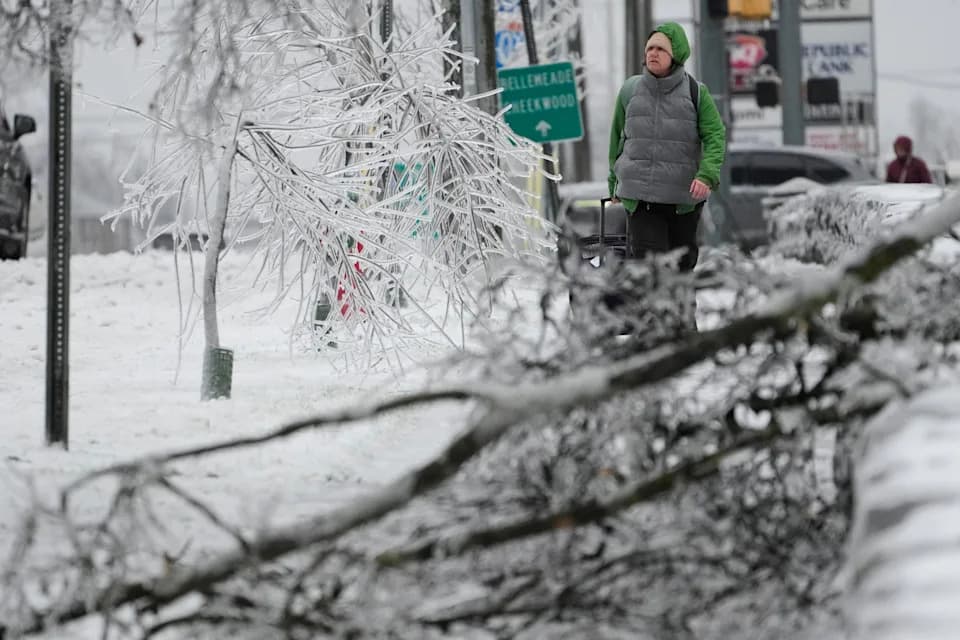
A person walks past ice covered trees and a fallen limb during a winter storm Sunday, Jan. 25, 2026, in Nashville, Tenn. (AP Photo/George Walker IV)(ASSOCIATED PRESS)
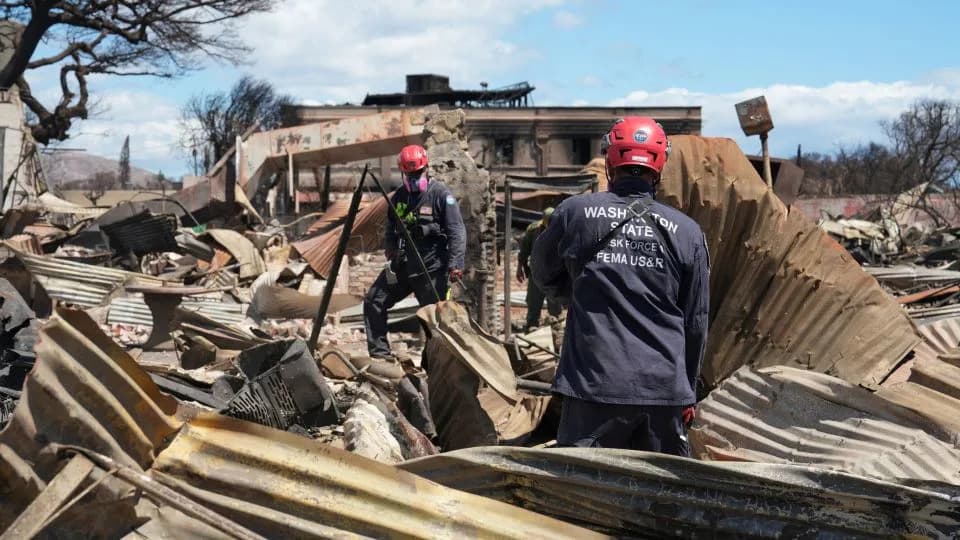
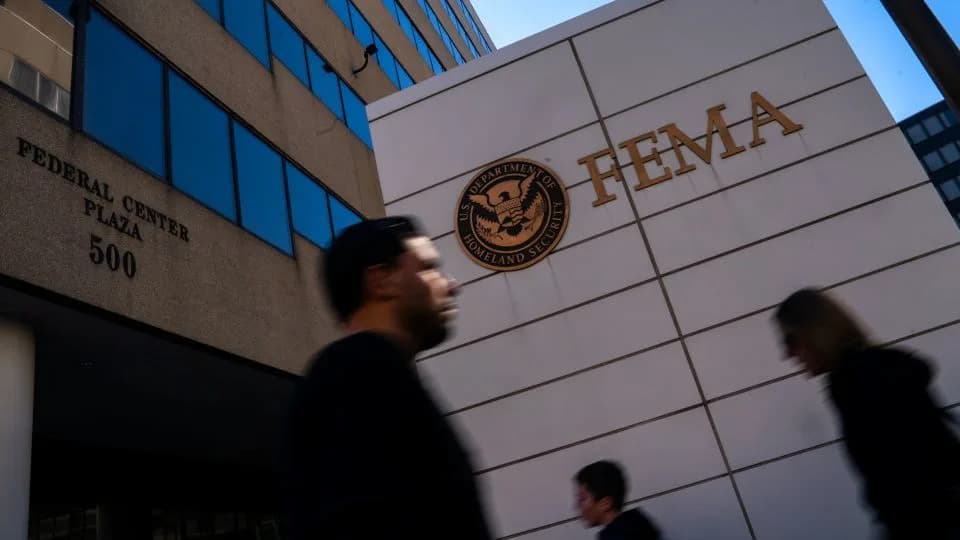
The Federal Emergency Management Agency would retain roughly $7 billion to $8 billion in its Disaster Relief Fund (DRF) and could continue supporting short-term response to a widespread winter storm even if a partial government shutdown begins at midnight Friday, experts and former FEMA officials say. Their assessment contradicts warnings from the Trump administration that a lapse in funding would immediately cripple federal disaster response.
Available Funds and Ongoing Response
Officials familiar with FEMA’s finances say the DRF balance would remain near $7 billion–$8 billion if the supplemental money Congress approved in November were to lapse. Two sources described the account balance on the condition of anonymity because they were not authorized to speak publicly.
Sarah Labowitz, senior fellow at the Carnegie Endowment for International Peace and author of the Disaster Dollar Database, said the remaining funds should be sufficient for immediate winter-storm recovery needs. “They have enough money for winter storm recovery and anything else likely to come up in the next few weeks,” she said.

Snow is removed in the aftermath of a winter storm in Philadelphia, Monday, Jan. 26, 2026. (AP Photo/Matt Rourke)(ASSOCIATED PRESS)
What FEMA Is Doing Now
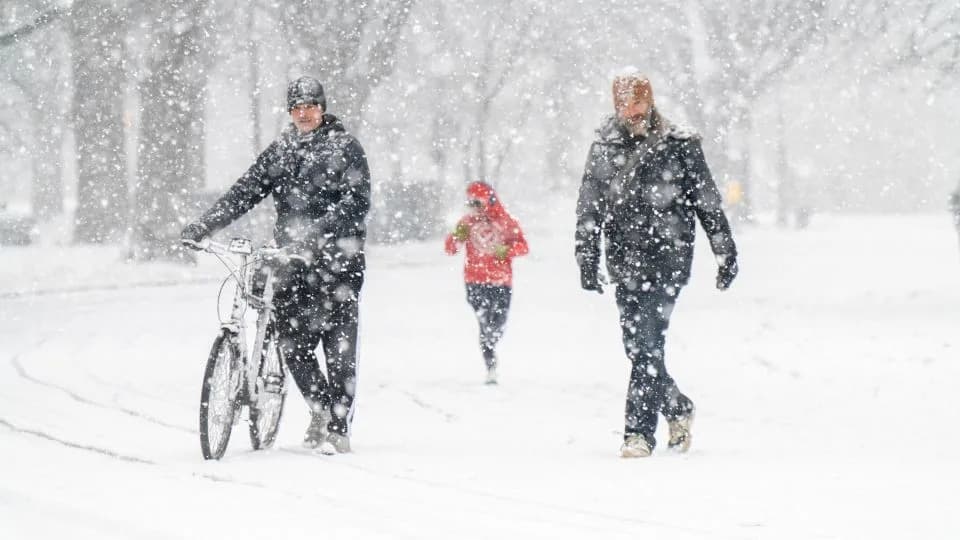
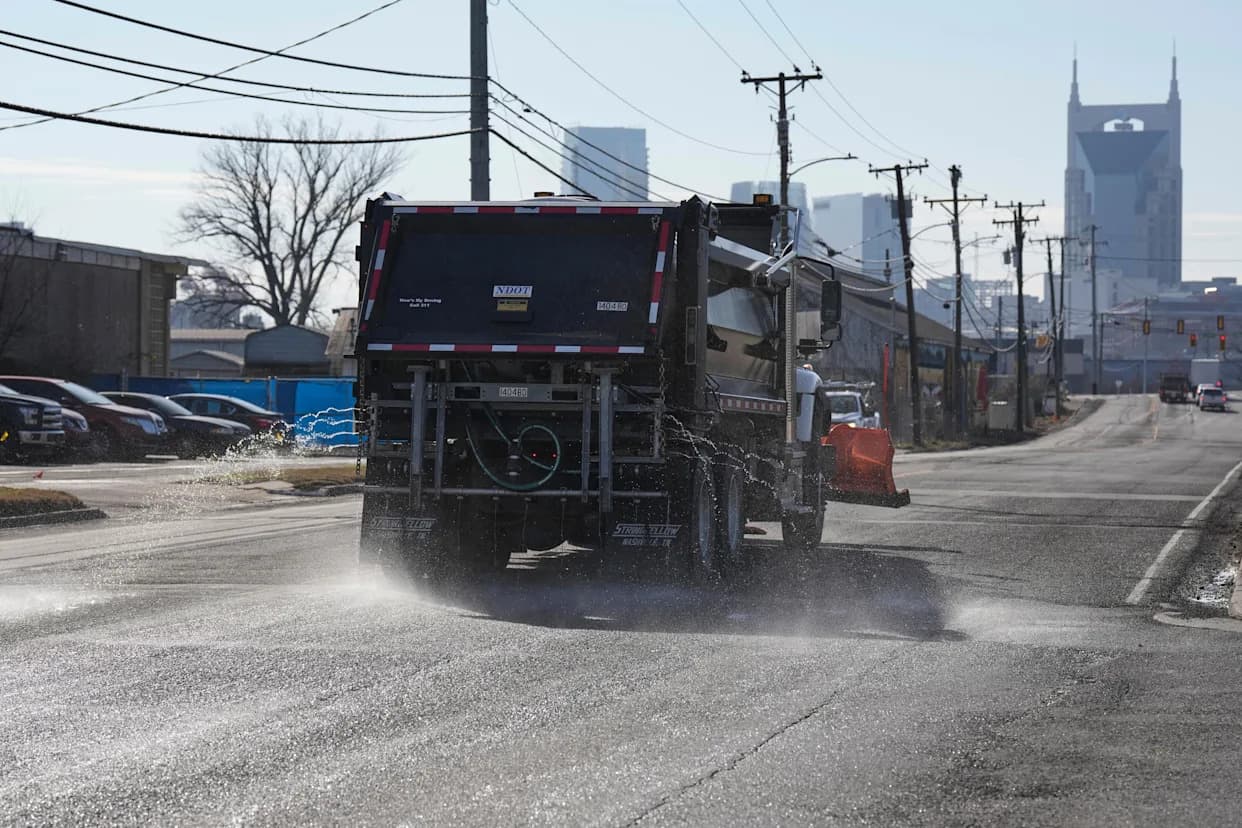
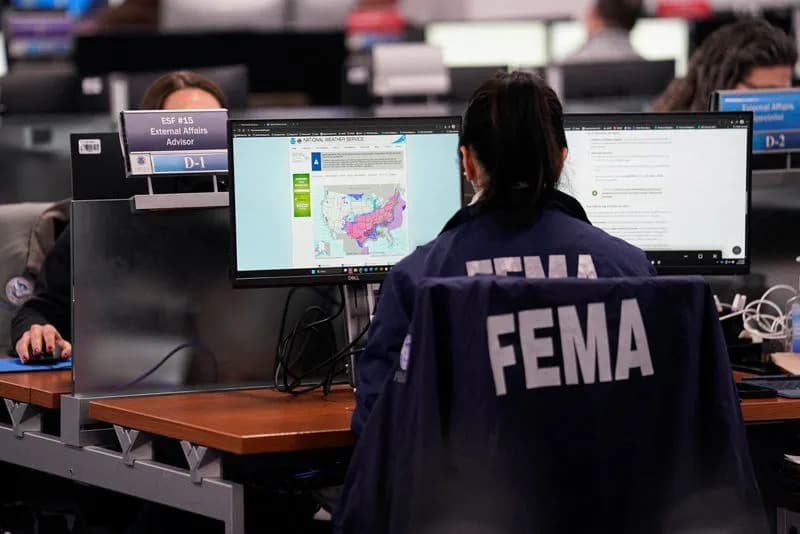
FEMA, which operates under the Department of Homeland Security (DHS), has supported state-led responses to last weekend’s storm that left hundreds of thousands without power and has been linked to at least 70 deaths. President Donald Trump approved emergency declarations for 12 states, unlocking federal assistance for emergency measures and debris removal. FEMA also pre-positioned generators in states such as Louisiana and Texas and is coordinating help for clearing roads and other urgent tasks.
Shutdown Risks and Operational Limits
Short-term operations funded by the DRF can continue while the fund has a balance. But a partial shutdown would pause some FEMA activities that are not financed from the DRF — for example, writing or renewing National Flood Insurance Program (NFIP) policies — as occurred during last year’s 43-day shutdown. Some essential employees would be required to work without pay.
An extended shutdown could increase pressure on the DRF if new disasters occur, and could slow reimbursements for past disasters. Several experts noted reimbursements have already lagged in part because of a DHS policy requiring the personally approval of expenditures of $100,000 or more by Homeland Security Secretary Kristi Noem.
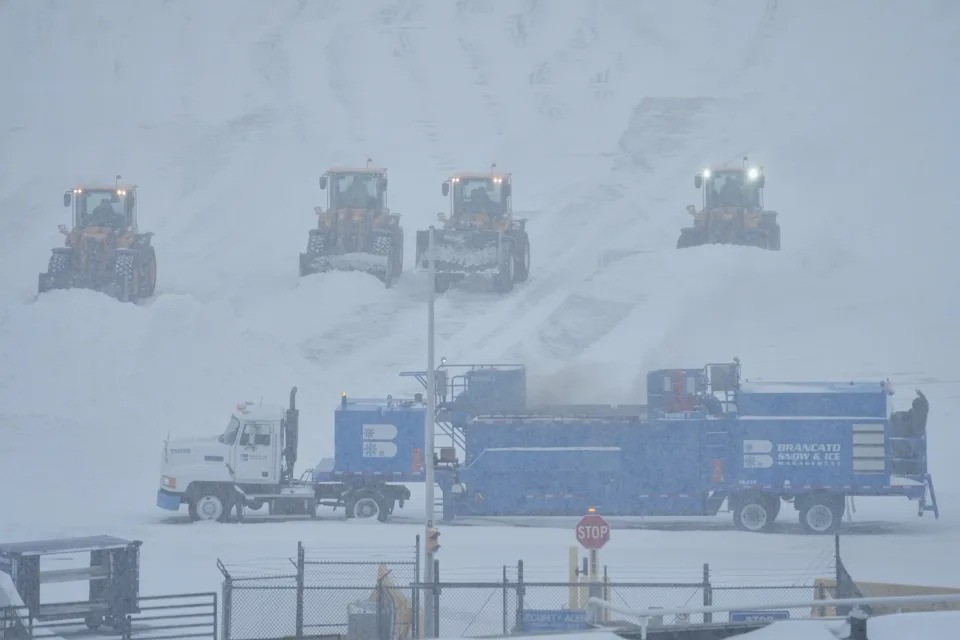
Airport crew plow snow during a winter storm in Philadelphia, Sunday, Jan. 25, 2026. (AP Photo/Matt Rourke)(ASSOCIATED PRESS)
Politics and Funding
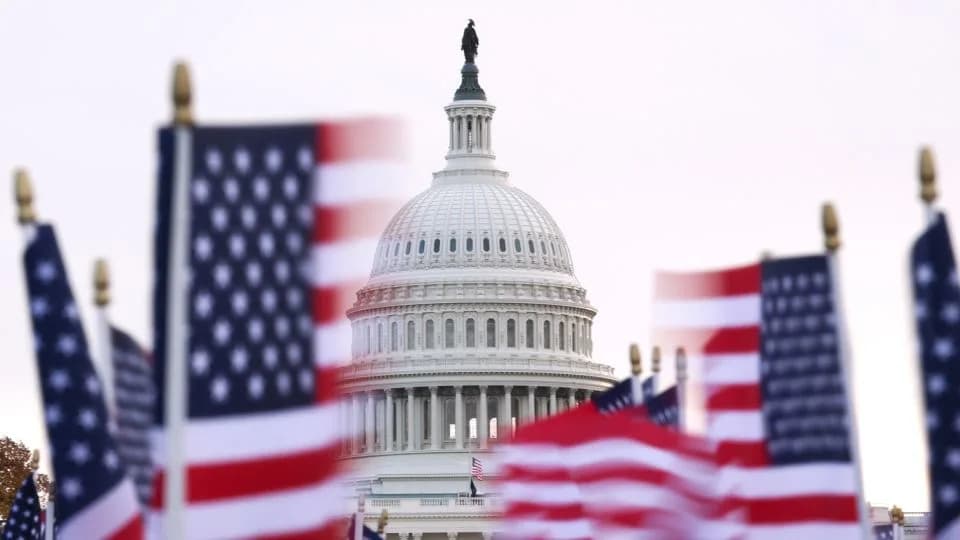
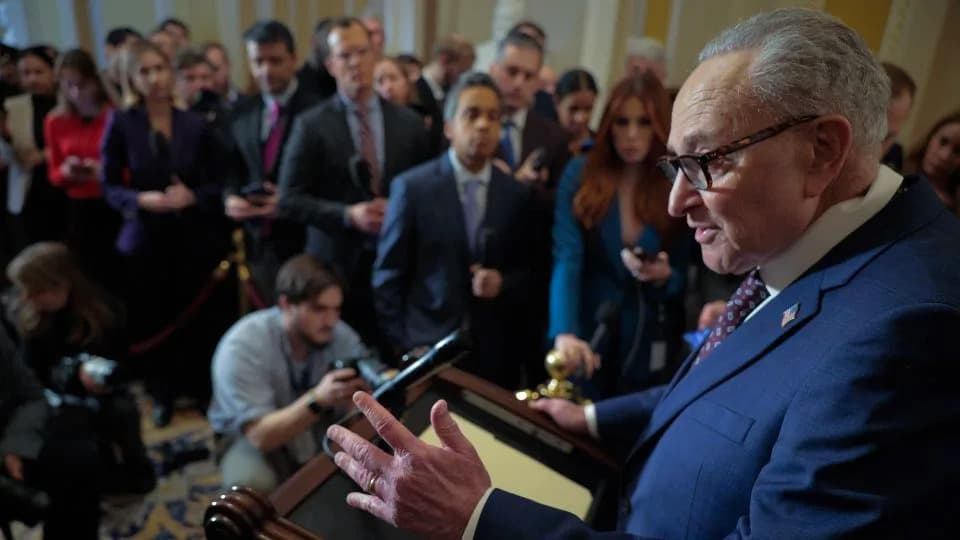
FEMA’s funding and role are entwined with broader political fights over DHS appropriations. The department’s fiscal 2026 funding depends on the Senate passing a spending package the House already approved. Some Senate Democrats are seeking restrictions tied to immigration enforcement following the death of a Minneapolis man after an encounter with federal immigration officers — a dispute that has increased the likelihood of a partial shutdown.
Administration officials have cited the storm and FEMA’s response as reasons to avoid a lapse in funding. “We are in the midst of the winter storm that took place over the weekend and many Americans are still being impacted by that, so we absolutely do not want to see that funding lapse,” White House press secretary Karoline Leavitt told reporters.
Longer-Term Concerns
Former FEMA officials and experts say the bigger threats to the agency stem from policy choices and staffing changes rather than a brief funding gap. They point to departures of thousands of staff, interruptions to grant programs, and delays in approving major disasters and issuing reimbursements as factors that have weakened FEMA’s capacity.
Language in the spending bill before the Senate would allocate more than $26 billion to the Disaster Relief Fund and nearly $4 billion for FEMA emergency preparedness and security grants, and it would add reporting and limits on the agency’s ability to pause grants and trainings.
“The administration has been dismantling FEMA over the last year,” said Michael Coen, former FEMA chief of staff under the Obama and Biden administrations. “Using the agency as a justification for congressional action is laughable.”
While a short, partial shutdown would likely not stop FEMA’s immediate winter-storm response, an extended lapse in appropriations or further policy changes could slow reimbursements and constrain the agency’s longer-term recovery work.
Help us improve.