Oklahoma replaced Florida as the U.S. lightning strike capital in 2025, recording 73 flashes per square mile, according to AEM's report based on roughly 18,000 sensors. Kay County, Oklahoma, was the nation's most lightning-dense county at 123.4 flashes per square mile. The U.S. saw 88.4 million strikes in 2025 (up 9.8% from 2024), while Texas experienced the largest surge with 1.3 million flashes above average. June 15 was the most lightning-active day, with 929,016 flashes recorded nationwide.
Oklahoma Ousts Florida as U.S. Lightning Capital in 2025 — Kay County Tops List
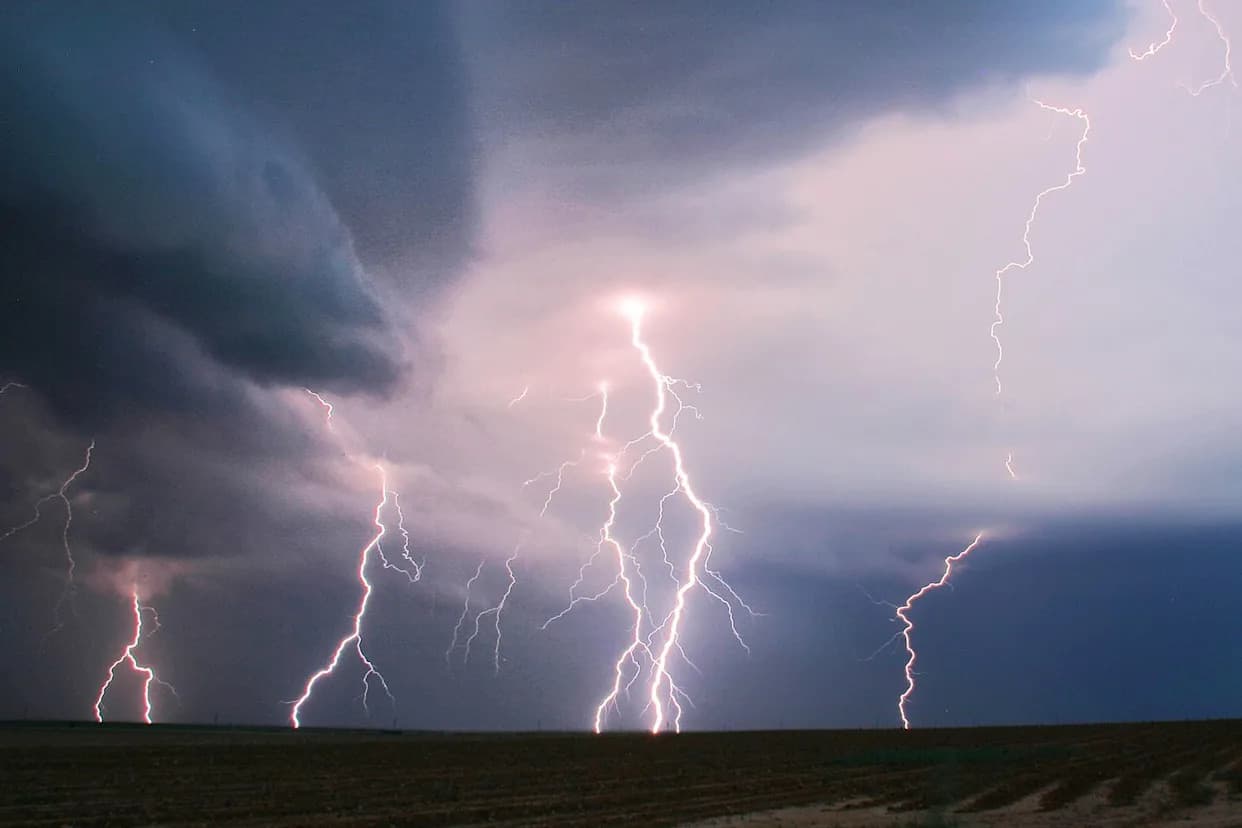
Tornadic thunderstorm with intense cloud-to-ground lightning in OklahomaGetty Stock Images/Connect Images
Oklahoma became the lightning strike capital of the United States in 2025, recording the highest density of lightning flashes in the nation, according to AEM's 2025 lightning report. The shift dethroned long-time leader Florida and reflects an active thunderstorm season across the Great Plains.
Key Findings From the AEM Report
Highest State Density: Oklahoma registered 73 flashes per square mile for 2025, the highest concentration among states.
Most Lightning-Dense County: Northern Oklahoma's Kay County topped the county rankings with 123.4 flashes per square mile.
Nationwide Totals: AEM counted 88.4 million lightning strikes across the U.S. in 2025 — a 9.8% increase from 2024. The firm based its analysis on data gathered from approximately 18,000 sensors deployed nationwide.
Biggest Regional Surge: Texas saw the largest increase in lightning activity, with about 1.3 million flashes above its average and the report naming it the state with the highest storm intensity for the year. The Lone Star State also logged 9,103 Dangerous Thunderstorm Alerts in 2025, up from 6,893 the previous year — roughly double the alerts of the next-highest state.
Peak Day: June 15, 2025, was identified as the most lightning-intense day of the year, when 929,016 flashes were recorded across the U.S.
“The shift signals a broader surge in lightning activity across the Great Plains,” AEM said in a statement accompanying the report.
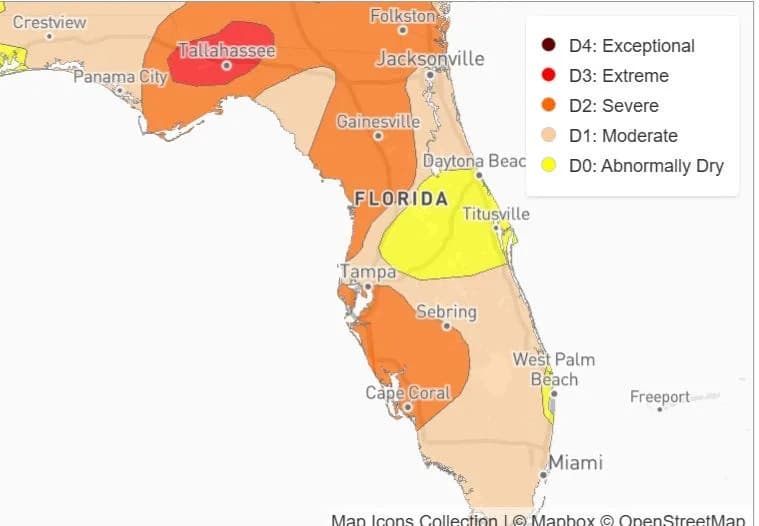
Elizabeth DiGangi, a lightning scientist, told USA Today that it is still premature to determine whether these changes represent a long-term trend. She noted that above-average rainfall and abundant severe weather in Oklahoma produced more thunderstorms — and therefore more lightning — while Florida experienced a drier-than-usual year.
Why This Matters
Beyond rankings, AEM highlighted that lightning activity often peaked on the same days as costly storms and tornado outbreaks. For states from Arkansas and Texas to Wisconsin, lightning reached its highest levels during some of the year’s most damaging weather events — including billion-dollar disasters. That link underscores how lightning frequency can accompany broader severe-weather impacts, raising concerns for public safety, infrastructure, and emergency response planning.
Safety Reminder: Increased lightning activity amplifies the importance of taking standard thunderstorm precautions: seek shelter indoors during storms, avoid open fields and water, and follow local warnings and alerts.
Help us improve.