Rep. Maxwell Frost was allegedly punched at the Sundance Film Festival after an assailant declared, 'Trump was going to deport me,' and shouted racist remarks. The suspect was arrested and faces charges including aggravated burglary and assaulting an elected official. Observers say the incident echoes historical violence against Black politicians — from Reconstruction-era threats to attacks and intimidation in recent years — and underscores ongoing risks to democratic institutions.
Assault on Rep. Maxwell Frost Echoes Long History of Violence Against Black Officials
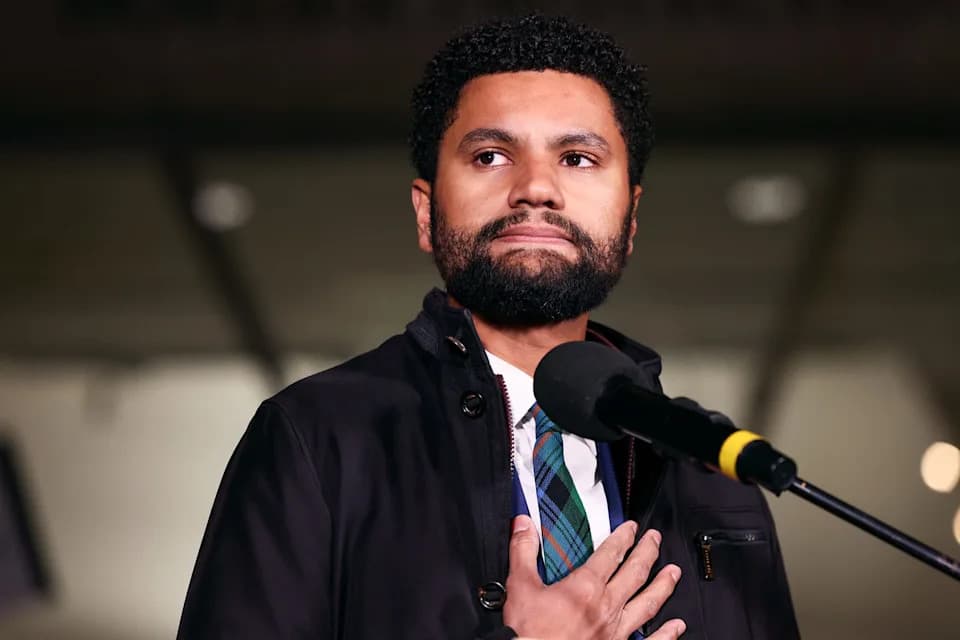
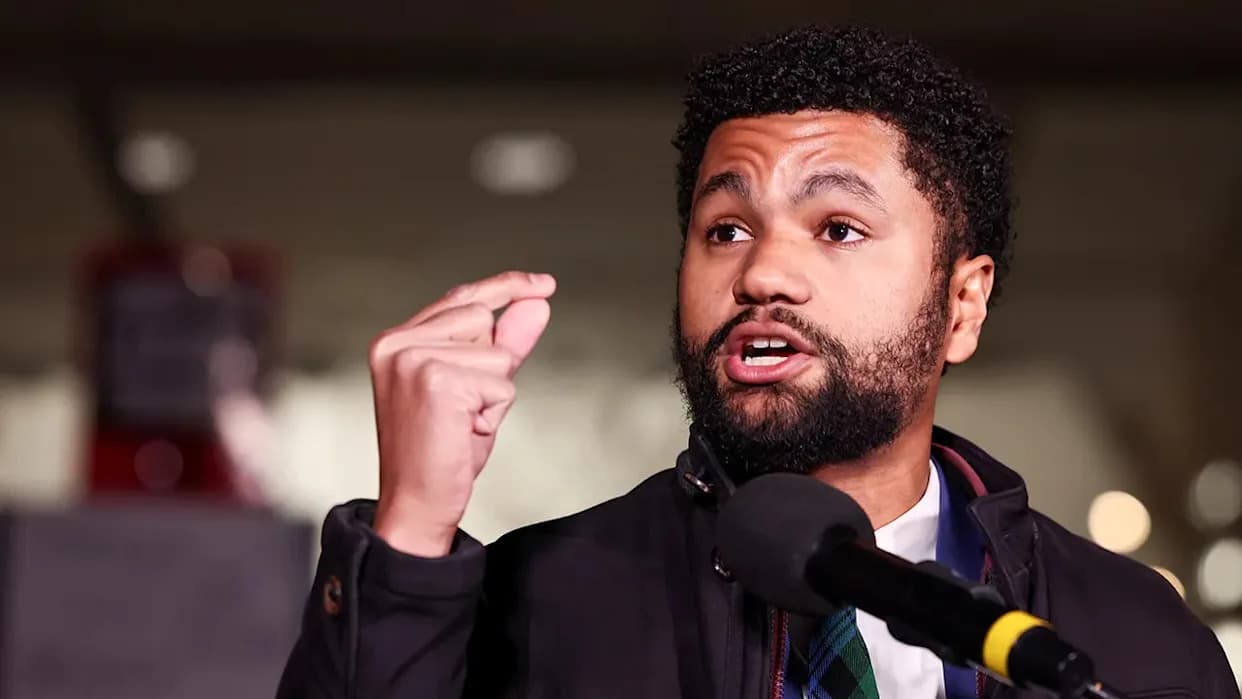
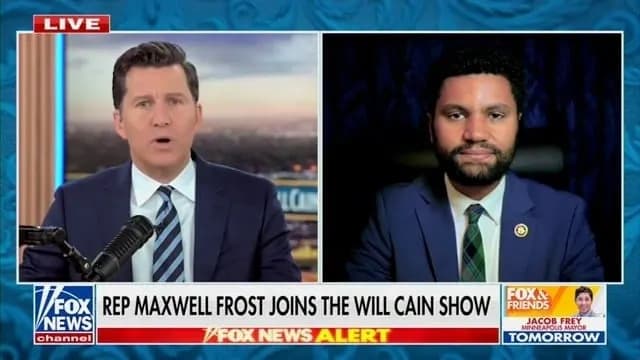
Rep. Maxwell Frost (D-Fla.) was reportedly assaulted while attending the Sundance Film Festival in Park City, Utah. According to Frost’s post on X, an individual approached him, declared 'Trump was going to deport me,' then punched him and fled while shouting racist remarks. Frost said he is okay and thanked venue security and the Park City Police Department for their response.
"Last night, I was assaulted by a man at Sundance Festival who told me that Trump was going to deport me before he punched me in the face. He was heard screaming racist remarks as he drunkenly ran off. The individual was arrested and I am okay." — Rep. Maxwell Frost
Media reports, citing court records, say the suspect was arrested and charged with aggravated burglary, assaulting an elected official and assault. The incident comes weeks after the fifth anniversary of the Jan. 6 attack on the U.S. Capitol and has prompted renewed discussion about the role racial intimidation and violence play in U.S. political life.
Historical Context
The attack on Frost is not an isolated moment but part of a longer pattern of racially motivated threats and violence directed at Black public officials and those who protect electoral processes. During Reconstruction, Representative Joseph H. Rainey warned that Black lawmakers returning to the South might find an 'assassin' waiting for them — a plea for federal protection against organized terror such as the Ku Klux Klan.
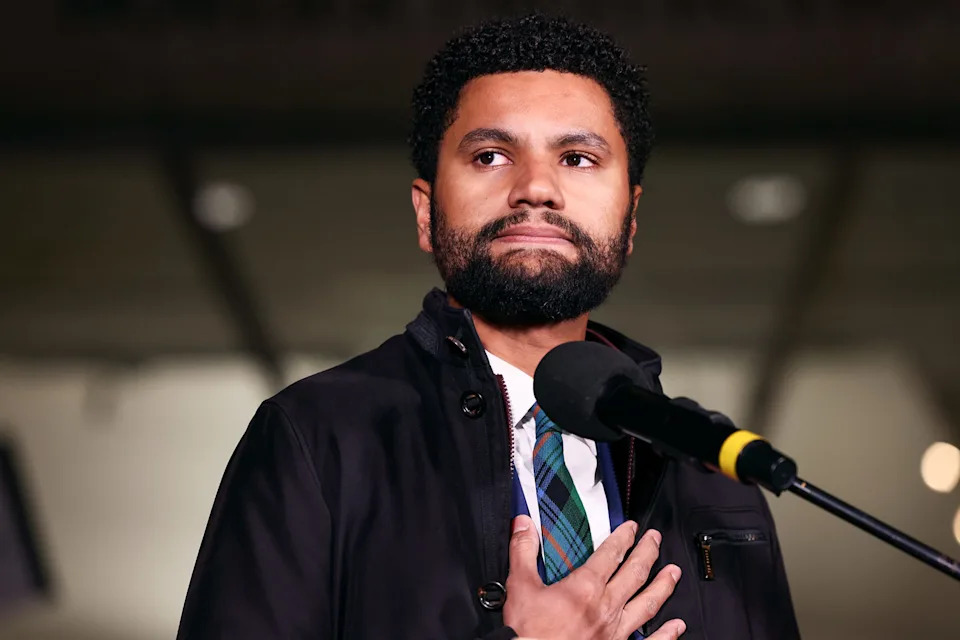
WASHINGTON, DC - JANUARY 13: Rep. Maxwell Frost (D-FL) speaks during the ICE Out for Good Protest at the U.S. Customs and Border Protection Office on January 13, 2026 in Washington, DC. (Photo by Jemal Countess/Getty Images for MoveOn Civic Action)(Jemal Countess / Getty Images for MoveOn Civic Action)
John Roy Lynch, a Black congressman and the first Black speaker of the Mississippi House, similarly warned in 1876 that groups like the White League sought to seize power 'by the power of the bullet and not by the power of the ballot.' He urged the nation to 'crush out mobocracy' or risk the dissolution of the Republic.
Modern Parallels
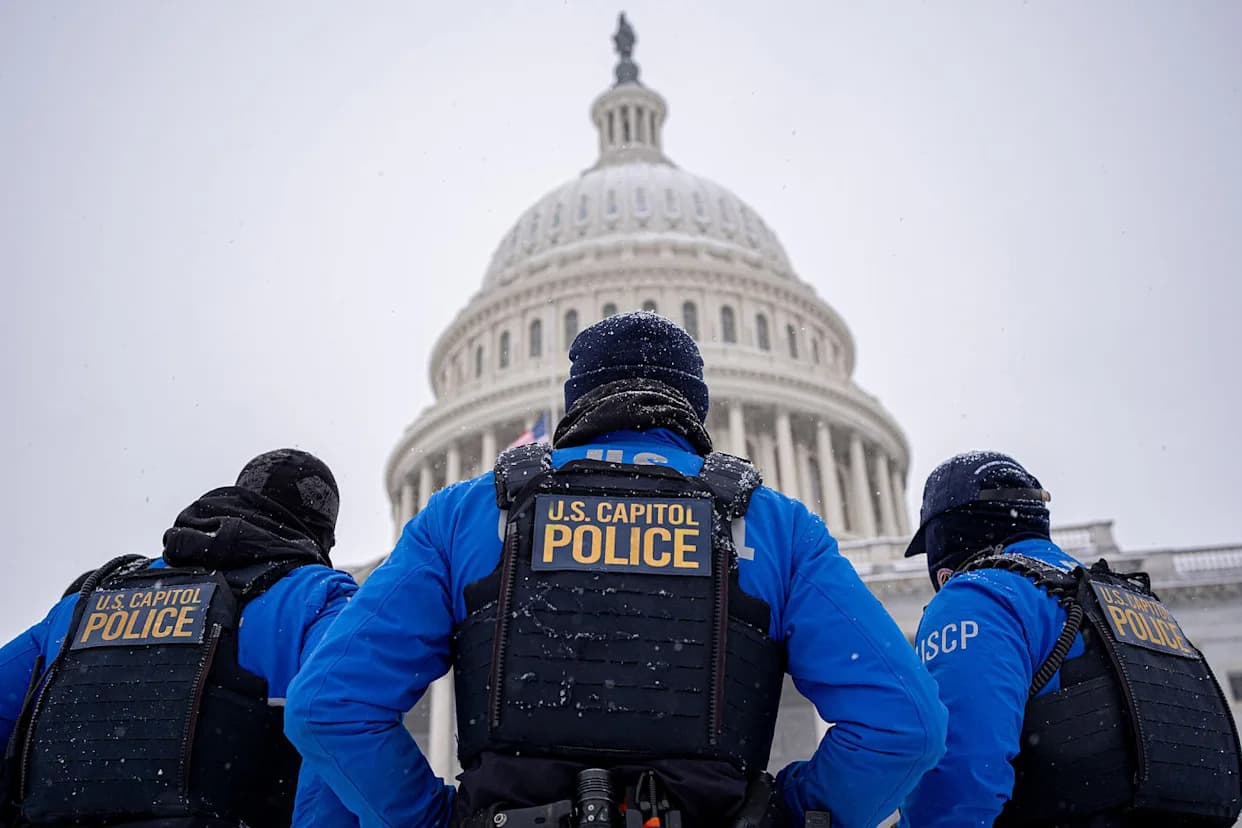
More recent examples underscore the persistence of this threat: Georgia election workers Ruby Freeman and Shaye Moss were targeted with racist attacks and death threats after the 2020 election, and several Black U.S. Capitol Police officers suffered racist abuse while defending the Capitol on Jan. 6. Observers say the assault on Frost fits into this broader pattern of intimidation aimed at undermining both individuals and democratic institutions.
Lawmakers, historians and civil-rights advocates say calling out and addressing racially motivated violence is essential to safeguarding democracy and ensuring that elected officials and public servants can perform their duties without fear. The arrest and charges in the Frost case underscore that such acts can carry criminal consequences, but commentators urge deeper systemic responses to prevent future attacks.
'An organization which has been brought into existence by the bad men of the Democratic Party for the purpose of securing position by the power of the bullet and not by the power of the ballot.' — John Roy Lynch (on the White League)
The alleged assault on Rep. Frost is a reminder of the long and continuing history of threats faced by Black officials in the United States and a call to vigilance from citizens and institutions alike.
Help us improve.