Portugal’s presidential campaign opened in Lisbon with a record 11 candidates competing ahead of the Jan. 18 vote, making a Feb. 8 runoff likely if no candidate wins over 50%. Frontrunners from the Social Democratic and Socialist parties face strong challenges from André Ventura (Chega) and independent Henrique Gouveia e Melo. Though largely ceremonial, the presidency holds veto and dissolution powers and will confront major issues including a citizenship bill, labour reforms and a stalled euthanasia law.
Portugal Opens Presidential Race With Record 11 Candidates — Runoff Expected
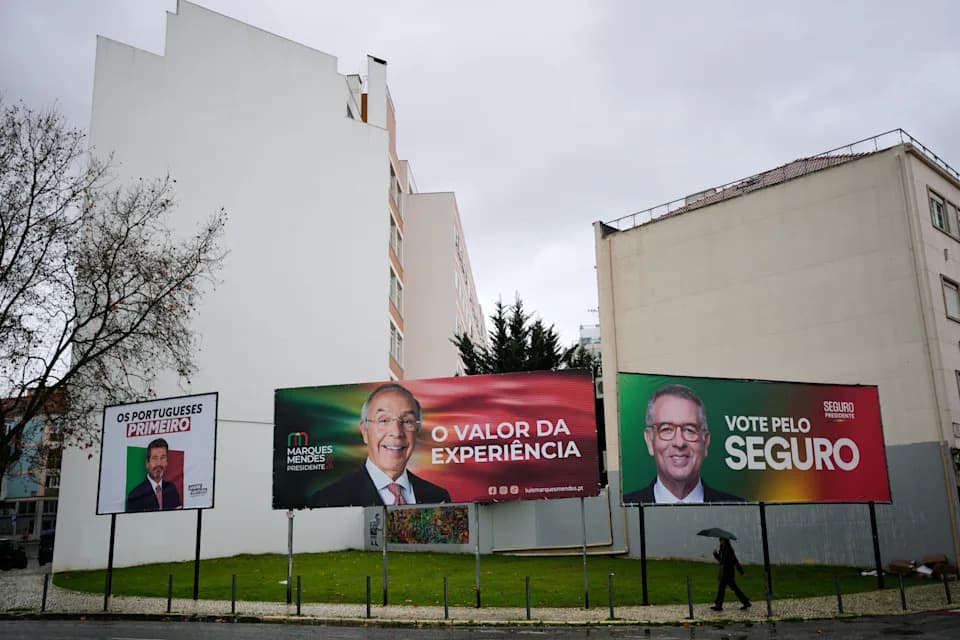
A person walks past presidential election campaign billboards for candidates Andre Ventura of the populist Chega party, Luis Marques Mendes from the center-right Social Democratic Party and Antonio Jose Seguro of the center-left Socialist Party, in Lisbon, Friday, Jan. 2, 2026. (AP Photo/Armando Franca)(ASSOCIATED PRESS)
Campaigning officially began Sunday in Lisbon as a record 11 candidates launched bids for Portugal’s presidency ahead of the Jan. 18 vote.
The formal, two-week campaign will see contenders competing for voters’ support, but the crowded field makes it unlikely any single candidate will win an outright majority. If no candidate tops 50%, the two highest-polling contenders will advance to a runoff set for Feb. 8.
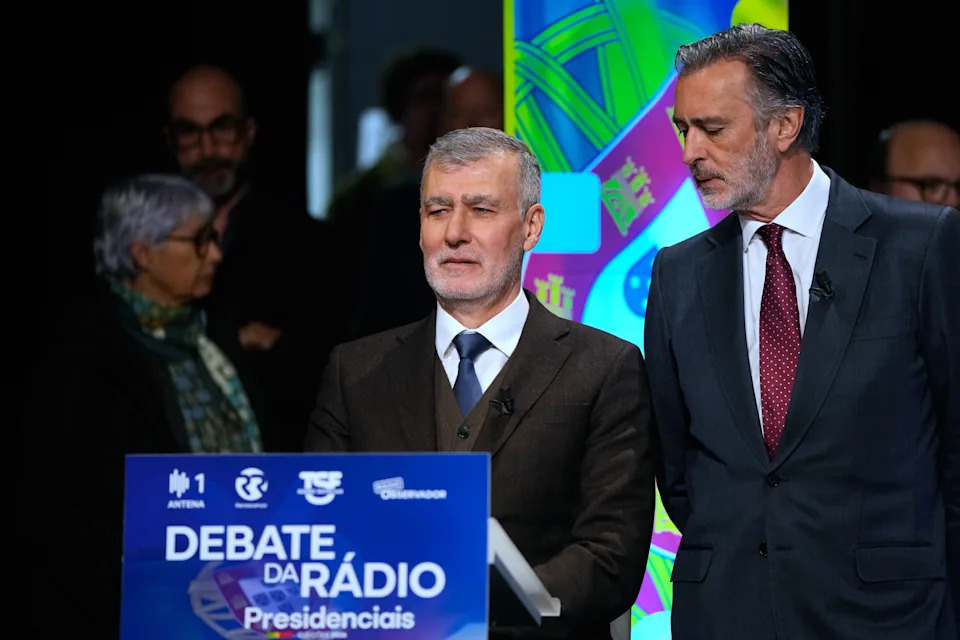
Candidate Joao Cotrim de Figueiredo of the Liberal Initiative party looks over the shoulder of Henrique Gouveia e Melo, a retired Rear Admiral running as an independent, as they wait for the start of a presidential election radio debate at a studio in Lisbon, Friday, Jan. 2, 2026. (AP Photo/Armando Franca)(ASSOCIATED PRESS)
Frontrunners in recent opinion polls include Luís Marques Mendes of the centre-right Social Democratic Party, which heads the current government, and António José Seguro of the centre-left Socialist Party. They face notable challenges from André Ventura, leader of the populist, anti-immigration Chega party, and from independent Henrique Gouveia e Melo, a retired rear admiral praised for overseeing Portugal’s rapid COVID-19 vaccine rollout.
What the Presidency Means
Portugal’s presidency is largely ceremonial, and occupants are expected to rise above party politics to defuse tensions. Still, the office holds significant constitutional powers: the president can veto legislation (though Parliament can override a veto) and can dissolve Parliament and call snap elections — powers that matter most during political crises.
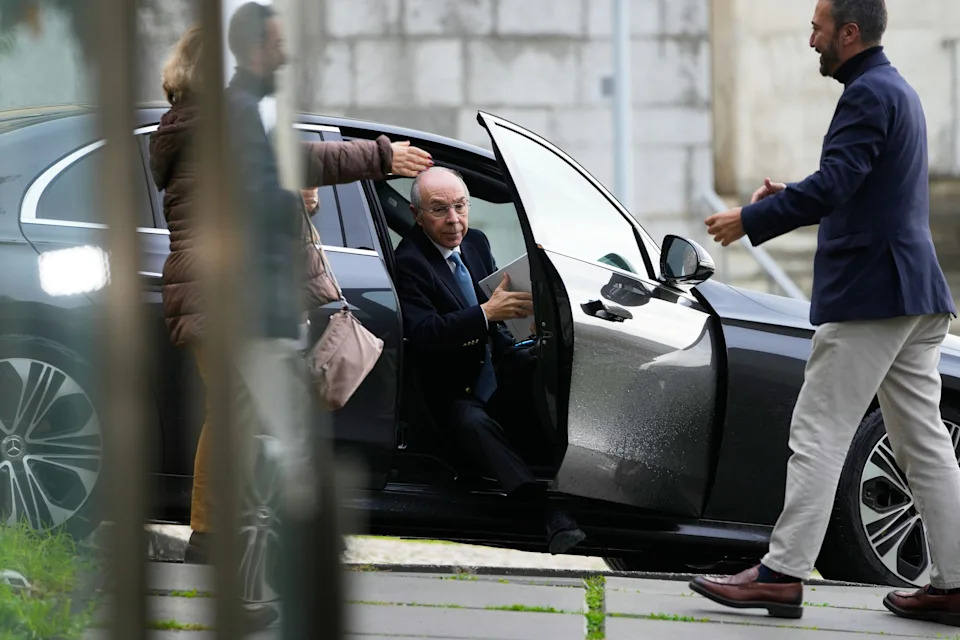
Presidential candidate Luis Marques Mendes, center, from the center-right Social Democratic Party, arrives for a radio debate at a studio in Lisbon, Friday, Jan. 2, 2026. (AP Photo/Armando Franca)(ASSOCIATED PRESS)
Key Issues Facing the Next President
The new head of state will inherit several contentious matters. A proposed citizenship law that would tighten eligibility and set conditions for revocation was struck down by the Constitutional Court and returned to Parliament for reconsideration. A government package of labour reforms that has already prompted street protests and a major strike is also likely to reach the presidential desk. Additionally, a law authorising euthanasia and physician-assisted suicide — approved by Parliament in 2022 — remains stalled amid constitutional objections.
Portugal experienced its third general election in three years last May, marking its most turbulent period of political instability in decades; the incoming president is widely expected to advocate compromise and stability. Almost 11 million eligible voters can participate in the presidential election.
Help us improve.