Amnesty International reports that Myanmar's junta is importing jet fuel on 'ghost ships' that turn off or falsify AIS transponders, and using ship‑to‑ship transfers and false paperwork to hide origins. The group found Myanmar imported over 109,000 tonnes of aviation fuel in 2025 — a 69% rise on 2024 — and verified at least nine shipments by four vessels between mid‑2024 and late‑2025. Amnesty urges a ban on fuel shipments and action against firms in the supply chain to prevent further civilian harm.
Amnesty: 'Ghost Ships' Smuggle Jet Fuel to Myanmar, Fuelling Deadly Airstrikes
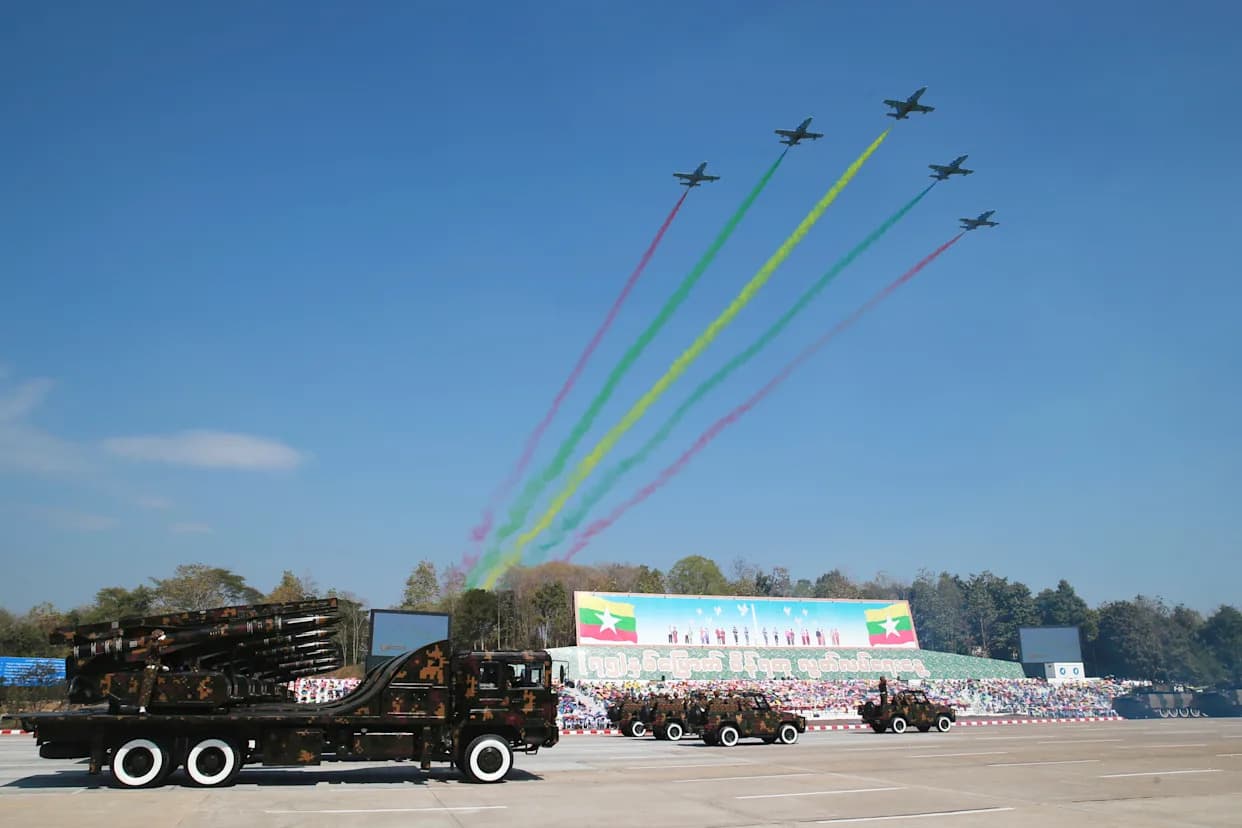
FILE Myanmar's military tanks are driven while military fighter planes fly over during a ceremony marking Myanmar's 75th anniversary of Independence Day in Naypyitaw, Myanmar, on Jan. 4, 2023. (AP Photo/Aung Shine Oo, File)(ASSOCIATED PRESS)
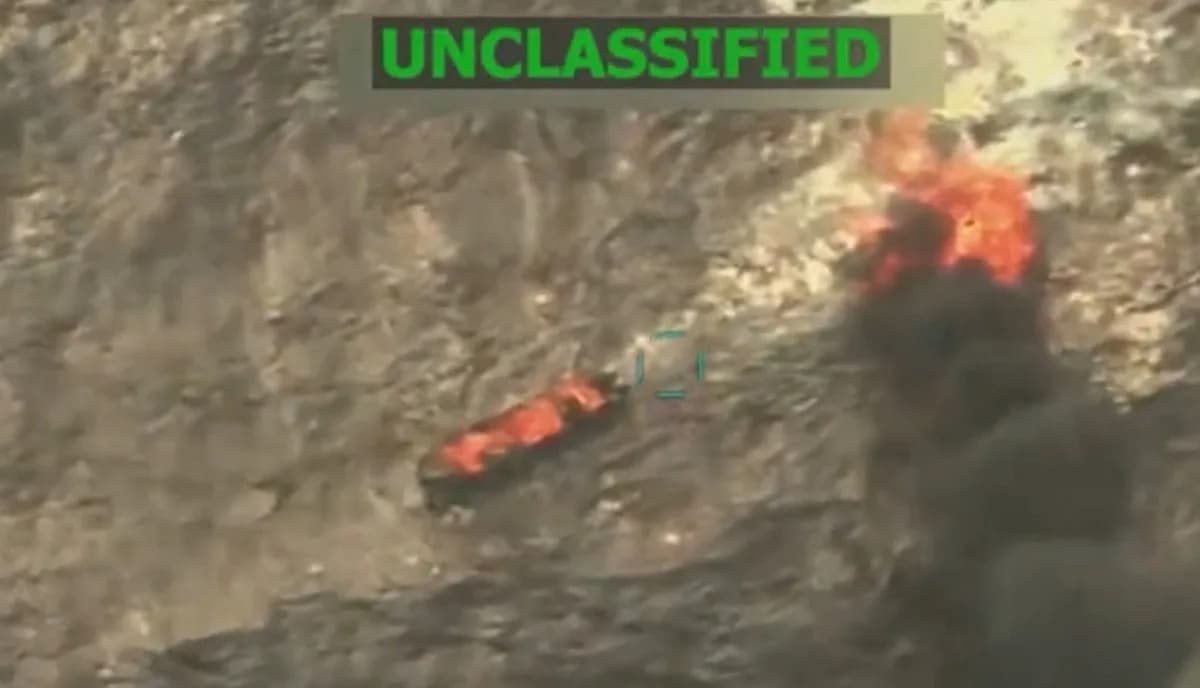
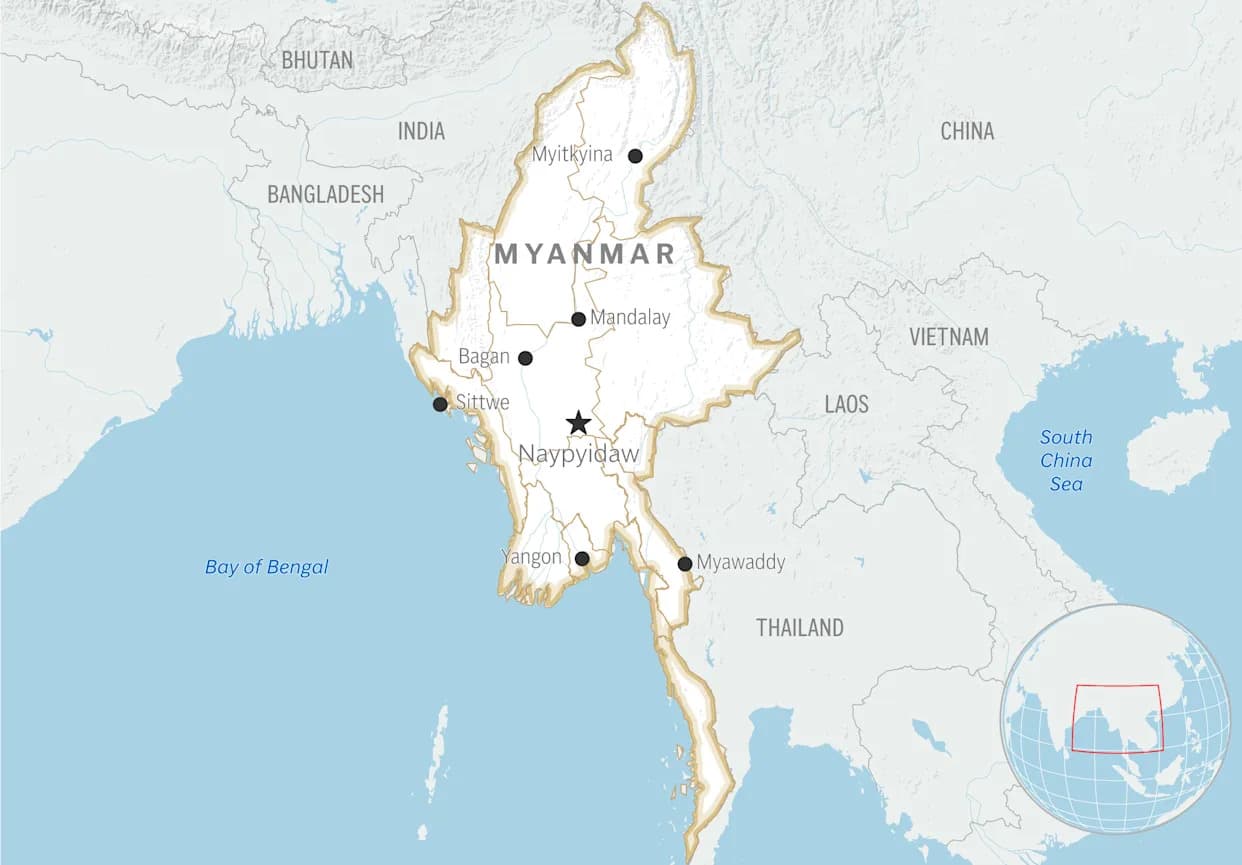
Amnesty International says Myanmar's military is using so‑called 'ghost ships' and other evasive tactics to import aviation fuel used in deadly airstrikes against civilians, according to a new investigation released Monday.
Investigation Findings
The London‑based human rights group combined analysis of trade records, shipping movements, satellite imagery and port authority data to track how jet fuel has reached Myanmar since mid‑2024. Amnesty found that Myanmar imported more than 109,000 tonnes of aviation fuel in 2025 — a 69% increase over 2024 and the largest volume since the 2021 coup.
"Five years after the coup, our analysis shows that the Myanmar junta continues to evade sanctions and find new ways to import the jet fuel it uses to bomb its own civilians — with 2025 being the deadliest year on record for aerial attacks since the junta takeover in 2021," said Montse Ferrer, Amnesty's regional research director.
How Fuel Is Being Delivered
Amnesty verified at least nine separate deliveries of aviation fuel to Myanmar carried by four different vessels between mid‑2024 and the end of 2025. The report documents a range of tactics used to conceal shipments, including:
- Turning off or spoofing Automatic Identification System (AIS) transponders ('ghost ships').
- Frequent changes of vessel name, flag or ownership paperwork to obscure identities.
- Open‑water ship‑to‑ship transfers that avoid ports and terminals.
- Complex re‑selling and routing through third‑party storage facilities to hide provenance.
Amnesty said investigators could not definitively identify the fuel suppliers or the country of origin, but that the tactics documented 'mirror methods commonly used by tankers that move sanctioned fuel from Iran.' It also noted that similar evasion methods have been reported for Russia, Venezuela and North Korea.
Humanitarian And Political Context
Opponents of the military government argue that cutting off aviation fuel supplies is crucial to limiting the military's capacity for air campaigns. A local watchdog, the Assistance Association for Political Prisoners, reports that more than 7,700 civilians have been killed by state security forces since the 2021 takeover, although precise civilian casualty figures from airstrikes remain difficult to confirm.
Amnesty also highlighted that the military's operations are sustained in part by arms supplies largely coming from Russia and China. The group has called for an immediate ban on shipping aviation fuel to Myanmar and urged companies involved in the supply chain to withdraw to prevent further civilian harm.
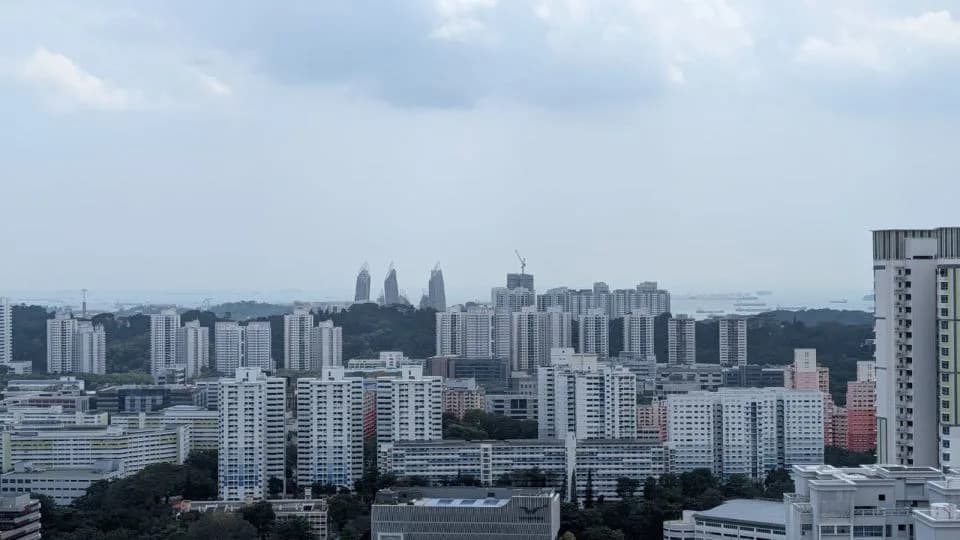
Myanmar's military government did not immediately respond to requests for comment. Amnesty's findings build on a 2022 report that identified multinational companies based in Singapore and Thailand as part of a prior fuel supply chain and described deliberate sanctions‑evasion tactics that routed shipments through third‑party storage facilities in the region.
What Amnesty Recommends
Amnesty recommends a ban on shipments of aviation fuel to Myanmar, increased international monitoring of tanker movements and stronger measures to hold companies and intermediaries accountable for facilitating supplies that enable attacks on civilians.
Help us improve.