Remy Osman, a 32-year-old British expat in Singapore, documents ageing tankers he suspects of carrying sanctioned oil by filming them from his apartment rooftop. Analysts estimate the shadow fleet numbered about 3,300 vessels in December 2025 and moved over $100 billion of crude that year. The narrow, busy Singapore Strait is a key transit route, but international law limits Singapore’s ability to board or detain vessels while they are in transit.
Rooftop Spotter vs. The Shadow Fleet: How a Brit Tracks Illicit Oil Through the Singapore Strait
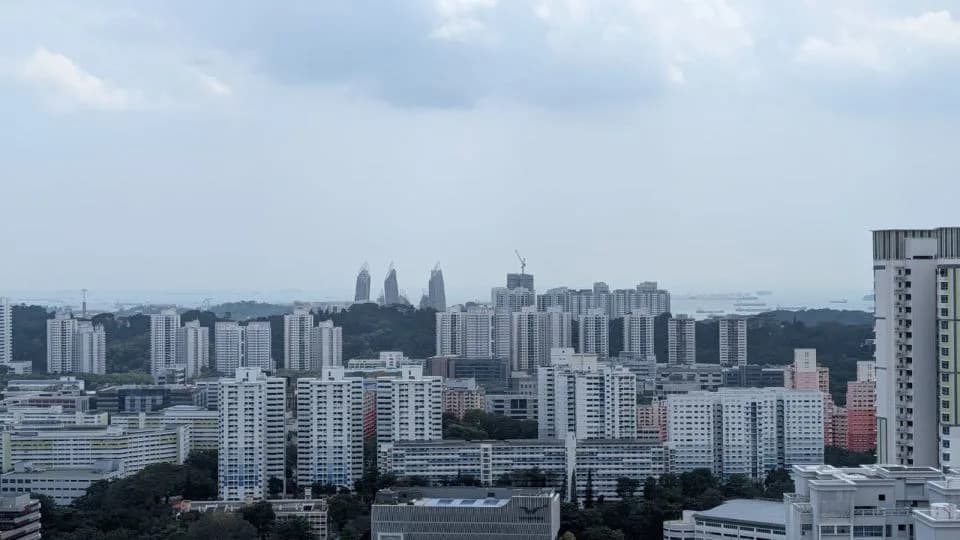
The view from Remy Osman’s Singapore rooftop, where he tracks sanctioned oil vessels passing through the Strait. - Remy Osman
From the rooftop of his Singapore apartment block, 32-year-old British expat Remy Osman films and photographs ageing oil tankers he believes are part of the global "shadow fleet." A food-and-beverage salesman by trade, Osman posts footage and analysis online as interest in clandestine maritime oil movements surges.
What Are Shadow Fleets?
Shadow fleets—also called ghost or dark fleets—are groups of older tankers that use opaque ownership structures, rapid flag changes, manipulated tracking data and ship-to-ship (STS) transfers to move sanctioned crude for states such as Russia, Iran and Venezuela. Since Russia’s invasion of Ukraine and the ensuing Western sanctions, analysts say these fleets have expanded and become an increasingly important channel for sanctioned oil.
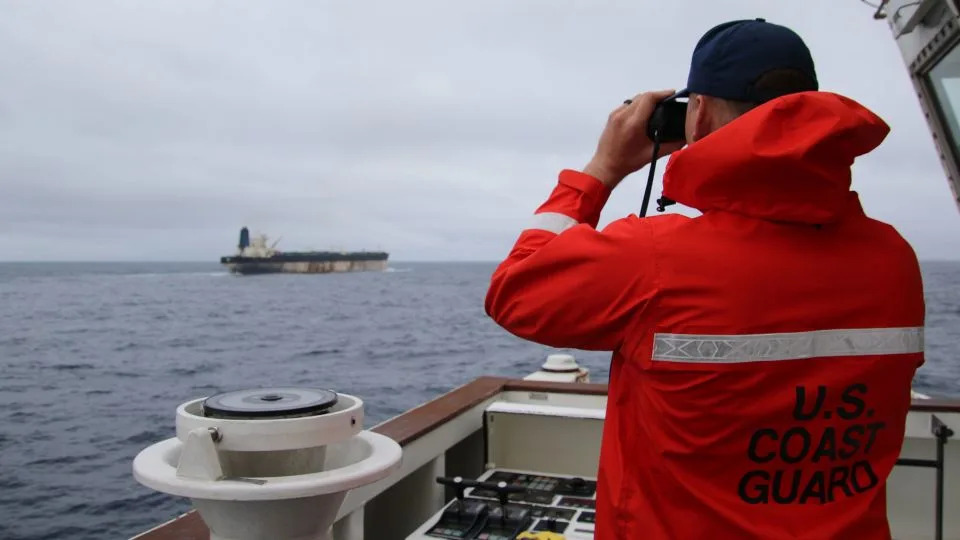
This photo posted by US European Command on Wednesday, January 7, 2026, shows the oil tanker originally called Bella 1, and renamed Marinera. - US European Command
Why Singapore Matters
The Singapore Strait is one of the world’s busiest and most strategically important maritime corridors, linking the Indian Ocean to the South China Sea. About 100,000 ships transit the strait each year, carrying roughly one third of globally traded goods. Its narrowness and proximity to dense urban coastline make it an ideal location for on-the-ground observers like Osman to spot vessels with simple optics and even an iPhone.
How Osman Identifies Suspect Ships
Osman combines public ship-tracking apps, visual observation and sanctions lists to flag likely illicit movements. He looks for older tankers (often 20–25 years old) flying flags of states with light oversight (for example, Guinea, Comoros, The Gambia or Mozambique), frequent registry changes, unusual AIS behavior, and draft indicators that suggest heavy oil loads. He also cross-references registration numbers with sanctions databases.
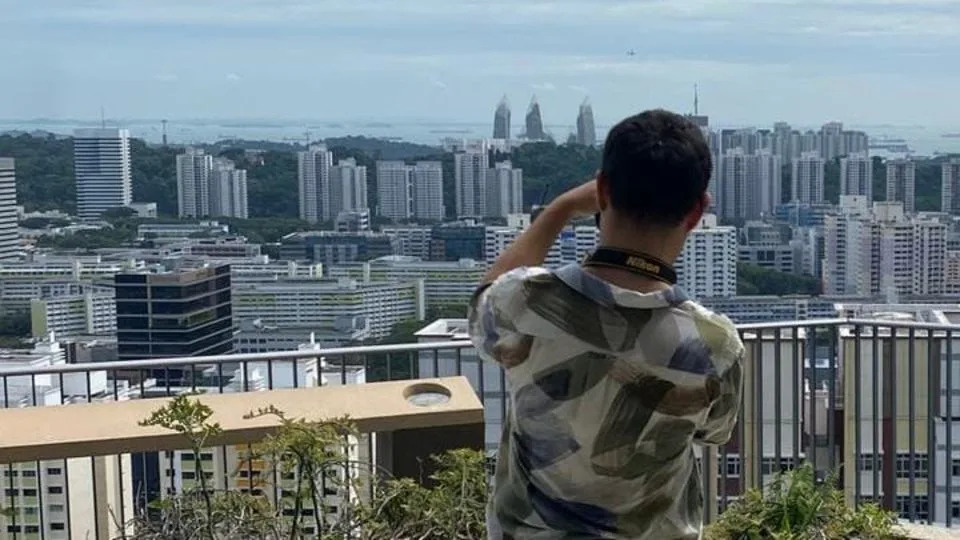
Remy Osman spots shadow tankers in the Singapore Strait from the rooftop of his apartment building. - Remy Osman
“Singapore is probably the best place on earth to see (shadow ships),” Osman said, explaining how the strait’s geography and nearby high-rises give him a clear vantage point.
Scale And Tactics
Data firm Kpler estimated the global shadow fleet at roughly 3,300 vessels in December 2025, accounting for about 6–7% of global crude flows. Kpler and other analysts estimate that more than $100 billion worth of crude moved via shadow and sanctioned fleets in 2025. Common evasion tactics include fragmented ownership, rapid flag switching, AIS manipulation, and nocturnal ship-to-ship transfers in poorly monitored areas.
Enforcement And Legal Limits
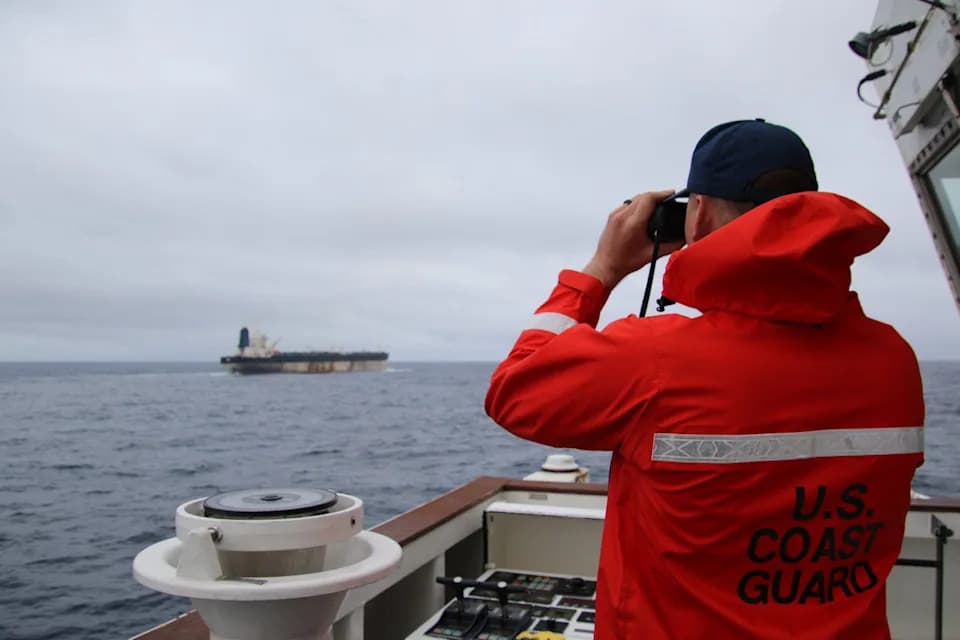
The US and other countries have intensified enforcement in recent months, seizing multiple sanctioned vessels. One high-profile case involved the Russian-flagged tanker Bella 1, seized after an 18-day pursuit that began when the vessel evaded the US Coast Guard while reportedly heading to Venezuela. According to reports, the Bella 1 had been sanctioned in 2024 and attempted to change its apparent nationality during the chase.

Cargo ships in the Singapore Strait, framed between two high-rise buildings in Singapore, on April 14, 2025. - Annice Lyn/Getty Images
Authorities face legal constraints in international straits. Singapore’s Maritime and Port Authority (MPA) says it closely monitors vessel movements and reports suspicious behaviour to the International Maritime Organization, but its powers to board or detain ships are limited while vessels enjoy the right of transit passage under the United Nations Convention on the Law of the Sea (UNCLOS).
Why This Matters
Shadow-fleet activity raises both geopolitical and navigational safety concerns: it finances sanctioned regimes, undermines sanctions enforcement, and creates hazards in one of the world’s busiest shipping lanes when large vessels attempt to conceal their presence. Observers like Osman help surface visible evidence of these movements, connecting local sightlines to global events.
“It’s fascinating to connect what’s happening in global affairs to what I can see outside,” Osman said as he filmed from his rooftop, pointing to a vessel he identified by name and flag.
Note: This article corrects and clarifies certain claims and focuses on documented enforcement actions, shadow-fleet tactics, and the legal constraints governing international waterways.
Help us improve.