California has become the first U.S. state to join the World Health Organization’s Global Outbreak Alert & Response Network (GOARN), a coalition of more than 360 institutions that coordinates international responses to public health emergencies. The decision comes after the U.S. federal government formally withdrew from the WHO, a move Governor Gavin Newsom called "reckless." Newsom met WHO Director-General Dr. Tedros in Davos to discuss cooperation on detecting and responding to emerging threats.
California Becomes First U.S. State To Join WHO Global Outbreak Response Network After Federal Exit
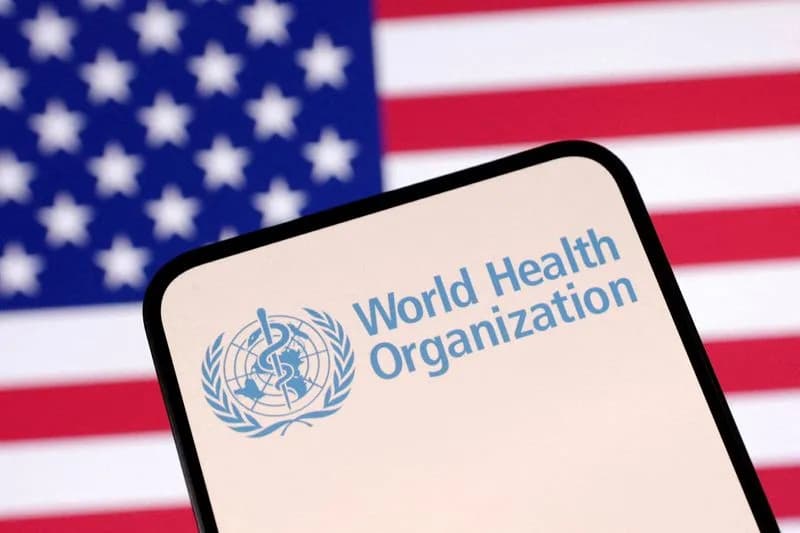
FILE PHOTO: World Health Organization (WHO) logo and U.S. flag are seen in this illustration taken April 23, 2025. REUTERS/Dado Ruvic/Illustration/File Photo
California announced on Jan. 23 that it will become the first U.S. state to join the World Health Organization’s Global Outbreak Alert & Response Network (GOARN), a coalition of more than 360 technical institutions that mobilizes personnel and resources to respond to international public health emergencies.
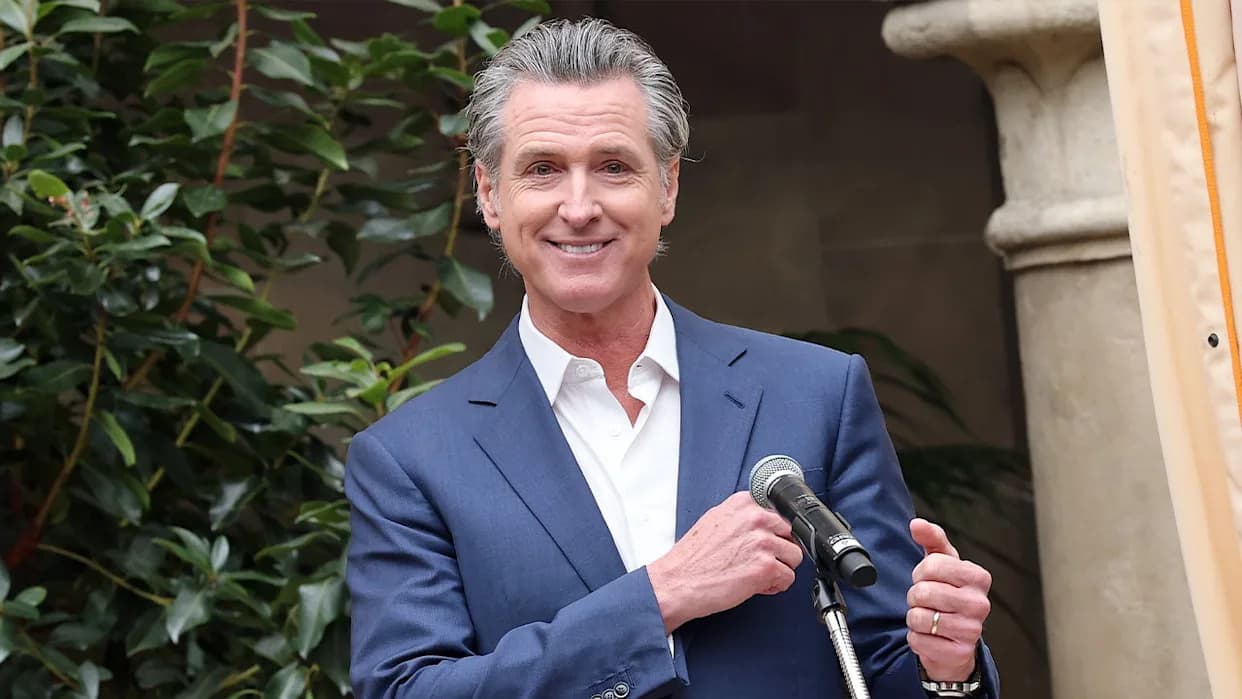
The move follows the federal government’s formal withdrawal from the WHO, which Washington said reflected failures in the U.N. health agency's handling of the COVID-19 pandemic. California’s decision, announced by Governor Gavin Newsom, signals the state’s intent to maintain direct ties with global public health partners.
Why It Matters
GOARN has been activated during major crises, including the COVID-19 pandemic, to coordinate rapid international responses and deploy experts where they are needed most. By joining, California gains a pathway to collaborate on disease surveillance, outbreak investigation and resource deployment alongside international institutions.
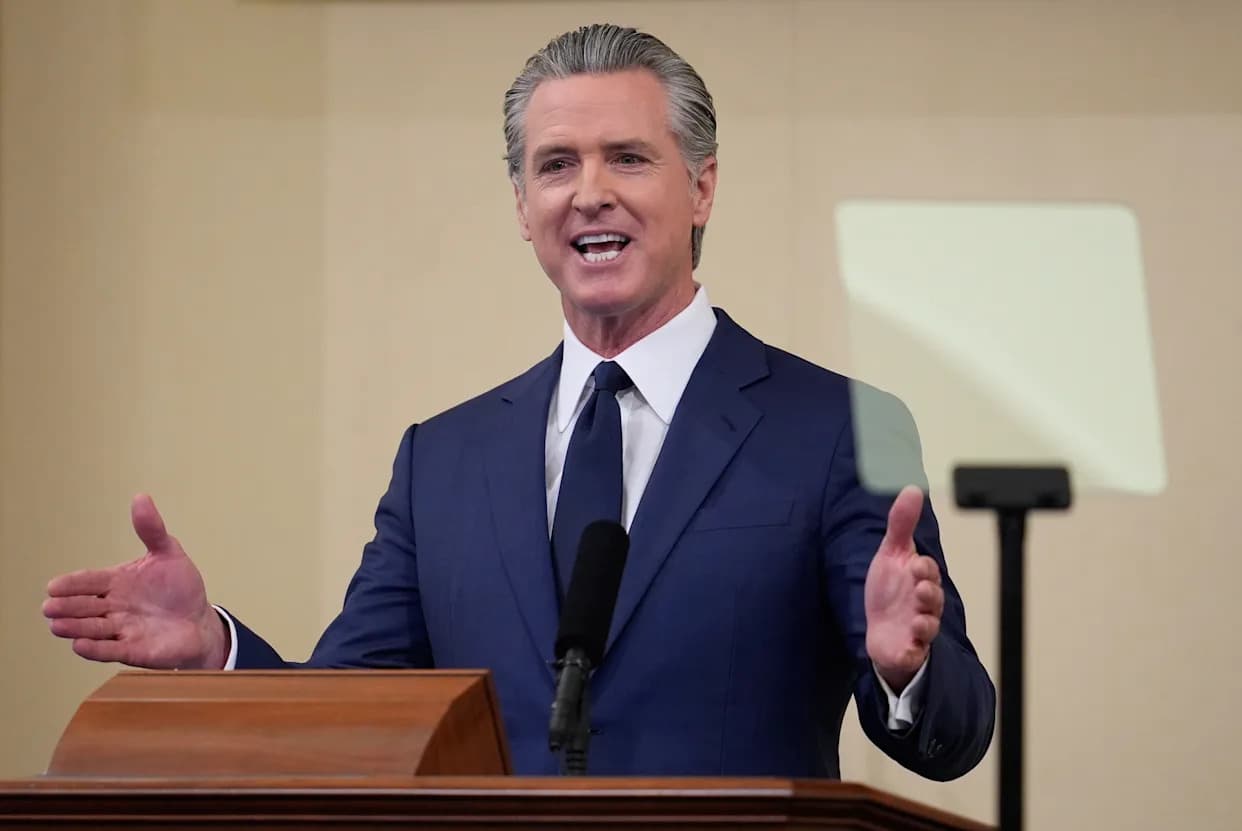
"California will not bear witness to the chaos this decision will bring," Governor Newsom said. "We will continue to foster partnerships across the globe and remain at the forefront of public health preparedness."
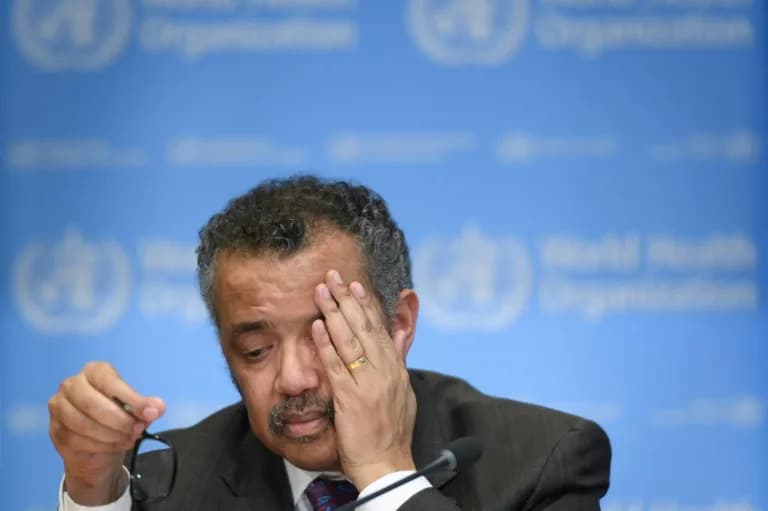
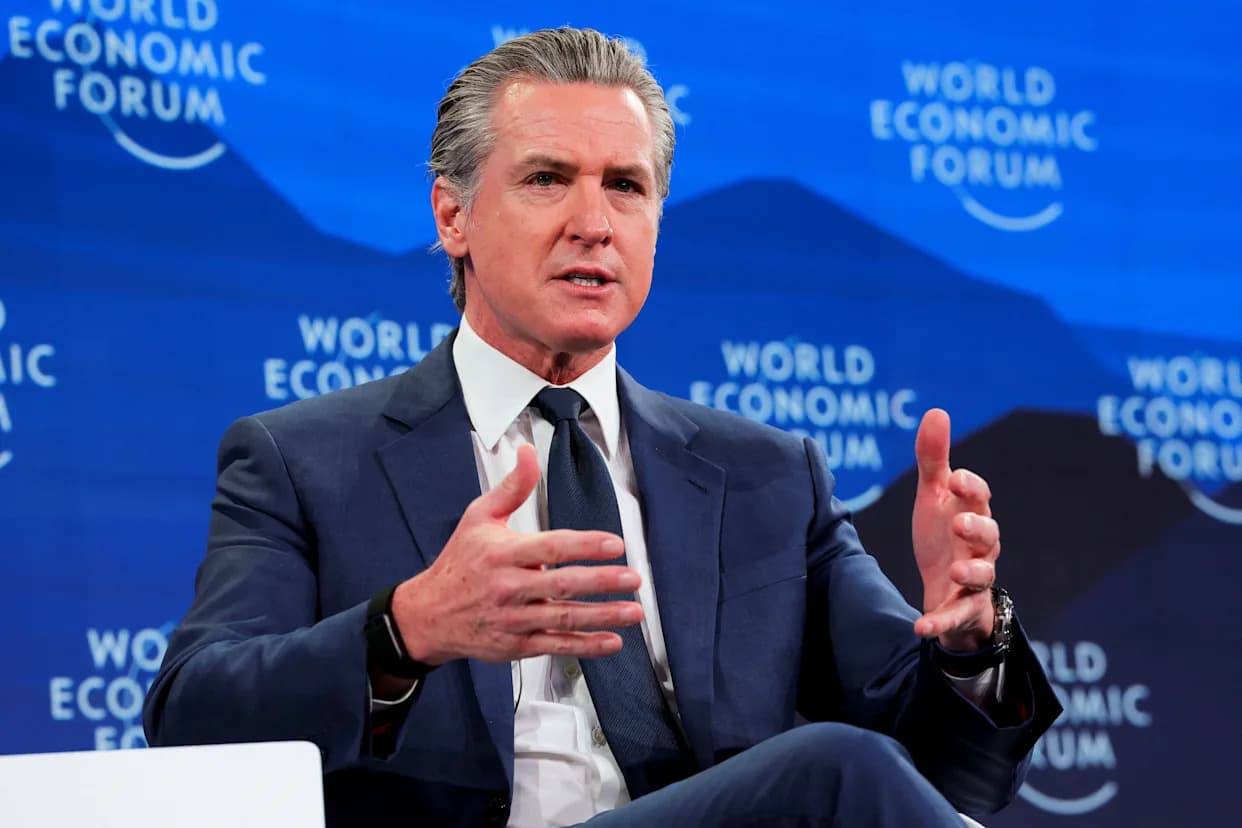
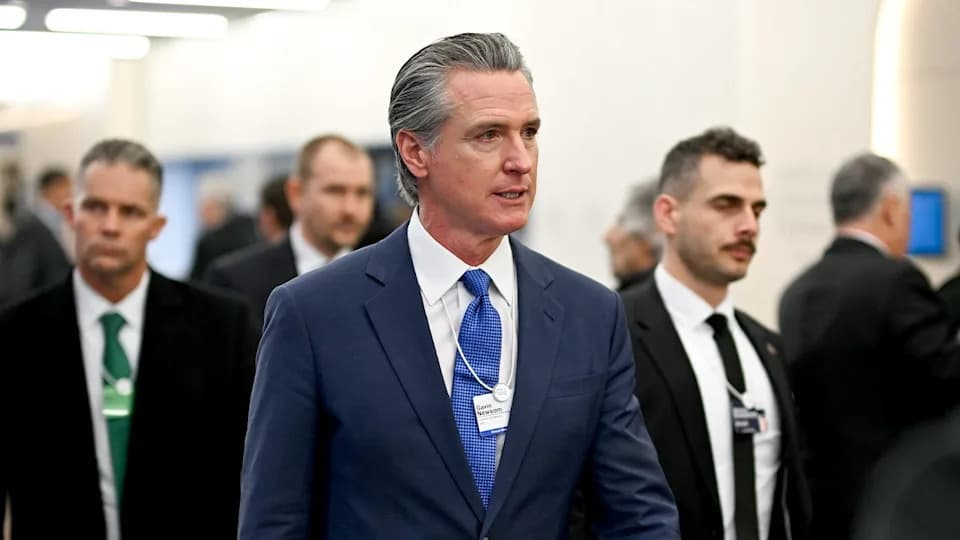
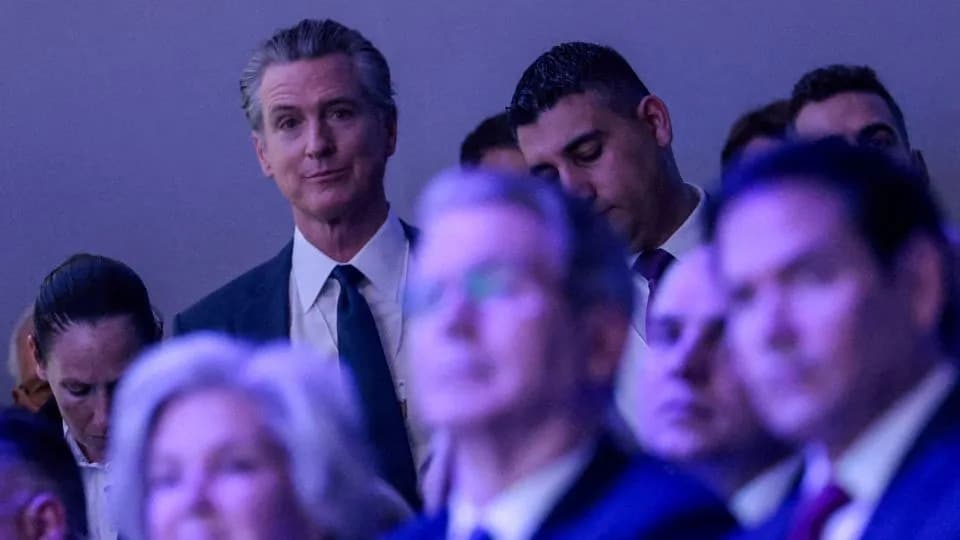
The governor’s office said Newsom met WHO Director-General Dr. Tedros Adhanom Ghebreyesus at the World Economic Forum in Davos this week to discuss cooperation on detecting and responding to emerging health threats. The World Health Organization did not immediately respond to requests for comment.
This step is largely symbolic of subnational engagement in global health, but it may provide California with faster access to international expertise and coordination during future outbreaks. The announcement underscores how states and regions can pursue independent health diplomacy and preparedness when national policy diverges from global institutions.
(Reporting by Jasper Ward; Editing by Rod Nickel)
Help us improve.