The U.S. Treasury's Office of Foreign Assets Control sanctioned five Costa Rican nationals and five companies — including Magic Esthetic Salon — for allegedly moving tons of cocaine from Colombia through Costa Rica to the United States and Europe. Officials identified brothers Luis Manuel "Shock" Picado Grijalba and Jordie Kevin "Noni" Picado Grijalba as central figures; both are in custody and face possible extradition to the U.S. The sanctions freeze U.S. assets and bar U.S. persons from doing business with the named individuals and firms as part of a broader campaign to disrupt Caribbean drug trafficking.
U.S. Sanctions Five Costa Ricans and Five Companies — Including a Beauty Salon — in Major Cocaine Trafficking Case
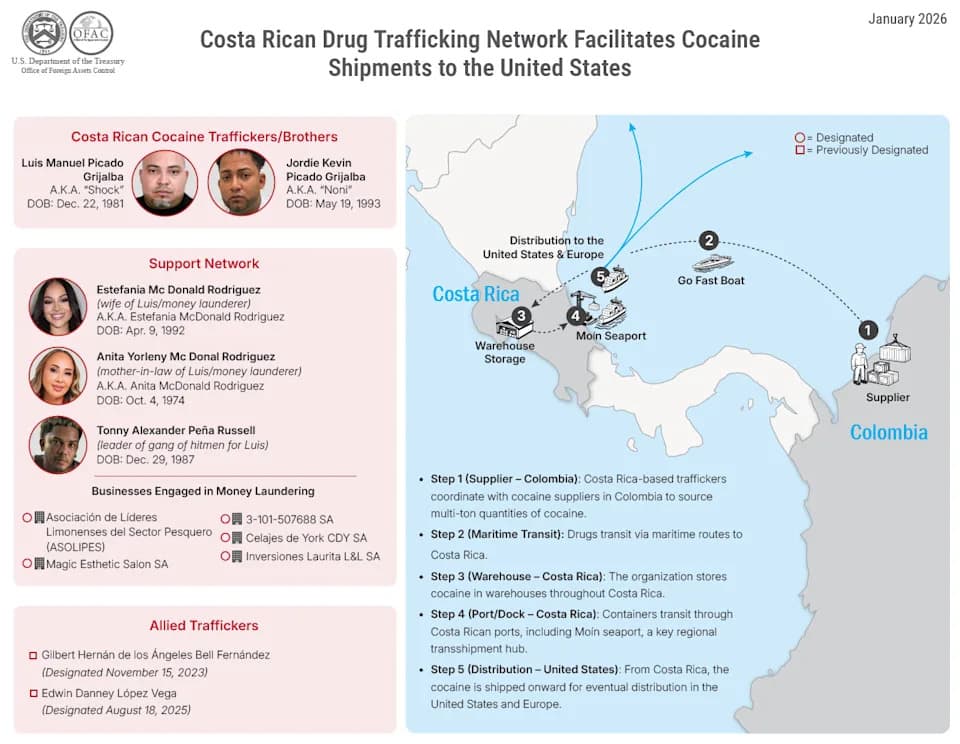
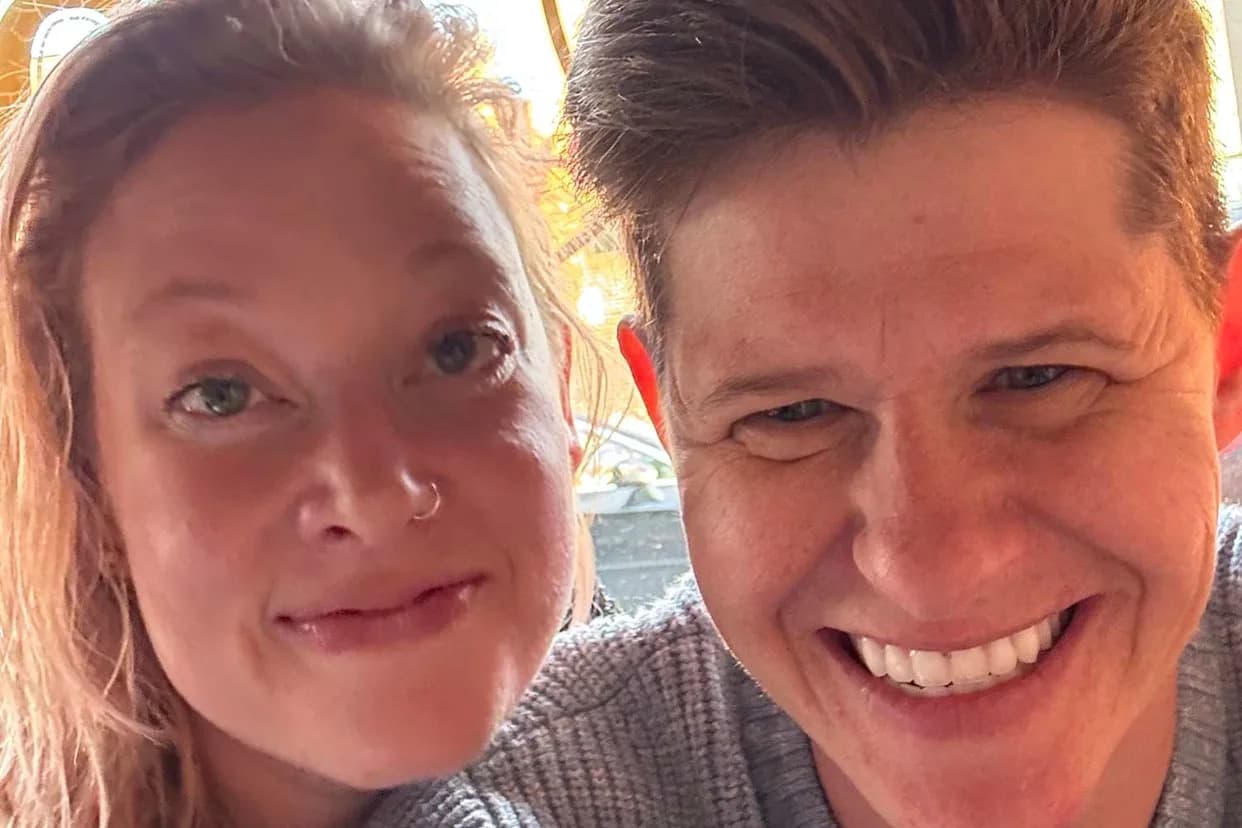
The U.S. imposed sanctions on five Costa Ricans and five Costa Rican entities — including a beauty salon — for allegedly helping to transport tons of cocaine. / Credit: U.S. Treasury Department(U.S. Treasury Department)
The United States has imposed sanctions on five Costa Rican nationals and five Costa Rican businesses — including a beauty salon — accused of facilitating the transportation of large shipments of cocaine from Colombia, storing shipments in Costa Rica and forwarding them to the United States and Europe.
The Treasury Department's Office of Foreign Assets Control (OFAC) identified Costa Rican national Luis Manuel Picado Grijalba, known as "Shock," as a leader of the alleged trafficking network, along with his brother Jordie Kevin Picado Grijalba, known as "Noni." According to the Treasury, the brothers used maritime routes to import cocaine to Costa Rica and stored the drugs in warehouses across the country before onward shipment.
Who Was Targeted
The measures name the two brothers and family-associated individuals and companies, including Shock's wife and mother-in-law and several family-run businesses. OFAC specifically listed Magic Esthetic Salon among the firms allegedly used to launder proceeds and hide ties to the trafficking network.
Arrests and Extradition Status
Authorities say Luis "Shock" Picado was arrested in the United Kingdom in December 2024 and is being held pending a U.S. extradition decision. Jordie "Noni" Picado was arrested in Costa Rica in August 2024 and also remains jailed while extradition is considered.
Investigation and Sanctions Effects
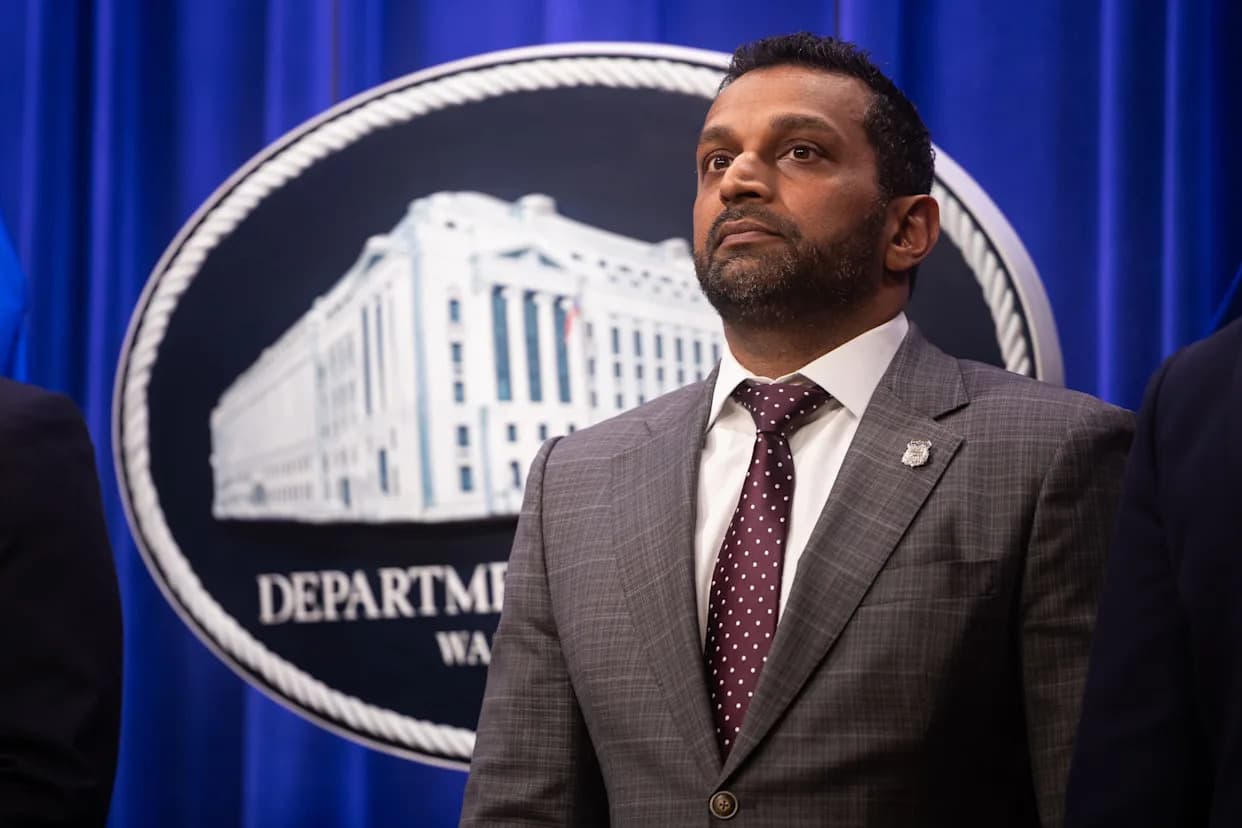
A joint task force involving U.S. Department of Homeland Security and Drug Enforcement Administration field offices, Costa Rica's Office of the Attorney General and other partners helped identify and target the network. Under the sanctions, the named individuals and entities are blocked from accessing property or financial assets in the United States, and U.S. persons and companies are prohibited from doing business with them.
"The entire drug trafficking supply chain — from shipping facilitators to money launderers — bears responsibility for American addictions and deaths," the Treasury Department said in announcing the actions.
Wider Context
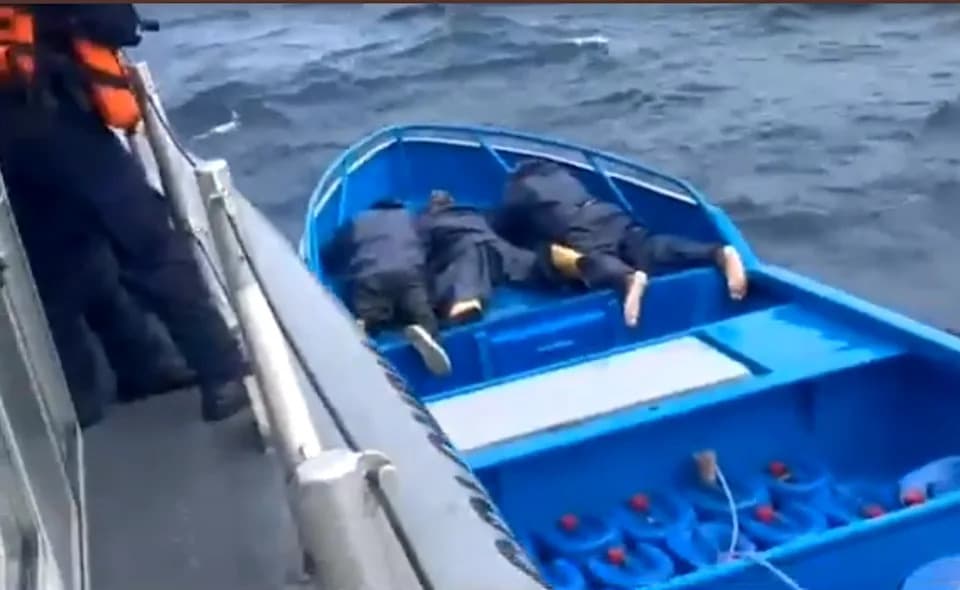
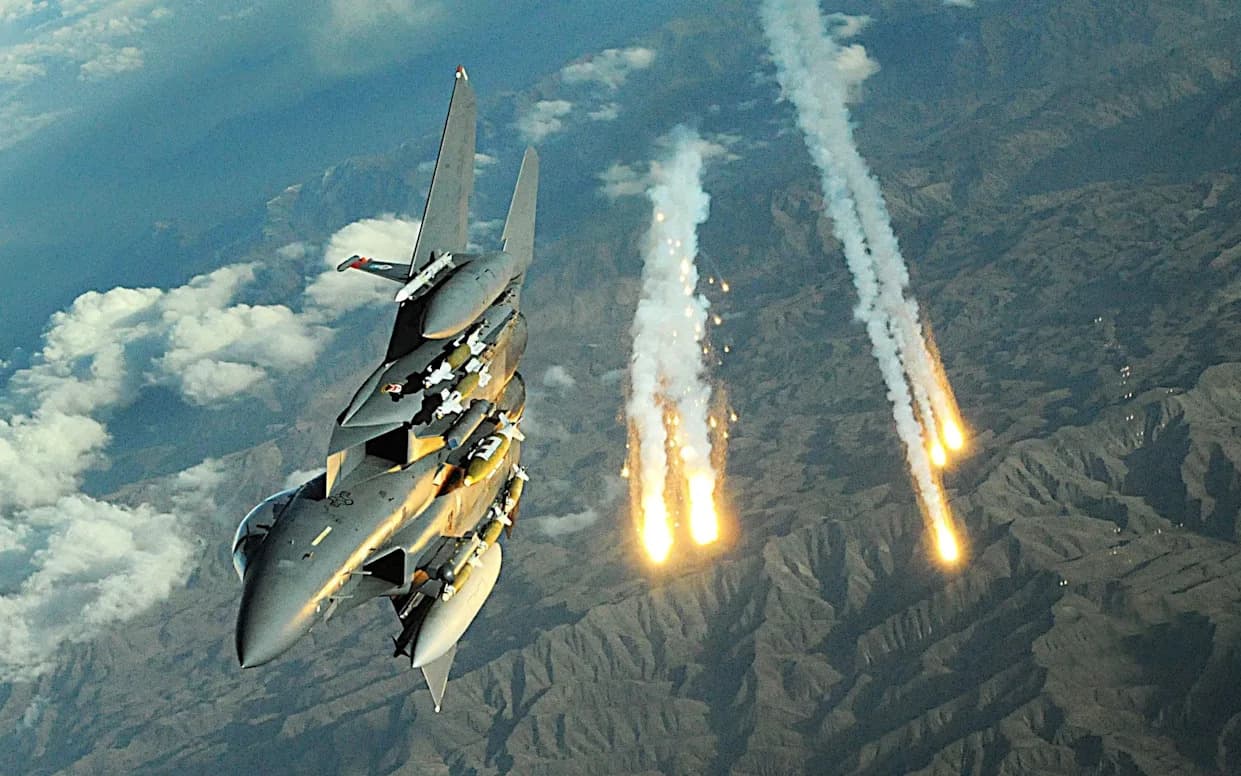
U.S. officials said the sanctions are part of a broader effort to disrupt cocaine trafficking across the Caribbean. Recent U.S. operations referenced by officials have included interdiction efforts at sea and targeted strikes on suspected smuggling vessels; such actions have drawn attention because of reported fatalities and operations that reached into nearby countries' waters. Washington has also stepped up cooperation with Costa Rica on migration and security, including agreements on handling deportees and previous sanctions targeting other traffickers using boats and so-called "narco" submarines.
Note: The designations by OFAC freeze any U.S.-based assets of the sanctioned parties and carry significant legal and financial consequences for anyone in the United States who continues to transact with them.
Help us improve.