Will Goodman, a longtime pro-life activist and co-founder of Red Rose Rescue, was convicted under the federal FACE Act and sentenced to 27 months after a 2022 prosecution that followed coordinated FBI raids. Pardoned by President Trump on Jan. 23, 2025, Goodman was released from Danbury but has continued participating in clinic "rescues," facing new arrests and a recent probationary conviction. He insists on nonviolence, views civil disobedience as a moral duty, and says he will keep returning to clinics even at personal cost.
Pardoned by Trump, Will Goodman Says He’ll Keep Returning to Prison for Clinic Rescues
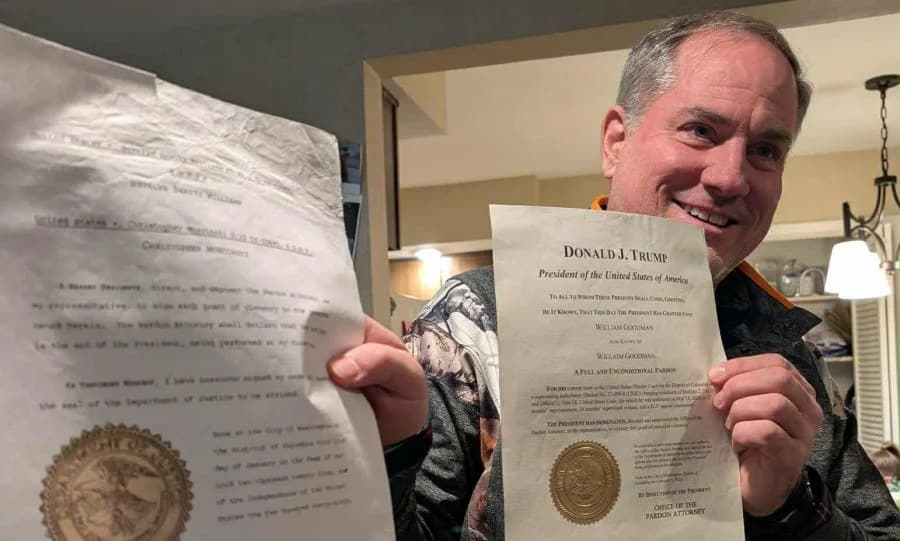
On the night of Jan. 23, 2025, Will Goodman heard his name called over the din of the prison dayroom — once, then twice, then a third time. The announcement on the television was unmistakable: the president had pardoned him. By 2 a.m., correctional officers were escorting him out of the unit. Men he had lived beside for months applauded as he passed. Goodman stepped into a freezing Connecticut night using a walker and wearing a neck brace after a serious fall earlier in his sentence.
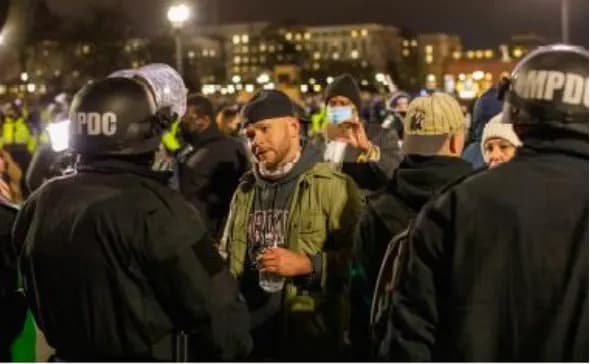
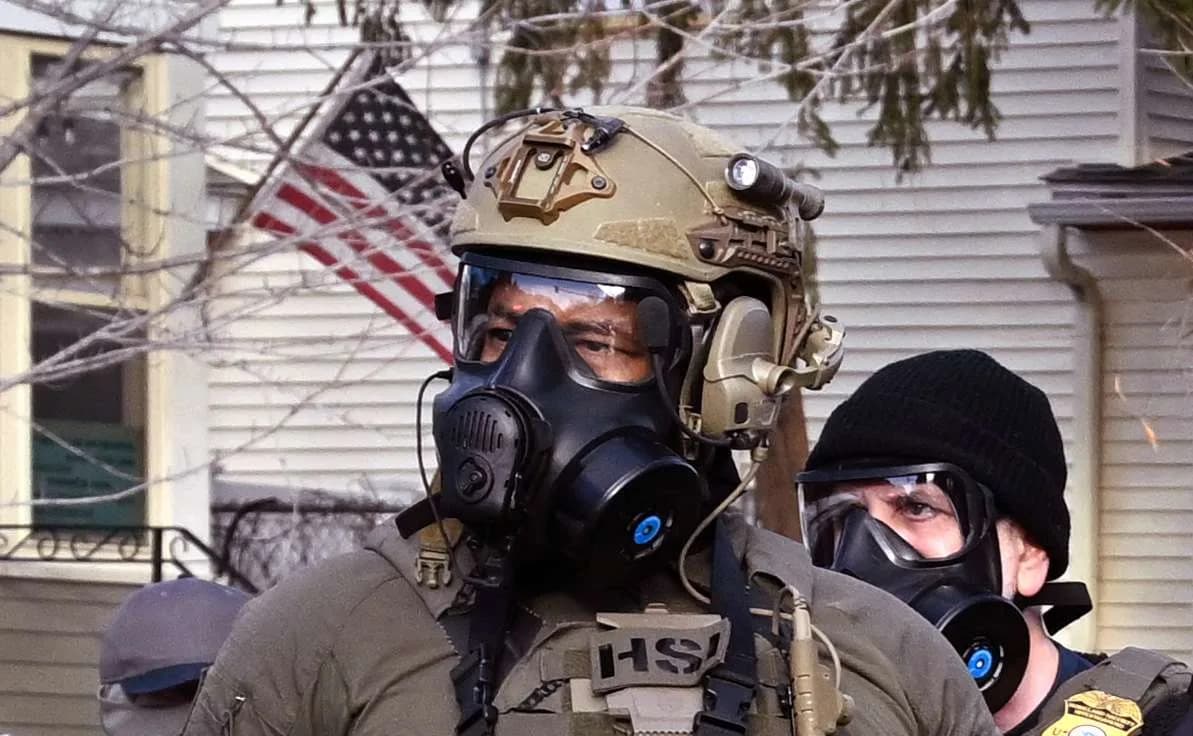
Goodman had been convicted in federal court under the Freedom of Access to Clinic Entrances (FACE) Act for his role in a 2020 protest at a Washington, D.C., clinic. Prosecutors described the action as coordinated and dangerous; in May 2022, the FBI carried out coordinated pre-dawn raids across seven states. A jury found Goodman guilty and a judge sentenced him to 27 months in federal prison.
From Campus Convert to Rescue Activist
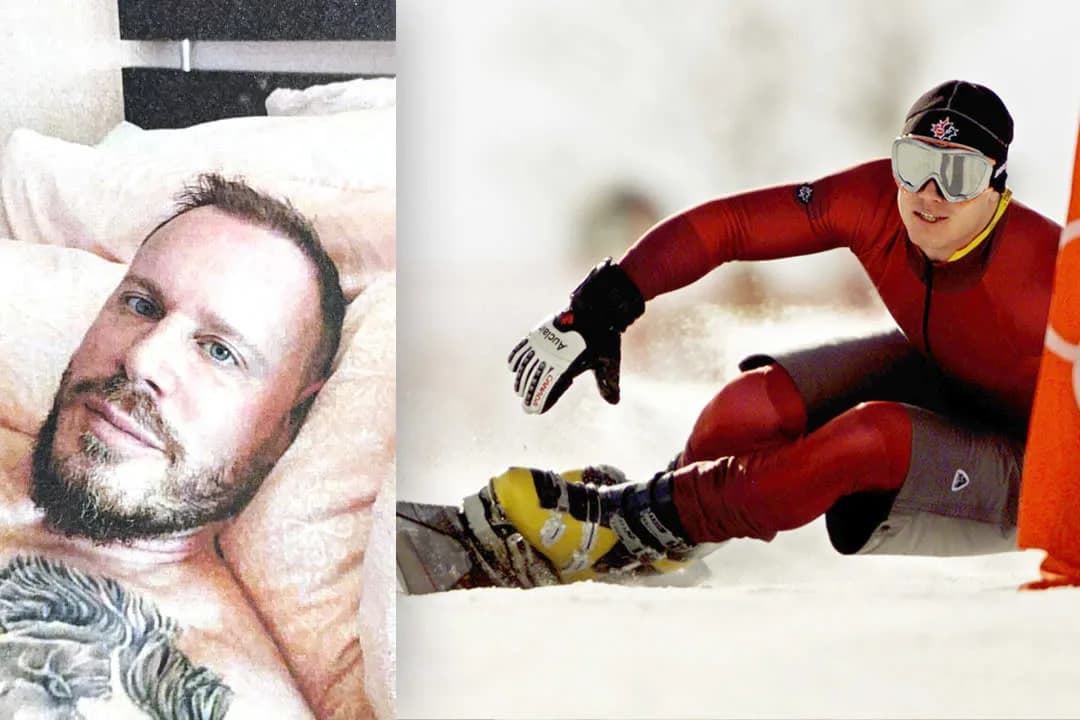
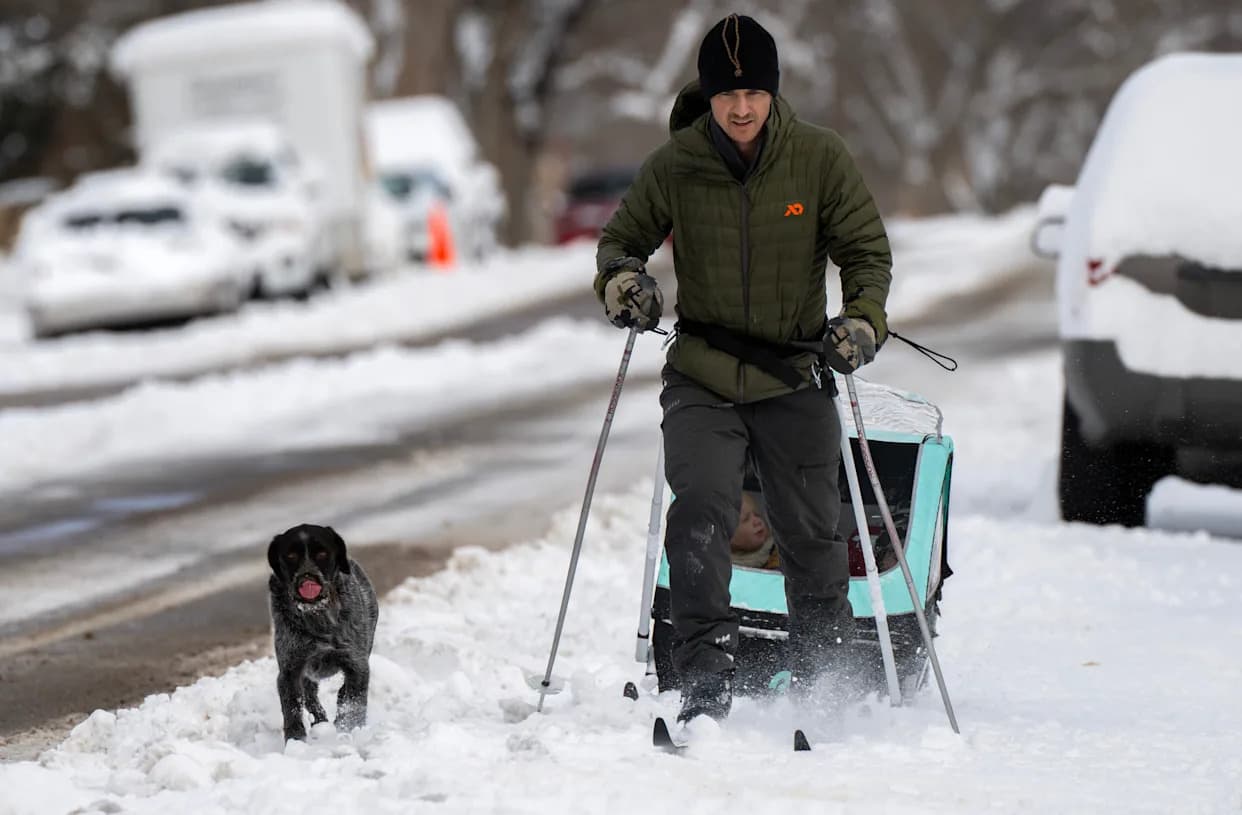
Goodman’s path to direct action began in college. An engineering student and extreme skier, he shifted to philosophy after an accident and started attending Bible study. Two documentaries — "The Silent Scream" and "The Hard Truth" — convinced him abortion involved an unseen victim. He joined a campus pro-life group, heard Pope John Paul II’s exhortation to "defend life," and by 1996 committed to full-time pro-life work.
Over decades he moved from vigils and sidewalk counseling to what he calls "rescue" work. In 2017 he helped found Red Rose Rescue, a network that places activists in clinic waiting rooms to offer roses and information and to refuse to leave — a tactic intended to be nonviolent and focused on presence rather than confrontation.
The 2020 Protest, the 2022 Raids, and the Trial
In October 2020, Goodman and a small group went into a D.C. clinic known for late-term procedures. Some sat in the waiting room praying and blocking a door; others stayed in the hallway offering alternatives. Police and FBI agents questioned the group and released them that night. Eighteen months later, federal authorities executed coordinated raids at homes of activists across multiple states; some people arrested had not been at the original protest.
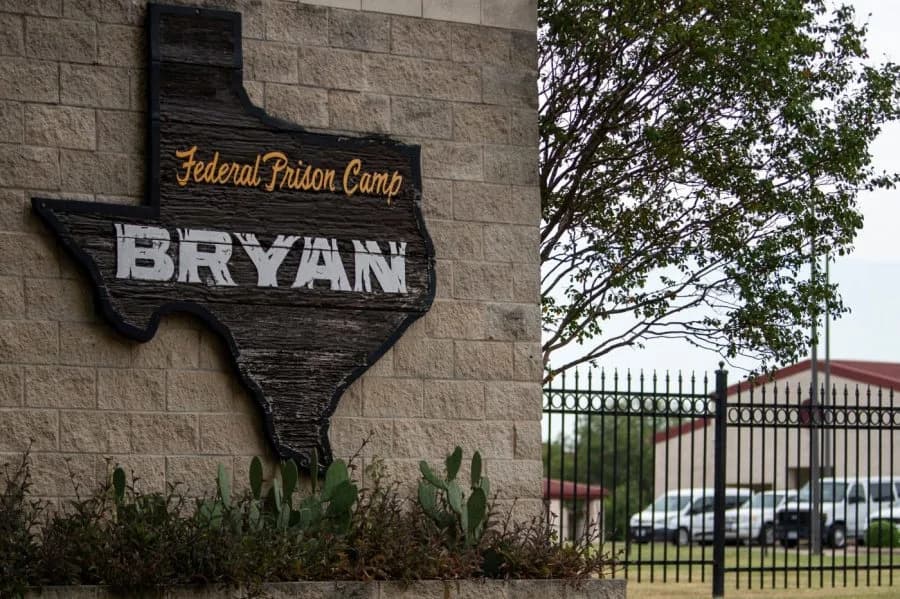
The case went to trial in Washington, where a jury returned guilty verdicts. U.S. Marshals led Goodman from the courtroom into holding cells beneath the courthouse. He was ultimately sent to the low-security federal prison in Danbury, Connecticut, where he spent months among other inmates, including some charged in the Jan. 6 cases.
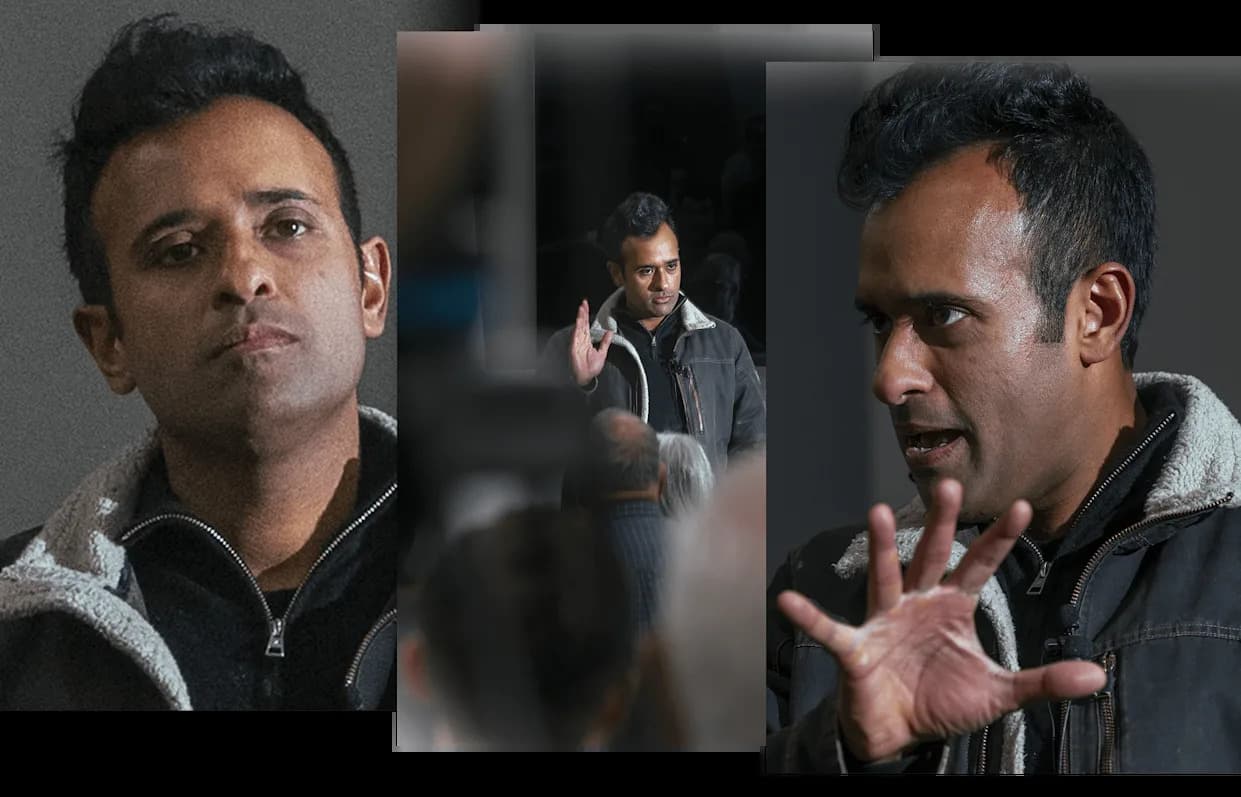
“I’m not a Trumper,” Goodman told the author. “Rescue isn’t political. It’s human.”
Prison, Pardon and Continued Action
Two months before his release, Goodman fell from his bunk and suffered skull fractures and a concussion. The injury left him immobilized for weeks and wearing a neck brace when he walked free after the pardon. The following morning he attended Mass, prayed outside a clinic and ate his first full meal in nearly two years.
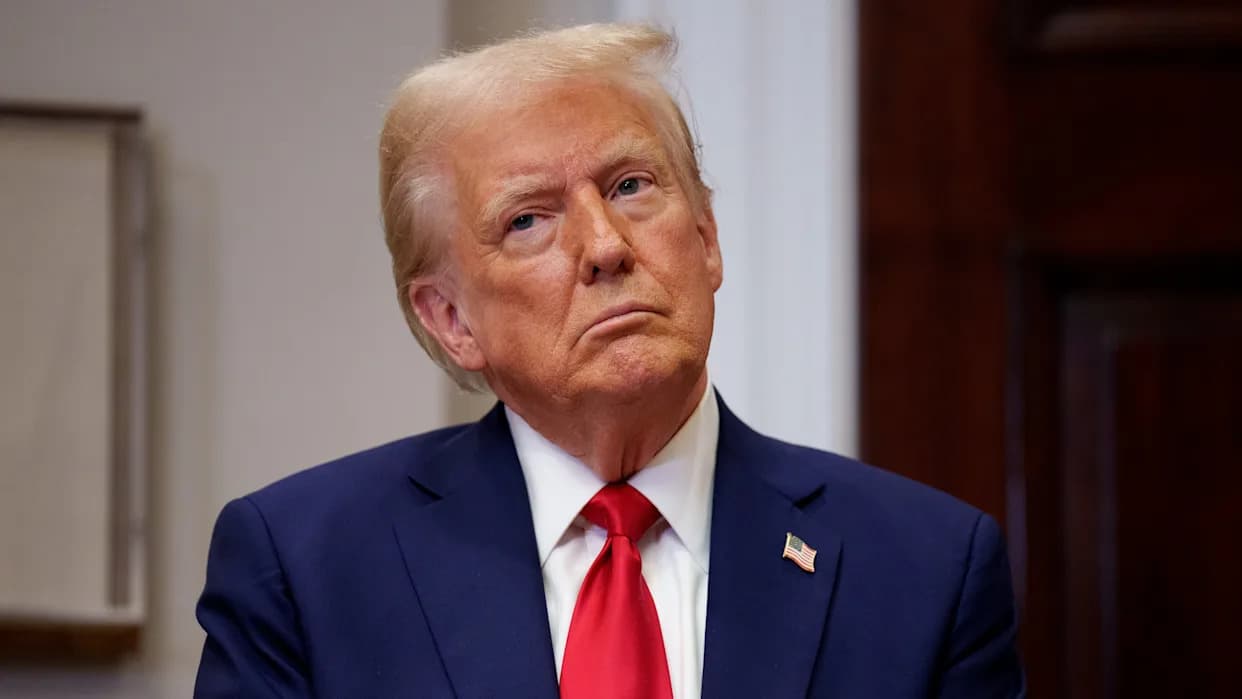
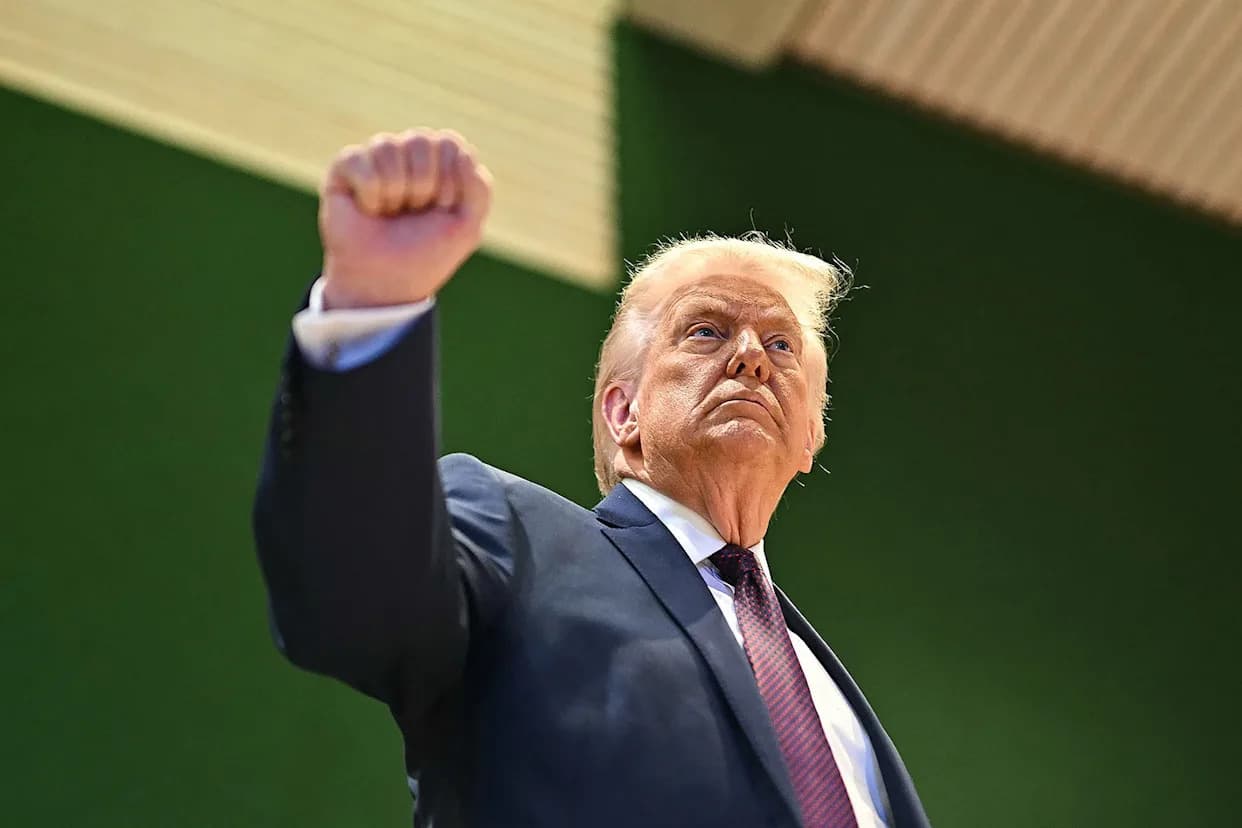
Goodman says the pardon was not primarily about him: he worried elderly co-defendants in their seventies might otherwise die behind bars. He also expressed ambivalence about President Trump’s broader record on life issues, noting the pardon did not appear to offer an obvious political advantage to the president.
Publicly visible after his release — including appearances on Fox News and Steve Bannon’s program — Goodman returned quickly to activism. Since the pardon he has participated in additional rescues, was arrested again last summer, and in March was convicted in a separate case and placed on probation. He says another rescue is planned and expects to be arrested again.
Cost of Conscience
Every arrest adds a second sentence borne by his family: his parents, sister, niece and nephew, whose milestones he misses. Asked whether his family understands his calling, he hesitated: “I don’t know if I fully understand it myself. There’s a mystery in love. You’re making a sacrifice, and you don’t always know if there’s fruit attached to it.”
When asked if he could be wrong, he answered without pause. “Sure.” He forces himself to consider alternatives — what if life begins at first breath rather than conception? Still, he returns to the same question: “Is the human life in the womb worthy of love? And if I’m wrong, then at least I die trying to love.”
Daniel Allott is the former opinion editor at The Hill and the author of On the Road in Trump’s America: A Journey Into the Heart of a Divided Country.
Copyright 2026 Nexstar Media, Inc. All rights reserved. This material may not be published, broadcast, rewritten, or redistributed. For the latest news, weather, sports and streaming video, visit The Hill.
Help us improve.