Elizabeth Holmes, founder of Theranos, is serving federal prison time after her conviction on fraud charges tied to faulty blood-testing claims. Her 2022 conviction was upheld on appeal in June 2024, and she began serving her sentence at Federal Prison Camp Bryan in May 2023; her term has been reduced for good behavior with a projected release in December 2031. Holmes has described incarceration as “hell and torture” and in January 2026 reportedly asked President Trump for clemency. Her rise and fall have become a cautionary tale about hype, oversight and ethics in medical technology.
Where Is Elizabeth Holmes Now? Inside the Theranos Founder’s Life in Prison
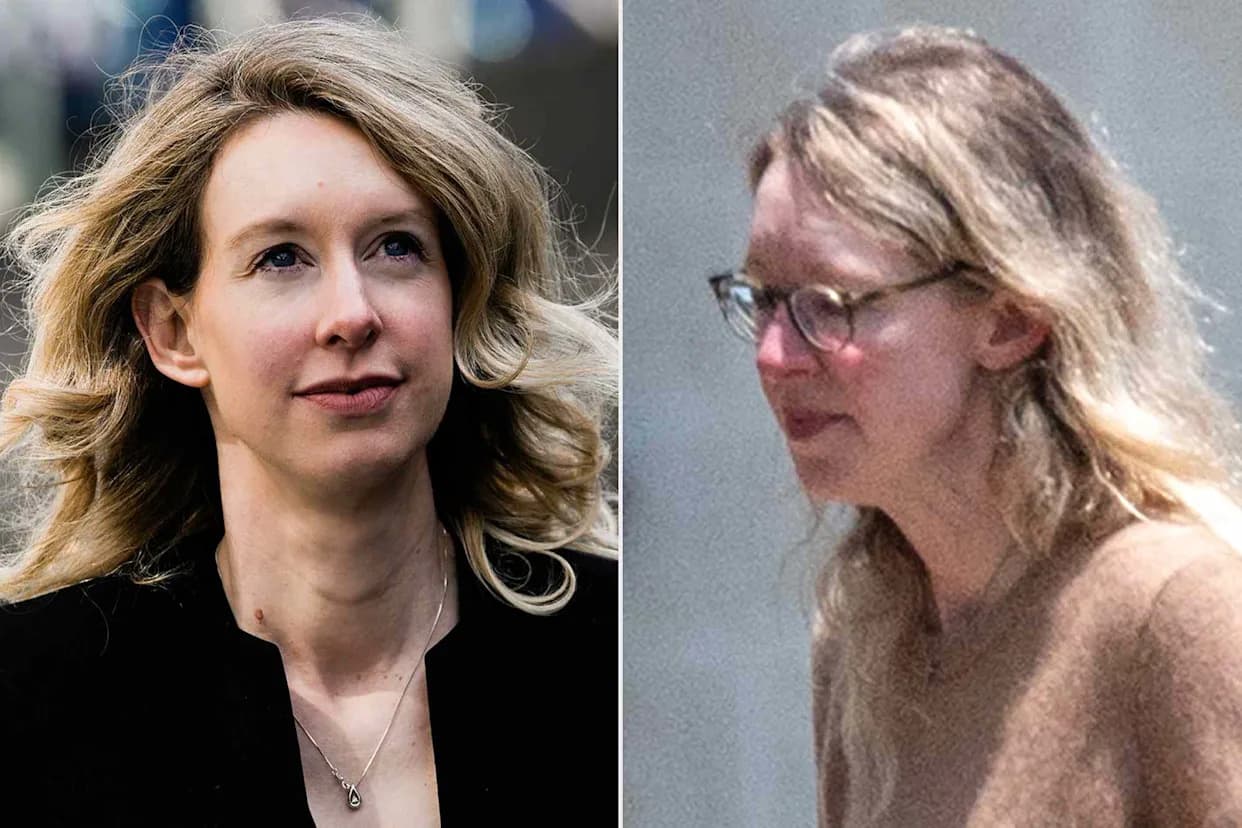
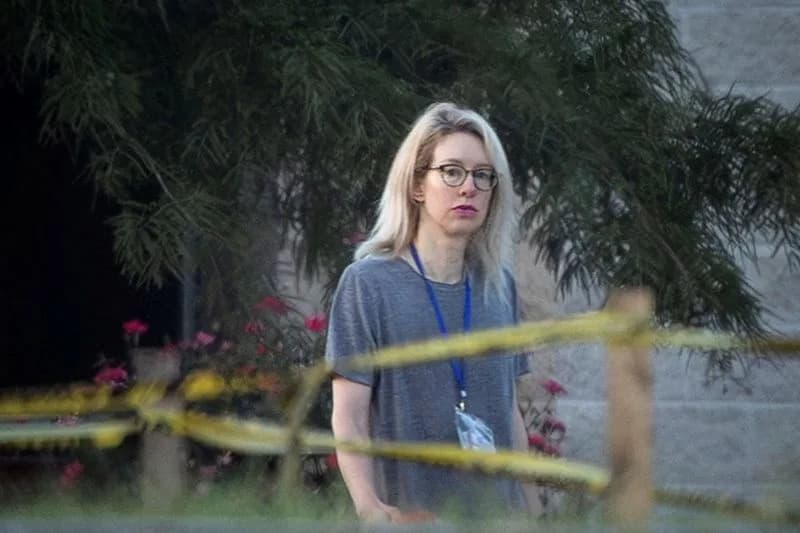
Philip Pacheco/Getty ; Sergio Flores/Bloomberg via GettyElizabeth Holmes leaves the Robert E. Peckham U.S. Courthouse on March 17, 2023 in San Jose, California ; Elizabeth Holmes at Federal Prison Camp on May 30, 2023 in Bryan, Texas.
Elizabeth Holmes rose from Stanford dropout to a Silicon Valley celebrity as the founder of Theranos, a company that promised to revolutionize blood testing. Her dramatic fall — driven by investigative reporting, regulatory scrutiny and criminal charges — made her a global cautionary tale about startup hype, medical technology and corporate responsibility.
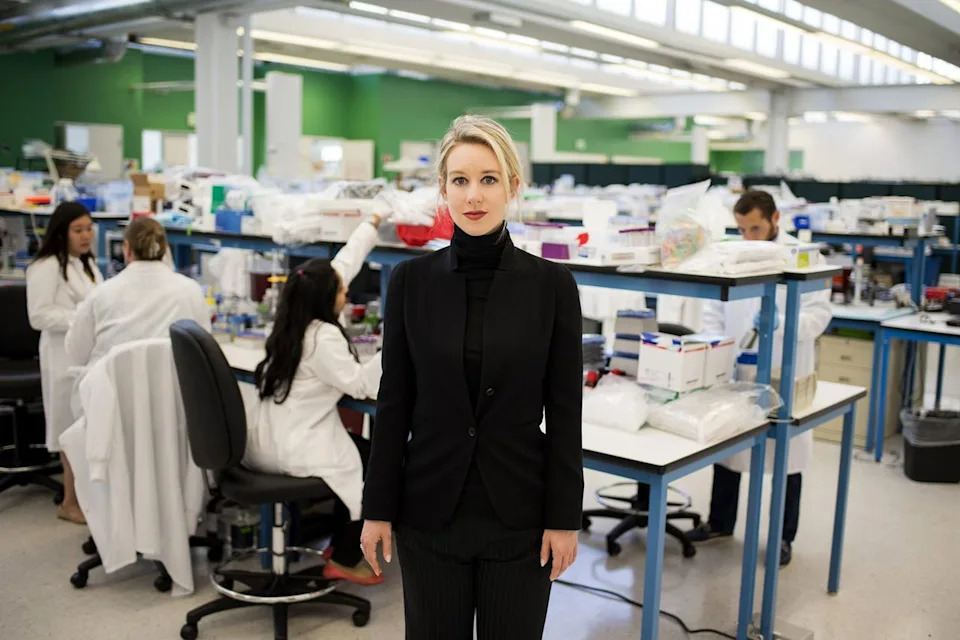
HBO Elizabeth Holmes
Rise and Rapid Collapse
Holmes founded Theranos after leaving Stanford in 2004. The company claimed its Edison device could run multiple blood tests using just a few drops of blood. By 2014 Theranos had secured high-profile investors and a board of prominent political and military figures, and Holmes was named on Forbes’ list of the richest women in America as the company’s valuation approached $9 billion.
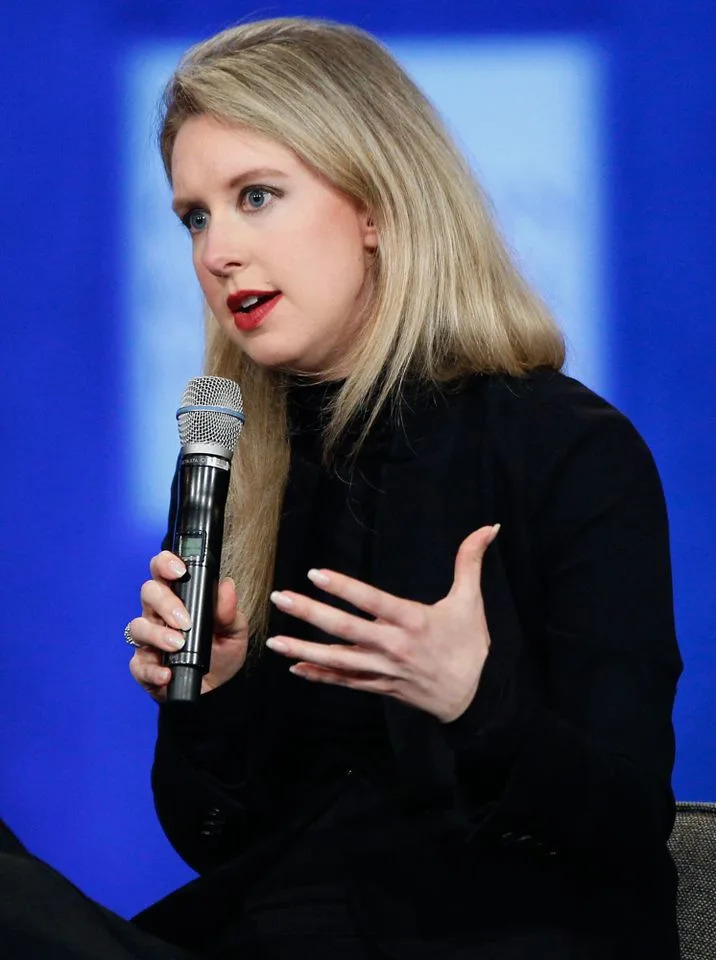
JP Yim/GettyElizabeth Holmes speaks on stage during the closing session of the Clinton Global Initiative 2015 on September 29, 2015 in New York City.
Investigation and Regulatory Action
That success unraveled after a 2015 Wall Street Journal investigation by John Carreyrou found that Theranos’ proprietary machines often failed to produce reliable results and that the company routinely used third-party instruments for many tests. Regulators quickly intervened: the FDA and the Centers for Medicare & Medicaid Services (CMS) scrutinized Theranos’ practices, the company stopped using its small collection vials at the FDA’s request, and CMS later cited the Newark, California laboratory for violations and barred Holmes from owning or operating clinical laboratories for two years.
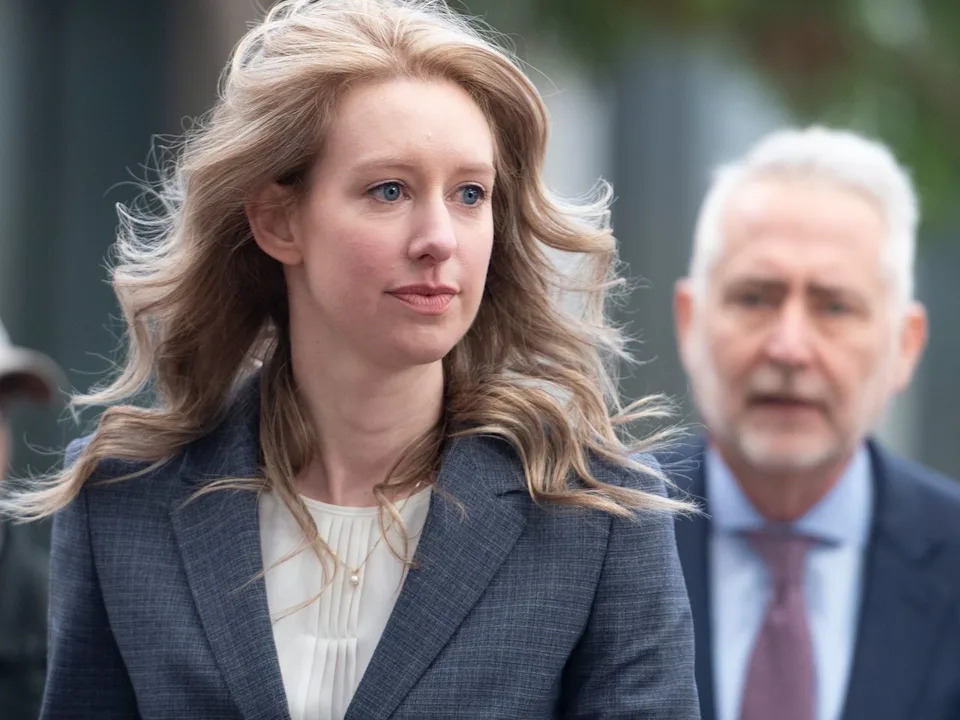
Yichuan Cao/NurPhoto/GettyElizabeth Holmes arrives at the U.S. District Court House for a motion hearing on November 4, 2019.
Criminal Charges, Trial and Sentencing
In June 2018 prosecutors charged Holmes and former Theranos president Ramesh “Sunny” Balwani with multiple counts of wire fraud and conspiracy. Holmes pleaded not guilty and stepped down as CEO. After delays that included logistical issues, COVID-related pauses and Holmes’ pregnancy, her trial began in late 2021. In January 2022 a jury convicted her on three counts of wire fraud and one count of conspiracy to commit wire fraud, acquitting her on some counts and leaving others undecided.
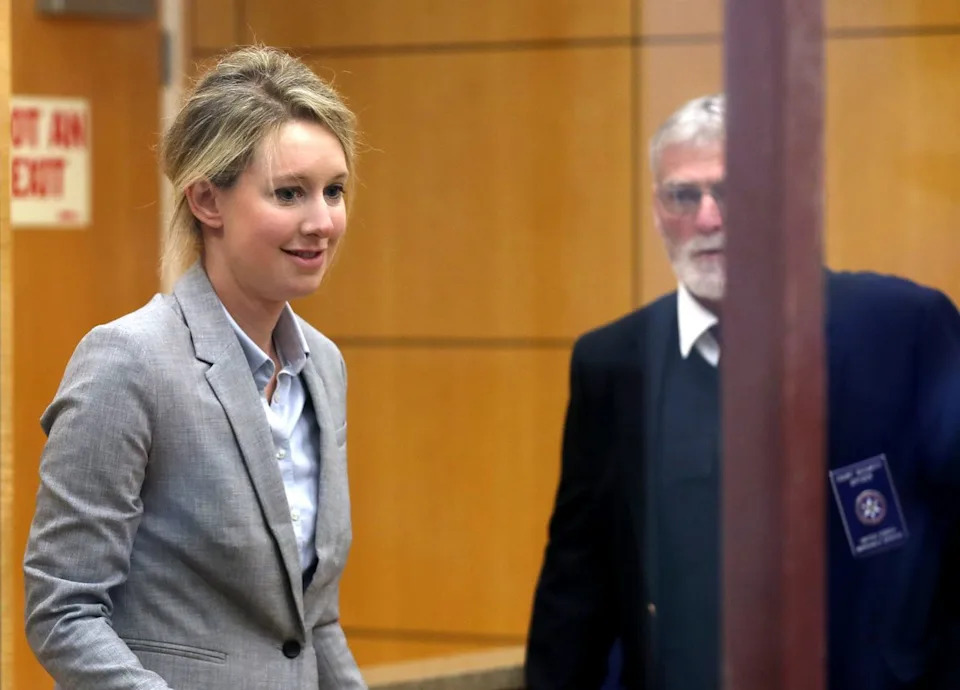
Justin Sullivan/Getty Images Elizabeth Holmes arrives at the Robert F. Peckham U.S. Federal Court on April 22, 2019
In November 2022 U.S. District Judge Edward Davila sentenced Holmes to 11 years and three months in federal prison, followed by three years of supervised release. Her sentence was later reduced to the equivalent of nine years for good behavior, with a projected release date of December 30, 2031.
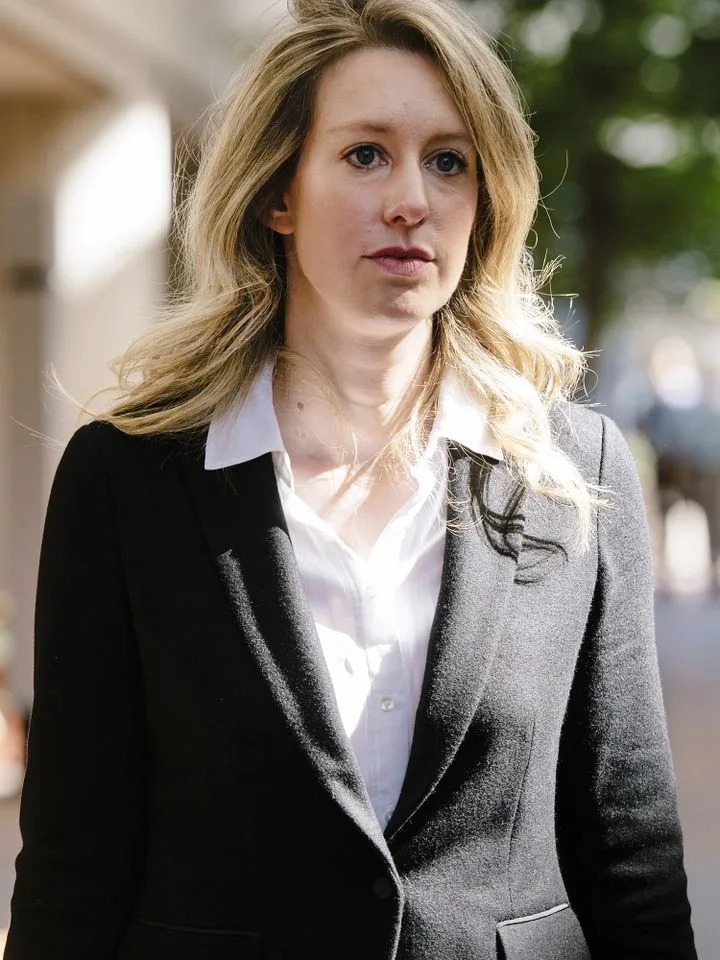
Michael Short/Bloomberg/GettyElizabeth Holmes leaves federal court in San Jose on October 2, 2019.
Prison Life, Appeal and Clemency Request
Holmes began serving her sentence on May 30, 2023, at Federal Prison Camp Bryan, a minimum-security women’s facility in Bryan, Texas. She has described incarceration as “hell and torture” in interviews. Her appeal was heard in June 2024, and the conviction was upheld. In January 2026 media reports confirmed that Holmes petitioned President Donald Trump for clemency; the White House has not publicly commented on the request.
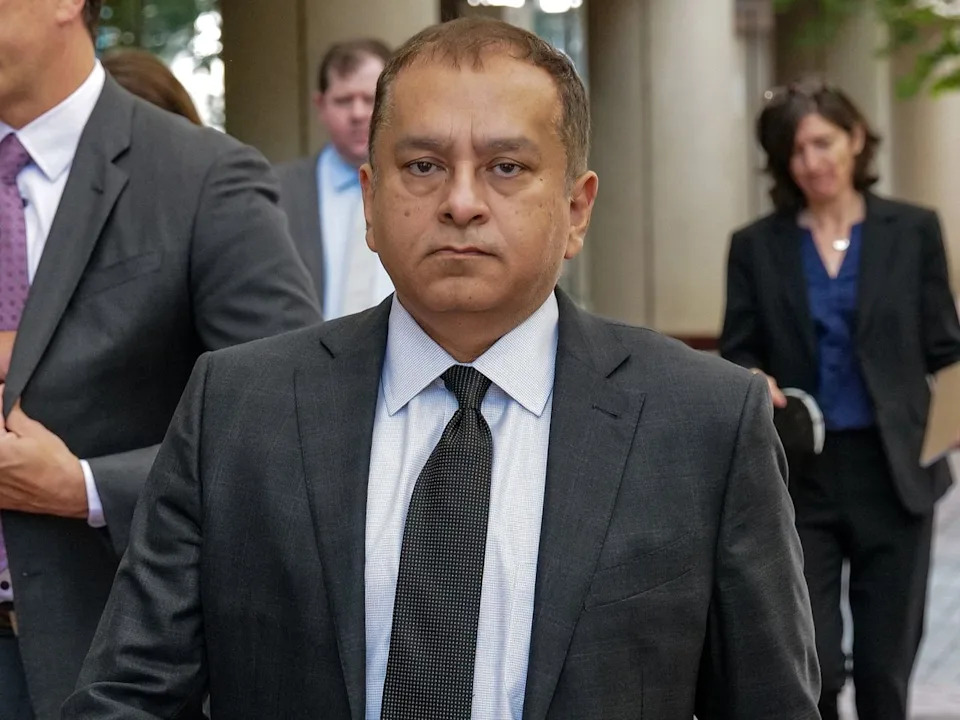
Paul Morris/Bloomberg/GettySunny Balwani exits federal court in San Jose on July 5, 2022.
Personal Notes And Cultural Legacy
Holmes’ story has been widely chronicled in books and dramatizations, including the 2018 investigative book Bad Blood and the Hulu miniseries The Dropout. Her former romantic and business partner, Sunny Balwani, was separately convicted in July 2022, sentenced to nearly 13 years in December 2022, and began serving his sentence in April 2023. Holmes and her partner, Billy Evans, have two children: William (born July 2021) and a younger daughter, Invicta, born after Holmes’ sentencing.
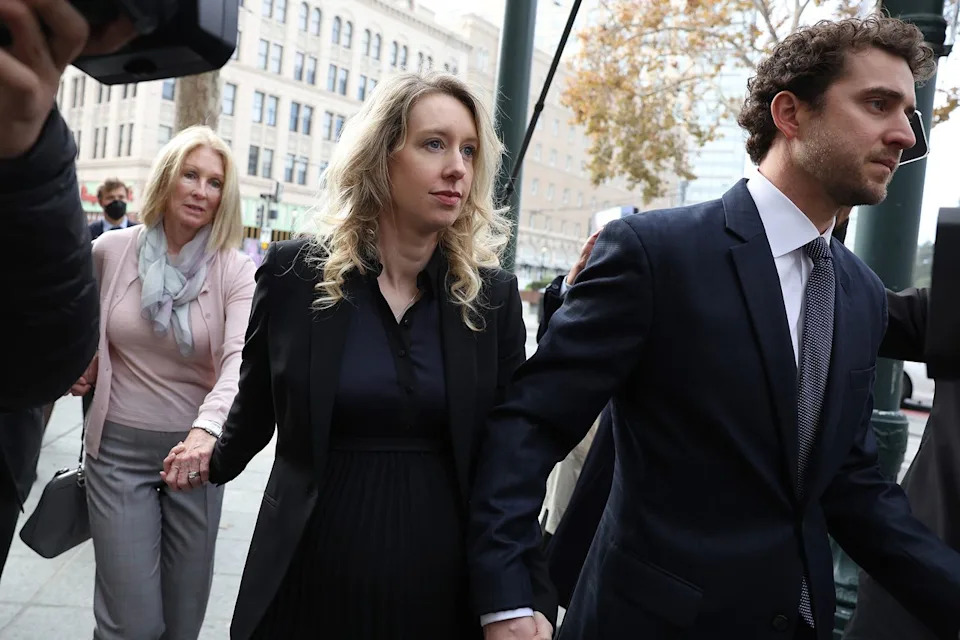
Justin Sullivan/GettyElizabeth Holmes arrives at federal court with her partner Billy Evans and mother Noel Holmes on November 18, 2022.
“The people I love the most have to walk away as I stand here, a prisoner, and my reality sinks in,” Holmes told PEOPLE, describing the difficulty of family visits. Camp Bryan permits multi-hour family visits twice weekly.
Holmes’ case remains an important reference point for discussions about startup culture, investor due diligence, regulatory oversight and the consequences when medical technologies fail to meet scientific and safety standards.
Help us improve.