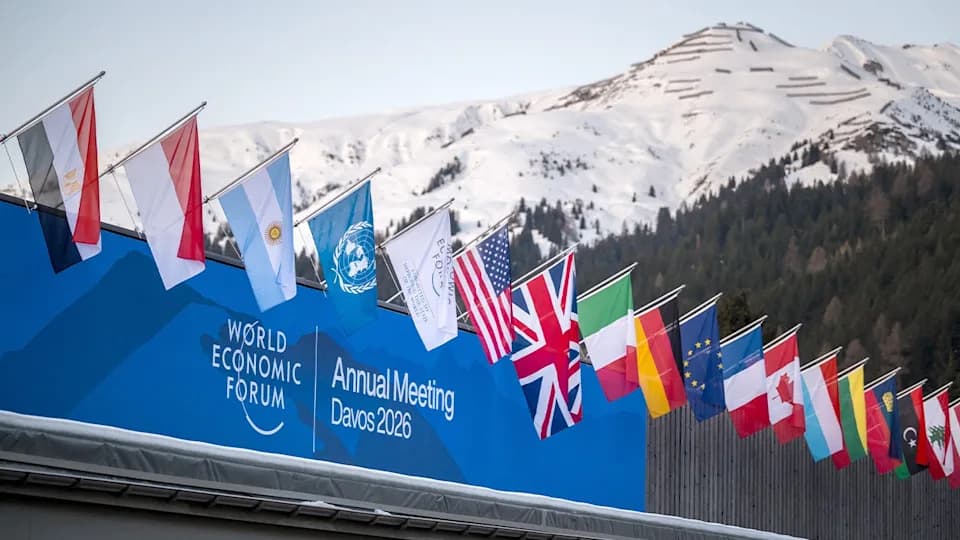
At Davos, Ukrainian President Volodymyr Zelensky warned that Iran's deadly crackdown on protests demonstrates that "kill enough people, and you stay in power," prompting a harsh rebuttal from Iran's foreign minister Abbas Araghchi on X. Araghchi accused Zelensky of enriching corrupt military figures and mocked his former career as a comedian. Iranian authorities report more than 3,000 deaths, while rights groups warn the toll could be much higher amid an internet blackout. The exchange comes as Russia and Iran signal closer ties and Western governments continue to accuse Tehran of providing weapons to Russia—a claim Iran denies.
Zelensky's Davos 'Bully' Remark Sparks Furious Rebuke From Iran
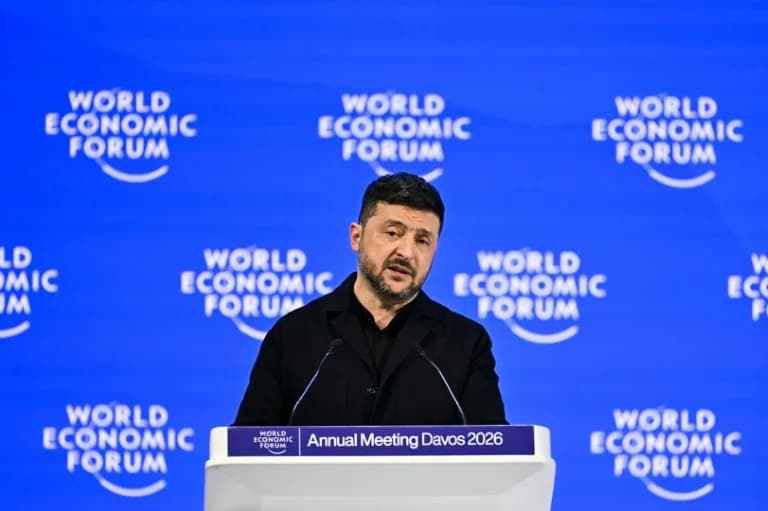
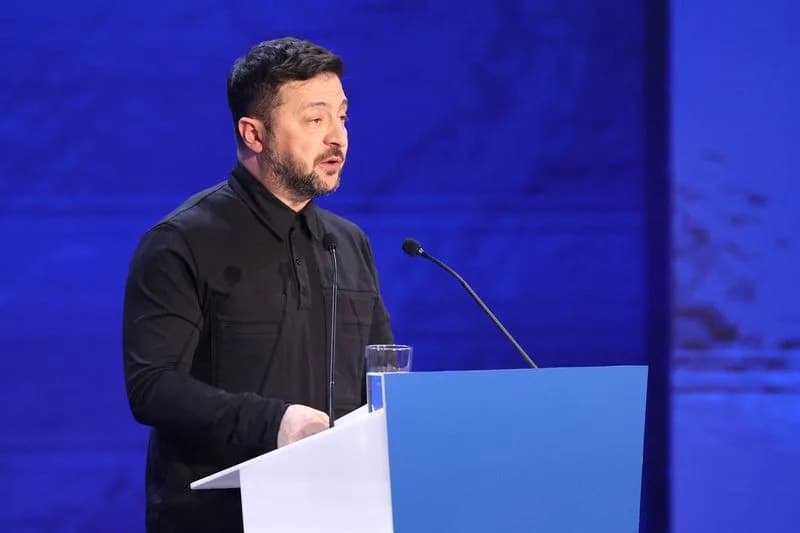
Ukraine's President Volodymyr Zelensky said the protests became 'drowned in blood' (Fabrice COFFRINI)(Fabrice COFFRINI/AFP/AFP)
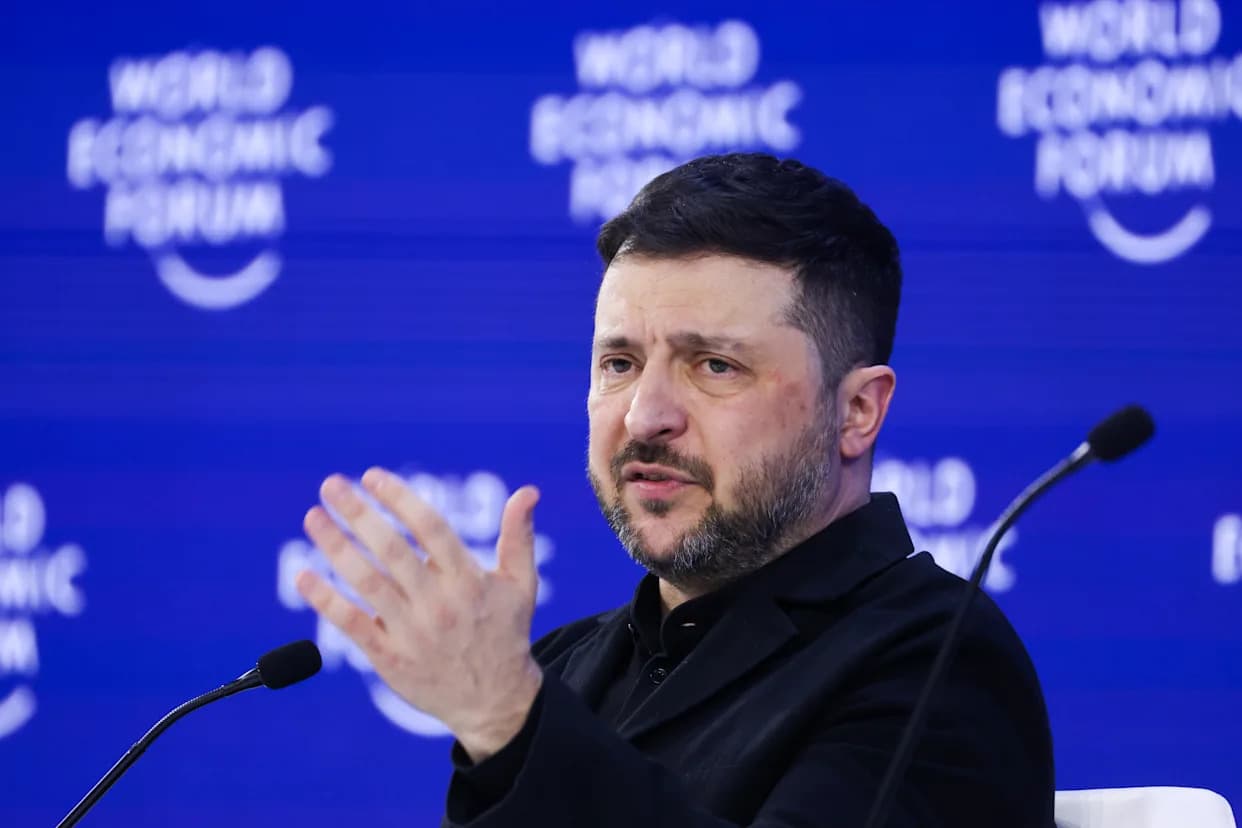
Iran's foreign minister launched a sharp public attack on Ukrainian President Volodymyr Zelensky after Zelensky told the World Economic Forum in Davos that the deadly crackdown on protests in Iran signaled a dangerous lesson: "kill enough people, and you stay in power." The exchange highlights growing tensions over human rights, regional alliances and the war in Ukraine.
Tehran's Response
Foreign Minister Abbas Araghchi replied on X (formerly Twitter) in an English-language post, accusing Zelensky of "rinsing American and European taxpayers to fill the pockets of his corrupt generals" and taunting him as one of the "Confused Clowns," an apparent jab at Zelensky's former career as a comedian. Araghchi also insisted that Iran does not need foreign help to defend itself, calling Ukraine's armed forces "foreign-backed and mercenary-infested."
"The world has had enough of Confused Clowns, Mr Zelensky," Araghchi wrote. "Unlike your foreign-backed and mercenary-infested military, we Iranians know how to defend ourselves and have no need to beg foreigners for help."
Context And Claims
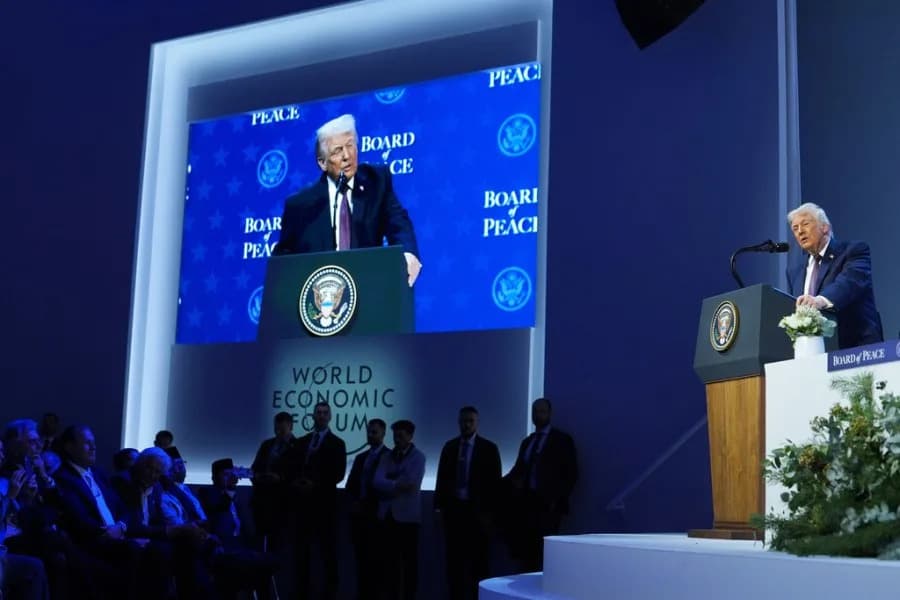
Zelensky, who has led Ukraine through nearly four years of full-scale invasion by Russia, used the Davos platform to argue that the international community was slow to act on the Iranian protests. He said the unrest—which began around the Christmas and New Year holidays in Europe—was met with deadly force while global attention waned.
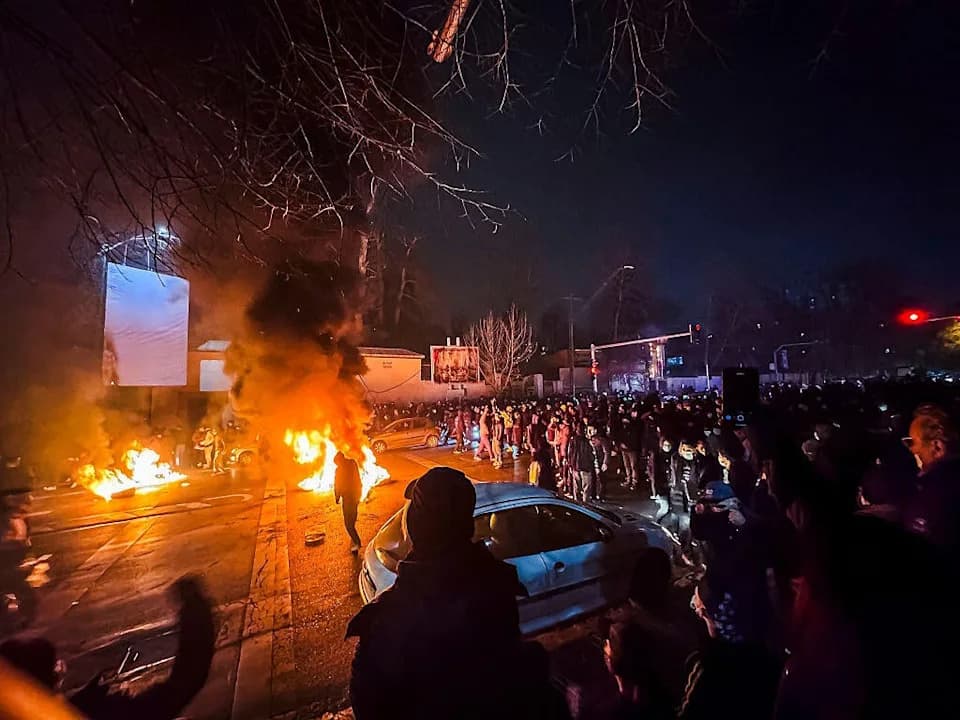
"There was so much talk about the protests in Iran — but they drowned in blood. The world has not helped enough the Iranian people, it has stood aside," Zelensky said, speaking in English.
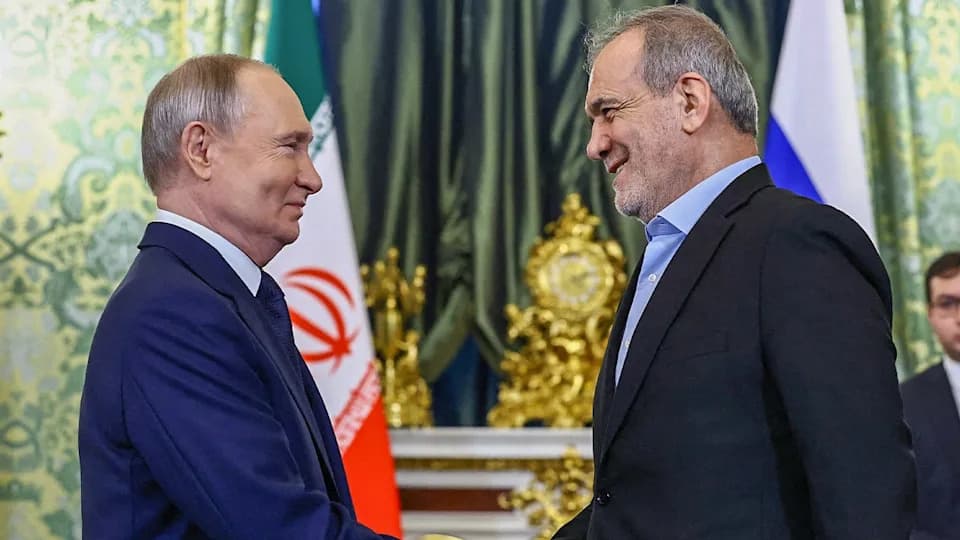
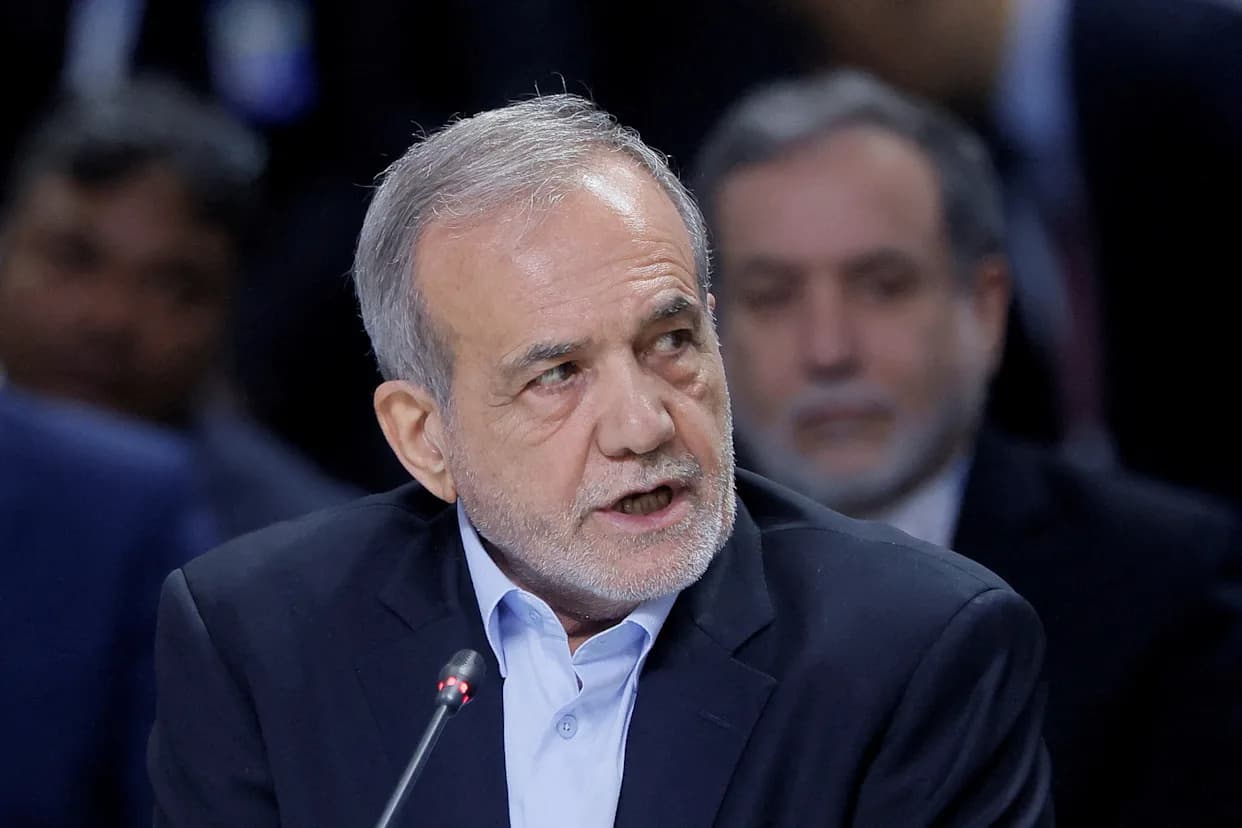
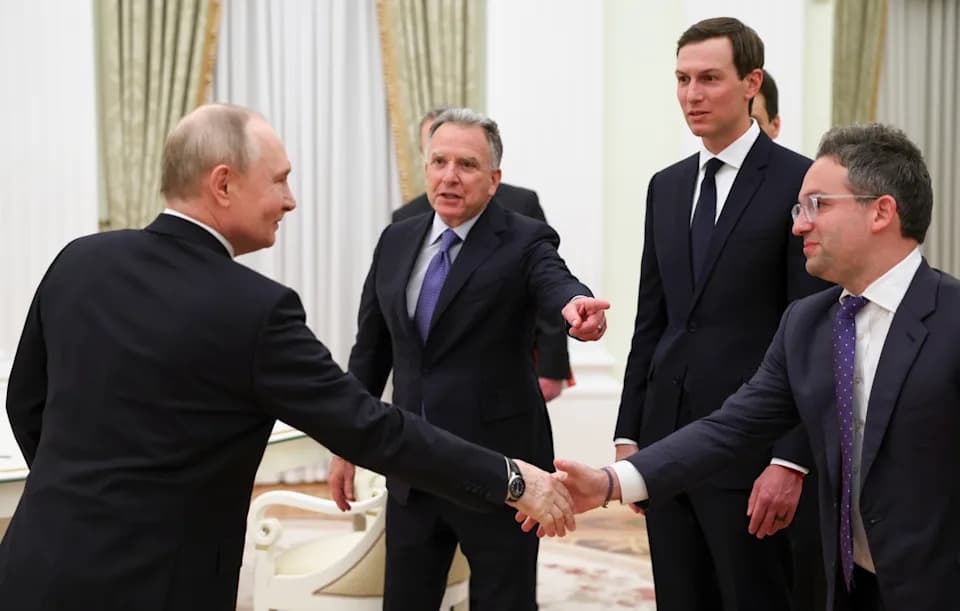
The exchanges come as Russia and Iran publicly signal closer ties. Russian President Vladimir Putin, an ally of Iran's clerical leadership under Ayatollah Ali Khamenei, recently held telephone talks with Iran's President Masoud Pezeshkian; both sides said they would deepen bilateral cooperation.
Human Toll And Rights Concerns
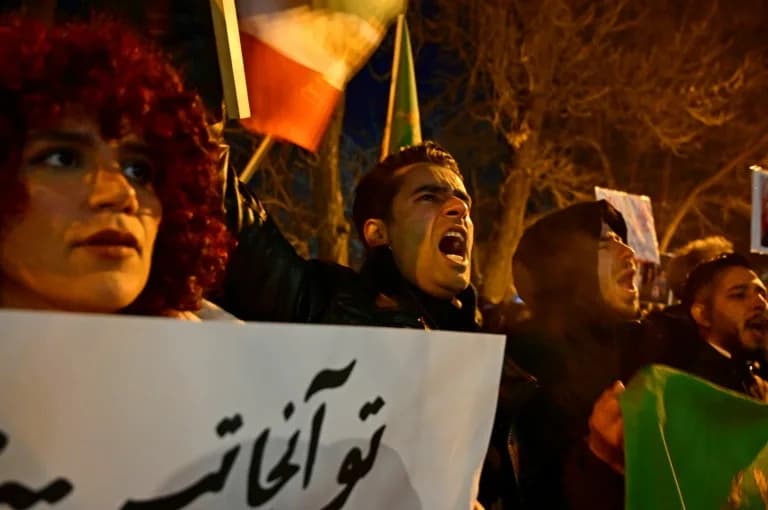
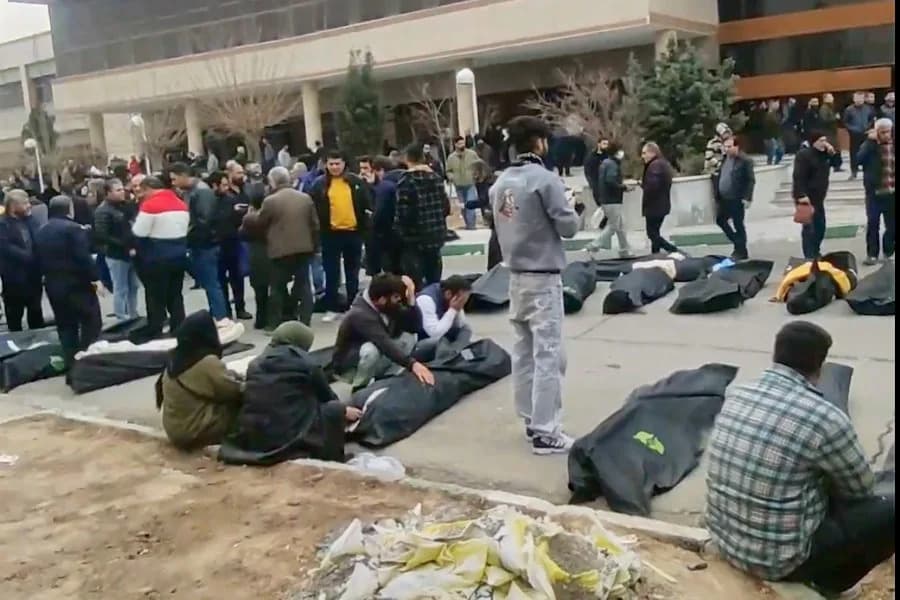
Iranian authorities have reported that well over 3,000 people were killed during the protests, attributing much of the violence to what they describe as US- and Israel-backed "rioters." Rights groups and NGOs, however, contend the death toll may be far higher—estimates have ranged up to 20,000—and say independent verification has been hampered by an extended internet blackout.
NGOs, including Amnesty International, have accused security forces of deliberately firing on demonstrators. The protests have largely subsided in recent weeks, though human rights organizations warn the consequences and investigations remain unresolved.
Other Notes
- Western governments and Kyiv have accused Tehran of supplying drones and ballistic missiles to Russia for use in Ukraine; Iran has repeatedly denied sending weapons.
- Foreign volunteers do serve in Ukraine's armed forces, but they account for only a very small fraction of total personnel.
Why it matters: The confrontation underscores how domestic repression in one country can become an international flashpoint—prompting criticism at global forums, straining diplomatic relations, and feeding broader geopolitical alignments amid the war in Ukraine.
Help us improve.