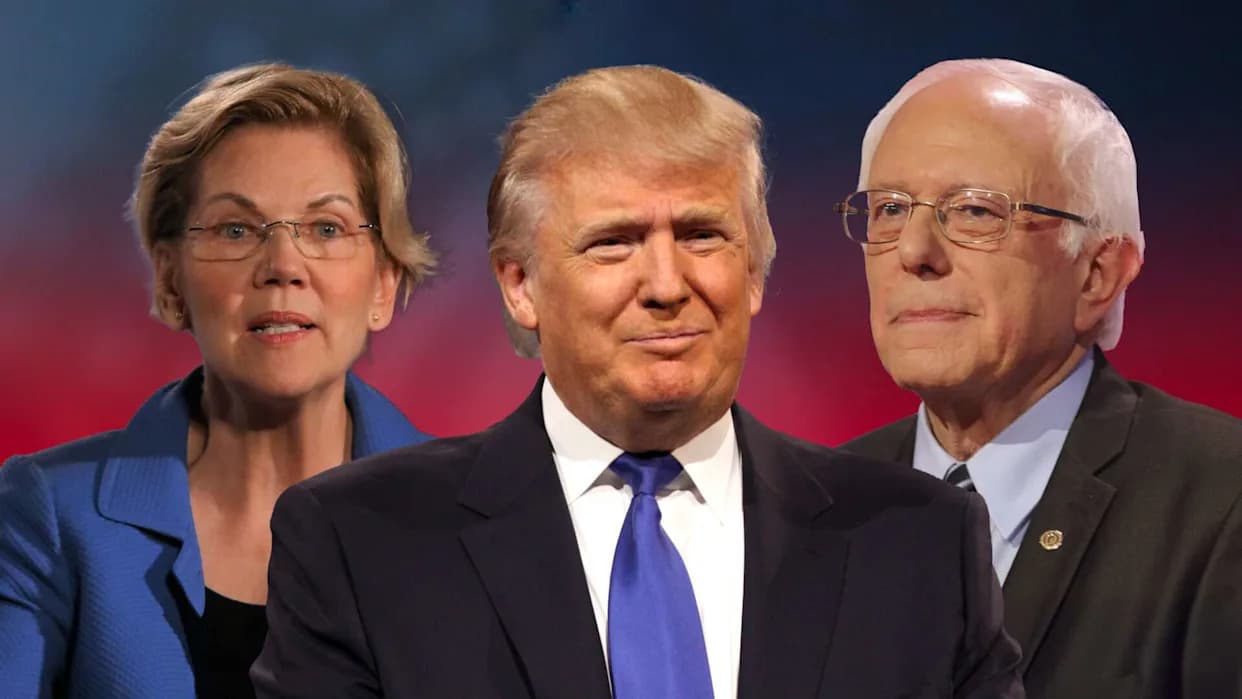
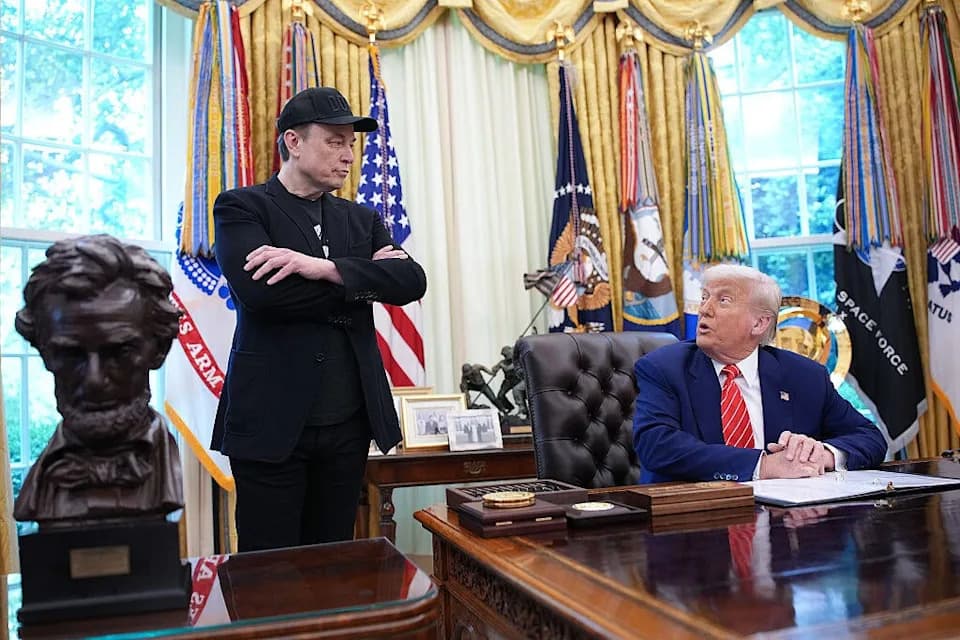
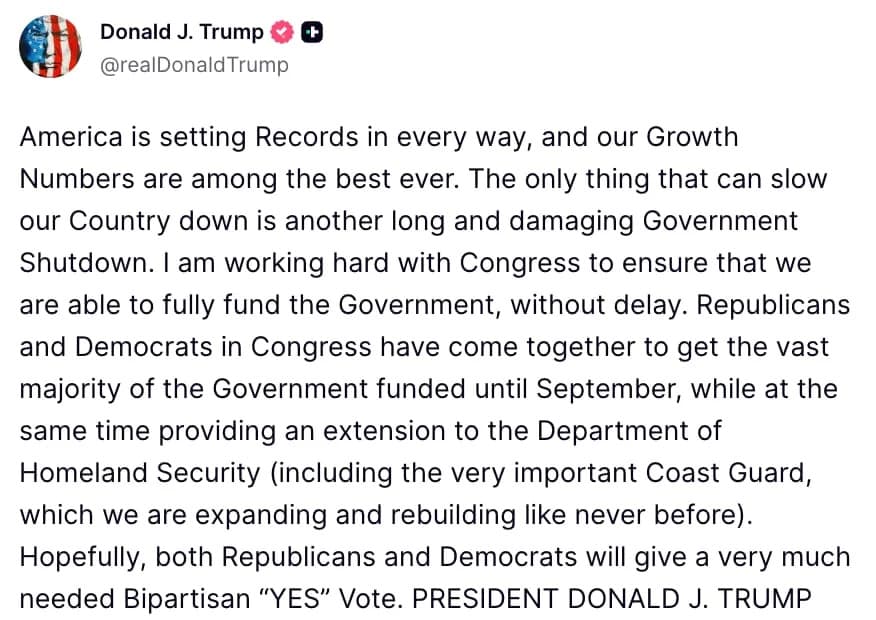
President Trump has reached out to progressive Senate Democrats — including Elizabeth Warren, Chuck Schumer and Peter Welch — as his administration explores populist‑leaning measures to ease the cost of living. The White House is reviewing policies such as a temporary 10% cap on credit‑card interest, limits on investor purchases of single‑family homes, and curbs on swipe fees. Turning talks into law would require a major thaw in fraught Capitol Hill relationships, and the push appears aimed at addressing poor public ratings on economic stewardship.
Trump Turns to Liberal Democrats to Tackle Cost‑of‑Living Woes
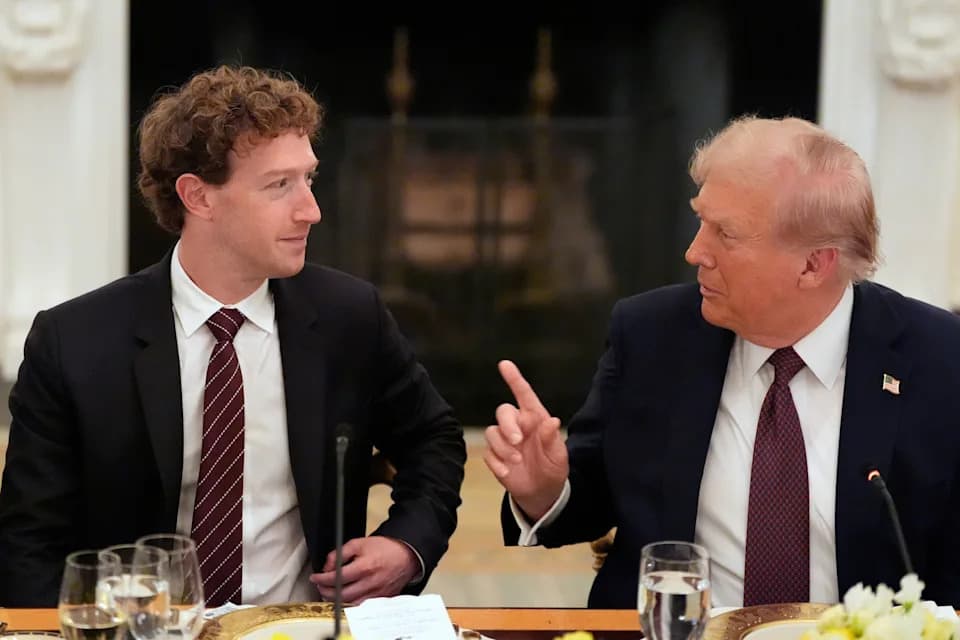
President Donald Trump has opened the midterm year with an unexpected round of outreach to prominent Senate Democrats, placing affordability at the center of a cross‑aisle push for populist economic fixes.
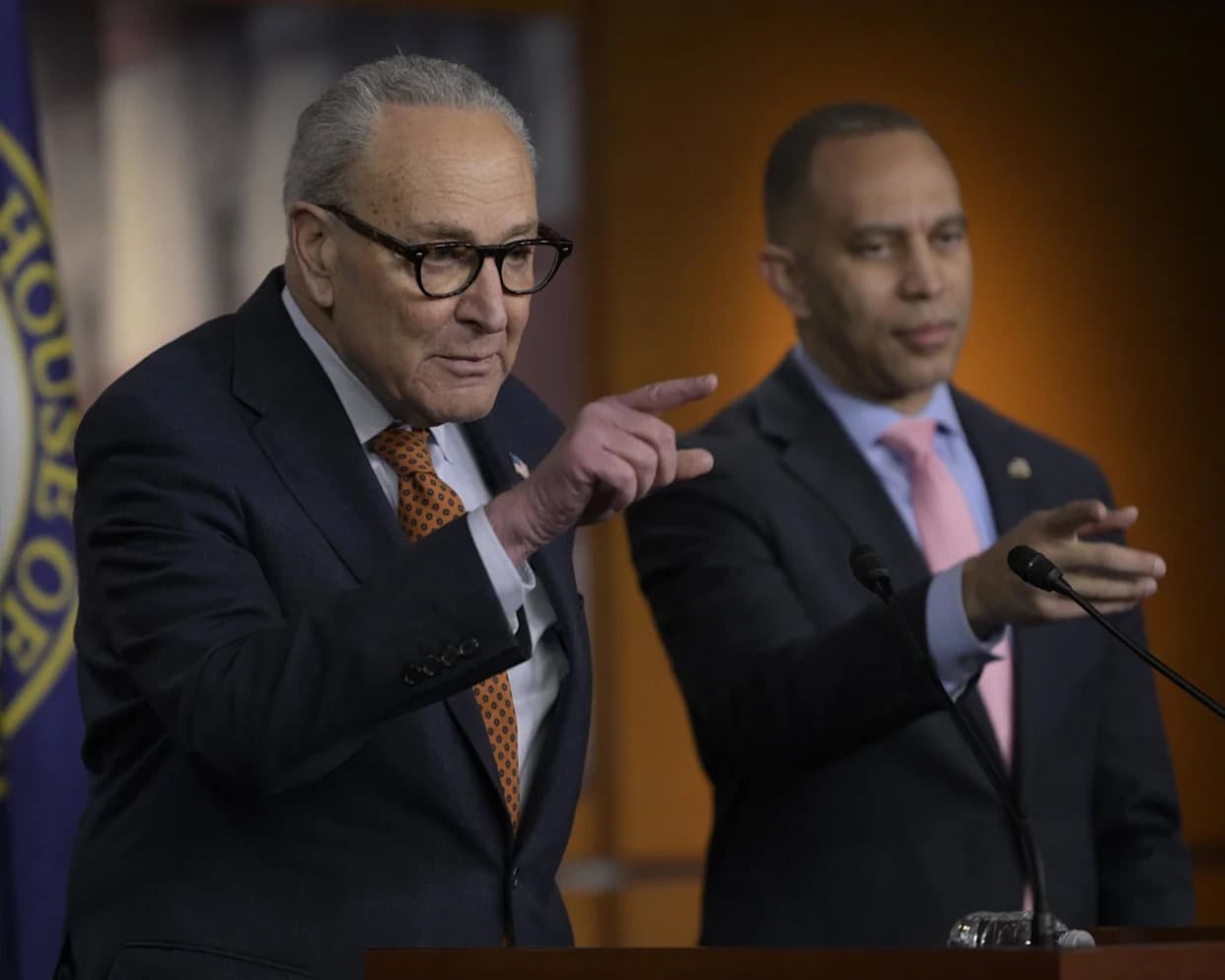
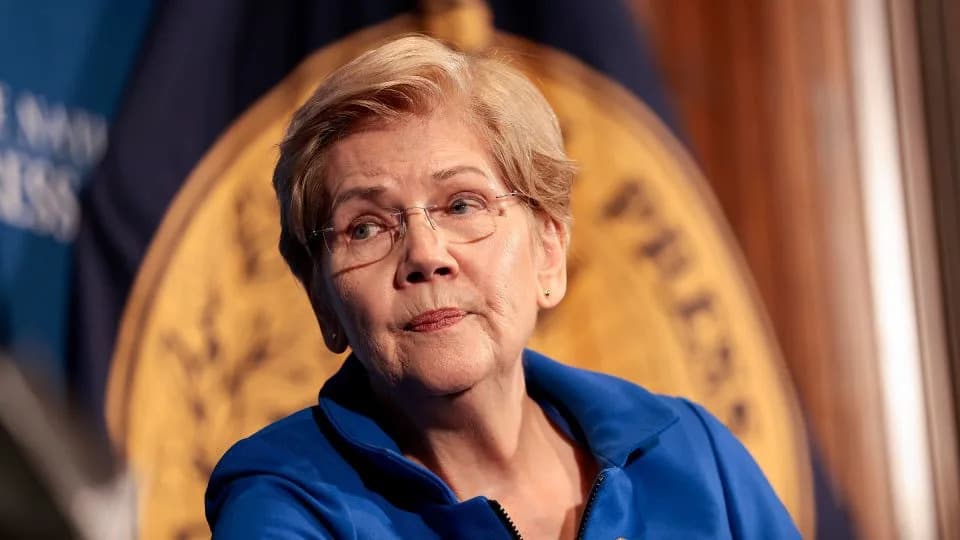
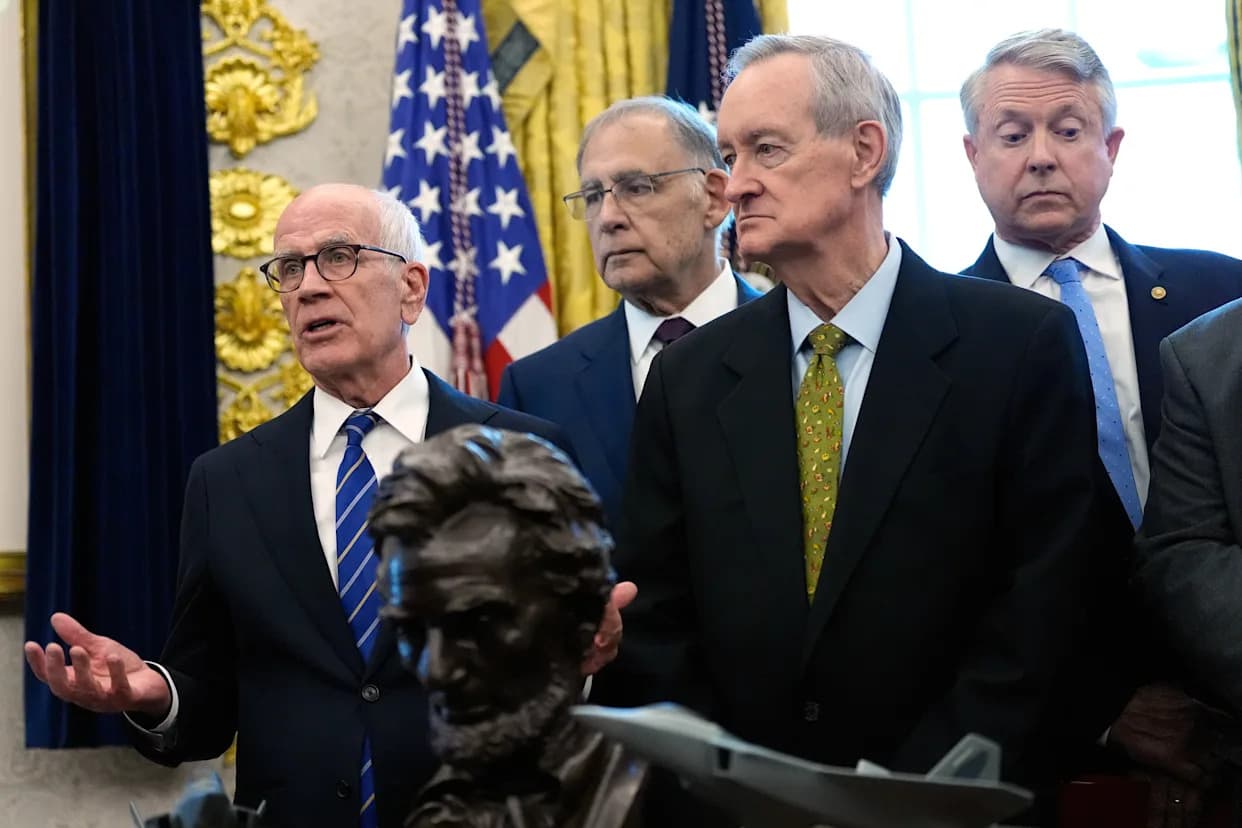
He phoned Sen. Elizabeth Warren soon after her speech about the Democratic Party’s future, invited Senate Minority Leader Chuck Schumer to the White House to discuss the Gateway infrastructure project, and asked Sen. Peter Welch to join an Oval Office event tied to Vermont interests. For a president intent on keeping Republicans in control of Congress, the breadth of outreach to some of the chamber’s most liberal members is notable.
Why Outreach Now
The White House says both parties are competing to own the issue of affordability, and that Republicans alone cannot address rising living costs. A senior White House official, speaking on background, told reporters the administration is searching for populist‑leaning policies rather than relying solely on traditional Republican economic prescriptions.
“Some proposals on affordability are more populist‑inflected than some of the more classic proposals that had been worked on,” the official said. “A lot of these proposals have, in part, been put forward by Democrats.”
Policy Areas Under Review
The White House is reportedly reviewing measures on credit card interest rates, housing and prescription drug prices — issues the administration describes as marquee items where Washington GOP orthodoxy may diverge from the views of Republican voters. Among the specific ideas publicized so far:
- A proposed one‑year cap of 10 percent on credit card interest rates.
- Support for legislation to curb swipe fees on credit‑card transactions (a bill introduced by Sens. Dick Durbin and Roger Marshall).
- Restrictions on large investors buying up single‑family homes, a policy backed by some Senate Democrats.
From Calls to Conversations
Trump’s outreach has produced private conversations and White House visits, but turning those talks into law would require a significant thaw in what has often been a toxic relationship between the president and congressional Democrats. Last year’s funding fights and other clashes have left relations strained; for example, a contentious meeting prompted a widely criticized digitally altered image of House Minority Leader Hakeem Jeffries.
Sen. Warren told CNBC she was surprised by Trump’s call and that he raised capping credit card rates — a policy she has championed. She urged the president to pressure House Republicans to pass housing‑cost legislation. Schumer used his one‑on‑one White House meeting to press health‑care issues and raise concerns about Immigration and Customs Enforcement deployments, according to his office. Sen. Welch attended a signing allowing whole milk in schools and used the access to advocate for extending Affordable Care Act tax credits; he spoke with the president and with Health and Human Services officials, his spokesperson said.
Political Stakes
Democrats who meet with Trump risk internal criticism — Michigan Gov. Gretchen Whitmer, for example, has been criticized by fellow Democrats for a cordial relationship with the president. The White House frames the outreach as an attempt to blend "traditional Republican approaches and traditional Democratic approaches" — marrying free‑market ideas with a populist orientation rather than adopting Democratic proposals wholesale.
Public opinion presents urgency: a recent CNN poll found 61 percent of voters disapprove of Trump’s handling of the economy, and a New York Times/Siena College survey reported only 34 percent approval for his handling of the cost of living. The White House appears to be betting that visible bipartisan moves on affordability can blunt that weakness.
Help us improve.