The article argues that a growing number of Republican leaders are adopting economic tools commonly associated with progressive Democrats—industrial policy, price controls, ownership restrictions, and discretionary federal intervention. Recent proposals include barring institutional buyers from single‑family homes, capping credit‑card rates at 10 percent, directing Fannie Mae and Freddie Mac to buy $200 billion in mortgage‑backed securities, and limiting pay/returns at defense firms. Critics say these measures misread the data (institutional owners hold only ~1–2% of single‑family homes), risk inflating prices by constraining supply, and weaken long‑run investment incentives.
The GOP Is Embracing Warren‑Sanders Economics — Are Republicans Becoming “Depublicans”?
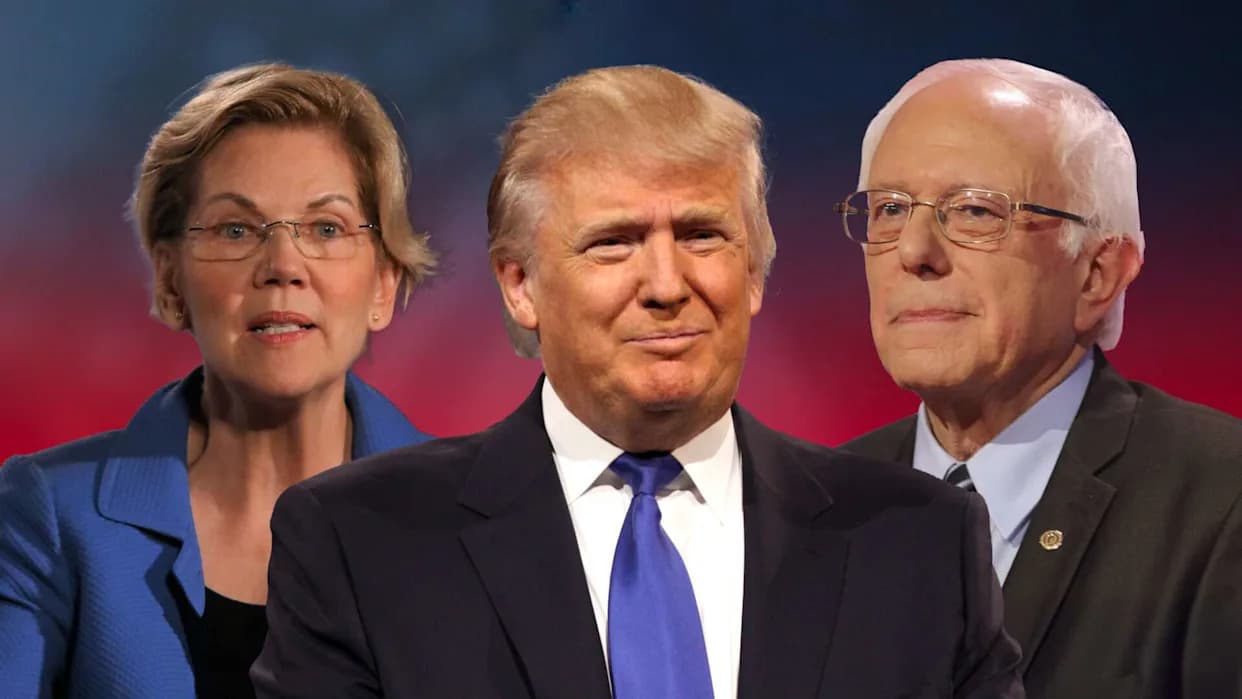
The GOP Looks Increasingly Like a Home for Elizabeth Warren and Bernie Sanders
For years, conservatives who defend free markets and limited government have been derided as RINOs—"Republicans in name only." But recent proposals from the Trump administration and sympathetic GOP lawmakers suggest a different pivot: Republicans increasingly advancing industrial policy, price controls, ownership restrictions, and other interventions long associated with progressive Democrats.
Four Proposals That Illustrate the Shift
The past few weeks have spotlighted four policy ideas that mark an unmistakable turn toward sweeping government action in private markets:
- Banning institutional purchases of single‑family homes. The proposal would forbid large investors from buying single‑family houses, a mandate that substitutes political judgment for voluntary market exchange and treats the identity of buyers, rather than market behavior, as the determining factor.
- Controlling executive pay and restricting capital returns in defense and aerospace firms. Suggestions have included capping compensation and limiting dividends and buybacks for companies that receive federal support or contracts—moves that could blunt incentives and reshape corporate governance.
- Ordering Fannie Mae and Freddie Mac to buy $200 billion in mortgage‑backed securities. This would be a housing‑sector analogue of quantitative easing intended to lower mortgage rates—but without directly increasing housing supply, it risks inflating prices.
- Capping credit‑card interest rates at 10 percent. While intended to protect borrowers, strict caps on unsecured credit can make loans unavailable to higher‑risk borrowers, pushing them toward worse alternatives.
Do The Facts Support These Moves?
Proponents argue these measures protect ordinary Americans. But the evidence challenges some of the underlying premises. Institutional investors own only about 1–2 percent of U.S. single‑family homes, according to estimates from industry observers and research groups; that share is far too small to explain the roughly 50 percent nationwide rise in home prices since the start of the COVID‑19 pandemic. Similarly, subsidizing demand through lower mortgage rates or government purchases of securities without expanding supply tends to push prices up rather than make housing more affordable.
On the industrial front, the administration has already taken stakes in several U.S. companies—including Intel and MP Materials—and has effectively intervened in the steel sector. While supporters argue such actions are needed for national security and competitiveness, critics warn that treating private firms like public utilities undermines investment incentives, competitive discipline, and long‑term productivity.
Economic Consequences And Political Realignment
Price controls, ownership restrictions, and discretionary interventions risk unintended consequences: constrained supply, higher prices, reduced market access, and weakened incentives for capital formation. Those outcomes could harm the very workers and households these policies aim to help.
Whether one calls them 'Depublicans' or something else, a meaningful portion of the GOP appears increasingly comfortable with big‑government tools once associated with the Democratic left.
Labeling market‑minded Republicans as RINOs is one thing. But the ideological realignment on the GOP’s populist right—borrowing language and policies long used by progressives—deserves scrutiny for its economic effects as well as its political implications.
Help us improve.