The Rewilding Chile Foundation’s Manku Project, with UNORCH and SAG, released three rehabilitated Andean condors—Carmen, Farellón and Auquinco—into Patagonia National Park after care at the Raptor Rehabilitation Center in Talagante. The Andean condor (Vultur gryphus) is listed as Vulnerable by the IUCN (2020) and faces threats including illegal hunting, habitat loss and secondary poisoning. With wingspans up to 10 feet and lifespans that can reach decades, these scavengers play a critical role limiting disease spread and recycling nutrients in Andean ecosystems.
Three 10‑Foot Wingspan Andean Condors Released Into Chilean Patagonia to Boost Vulnerable Population
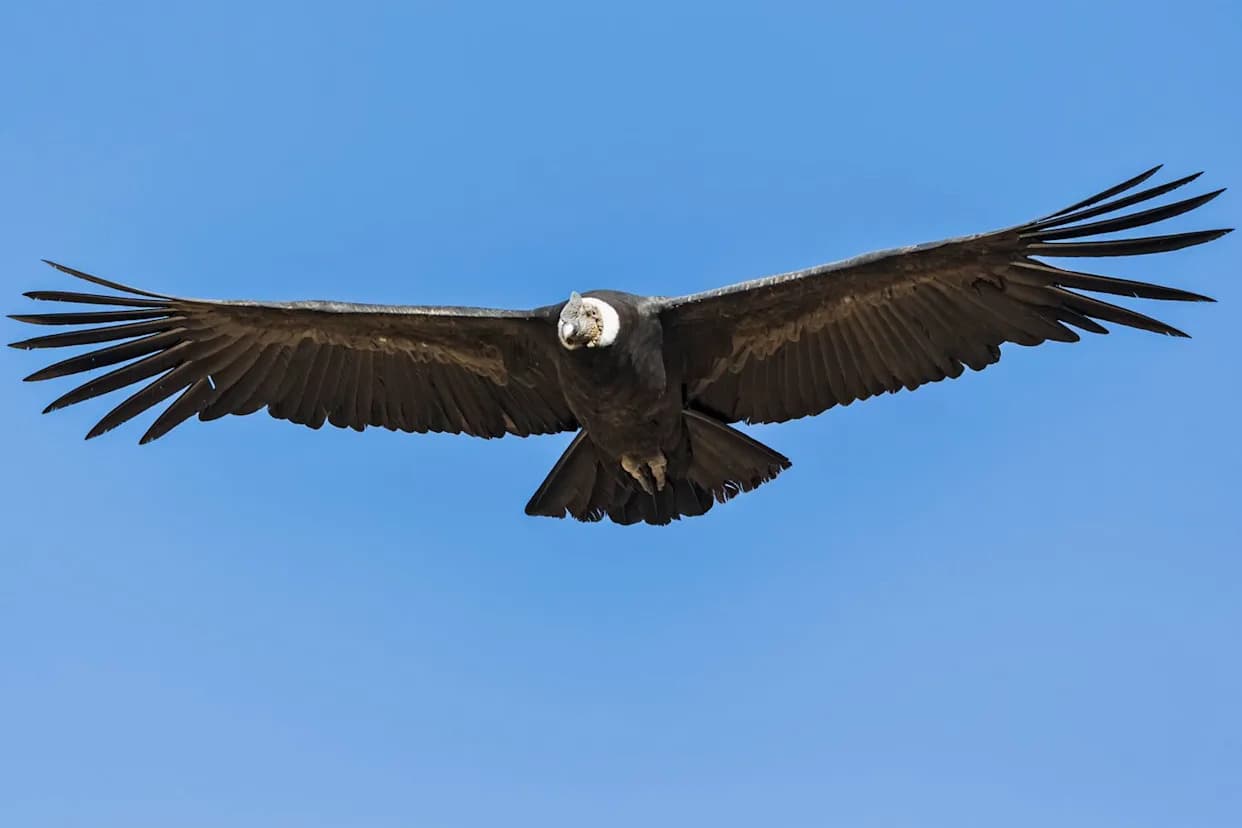
Gettythe Andean condor
Three rehabilitated Andean condors have been released into Patagonia National Park in Chile as part of an ongoing effort to reinforce wild populations. The birds—a female named Carmen and two males, Farellón and Auquinco—joined other previously released condors in protected habitat after completing care and evaluation.
According to Discover Wildlife and Rewilding Chile, the releases are led by the Rewilding Chile Foundation’s Manku Project in partnership with the Chilean Ornithological Union (UNORCH) and the Livestock and Agriculture Service (SAG). Rescued condors are transported to the Raptor Rehabilitation Center in Talagante for medical checks and rehabilitation before returning to the wild.
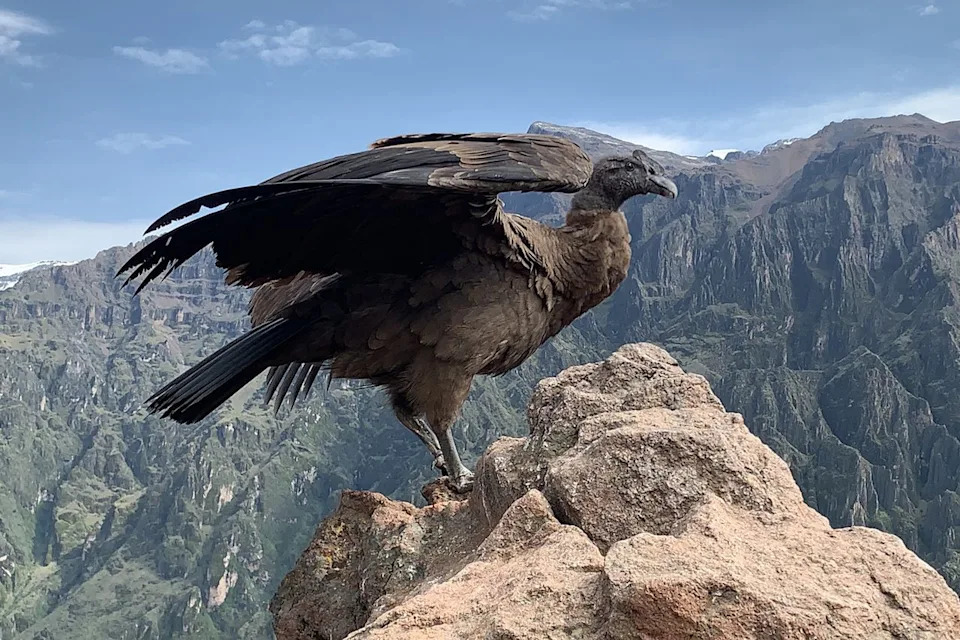
GettyThe Andean condor
Threats and Conservation Status
The International Union for Conservation of Nature (IUCN) listed the Andean condor (Vultur gryphus) as Vulnerable in 2020, signaling a high risk of extinction if current pressures persist. Conservationists say the main threats are human-caused: illegal hunting, reduced food availability, habitat loss and secondary poisoning—when condors feed on carcasses laced with poison intended to deter predators from livestock.
Biology and Ecological Role
The Andean condor is one of the world’s largest flying birds. Adults can reach a wingspan of up to 10 feet, weigh as much as 33 pounds, and may live for several decades—sometimes up to 70 years. Their plumage is mainly black and gray with white patches; adults have largely bald heads with pale skin.

GettyPatagonia National Park, Chile
As obligate scavengers, condors perform a vital ecological function: by consuming carcasses they limit the spread of disease and return nutrients to the soil. Observers note that condors often wait nearby a carcass for hours or days before descending, a behavior linked to social cues and safety.
Range and Cultural Importance
Andean condors range across the Andes and adjacent Pacific coasts of western South America. They are national symbols in several countries, including Chile, Bolivia, Colombia, Ecuador and Peru. Conservation groups emphasize that coordinated rescue, rehabilitation and release programs are essential to stabilizing and rebuilding populations across the region.
What’s next: Continued monitoring of released birds, community outreach to reduce poisoning and hunting, and habitat protection are key priorities to ensure these iconic scavengers recover and thrive in the wild.
Help us improve.