South Korea has pledged to retire most coal-fired plants by 2040 and to cut carbon emissions by at least half by 2035, signaling a stronger push toward renewables and nuclear. Simultaneously, trade talks with the U.S. could increase American LNG imports — a cleaner-burning but still fossil fuel that emits methane — creating tension between climate goals and energy deals. Officials describe LNG as a backup while renewables scale up; activists warn it risks locking the country into continued fossil-fuel dependence.
South Korea’s Coal Phase-Out Faces Tension With Potential U.S. LNG Deal as Emissions Targets Rise

Kim Sung-hwan, center, the inaugural head of South Korea's new Ministry of Climate, Energy and Environment, applauds after he made the announcement of South Korea joining the Powering Past Coal Alliance, during U.N. climate talks in Belem, Brazil, Nov. 17, 2025. (AP Photo/Anton L. Delgado)(ASSOCIATED PRESS)
South Korea has announced an ambitious plan to sharply reduce coal use and cut carbon emissions, but its climate goals are complicated by trade negotiations that could increase imports of U.S. liquefied natural gas (LNG).
Ambitious Climate Targets
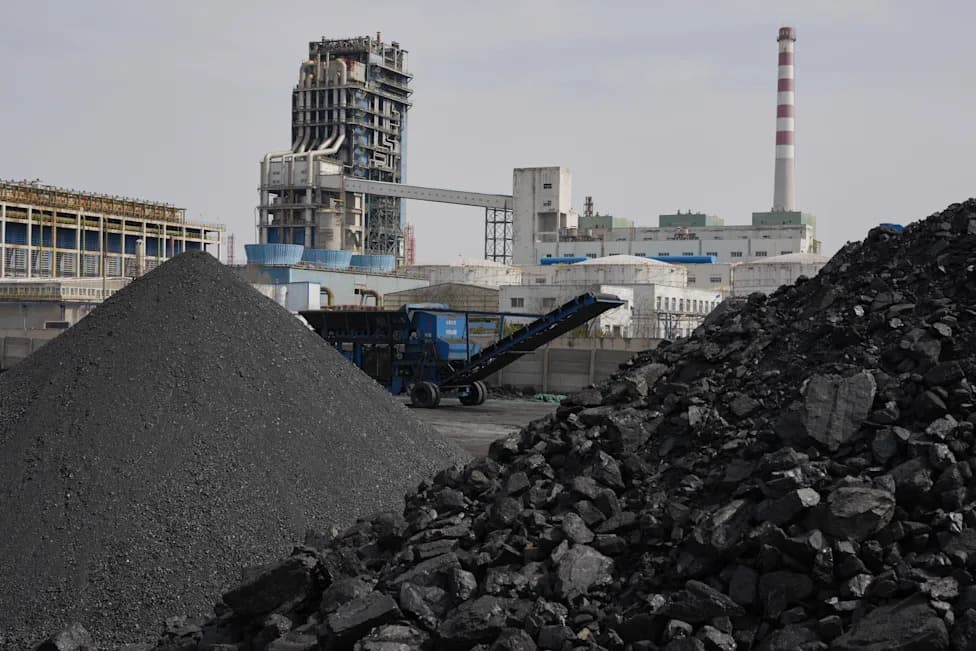
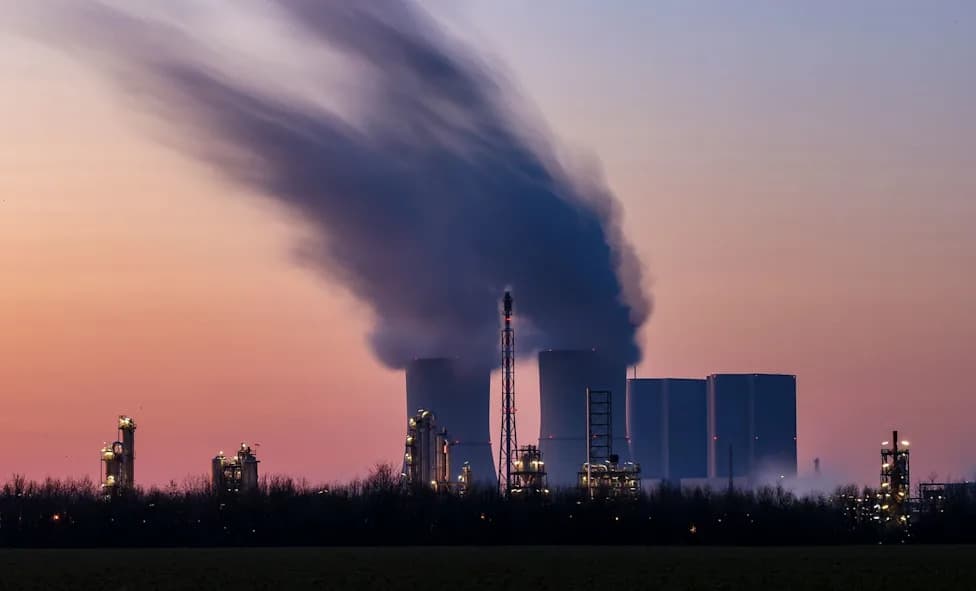
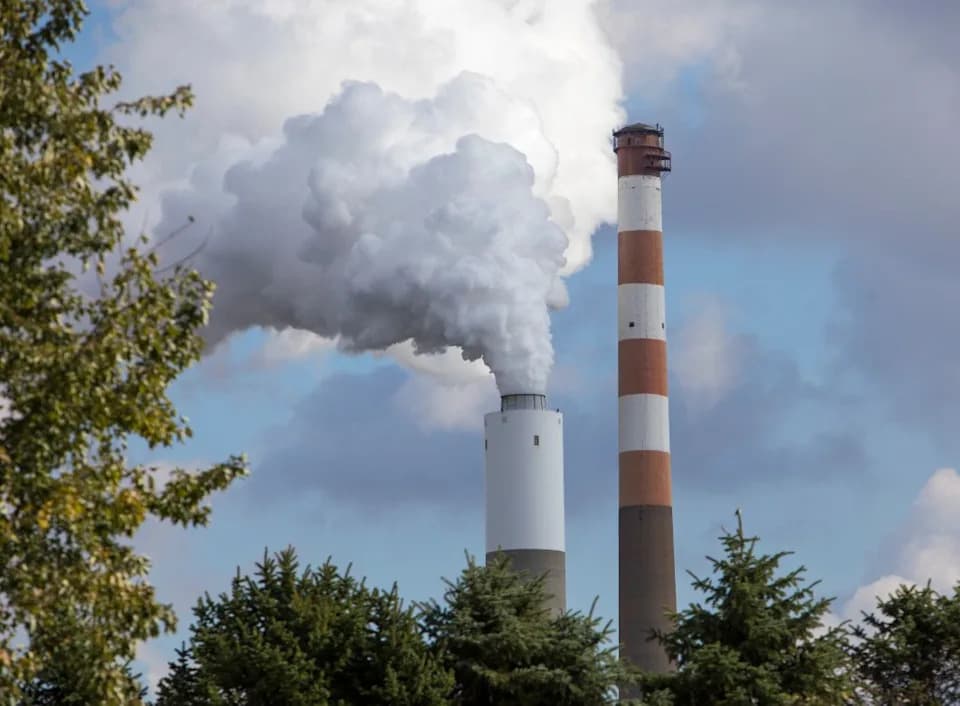
At recent United Nations climate talks, South Korea’s new Ministry of Climate, Energy and Environment said the country intends to retire most of its coal-fired power plants by 2040 and to reduce carbon emissions by at least half by 2035. The ministry set a target range equivalent to a 39%–47% cut from 2018 levels — reported as 53% to 61% of 2018 emissions — reflecting a compromise between environmental advocates and industry concerns.
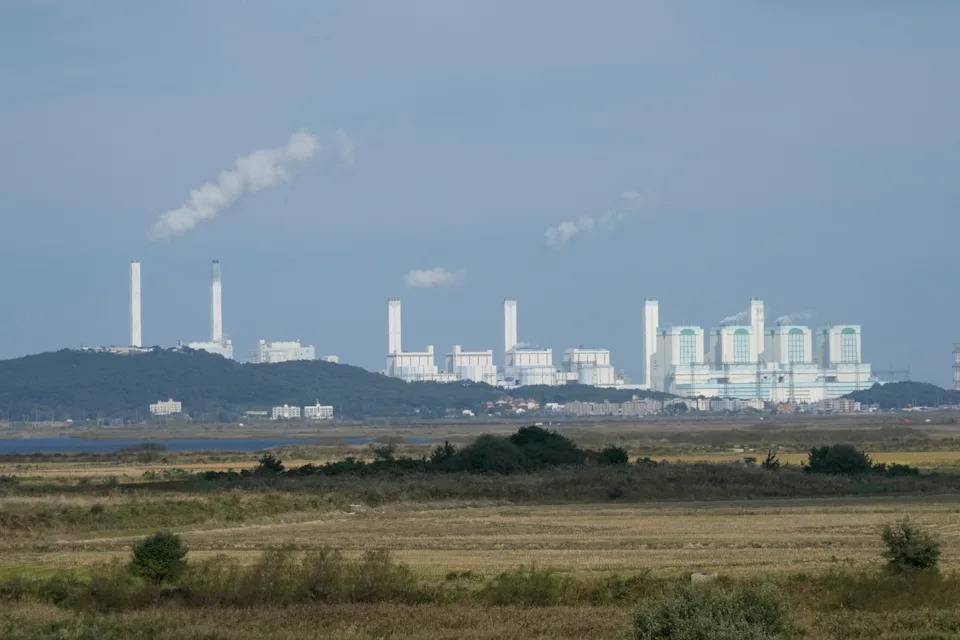
FILE - A general view of the Dangjin Power Station is seen in Dangjin, South Korea, Oct. 20, 2025. (AP Photo/Ahn Young-joon, File)(ASSOCIATED PRESS)
Trade Talks and LNG Commitments
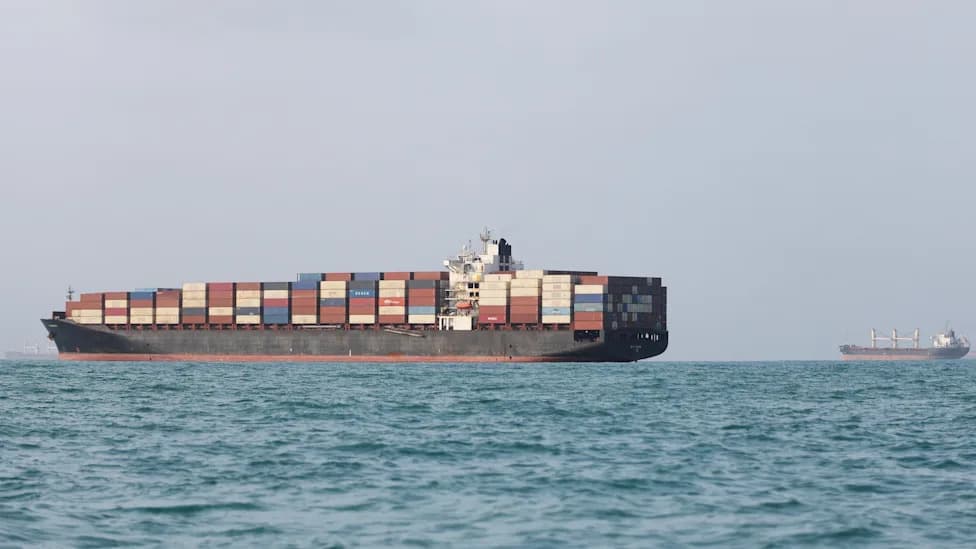
Alongside those climate commitments, trade discussions with the United States have raised the prospect of much larger U.S. energy ties. Negotiators have discussed South Korean investment in U.S. projects worth roughly $350 billion and potential purchases of up to $100 billion in U.S. energy products, including LNG. Industry and government documents indicate a prospective deal could run three to 10 years and might result in annual imports of about 3 million to 9 million tons of American LNG, depending on contract length.
Why LNG Is Controversial
Liquefied natural gas burns cleaner than coal in terms of carbon dioxide per unit of energy, but it still emits CO2 and methane — a potent greenhouse gas — during production and transport. Environmental campaigners warn that expanding LNG imports could lock South Korea into another long-term fossil fuel dependency and undermine the intended climate benefits of retiring coal plants.
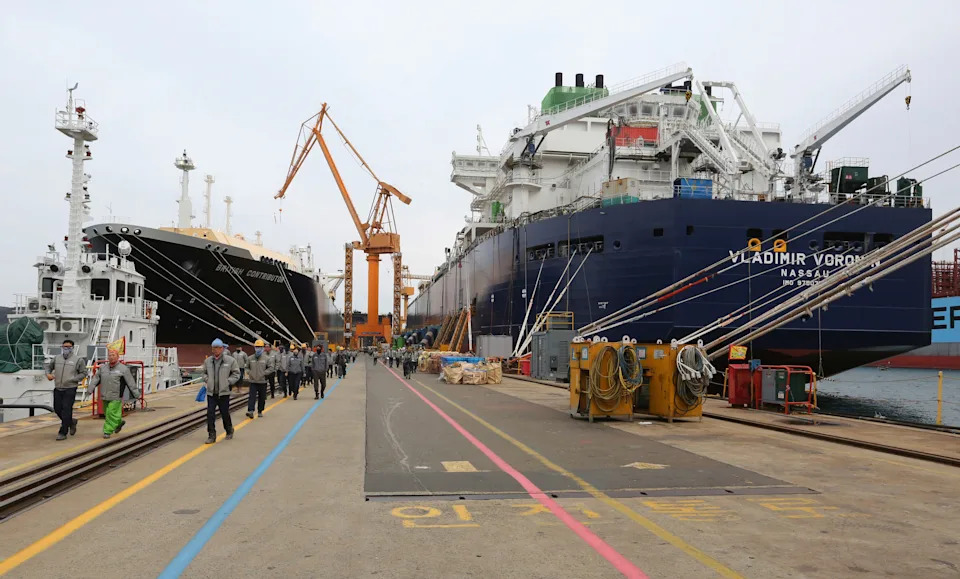
FILE - Workers walk past large-sized liquefied natural gas (LNG) carriers under construction at the Daewoo Shipbuilding and Marine Engineering facility in Geoje Island, South Korea, Dec. 7, 2018. (AP Photo/Ahn Young-joon, File)(ASSOCIATED PRESS)
“If we just replace coal plants with LNG, that means the coal exit actually doesn’t lead to a green transition and merely shifts Korea’s addiction from coal to gas,” said Insung Lee of Greenpeace Korea.
Energy Mix And Clean-Energy Goals
Renewables remain a relatively small share of South Korea’s electricity supply: the International Energy Agency reported renewables generated 7% of domestic electricity in 2022, while South Korean government figures put that share at about 10.5% last year. Nuclear power plays a major role, accounting for roughly 31% of electricity generation.
Officials say the government will rely on renewables and nuclear as the backbone of the energy transition and view LNG as a complementary or emergency source to balance intermittent renewables. The government also set a target to expand offshore wind capacity to 4 gigawatts — roughly ten times current levels.
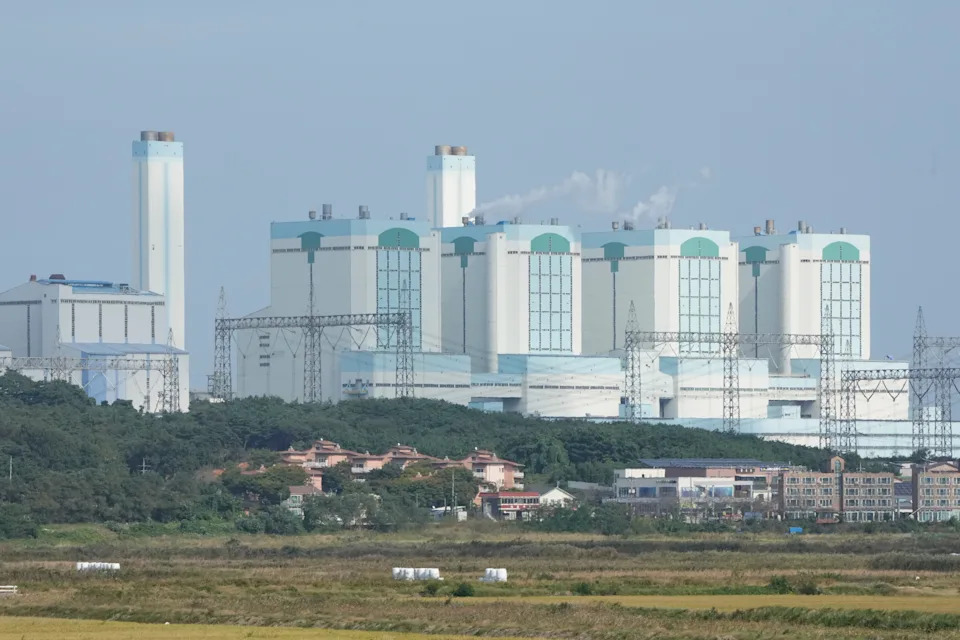
FILE - A general view of the Dangjin Power Station is seen in Dangjin, South Korea, Oct. 20, 2025. (AP Photo/Ahn Young-joon, File)(ASSOCIATED PRESS)
Market And Regional Impacts
Seoul imports nearly all its coal, primarily from Australia, Indonesia and Russia. The pledge to close about 40 of 61 coal sites by 2040 will have consequences for Asia-Pacific coal exporters and could accelerate a market downturn for some suppliers.
Analysts and energy experts emphasize the need for rapid deployment of renewables to meet climate goals while managing energy security and economic considerations. “South Korea needs to speed up renewable energy deployment and come out from high dependency on the fossil fuel industry,” said Michelle Kim of the Institute for Energy Economics and Financial Analysis.
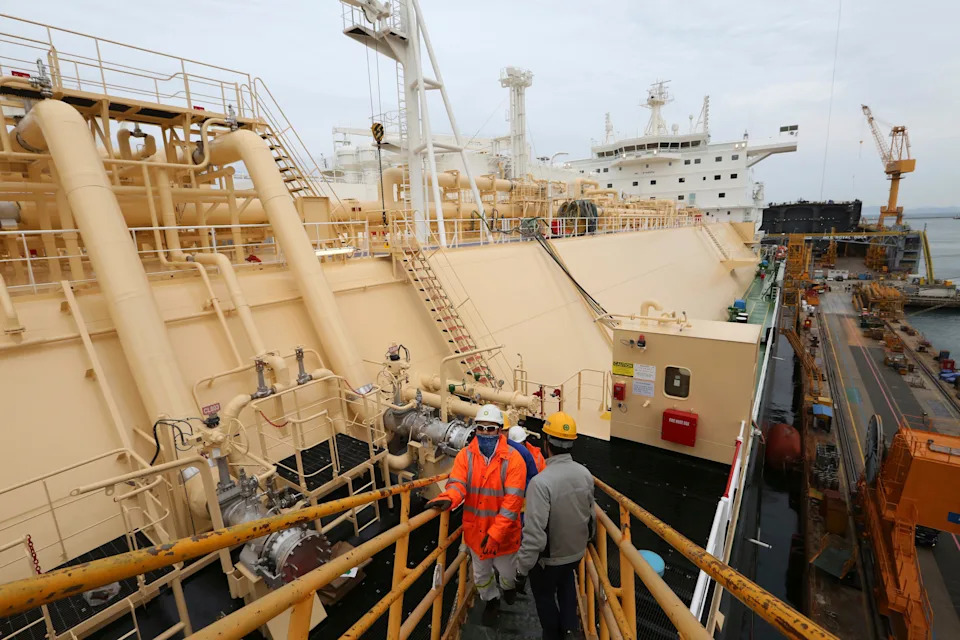
FILE - Workers board large-sized liquefied natural gas (LNG) carriers under construction at the Daewoo Shipbuilding and Marine Engineering facility in Geoje Island, South Korea, Dec. 7, 2018. (AP Photo/Ahn Young-joon, File)(ASSOCIATED PRESS)
What’s Next
How Seoul reconciles its coal phase-out and emissions targets with potential long-term LNG contracts will shape the nation’s climate trajectory and influence regional energy markets. The government faces the challenge of balancing emissions reduction targets, industrial competitiveness and the practicalities of securing reliable energy supplies during the transition.
— The Associated Press’ climate and environmental reporting is supported by private foundations. The AP is solely responsible for all content.
Help us improve.