Only one Democrat, Rep. Jarred Golden (D-Maine), joined Republicans to repeal a Biden-era rule limiting mineral development on federal lands in Minnesota; the measure sponsored by Rep. Pete Stauber passed 214-208. Supporters, including House Natural Resources Chairman Bruce Westerman, say the repeal restores the normal permitting process and advances U.S. access to critical minerals. Democrats warned it could threaten sensitive areas like the Boundary Waters and questioned whether minerals would remain in U.S. supply chains. The bill—part of a larger 2025 deregulatory effort—now heads to the Senate.
House Passes Repeal Of Biden-Era Minnesota Mining Rule 214-208 — One Democrat Crosses Aisle

Rep. Jared Golden, D-Maine, attends a news conference in the Capitol Visitor Center in Washington, July 17, 2025.(Getty Images)
Only one House Democrat joined Republicans on Wednesday to repeal a Biden-era rule that had limited certain mineral development on federal lands in Minnesota. The Stauber-sponsored resolution, introduced by Rep. Pete Stauber (R-Minn.), passed the House by a 214-208 vote.
Rep. Jarred Golden (D-Maine) was the lone Democrat to support the bill; Rep. Don Bacon (R-Neb.) was the only Republican to oppose it. Supporters say the measure restores the regular permitting process and reopens federal lands to potential mineral development, while opponents warn it risks environmental damage to sensitive areas like the Boundary Waters.
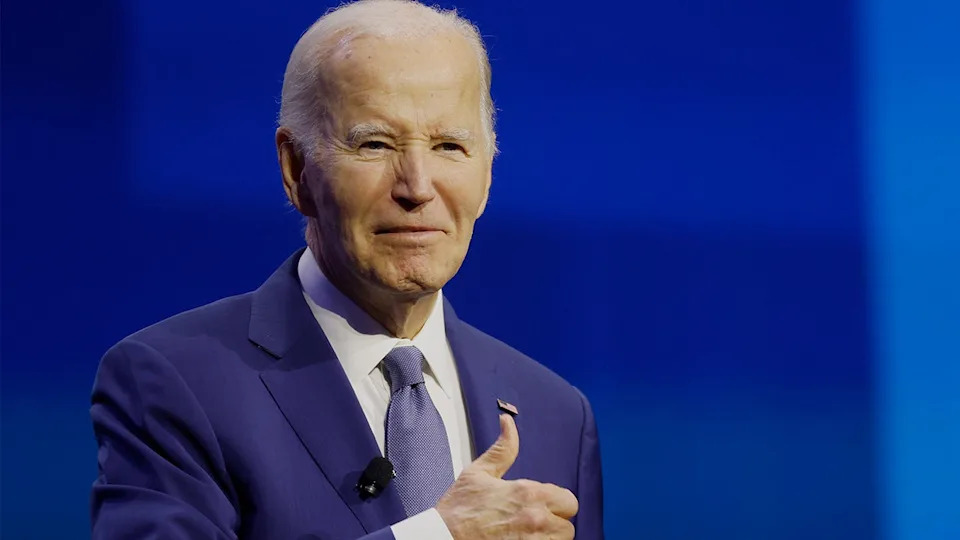
Former U.S. President Joe Biden was a keynote speaker at the Society for Human Resource Management (SHRM) Annual Conference and Expo at the San Diego Convention Center on Wednesday, Jul. 2, 2025, in San Diego.
"The resolution before us today does not mandate projects, mining sites, firms, or schedules — it simply reverses the Biden administration’s unilateral short-circuiting of the normal permitting process," House Natural Resources Committee Chairman Bruce Westerman (R-Ark.) said on the House floor. "It’s a step towards the mineral abundance that the American people deserve and that Washington, D.C. has denied them for too long."
Stauber framed the repeal as a national security and economic imperative. "America’s national security depends on securing our own critical minerals — not just relying on imports from adversaries," he wrote on X, adding that domestic production in Minnesota’s Iron Range can support the military, the power grid and future technologies.
Democrats, led on the committee by Rep. Jared Huffman (D-Calif.), argued the bill removes important safeguards. Huffman warned that the Boundary Waters, a popular wilderness area in northern Minnesota, could face increased risk from nearby mining operations, threatening recreation, tourism and a regional outdoor-economy that generates significant revenue.
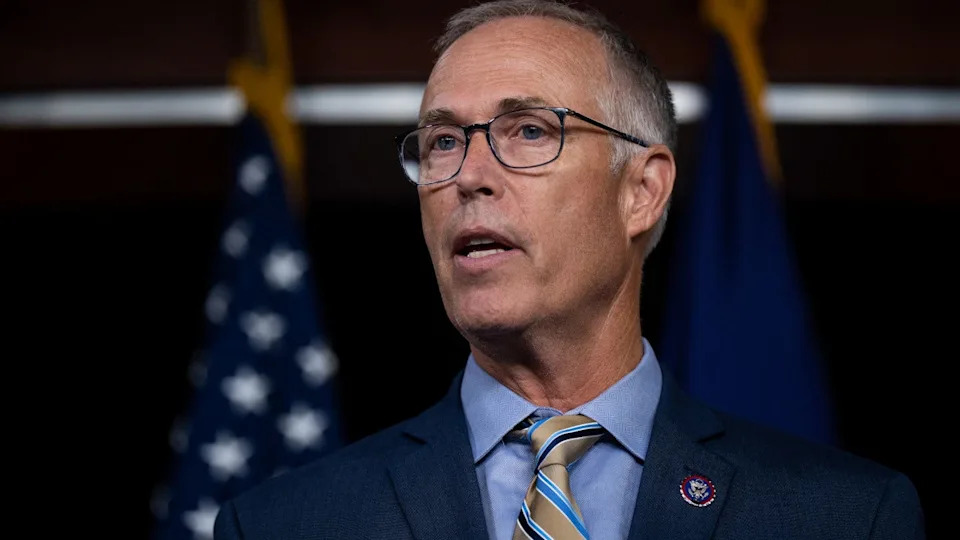
Rep. Jared Huffman, D-Calif., speaks during the news conference on the Wildfire Response and Drought Resiliency Act in the U.S. Capitol on Jul. 28, 2022.
Huffman also raised concerns about which companies could benefit. He cited Twin Metals, a mining company that has pursued development near the Boundary Waters and has been the subject of scrutiny over foreign ties. "There’s no guarantee that the precious minerals produced from this mine would stay in the U.S. at all," Huffman said.
State resources note that Minnesota hosts substantial mineral deposits, including gold, silver, zinc, copper, nickel, titanium and other metals. The House vote is part of a broader deregulatory push by House Republicans in the 119th Congress that has overturned at least 10 rules so far in 2025.
After clearing the House, the measure now moves to the Senate for further consideration.
Help us improve.