The Jihad Museum in Herat has been altered under Taliban rule: plaster figurines that once had faces now have their features smoothed away, and a hall of portraits honoring mujahideen commanders has been removed. Visitors say the changes make the exhibits feel less personal, even as the site continues to display Soviet aircraft and tanks. Access is limited — women are rarely permitted to enter — and the alterations appear linked to 2024 guidance from the Taliban's morality ministry.
Herat's Jihad Museum Altered Under Taliban Rule — Faces Smoothed, Heroes' Hall Removed
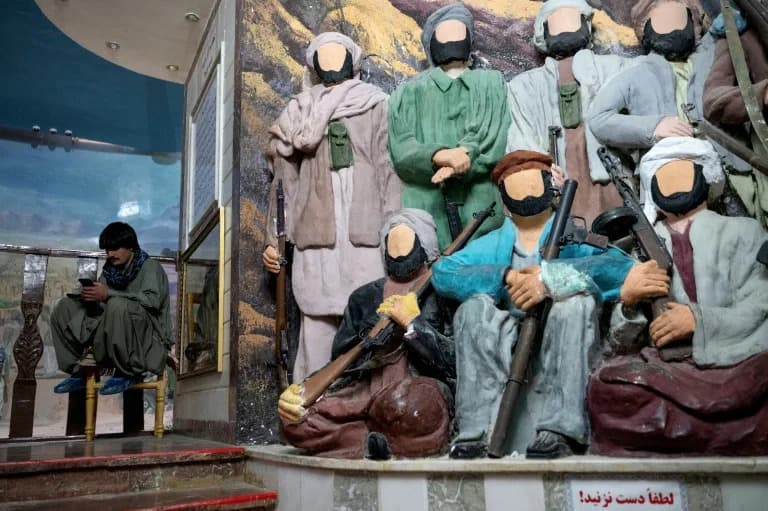
An Afghan visitor next to a diorama with figurines of fighters plastered for censorship at a museum that commemorates the Afghan resistance to the Soviet invasion of 1979, in Herat (Wakil KOHSAR)(Wakil KOHSAR/AFP/AFP)
The Jihad Museum in Herat, a monument to Afghan resistance during the Soviet occupation, has been noticeably altered since the Taliban returned to power. Long-time visitors say key displays have been changed to comply with the government's restrictions on images of living beings, leaving a site that still commemorates wartime sacrifice but feels less personal.
A Veteran's Monthly Visit
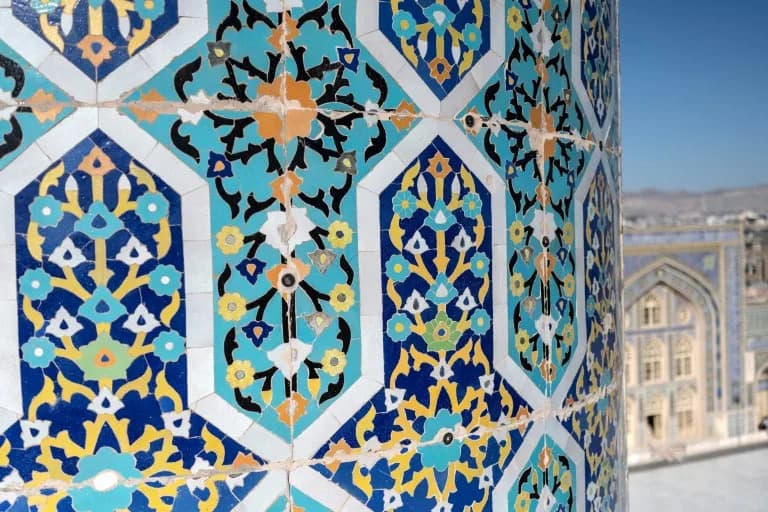
Saaduddeen, 67, travels to the museum every month. The building — topped with bright blue-and-white mosaics on a hill overlooking Herat — remains a focal point for those who remember the decade-long Soviet occupation, an era that forced millions into exile and cost countless Afghan lives.
"The Russians came to Afghanistan with jets, choppers, tanks; it was very violent," Saaduddeen said, asking that his family name not be published for security reasons. "I was just a young guy, but I wanted to stand for the independence of Afghanistan." He added that of the 21 fighters in his group, only seven survived.
Displays Transformed
When the museum opened in 2010, plaster figurines depicting civilians and fighters showed distinct faces and expressions. Today many of those faces — eyes, noses and mouths — have been smoothed away, while beards and hair on male figures remain. Animal heads have also been covered with a layer of plaster. Museum staff declined to comment on when or why the changes were made.
The Taliban government enforces a strict interpretation of Islamic law that generally prohibits depictions of living beings. In 2024 the Ministry for the Propagation of Virtue and Prevention of Vice issued guidance saying such rules should be applied gradually across Afghanistan, a directive that appears to have influenced the museum's displays.
"Now It's Less Personal"
"Now it's less personal, and it touches us less," Saaduddeen said of the altered exhibits. "It's good that the museum exists."
Heroes' Hall And Public Access
Photographs from the 2010s show that a gallery once served as a hall of fame, with large portraits of mujahideen commanders who fought the Soviet forces and later clashed among themselves in civil war. That gallery has been removed. Among the leaders whose portraits once featured prominently was Ahmad Shah Massoud, a commander who later opposed the Taliban and was assassinated in 2001.
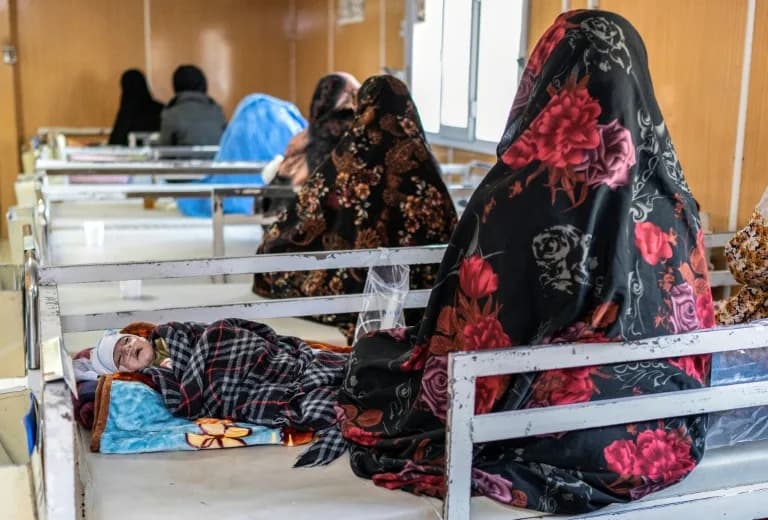
Access to the museum is also limited: families are rarely seen because women, with few exceptions, are not permitted to enter. A visitor told AFP on condition of anonymity that allowing entire families to attend would make the site a fuller record of Afghanistan's history.
Remnants Of War And A Notable Story
The museum's grounds still display remnants of the conflict: a Soviet fighter jet, helicopters, tanks and artillery pieces. One well-known museum figure — known as Sheikh Abdullah — no longer greets visitors. He arrived in Afghanistan as a Soviet officer, Bakhretdin Khakimov, was wounded in 1985 and was reportedly saved by mujahideen fighters. When he died in 2022, Taliban officials noted his life story and he was buried on the heights above the museum.
While the Jihad Museum remains a physical record of a violent chapter in Afghanistan's past, the changes to its displays underscore how shifting political and religious rules are reshaping public memory and the way history is presented to new generations.
Help us improve.