Dennis Coyle, a 64-year-old Colorado language researcher, has been held by the Taliban's intelligence service in near-solitary confinement in Kabul since January 27, 2025, according to his family. The U.S. designated him wrongfully detained under the Robert Levinson Act last June, aiming to elevate efforts to secure his release. Taliban spokesmen say talks are ongoing and claim his rights are protected, but negotiations have so far failed to produce a release. The family continues advocacy through FreeDennisCoyle.com while U.S. officials warn Americans not to travel to Afghanistan.
American Academic Dennis Coyle Marks One Year Held by Taliban in Afghanistan
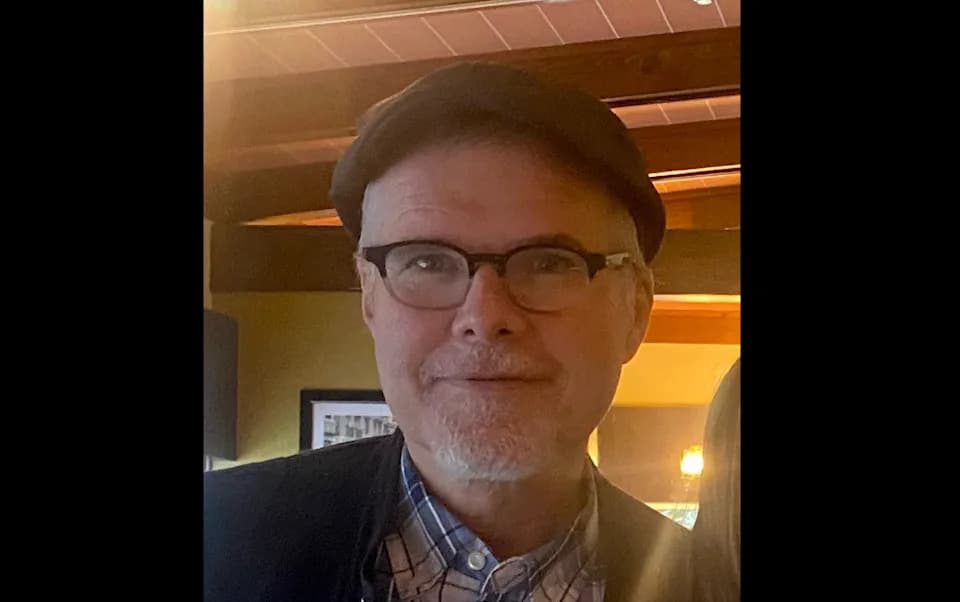
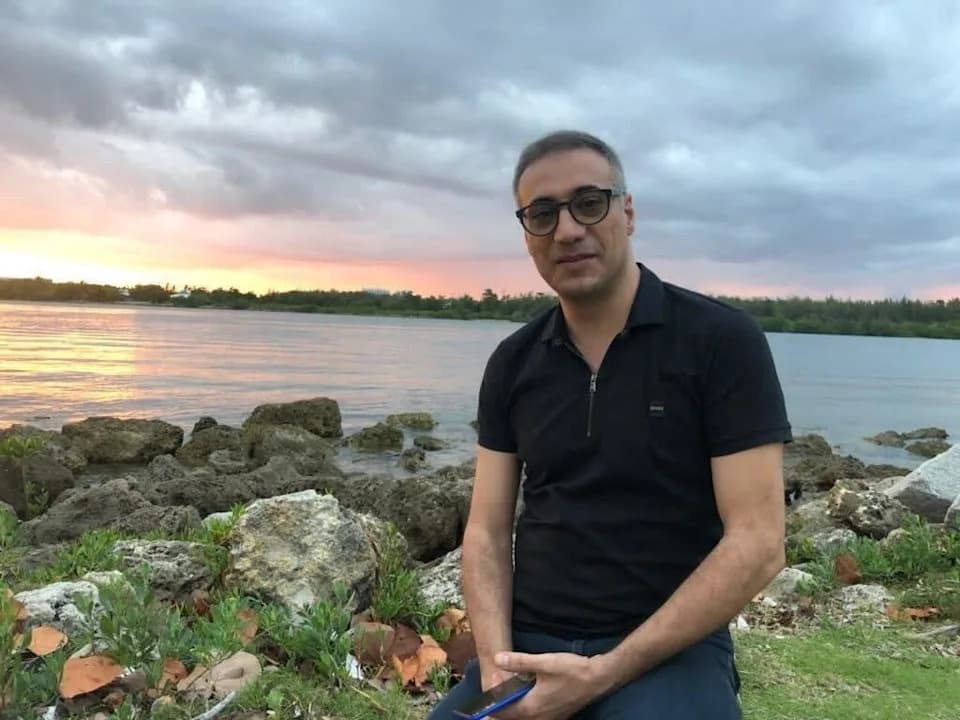
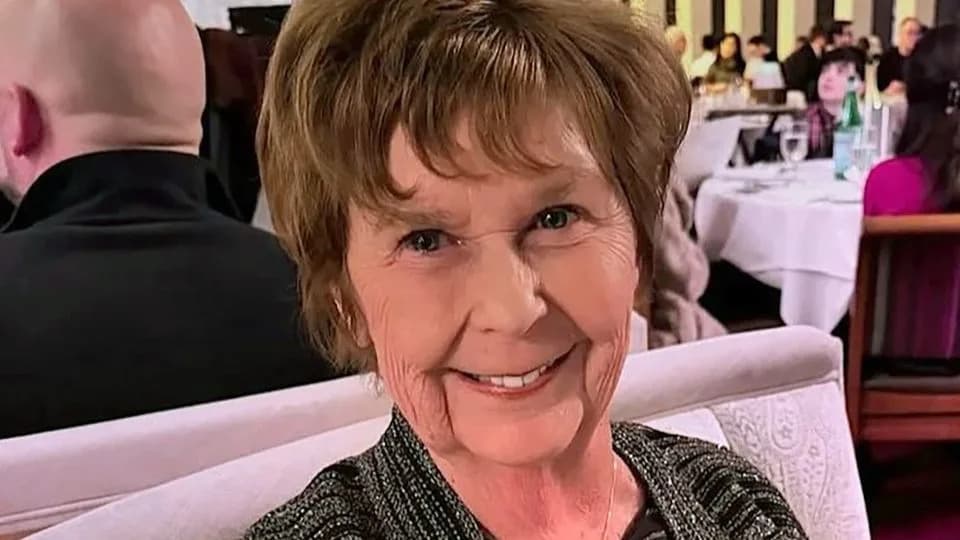
Undated photo of Dennis Coyle, an American who is has been detained in Afghanistan by the Taliban since Jan. 26, 2025. / Credit: Family of Dennis Coyle(Family of Dennis Coyle)
Monday marks one year since 64-year-old Colorado language researcher Dennis Coyle was forcibly removed from his Kabul apartment by the Taliban on January 27, 2025. Family members say Coyle — who lived and worked in Afghanistan for nearly two decades — has been held by the Taliban's General Directorate of Intelligence in near-solitary conditions with no formal charges.
The timing of Coyle's seizure, six days after the release of another American, underscores the continuing risks faced by U.S. citizens in Afghanistan, even those with long-standing legal status and deep local ties.
Molly Long, sister of Dennis Coyle: "Dennis is a gentle, soft-spoken man who always listens deeply to others, often over a comforting cup of hot green tea. In his nearly two decades in Afghanistan, Dennis faithfully honored the Afghan cultural values of hospitality and kindness."
Coyle's mother, Donna, 83, and his sisters — Molly, Amy and Patti — say the isolation has been devastating. The family reports he is confined to a basement room and must ask permission to use the bathroom. "This past year has been incredibly challenging for our family," Long said, describing the situation as an instance of "hostage diplomacy." The family has launched FreeDennisCoyle.com to coordinate advocacy and share updates.
U.S. Response and Diplomatic Hurdles
Last June, the U.S. government designated Coyle as wrongfully detained under the Robert Levinson Hostage Recovery and Hostage-Taking Accountability Act, a status that unlocks specific government tools and raises the priority of efforts to secure his release. The State Department has called for Coyle's immediate release and reiterated travel warnings against Afghanistan.
The United States does not recognize the Taliban as Afghanistan's legitimate government and has no formal diplomatic presence in Kabul, complicating negotiations. Qatar has frequently served as an intermediary in past discussions, but Qatari officials declined to comment on Coyle's case.
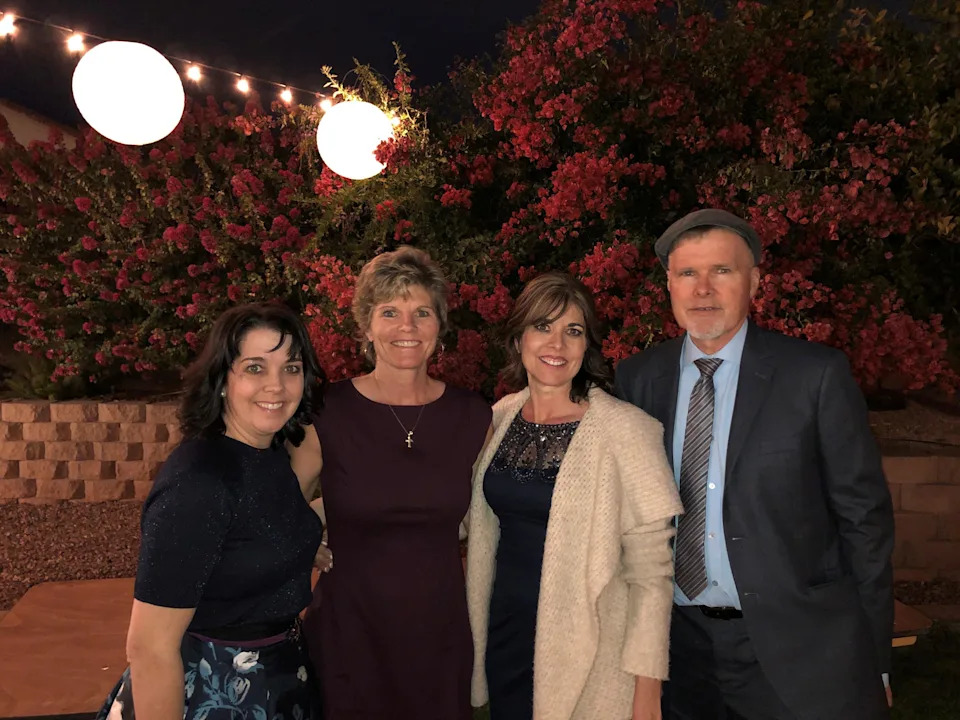
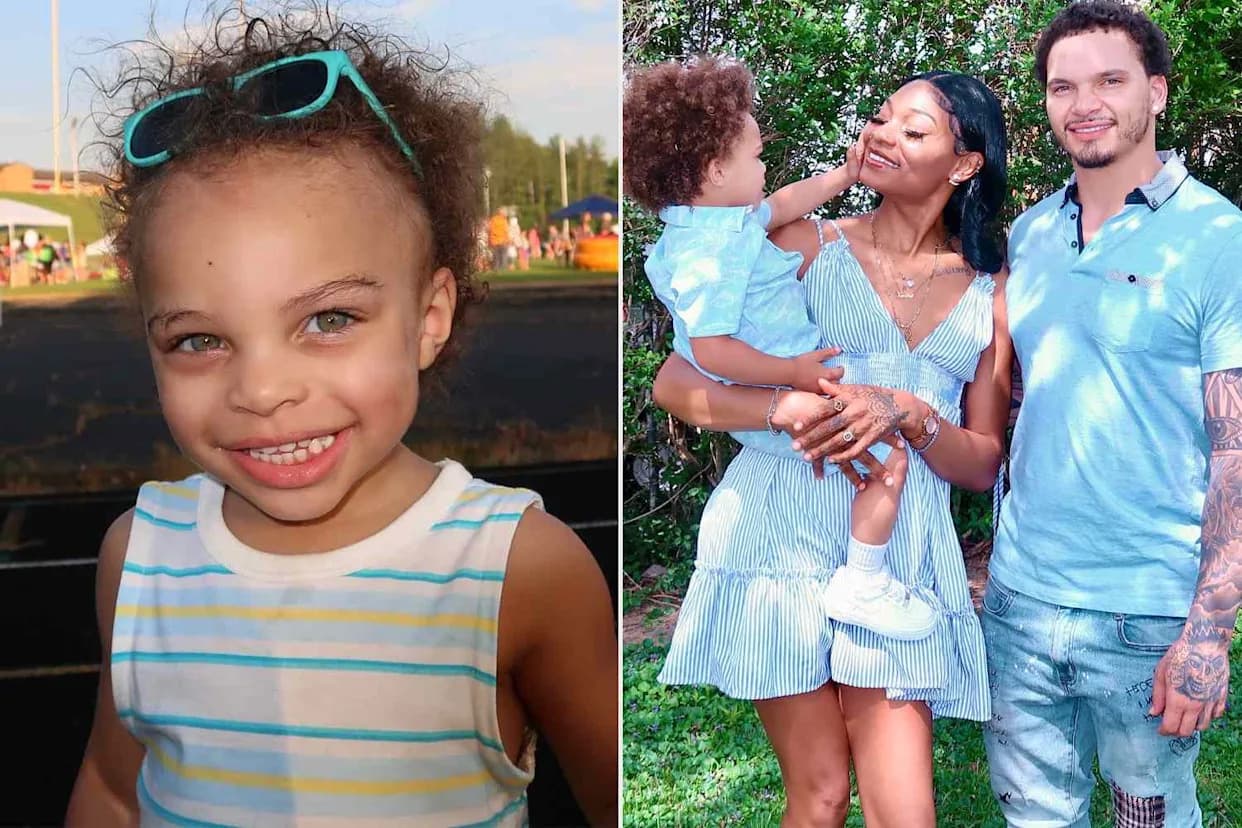
Undated photo of American Dennis Coyle with his sisters. Coyle has been detained by the Taliban since Jan. 26, 2025. / Credit: Photo provided by Dennis Coyle's family
Taliban Position and Ongoing Talks
Two Taliban officials told CBS News Coyle is in good health and that his "rights as a prisoner are protected," and they said formal court proceedings would begin "soon." Taliban chief spokesman Zabihullah Mujahid acknowledged detention and said negotiations are ongoing but not yet concluded.
Zabihullah Mujahid: "Negotiations have indeed taken place and are ongoing; however, both sides have not yet reached a final conclusion."
The Taliban have repeatedly framed negotiations as reciprocal, pointing to Afghans detained by the United States. U.S. officials, meanwhile, stress their efforts to secure the release of detained Americans while warning the public not to travel to Afghanistan.
Past Exchanges and Broader Context
Qatari mediation has facilitated the release of several Americans in recent years: Ryan Corbett and William McKenty were freed in January in a swap, followed by releases of other U.S. citizens in subsequent months. Negotiations at times have discussed complex proposals — including potential swaps involving detainees at Guantanamo Bay — but talks have repeatedly stalled or collapsed.
The State Department has offered a $5 million reward for information leading to the return of Mahmoud Habibi, an Afghan-American abducted in 2022. U.S. officials also say at least one other American, a former U.S. Army soldier, is believed to be held in Afghanistan.
Observers say the lack of direct diplomatic ties, shifting U.S. policy measures (including visa and immigration processing constraints for Afghan nationals), and domestic political sensitivities complicate efforts to negotiate releases. Senior figures and envoys have traveled to the region to press for returns, but the situation remains unresolved.
What the Family Asks: Coyle's relatives urge U.S. leaders and international partners to continue pressing for his release and to prioritize the safety of Americans overseas. They say they are heartened by bipartisan attention to the case and await concrete action to bring Dennis home.
Help us improve.