Babybel is replacing its outer cellophane wrap with responsibly sourced recyclable paper, with a global rollout planned by 2027. The brand will keep its signature red wax shell while switching the outer layer after years of testing. The change supports Bel Group’s target to make all packaging recycling-ready or home-compostable by 2030, and the rollout begins in the UK with the US, Canada and Northern Europe following in 2026.
Babybel Replaces Outer Cellophane With Recyclable Paper — Global Rollout By 2027
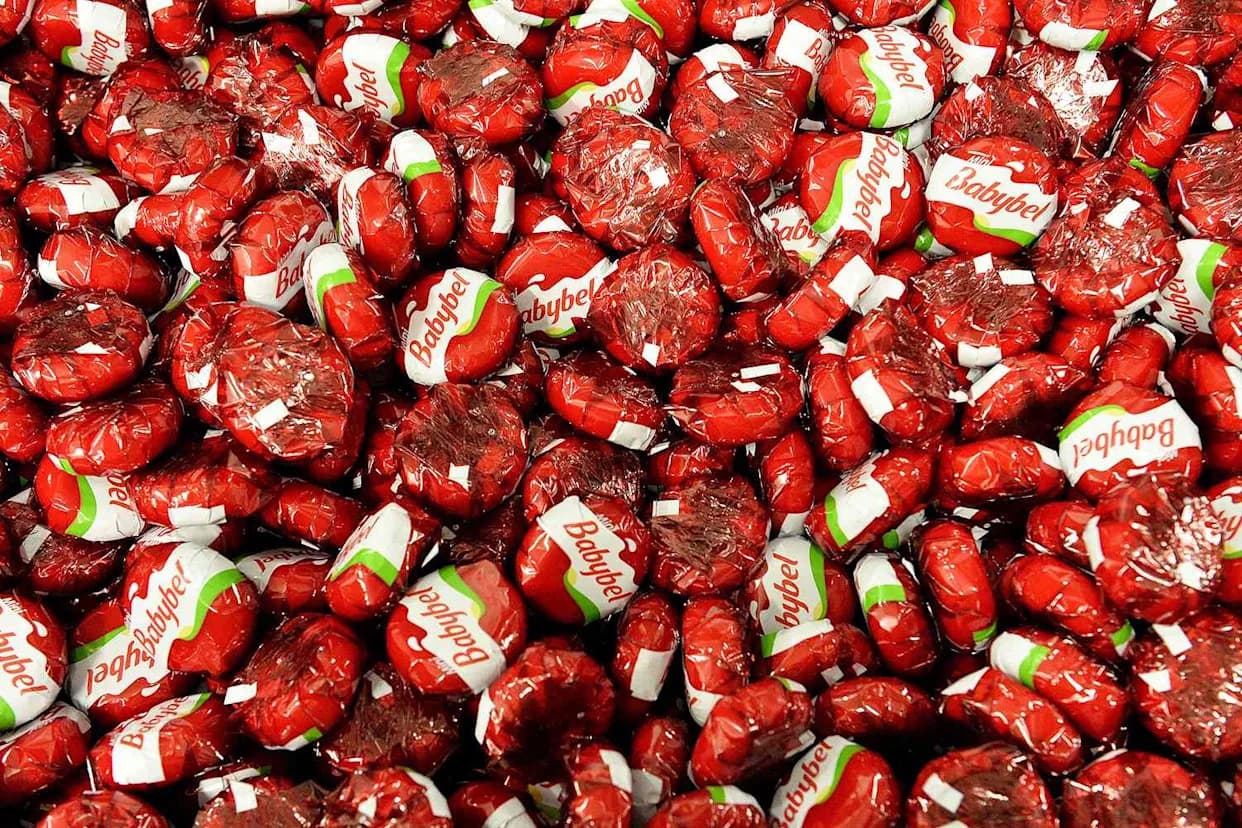
JEAN-FRANCOIS MONIER/AFP via GettyWrapped Babybel cheese portions lie on the production line at the Bel Group cheese factory in Evron, northwestern France, on September 22, 2016.
Babybel is giving its iconic snack cheese a sustainability upgrade by replacing the outer cellophane wrap with responsibly sourced, recyclable paper. The Bel Group says the change will be phased in globally and applied to all Mini Babybel products produced across five facilities and sold in 50 countries by 2027.
What’s changing — and what stays the same
The brand’s familiar red wax shell will remain unchanged. Bel Group says the wax is essential to product protection, integrity and taste, so it will continue to shield each cheese while the outer layer moves from cellophane to certified paper.
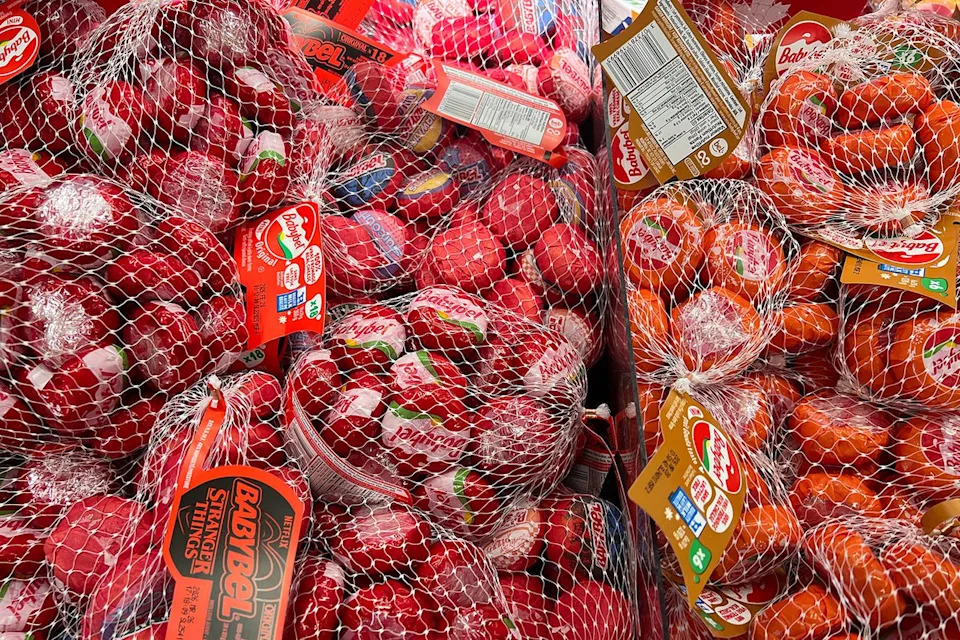
Creative Touch Imaging Ltd./NurPhoto via GettyMini Babybel cheese is at a grocery store in Richmond Hill, Ontario, Canada, on October 25, 2025. High inflation continues to plague shoppers across Canada.
Why the switch matters
The move supports Bel Group’s broader sustainability ambition: to make all of its packaging recycling-ready or home-compostable by 2030. Babybel previously shifted to a bio-based, home-compostable cellophane in 2020; the latest paper transition builds on that work and aims to reduce environmental impact at scale.
Testing, safety and production
Bel Group says the paper packaging was developed after several years of research and extensive factory and real-world trials to ensure it meets industrial performance, durability and food-safety standards. The company calls the change a technical and industrial challenge that required rethinking the entire protection system from production to consumption.
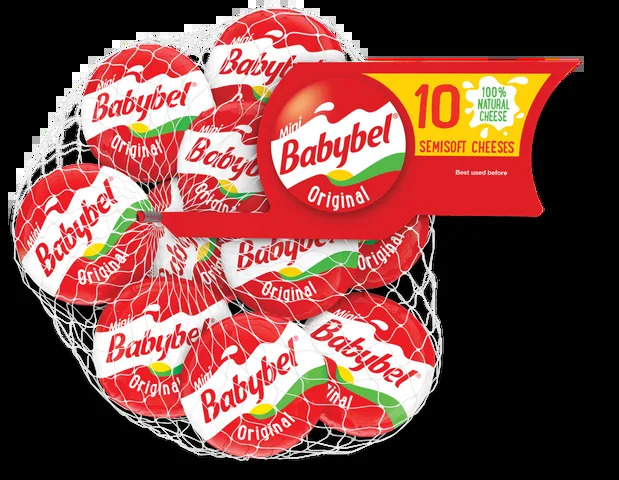
mini-babybel.com Baby Bel Cheese
“Transforming our production and consumption models is one of the greatest challenges of our time,” said Béatrice de Noray, Executive Vice President of Growth at the Bel Group. “Today, its packaging enters a new chapter.”
“Transitioning Babybel to paper packaging is a true technical and industrial challenge. It is not simply about replacing one material with another,” said Delphine Chatelin, Director of Research, Innovation and Development at the Bel Group.
The commercial rollout has already started in the United Kingdom. The United States, Canada and Northern Europe are scheduled to follow in 2026, with the wider expansion to all 50 markets completed in 2027. Linda Neu, Babybel’s Global Director, highlighted the global scale: Babybel sells more than two billion portions every year, so this packaging change has a substantial environmental footprint.
Bottom line: Babybel aims to keep the product experience intact while reducing the environmental impact of its outer packaging through a carefully tested switch to certified, recyclable paper.
Help us improve.