The article examines accusations that President Trump’s public focus on Minnesota’s welfare fraud case is politically selective. While the Minnesota investigation — involving Somali American residents — has produced legitimate charges, critics point out Mr. Trump’s record of pardons and personnel changes that weakened fraud oversight. Reporting from The New York Times and KFF Health News suggests his interest in fraud often aligns with jurisdictions that oppose him, prompting concerns about partisan and racial motives.
Trump’s Selective Outrage Over Welfare Fraud: Politics, Pardons, and the Minnesota Case
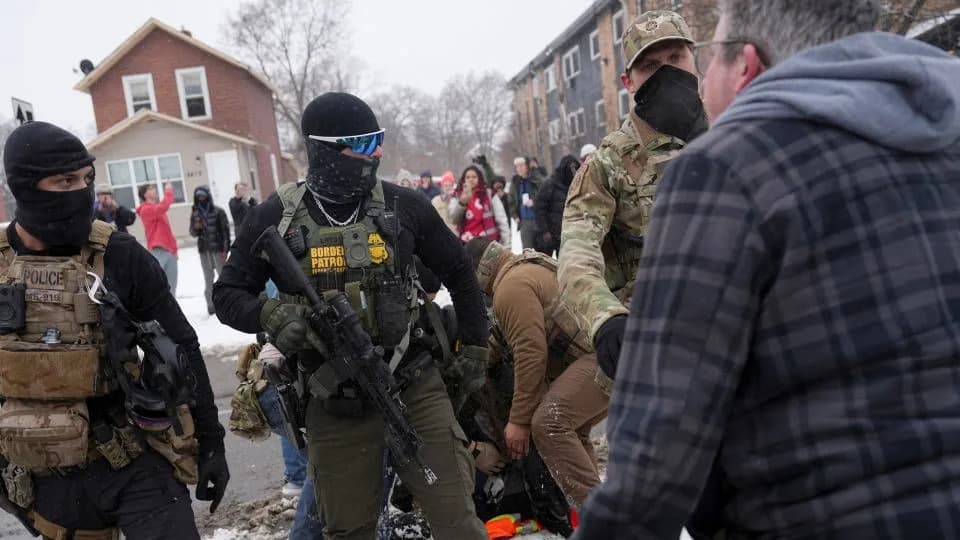
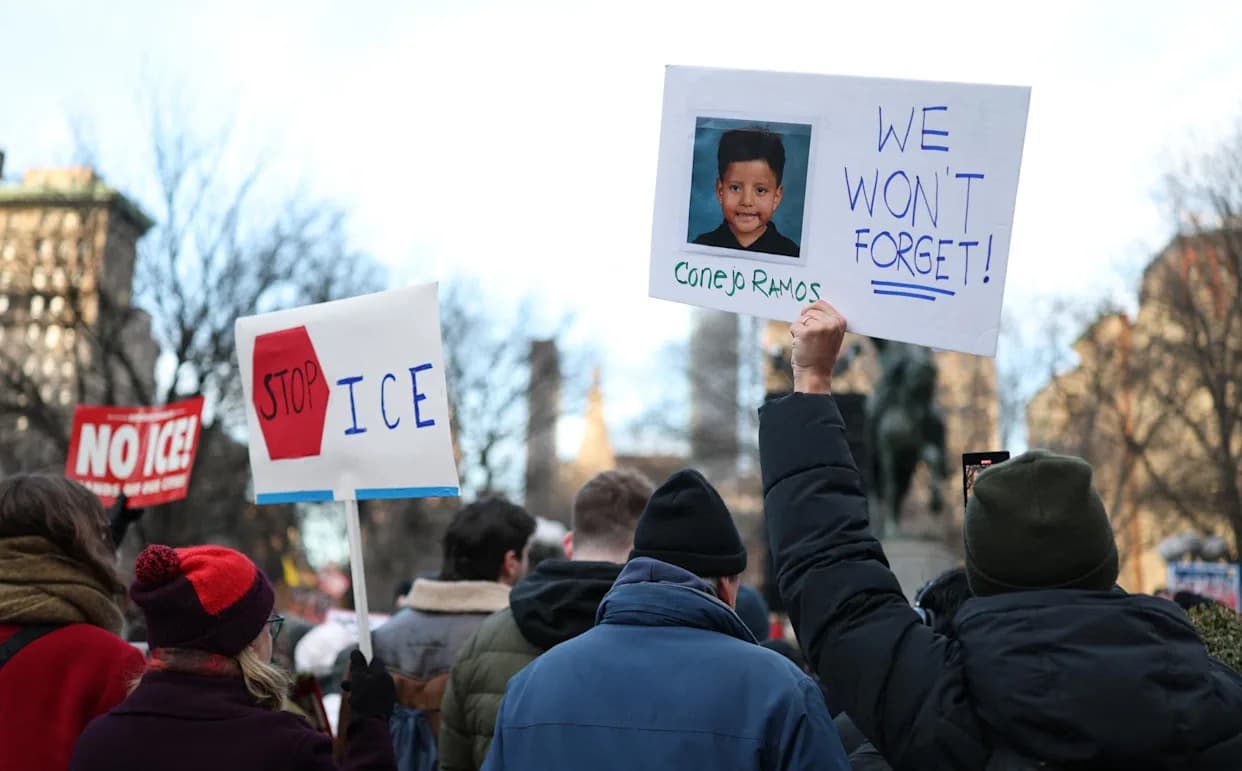
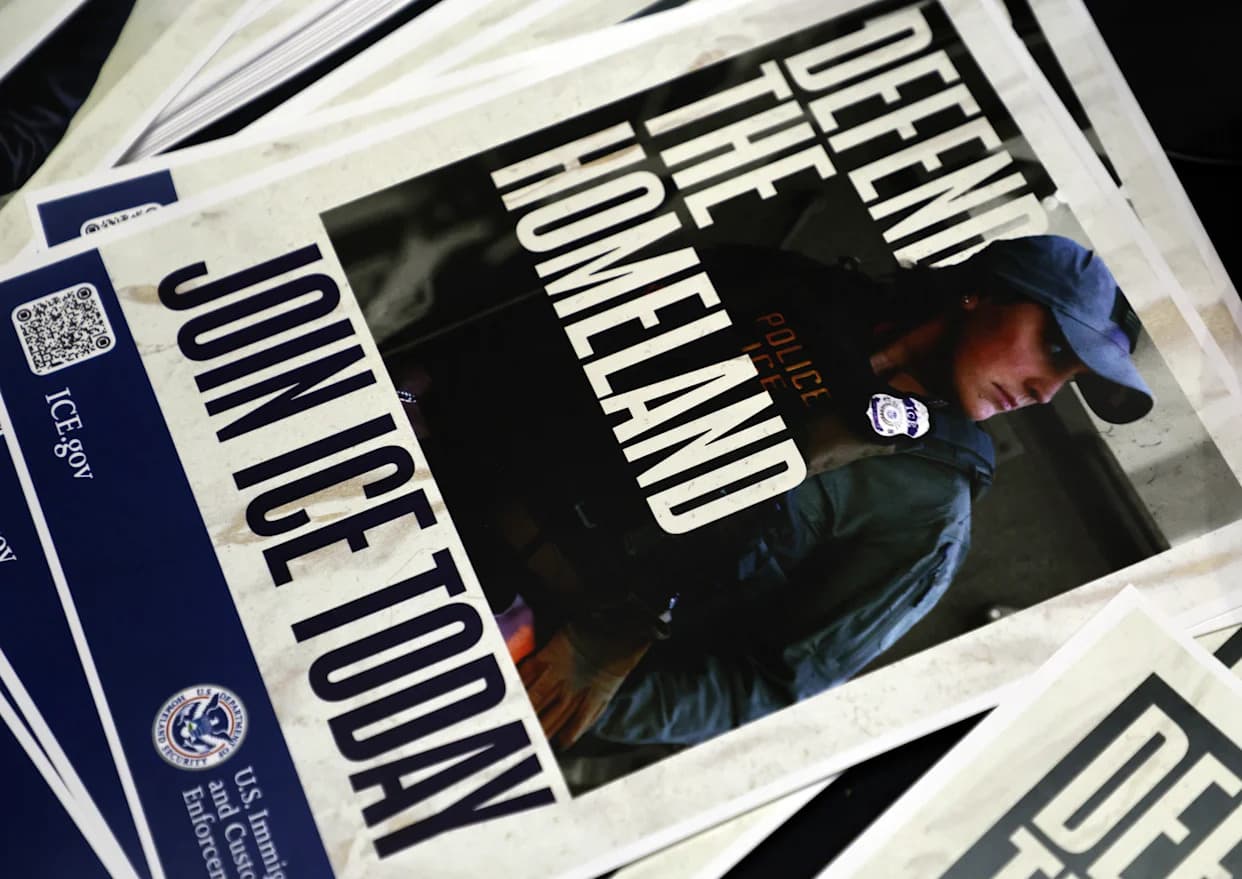
President Donald Trump recently urged journalists to shift coverage away from Immigration and Customs Enforcement (ICE) and toward what he called “the staggering sums of money stolen” in a Minnesota welfare fraud scandal. That call — posted online — highlights a wider debate about whether his focus on fraud is driven by consistent principle or by partisan and political considerations.
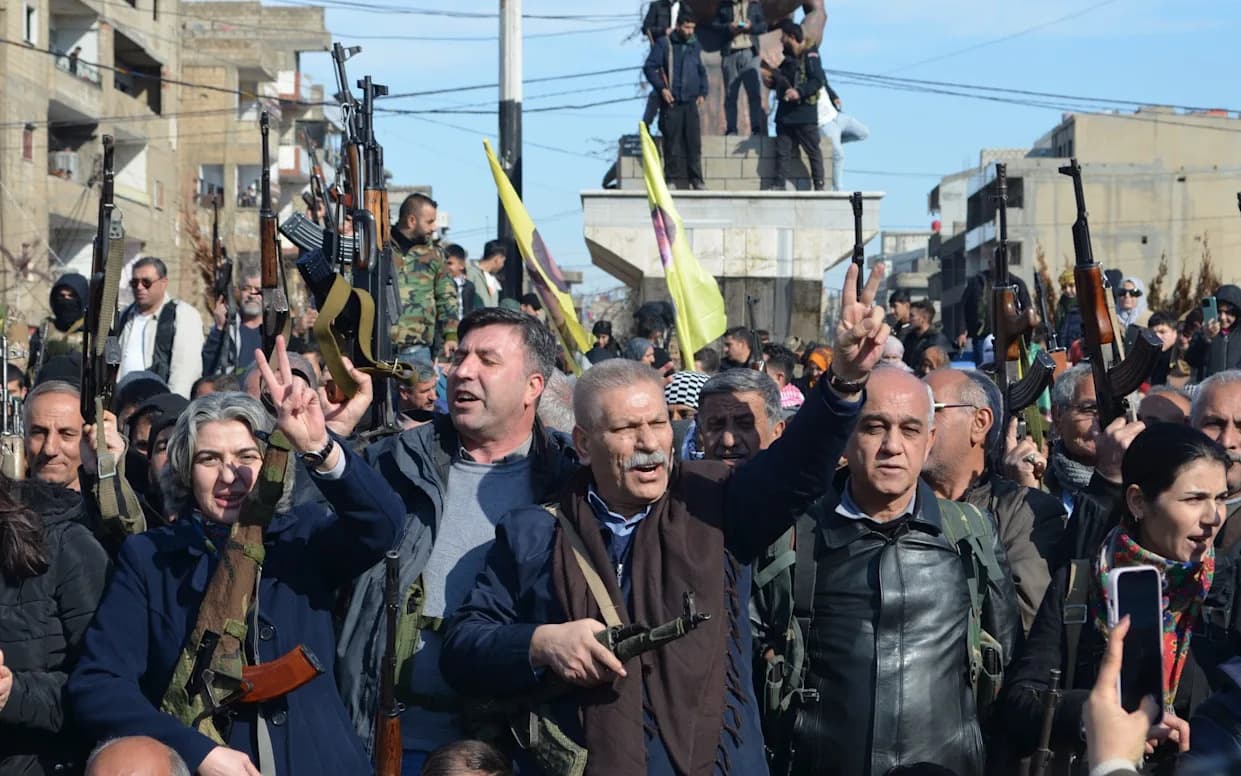
The Minnesota story, which centers on allegations involving Somali American residents, has drawn intense media scrutiny and legitimate criminal investigations. Many of those accused now face charges, and the case has prompted federal steps to review and — in some cases — suspend funding for programs while investigators probe alleged abuse.
But critics say Mr. Trump’s interest in fraud is selective. An editorial in The New York Times and reporting from outlets such as KFF Health News note that Mr. Trump has pardoned or commuted sentences for dozens of people convicted of fraud-related crimes during his presidential terms, while also removing more than 20 inspectors general whose offices are tasked with detecting and preventing fraud.
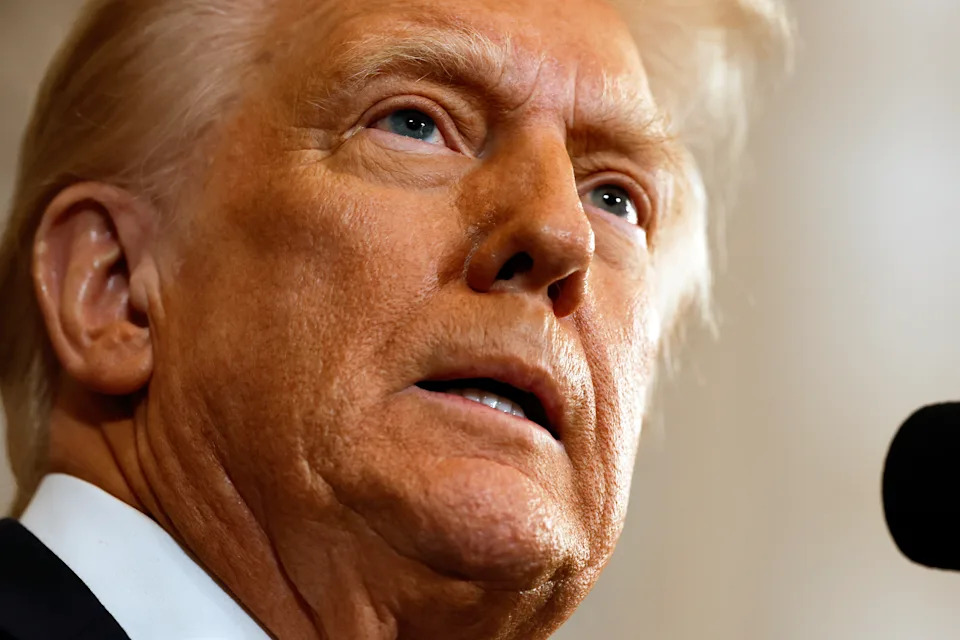
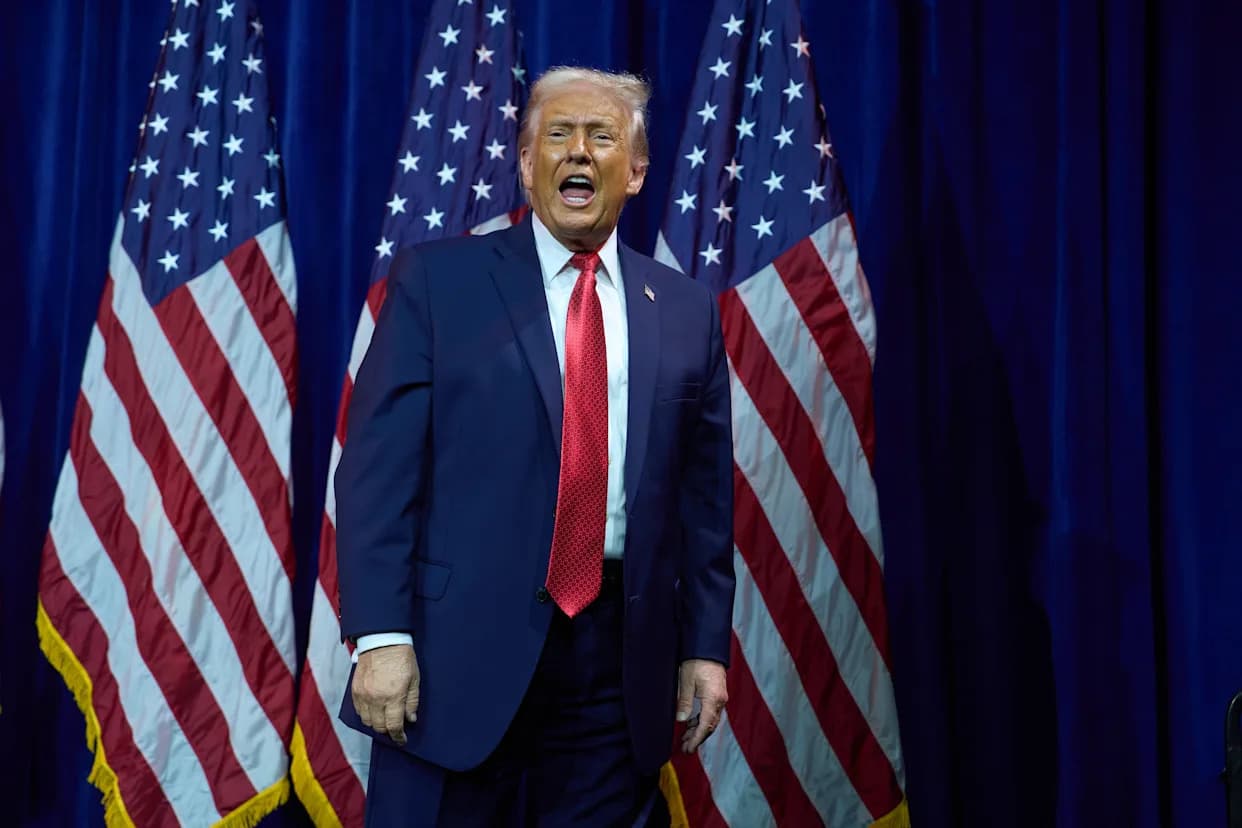
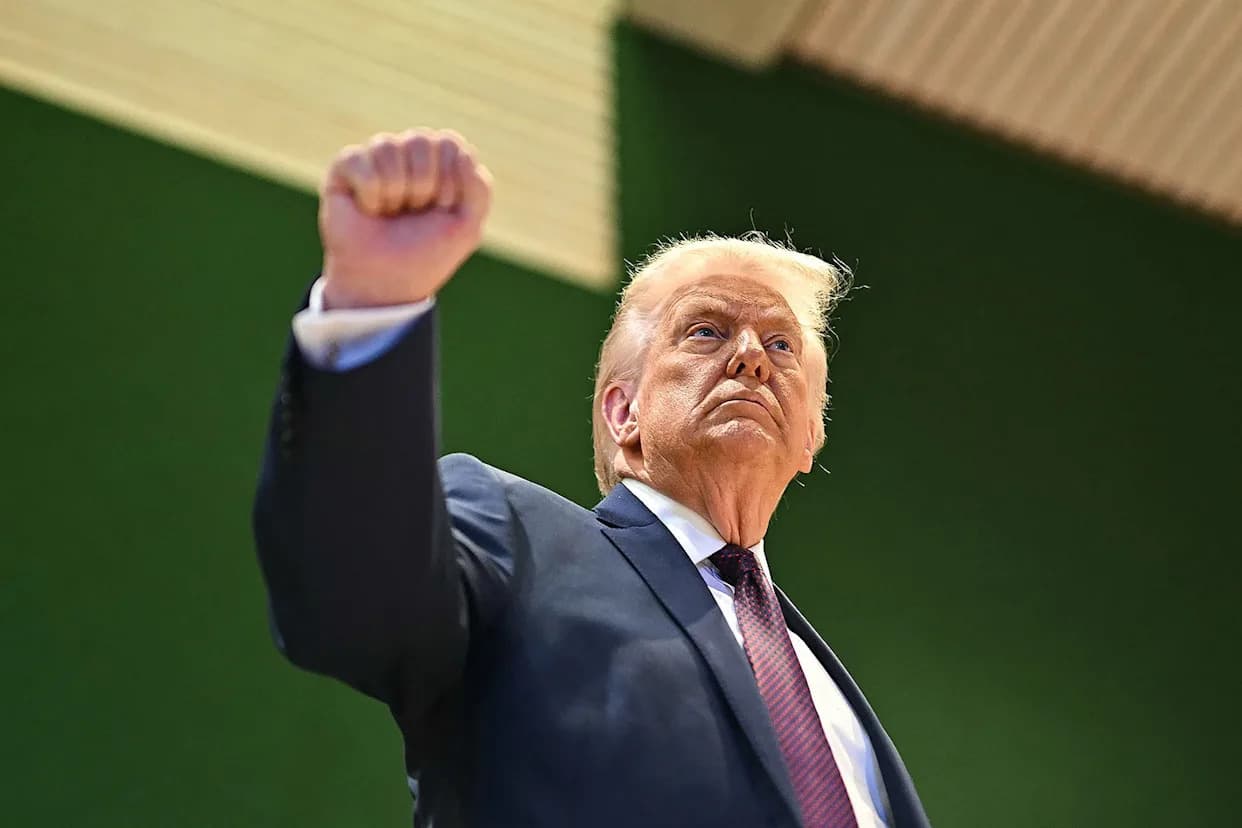
President Donald Trump during inauguration ceremonies on Jan. 20, 2025 in the Rotunda of the U.S. Capitol.(Chip Somodevilla / Getty Images)
“The Minnesota fraud is real, and the people who perpetrated it deserve to face charges. Many already have. … But Mr. Trump’s interest in fraud is selective, applying exclusively in jurisdictions that have opposed him.” — The New York Times Editorial Board
Observers say that juxtaposition — forceful public condemnations of alleged fraud in a community of Black immigrants, alongside clemency for other fraud convicts and personnel moves that weakened fraud oversight — suggests political motivation. As journalist Paul Waldman argued in a recent MS NOW piece, the focus on Minnesota fits a pattern of rhetoric that can inflame anti-immigrant and racial tensions.
At the same time, critics point out that Mr. Trump has shown less visible concern about other types of alleged fraud, including corporate or organizational misuse of public funds. Those inconsistencies have fueled the charge that his condemnations are aimed more at political enemies and immigrant communities than at fraud wherever it occurs.
Bottom line: The Minnesota welfare-aid investigation is a substantive legal matter that merits reporting. But the broader controversy raises legitimate questions about selectivity: whether enforcement energy and public condemnation are being applied evenly or primarily against communities and jurisdictions that oppose the president.
Help us improve.