Treasury Secretary Scott Bessent told the Minnesota Economic Club that recovered welfare-fraud dollars could help finance President Trump’s proposed $1.5 trillion defense spending plan. He singled out Minnesota as a major focus of investigations into alleged misuse of federal funds, which officials estimate may total about $9 billion. Bessent argued that aggressive recovery and prosecution efforts could fund defense priorities without raising taxes, while cautioning that substantial recoveries will require lengthy investigations and legal action.
Treasury Says Minnesota Fraud Recoveries Could Help Fund Trump’s $1.5 Trillion Defense Plan
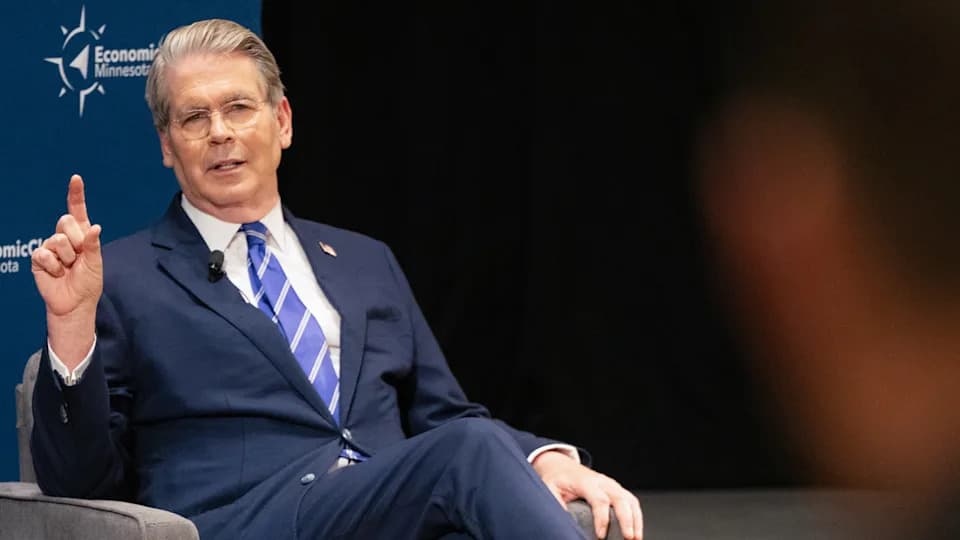
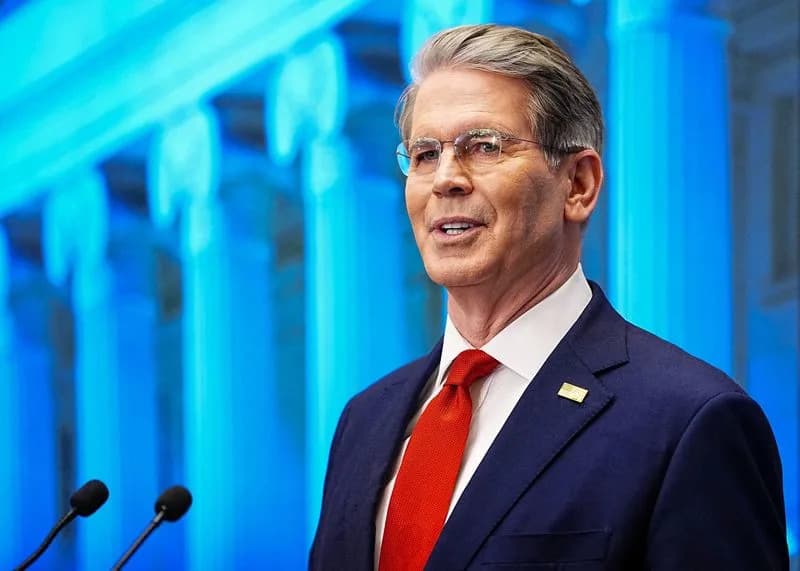
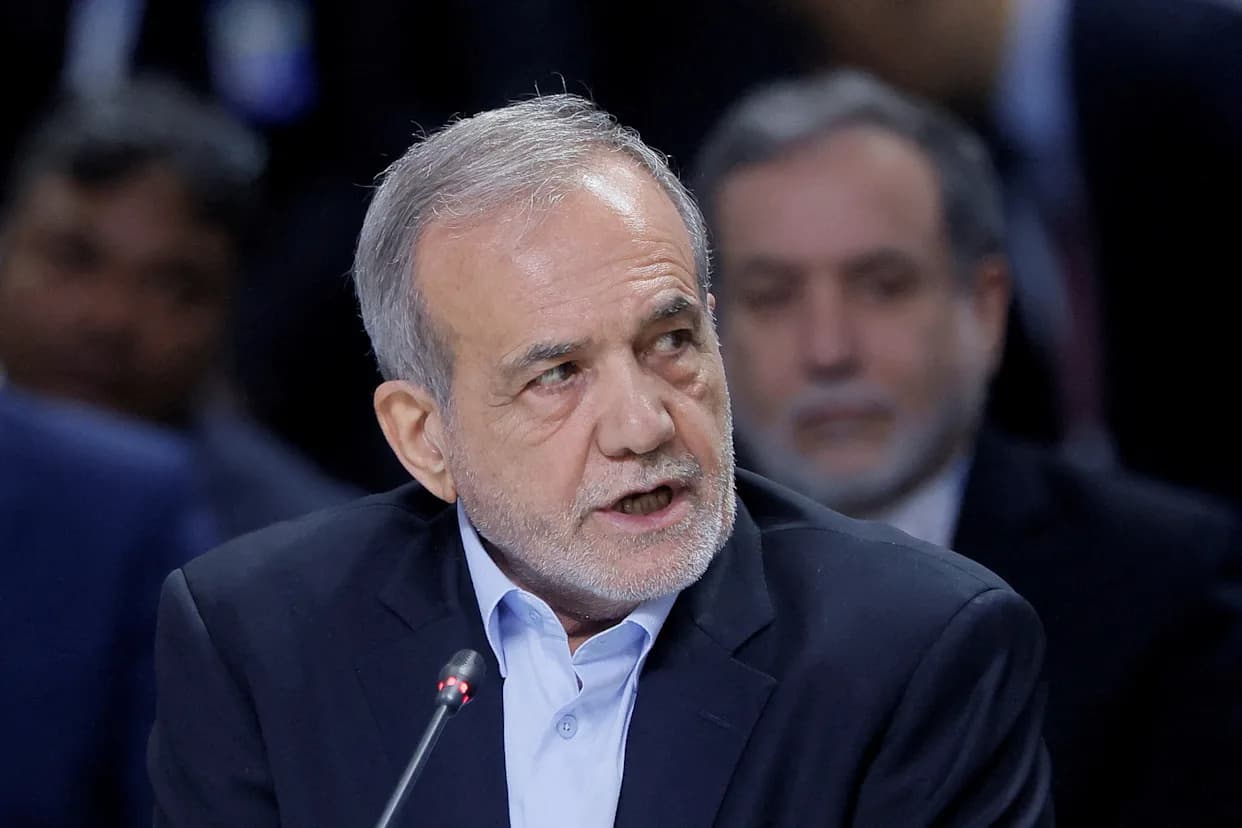
Scott Bessent, U.S. treasury secretary, during an Economic Club of Minnesota event in Golden Valley, Minn., Thursday, Jan. 8, 2026.
Treasury Secretary Scott Bessent said Thursday that President Donald Trump’s proposal to increase U.S. defense spending by as much as $1.5 trillion could be at least partly financed by reclaiming taxpayer dollars lost to fraud, waste and abuse — particularly from welfare programs now under investigation in Minnesota.
Speaking at the Minnesota Economic Club, Bessent said the Treasury Department is stepping up efforts to recover funds wrongly paid through federally supported assistance programs and identified Minnesota as a central focus of those probes.
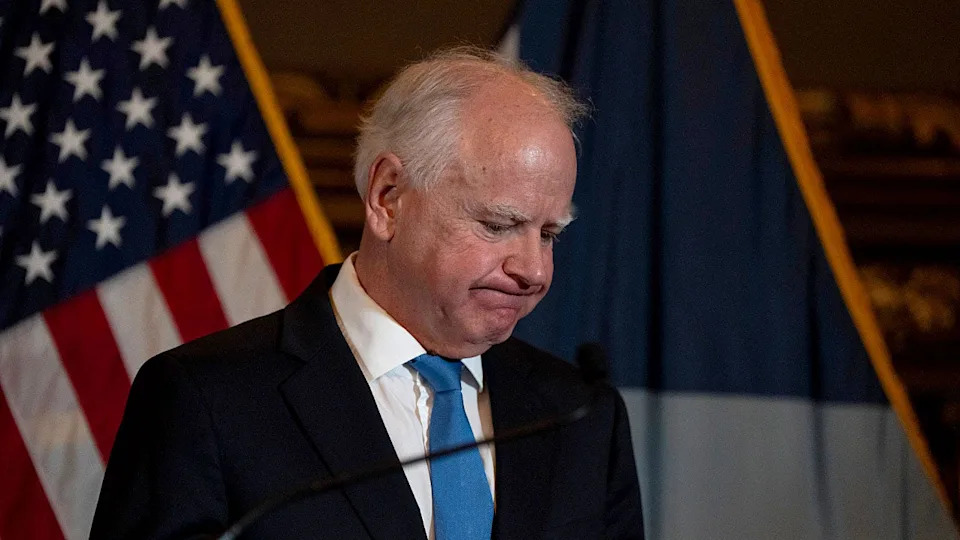
Minnesota Gov. Tim Walz said he "came to the conclusion that I can’t give a political campaign my all."
"Minnesota, unfortunately, is ground zero for what may be one of the most egregious welfare scams in our nation’s history to date," Bessent said.
Bessent suggested that recovered funds could help bankroll a major increase in military spending. He referenced an announcement that President Trump was considering a $500 billion rise in defense spending and was asked whether the government could afford such an increase. "Yes, if we can get the money back from fraud," he replied.
Pressed on whether recoveries would be large enough to meaningfully boost the defense budget, Bessent maintained they could. He described aggressive enforcement, prosecutions and prevention as key elements of the administration’s strategy to rein in government waste while funding national security priorities without raising taxes.
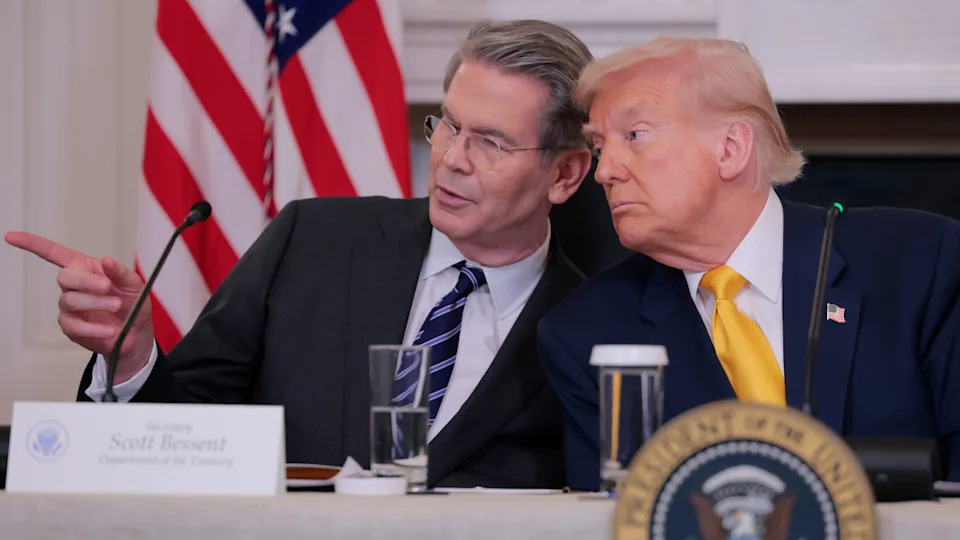
U.S. Treasury Secretary Scott Bessent outlined a plan to help finance President Donald Trump's $1.5 trillion defense budget plan.
The comments come amid a sprawling fraud scandal in Minnesota that officials estimate may involve at least $9 billion in misused funds. That controversy has drawn national attention and contributed to Minnesota Governor Tim Walz's decision not to seek re-election amid scrutiny over the state's handling of the programs involved.
"Under Governor Tim Walz, billions of dollars intended for families in need, housing for disabled seniors and services for children were diverted to benefit fraudsters," Bessent said. "I am here this week to signal the U.S. Treasury's unwavering commitment to recovering stolen funds, prosecuting fraudulent criminals, preventing scandals like this from ever happening again and investigating similar schemes state by state."
While Bessent presented recoveries as a potential funding source, large-scale recoveries typically require extended investigations, litigation and coordination between federal and state authorities; the total recoverable amount remains uncertain. Still, the Treasury says pursuing stolen funds is a top priority as part of its broader effort to protect taxpayer dollars and sustain national defense spending without immediate tax increases.
Turning to Minnesota’s future, Bessent framed the enforcement effort as part of a broader policy message: that the state can reclaim its role as a Midwest leader in culture, business and innovation under different leadership and priorities. "For decades, Minnesota led the Midwest as a hub for culture, business and innovation," he said. "But it doesn’t have to be this way. President Trump’s hope, and ultimately his invitation, is that Minnesota becomes a North Star state again."
Help us improve.