As Donald Trump completed his first year in his second term, a series of controversial pardons has prompted questions about whether clemency is being influenced by donations. Reports describe a so‑called "pardon‑shopping" market, large donations to pro‑Trump organizations, and unusually lenient plea agreements followed by pardons — notably in the Julio Herrera Velutini case. The White House denies any improper influence, but critics say the pattern raises unprecedented ethical concerns about the use of presidential clemency.
Pardon For Sale? Donations, Lenient Pleas, and Growing Scrutiny of Trump’s Clemency Decisions
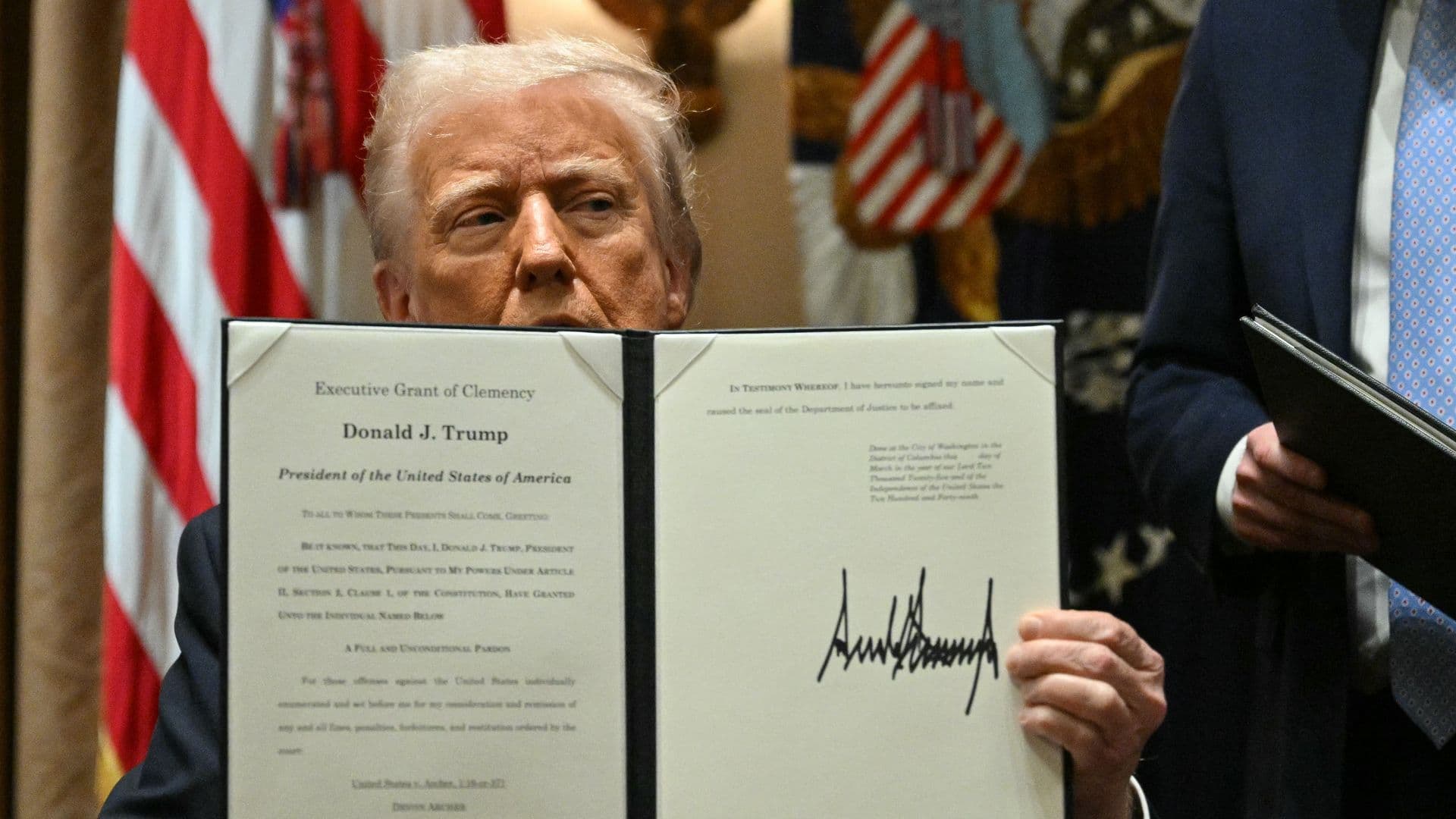
As President Donald Trump’s second term entered its first year, an expanding list of controversial pardons has prompted intense scrutiny and a question without modern precedent: are presidential pardons being effectively sold?
Reports of a "Pardon‑Shopping" Market
Investigations by major outlets have described an emerging "pardon‑shopping" industry. The Wall Street Journal reported that lobbyists alleged a going rate of about $1 million, with some pardon‑seekers offering success fees up to $6 million to intermediaries close to the president.
The Herrera Velutini Case
The controversy sharpened after The New York Times detailed the case of Venezuelan‑Italian banker Julio Herrera Velutini. While Herrera faced felony bribery and related charges, his daughter, Isabela Herrera, donated $2.5 million to MAGA Inc., a pro‑Trump super PAC. In May, the father’s attorney, Christopher M. Kise — who previously worked on Mr. Trump’s legal team — negotiated a notably lenient deal with the Justice Department. That agreement, reportedly authorized by a senior Trump appointee, reduced the case to a misdemeanor campaign‑finance plea, disappointing career prosecutors who had sought a tougher outcome. Two months later Isabela donated another $1 million to MAGA Inc., and Mr. Trump granted a pardon to her father. The White House has denied that political contributions influenced the pardon.
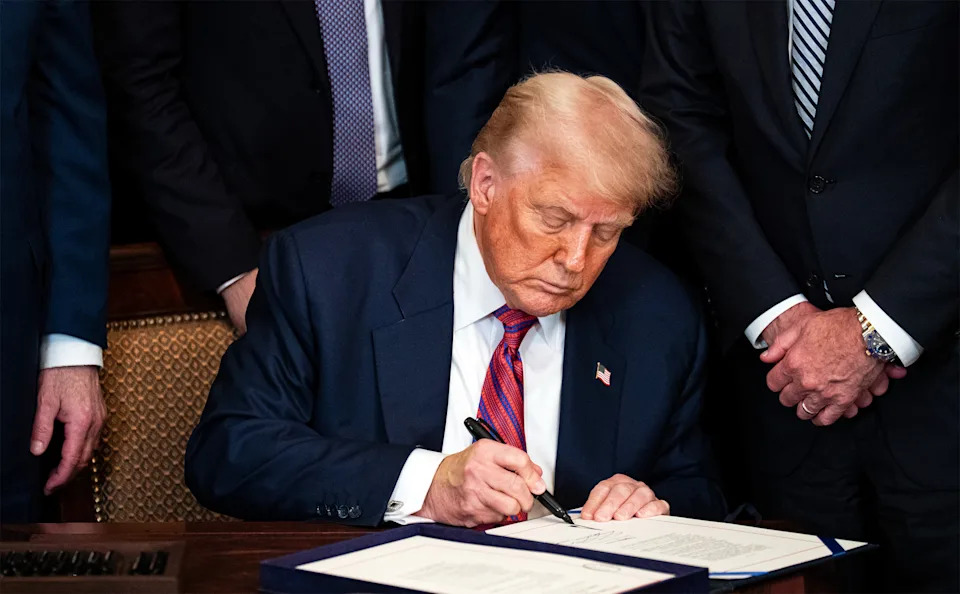
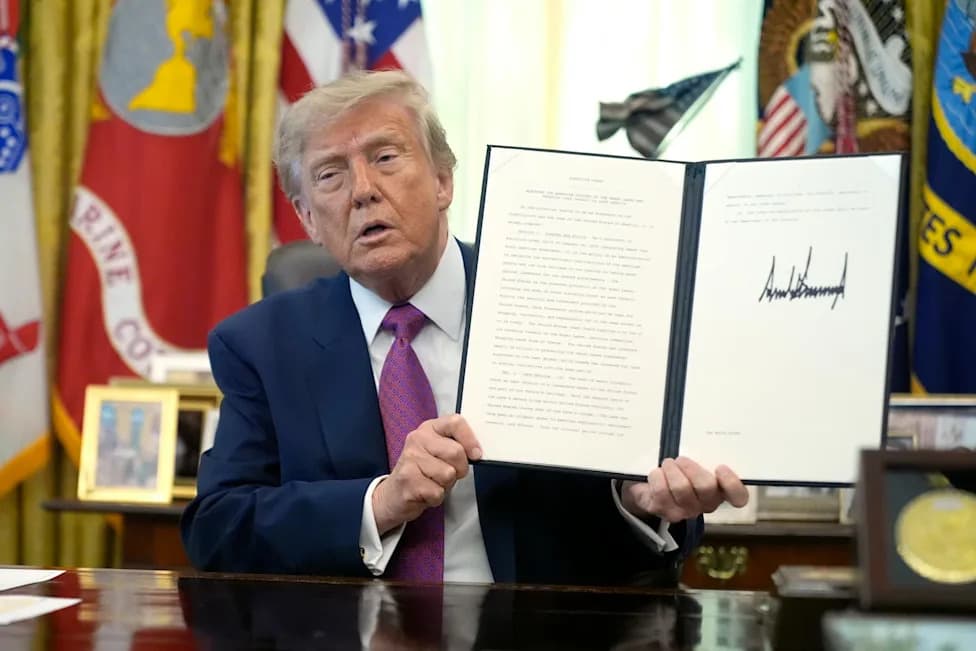
President Donald Trump signing an act on July 18, 2025 during a ceremony in the East Room of the White House.(Al Drago / Bloomberg via Getty Images)
“Her father faced bribery charges. She donated $2.5 million to a pro‑Trump Super PAC. Trump’s Justice Department gave her father a lenient deal, overruling prosecutors. She gave another $1 million. Now Trump has pardoned her dad.” — Peter Baker, The New York Times
Other Pardons, Other Questions
The White House also announced a pardon for former Puerto Rico governor Wanda Vázquez Garced, who had pleaded guilty to a corruption‑related charge tied to her 2020 campaign. NBC News reported the pardon did not cover all pending cases against her and that officials planned a correction "out of an abundance of caution."
Historical Context And Official Responses
Critics have drawn comparisons to a 2008 episode when President George W. Bush rescinded a pardon for Isaac Robert Toussie after concluding his father’s political contributions created an appearance of impropriety. In the current administration, White House press secretary Karoline Leavitt has said the administration treats pardons "with the utmost seriousness" and subjects each request to a "very thorough review process" by qualified lawyers — a claim that observers say clashes with the emerging pattern of donations followed by lenient outcomes and clemency.
Why It Matters
The sequence of donations, unusually lenient prosecutorial outcomes and subsequent pardons has raised ethical and legal concerns about the integrity of the clemency process. Even where no explicit quid pro quo is proven, the appearance that political contributions are followed by favorable legal treatment undermines public trust in the justice system and in the impartial use of presidential powers.
Bottom Line: The White House denies political influence; critics say the timing and pattern of donations, plea deals and pardons represent an unprecedented abuse — or at minimum a serious appearance of abuse — of the presidential pardon power.
Help us improve.