Faustin-Archange Touadéra was confirmed by the Constitutional Court as Central African Republic president for a third term with 78% of the vote; his main opponent Anicet-George Dologuélé received 13.5% and had his fraud appeal rejected. Voter turnout on December 28 was just over 52%, and legislative, regional and municipal contests were also held, with a second round of legislative voting still pending. Critics highlight Touadéra's ties to Russia and the Wagner group, ongoing regional insecurity, and deep poverty affecting roughly 71% of the population. The president pledges to tackle the country's "fragility," focusing on security, social cohesion and basic services.
Constitutional Court Confirms Touadéra’s Re-Election With 78% Amid Criticism Over Russian Ties
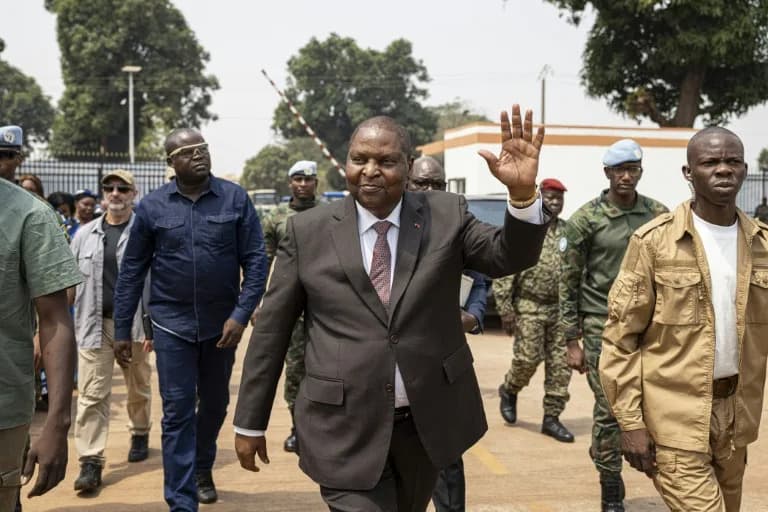
Central African Republic President Faustin Archange Touadera won a landslide in last month's election, with 78 percent of the vote, according to final results (PATRICK MEINHARDT)(PATRICK MEINHARDT/AFP/AFP)
Faustin-Archange Touadéra has been confirmed by the Central African Republic's Constitutional Court as president for a third term after winning 78% of the vote in the December election, the court announced on Monday.
Election Results
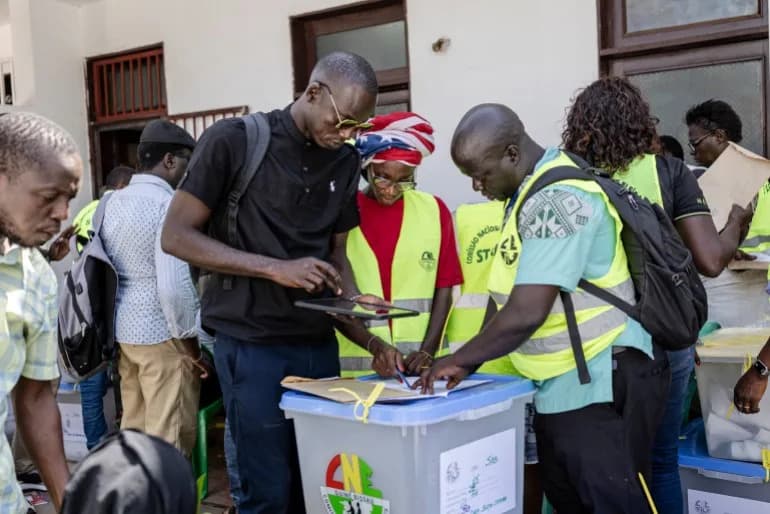
The court said Touadéra’s main rival, former prime minister Anicet-George Dologuélé, received 13.5% and that his appeal alleging fraud against the provisional results was rejected. Turnout for the December 28 vote was reported at just over 52%. The ballot also included legislative, regional and municipal contests; a second round of legislative voting remains to be scheduled.
Reactions and Candidates
Speaking to supporters from his United Hearts Movement after the announcement, Touadéra, 68, thanked the population and called for national unity to "build the country together for its development." Henri-Marie Dondra finished a distant third with just under 3% and called for the annulment of the vote, criticising the election agency's organisation.
How He Got Here
Touadéra ran as a stability candidate in a country that has experienced repeated civil wars, coups and authoritarian governments since independence from France in 1960. A 2023 constitutional change cleared the way for him to seek a third term. Touadéra first won office amid civil war in 2016 and was re-elected in 2020.
Security, Russian Involvement and the 2019 Peace Accord
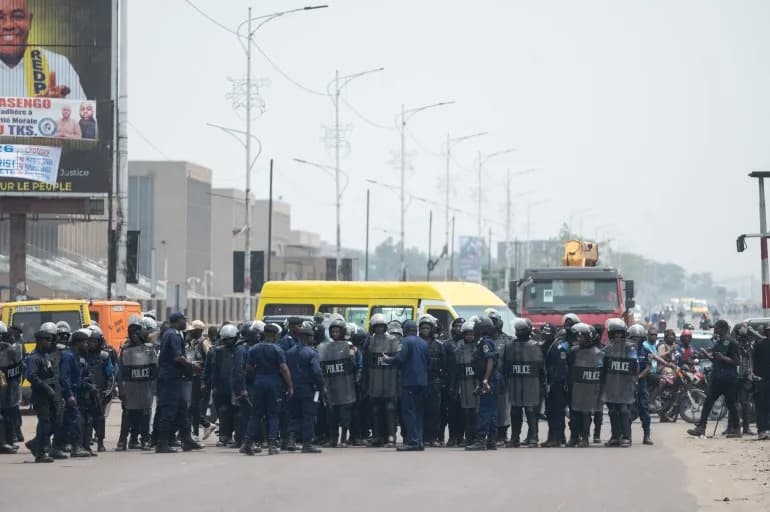
Security has improved in parts of the country since 2016, but clashes and rivalries between armed groups and government forces persist, particularly in the east (bordering Sudan and South Sudan) and in the northwest. Critics have dubbed Touadéra "President Wagner" for his perceived dependence on Moscow and on Russia’s Wagner paramilitary group, which has operated in the country since 2018 at the president's invitation. Wagner has helped bolster the underfunded national army while gaining lucrative mining contracts for gold and diamonds.
In 2019 Touadéra signed a contentious peace deal with 14 armed groups that integrated many former warlords into government roles in exchange for disarmament — a measure that helped reduce widespread fighting but also raised concerns about impunity and governance.
Economic and Humanitarian Challenges
Despite some stabilization, everyday life for many Central Africans remains precarious: roughly 71% of the country lives below the poverty line. The nation of about 5.5 million people is heavily dependent on international aid despite possessing natural resources such as uranium, lithium, diamonds, gold and timber. Touadéra points to infrastructure gains in the capital — paved roads, new street lighting and renovated drainage — but unemployment, poor vocational training, weak public services and rising living costs continue to trouble large parts of the population.
Outlook
Touadéra has pledged to address what he called the country's "fragility," focusing on peace, security, social cohesion and basic needs. International observers, opposition figures and humanitarian agencies will be watching whether his third term results in more durable security and concrete economic improvements, or whether reliance on foreign security partners and unresolved grievances will sustain instability in parts of the country.
Touadéra: "We will mobilise to combat this fragility in terms of peace, security, social cohesion and the population’s basic needs."
Help us improve.