Ghana is confronting a growing mental health crisis, where a severe shortage of psychiatrists and limited funding push many families to forest prayer camps and spiritual healers. Although faith-based centres are trusted, some keep residents in poor conditions and human-rights groups report continued shackling despite a 2017 ban. The Mental Health Authority is training religious leaders to spot danger signs and refer patients, but stigma and mistrust of medical care remain major barriers.
Between Prayer and Psychiatry: Ghana’s Struggle to Care for the Mentally Ill
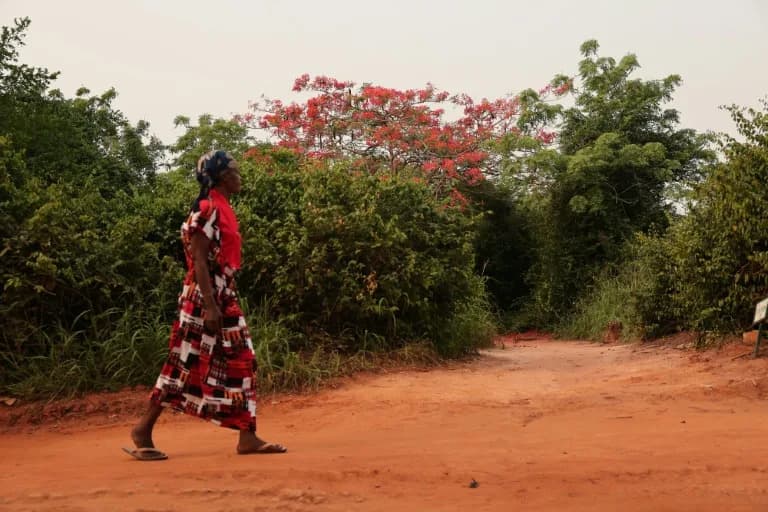
In Ghana, just over 80 psychiatrists serve a population exceeding 35 million people (Nipah Dennis)(Nipah Dennis/AFP/AFP)
On a recent Friday morning, crowds of worshippers streamed into Achimota Forest, a green swath in Ghana’s capital that has become an unexpected refuge for families seeking help for loved ones in mental crisis. From the park’s edge near the Accra Zoo the scene seemed tranquil; inside, however, prayer rose in intensity, some worshippers convulsed and others wept as they sought spiritual healing.
In one clearing a woman in her early 30s sat unkempt and staring into space. Her relatives said she had become “mentally disturbed” about a month earlier and had been brought there because they believed her condition was spiritual rather than medical. They took her to Prophet Elisha Ankrah of The World For Christ Church, who told visitors, "What the doctors cannot cure, God can." He said many families arrive after hospitals have failed them and that prayer and fasting lead to restoration.
Clinical Shortages and Limited Access
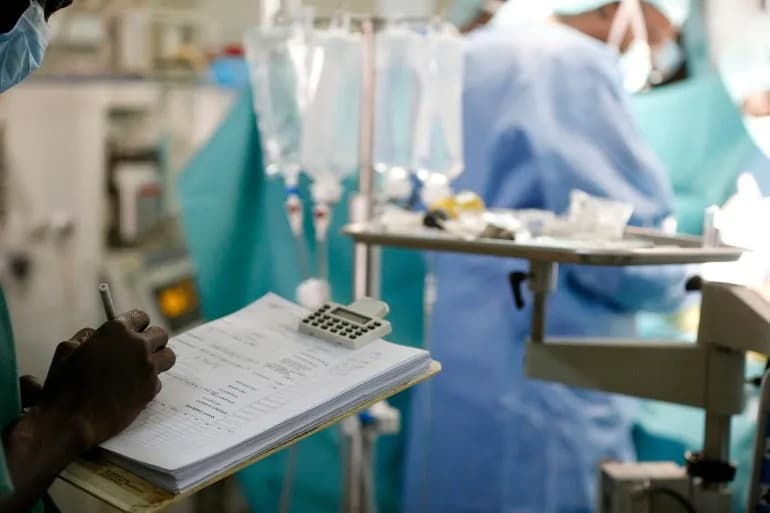
Ghana faces a severe shortage of mental health professionals. The Mental Health Authority (MHA) reports there are just over 80 psychiatrists serving a population of more than 35 million. Clinical services are concentrated in major cities, leaving rural areas thinly served. The MHA also estimates that over 21% of Ghanaians live with mild to severe mental disorders, yet only about 2% of the national health budget is devoted to mental healthcare — a gap that makes clinical care inaccessible for many families.
Prayer Camps: Trust, Tradition and Risk
With limited access to clinical treatment, many families turn to forest "prayer camps" and spiritual healers. Cultural beliefs that mental illness stems from curses, witchcraft or demonic possession drive this choice for large segments of the population. At Mt. Horeb Prayer Camp in Mamfe, a worshipper bluntly told reporters: "You don't treat spirits with tablets. You break them with prayer." Supporters of faith-based centres argue they relieve pressure on an overstretched health system: "If not for prayer camps, the hospitals would collapse under the numbers," said an attendant at a camp in Adeiso.
Conditions and Human Rights Concerns
Many camps operate in cramped, poorly ventilated structures where residents sometimes crouch on bare concrete floors. Some are malnourished; others bear scars from restraints. Although Ghana banned the shackling of people with psychosocial disabilities in 2017, the practice persists. Human Rights Watch and other groups have documented continued shackling and in 2023 assisted in freeing more than 30 chained patients in the Eastern Region. Activists say camps sometimes hide chained individuals when NGOs or journalists visit.
“Chaining, forced fasting and isolation can traumatise patients further, delay effective treatment, and in some cases lead to death,” noted Abigail Harding, a psychiatrist at Korle Bu Teaching Hospital.
Working With Faith Leaders — Not Against Them
Experts caution against demonising faith healers: they remain trusted figures in many communities. University of Ghana clinical psychologist Emmanuel Asampong argues for partnership rather than exclusion. "We need to bring them on board, just as we did with traditional birth attendants," he said. If faith leaders can be trained to recognise danger signs and refer people to medical care, the system could catch more people earlier.
The MHA reports it has begun outreach and training programmes for religious leaders and camp operators. "Religion is deeply part of who we are," said Josephine Stiles Darko, the MHA's deputy head of communications. "We can't take spirituality away, but we must ensure that any help given is humane and aligned with the law." Legal pathways also exist: under Ghanaian law, family members, police officers or concerned citizens can apply to a court to order involuntary treatment when someone poses a danger to themselves or others — but many people are unaware of these protections and how to use them.
Stigma and the Road Ahead
Stigma remains a major barrier to care. A 2022 Afrobarometer survey found that 60% of Ghanaians believe mental health conditions are caused by witchcraft or curses. That belief, combined with limited clinical access and hopes for instant spiritual cures, keeps many families turning to camps despite the risks.
As the sun climbed over Achimota Forest, prayer voices crescendoed. The woman taken to Prophet Ankrah remained motionless; beside her, her sister gripped her hand and whispered that healing would come—if not today, then after more fasting. The scene underscored a national challenge: bridging faith and medicine, expanding trained clinical services, protecting human rights, and reducing stigma so that vulnerable people receive safe and effective care.
Help us improve.