A delegation of Nigerian religious and traditional leaders visited Washington, D.C., to seek international support as ethnic and religious violence erodes state authority in parts of Nigeria. They warned that armed groups now extort taxes and have displaced an estimated 3.5–8 million people, many living in makeshift camps. The visit followed an Abuja interfaith dialogue that created a Joint Interfaith Advocacy Committee, and included briefings with U.S. agencies and Rep. Riley Moore, who pledged ongoing consultation.
Nigerian Interfaith Leaders Urge U.S. Support as Violence Displaces Millions
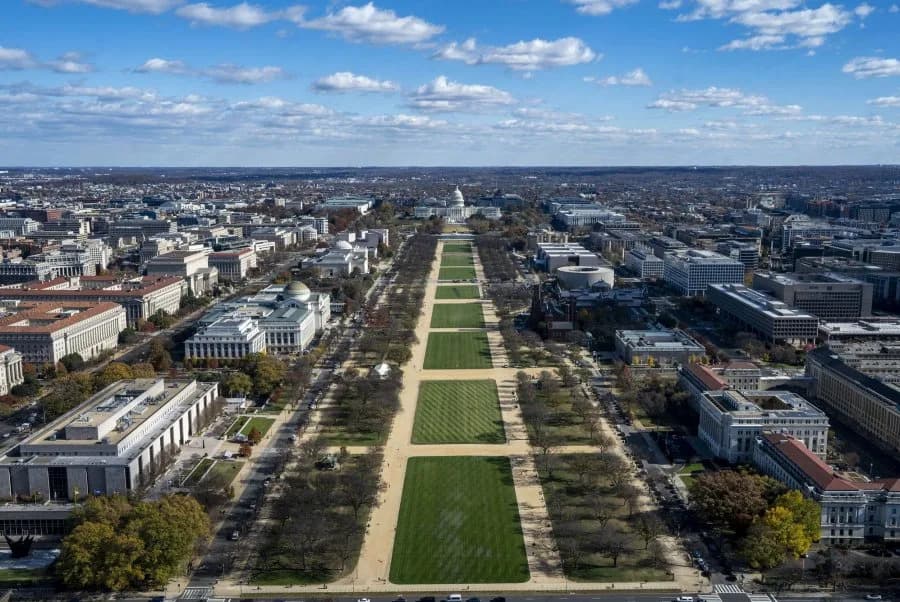
The U.S. Capitol building is seen from the Washington Monument in Washington, D.C. on Monday, November 17, 2025. File Photo by Bonnie Cash/UPI
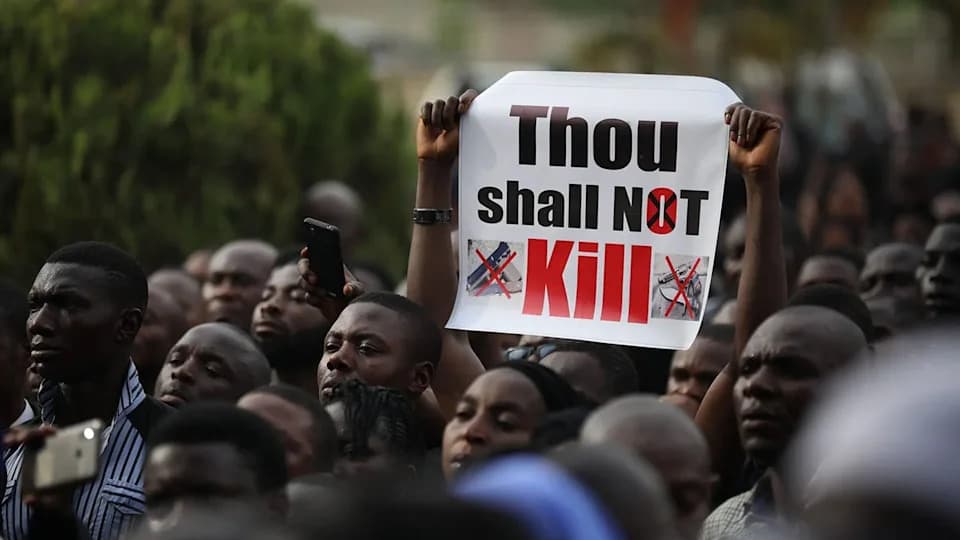
A delegation of prominent Nigerian religious and traditional leaders traveled to Washington, D.C., this week to seek international understanding and concrete support as Nigeria faces escalating ethnic and religious violence and a growing breakdown of state authority in parts of the country.
Visit and Briefings
The delegation included three Christian leaders from Catholic and Protestant traditions and three Muslim imams, one of whom also serves as a traditional ruler in Zamfara State. Last Wednesday, they briefed U.S. and international stakeholders on the security crisis and discussed priorities for interfaith collaboration with potential partners.
Ambassador Sam Brownback, former U.S. Ambassador-at-Large for International Religious Freedom and chairman of the 2026 International Religious Freedom Summit, warned of the crisis' urgency: "If this moment is not wisely used, you could lose the country. I fear this is the road this is starting down without sustainable solutions. You don't have a lot of time."
Scope of the Crisis
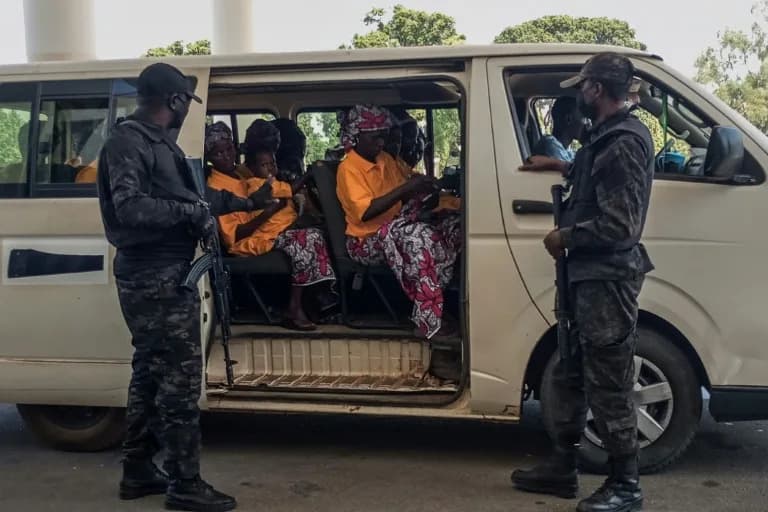
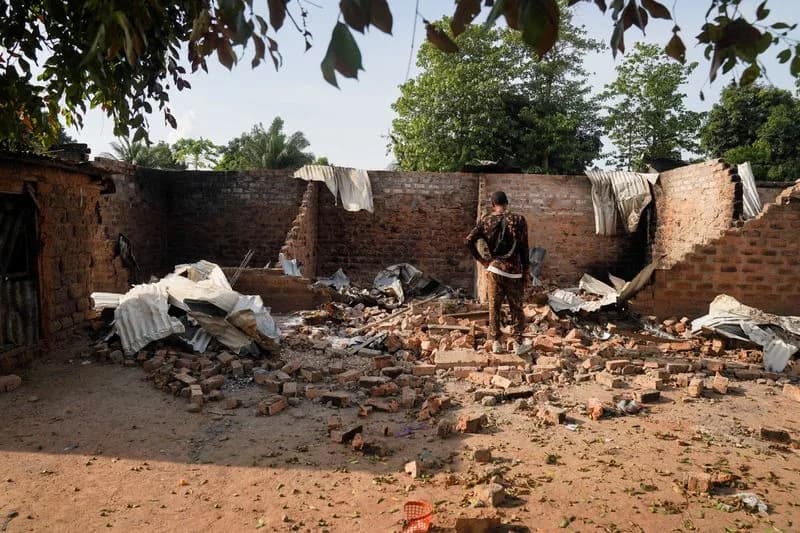
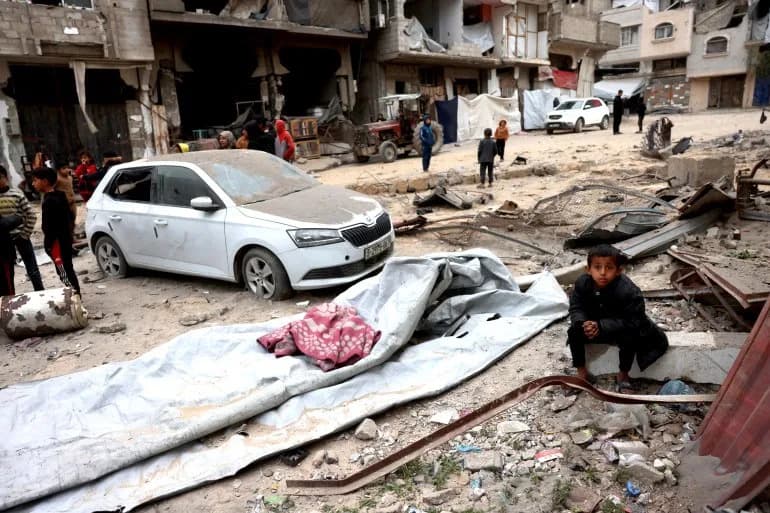
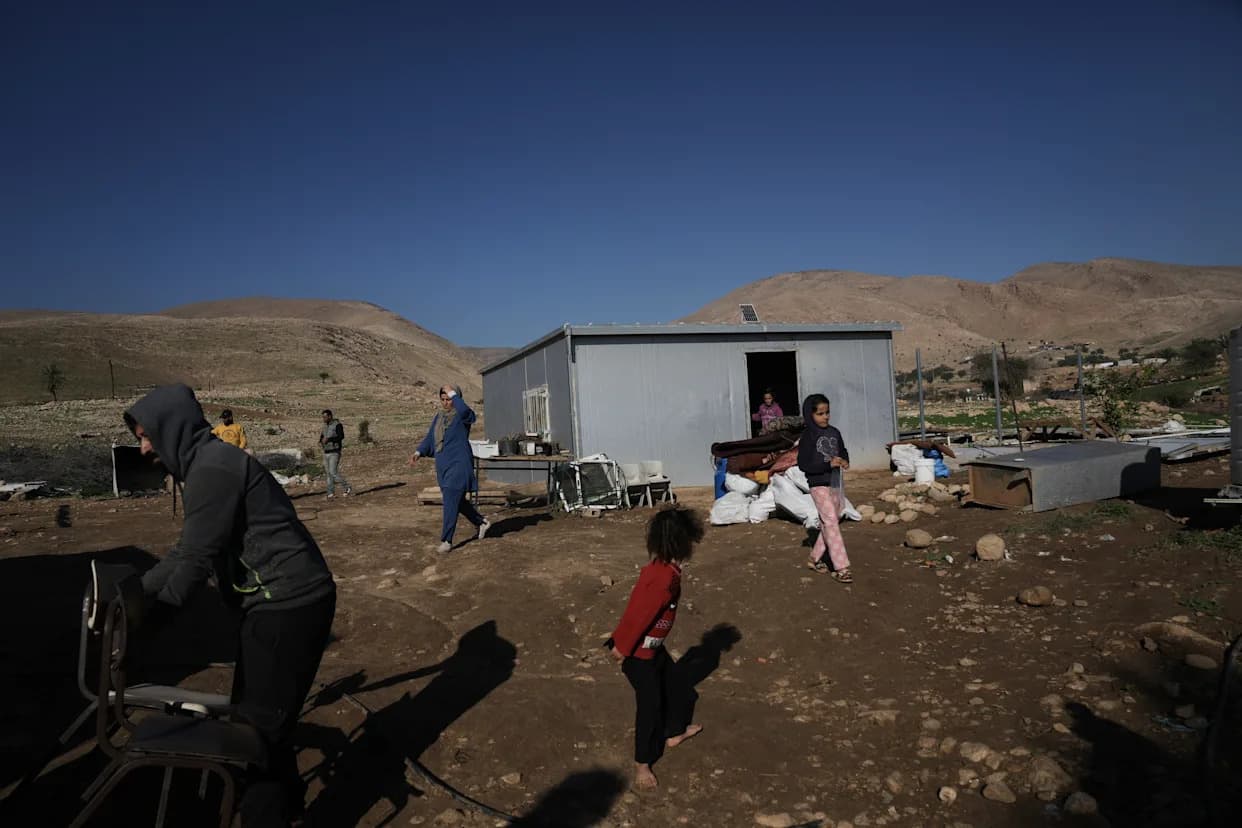
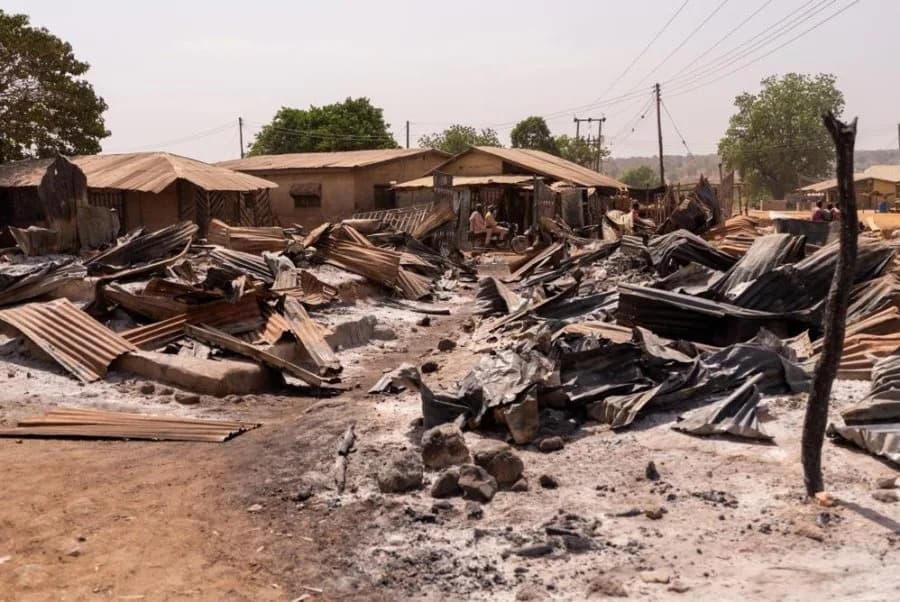
Delegation members highlighted the near-disappearance of state authority in some areas, where armed groups extort taxes, requisition harvests and effectively seize local government functions. They cited estimates that between 3.5 million and 8 million people have been internally displaced by the conflict, many living in hastily assembled camps.
"This should not be possible in 2026," Cardinal John Onyaikan told attendees, emphasizing the urgency of coordinated solutions.
Personal Accounts
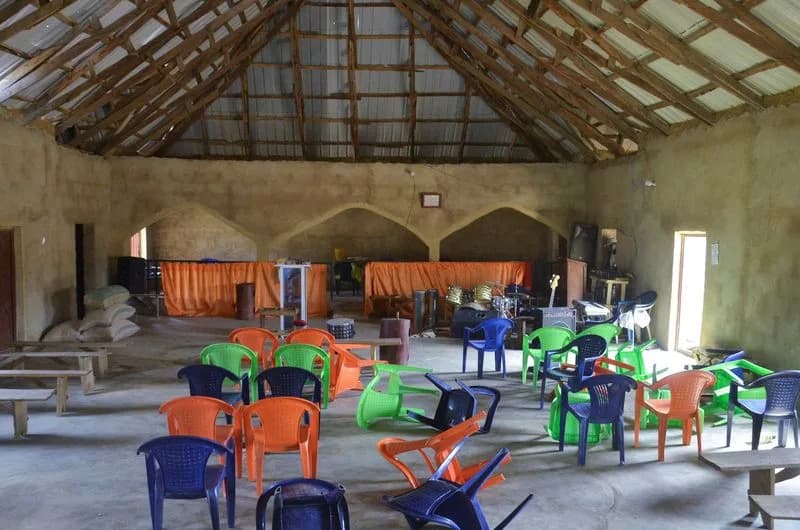
Several delegation members have been personally affected by the violence. Alhaji Hassan Attihuru, the Emir of Bungudu in Zamfara State, disputed the notion that all violence is sectarian, recounting that he was kidnapped by members of his own Fulani community, who are fellow Muslims. Rev. John Hayab, a Baptist minister in Kaduna State and Country Director of Global Peace Foundation Nigeria, said students at a church-affiliated school were abducted for ransom and that his son was among those who escaped into nearby forest.
Follow-Up to Abuja Dialogue
The Washington visit was a follow-up to an Abuja High-Level Interfaith Dialogue convened by Global Peace Foundation Nigeria in December. That meeting challenged the federal government to do more to combat violence and created a Joint Interfaith Advocacy Committee on Freedom of Religion and Belief to amplify peace messaging and monitor progress in reducing violent incidents.
U.S.-based participants at the D.C. meetings included representatives from the U.S. Commission on International Religious Freedom, Global Impact, the Religious Freedom Institute, Alliance Defending Freedom, the U.S. State Department and American University. The event was co-sponsored by the Global Peace Foundation, the Religious Freedom Institute and Pepperdine University.
Fr. Canice Enyiaka, Global Peace Foundation Director of African Peace Initiatives, said bringing faith leaders' experience to Washington was vital given the gravity of the crisis and expressed gratitude to organizations supporting religious freedom and human rights.
Engagement With U.S. Lawmakers
On their final day, the delegation met with Rep. Riley Moore (R-WV), who has been vocal about violence against Christians in Nigeria and is reported to be preparing a report for President Trump outlining security threats and possible U.S. responses. Delegation members briefed Rep. Moore on the situation's complexity and emphasized how interfaith leadership can contribute to stabilization and reconciliation. Moore agreed to continue receiving their input after they return to Nigeria.
The delegation returned to Nigeria with commitments to pursue interfaith advocacy, track progress through their Joint Committee, and maintain international dialogue to secure targeted assistance and policy support.
Help us improve.