Many Zimbabweans choose low-cost funeral cover over health insurance because it is affordable, culturally resonant and guarantees predictable services at death. Private health insurance is often unaffordable (averaging around $200/month) and about 90% of the population lacks medical cover, relying on strained public facilities. Community burial societies and cheap funeral plans (from about $0.75–$1 per month) are filling the protection gap while the government plans a national health insurance scheme.
Why Millions in Zimbabwe Prioritise Funeral Cover Over Costly Health Insurance
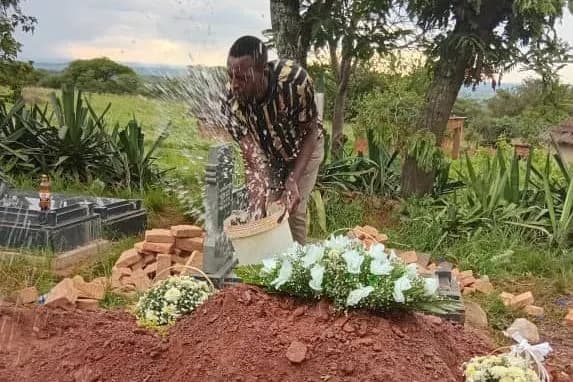
Ngoni Mutambararo sprinkles water on his uncle’s grave in Wedza shortly after his burial [Tafadzwa Mwanengureni/Al Jazeera]
Harare, Zimbabwe — Ngoni Mutambararo’s uncle, Steward Ganda, 60, spent his final months at home trying to recover from a serious illness without formal medical care.
Ganda suffered severe pain in his legs and became bedridden, unable to run the small tuck shop he operated in Kambuzuma, a low-income suburb of Harare. Like many Zimbabweans without health insurance, he delayed seeking care until his condition worsened. After being admitted to Sally Mugabe Central Hospital, doctors suspected a stroke and later considered a kidney-related problem that required a nephrologist consultation costing about $600. With no savings, Ganda’s family tried for a month to raise the fee but were unable to do so, and he died shortly after admission.
Despite lacking health cover — which can average around $200 per month — Ganda faithfully paid a modest $11 monthly premium to a funeral-services provider, which covered his post-death expenses. His funeral included a casket, a hearse, burial equipment and a bus to transport mourners on the 135 km journey to his hometown.
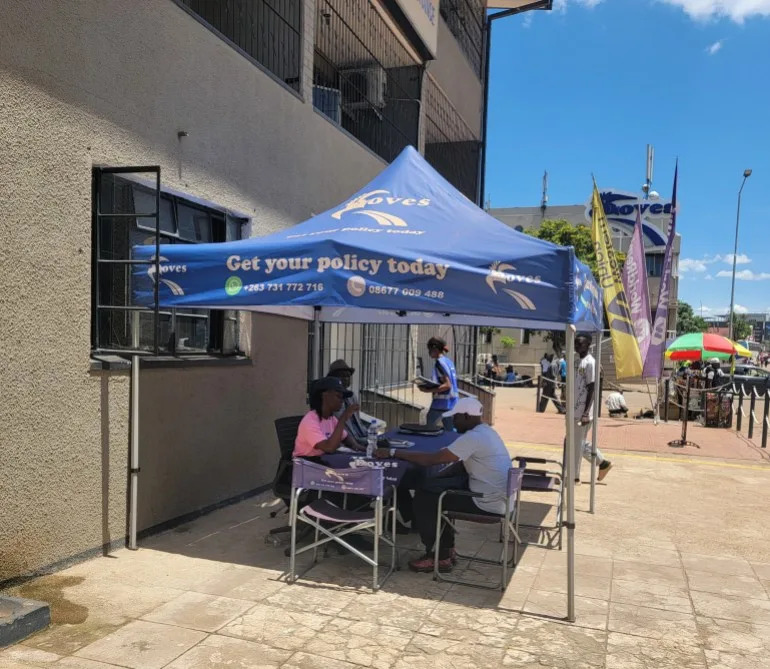
Representatives for Doves Holdings, a funeral services provider, meet prospective policyholders in Harare, Zimbabwe [Tafadzwa Mwanengureni/ Al Jazeera]
Why Funeral Cover Dominates
Across Zimbabwe, funeral insurance has become the most widely held financial product. Experts point to a combination of factors: low cost, cultural expectations around dignity in death, predictable benefits, and the collapse or underfunding of public health services.
Key statistics paint a stark picture: fewer than 900,000 people are formally employed, leaving about 16 million Zimbabweans — roughly 90 percent of the population — without health insurance and paying out of pocket for care, according to 2023–2024 data from the National Statistics Agency. A 2022 FinMark Trust report found that 72 percent of insured Zimbabweans hold funeral policies, while only 30 percent have health cover. In 2024, funeral policies accounted for about 66 percent of life-assurance revenue.
Cost And Accessibility
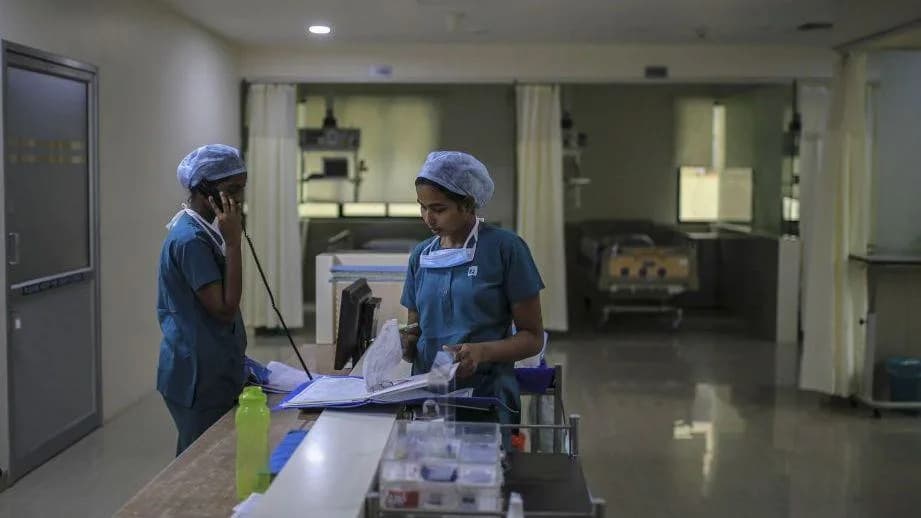
Private health insurance premiums can range from modest monthly plans to several hundred dollars, placing them out of reach for many households in a country where an estimated 60 percent of people live on less than $3.65 per day. Public facility fees start low, but government hospitals often suffer from shortages of medicines, poor infrastructure and staff losses to migration.
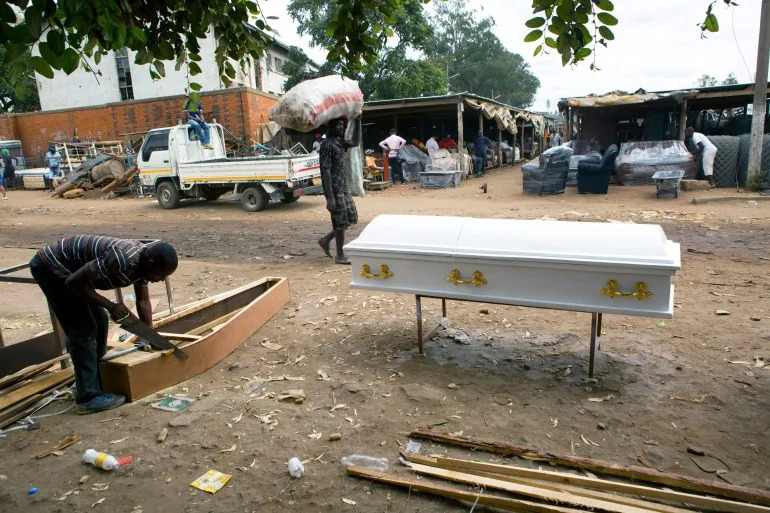
A coffin maker displays a coffin for sale while working on another one on the streets of Harare [File: Tsvangirayi Mukwazhi/AP]
By contrast, funeral plans are widely available and inexpensive: providers such as EcoSure and Zimnat offer plans starting at roughly $0.75–$1 per month. Funerals themselves typically cost between $800 and $3,000 depending on location and scale, making insurance an attractive risk-transfer tool for families.
"Funerals are immediate, unavoidable events that come with significant financial and communal expectations," said Innocent Tshuma, public relations manager at Doves Holdings Group.
Cultural And Social Factors
Cultural attitudes also shape decisions. Some Zimbabweans place a strong emphasis on dignity in death, while discussions about sickness and preparing for illness can carry social stigma. Others recall a time when public healthcare was largely subsidised, making private health insurance a newer and less familiar expense.
Community-driven burial societies and grassroots savings groups have also expanded, filling gaps for those who cannot afford formal policies. These groups often contribute small monthly amounts and provide practical support at funerals, and in some cases offer food and household goods to grieving families.
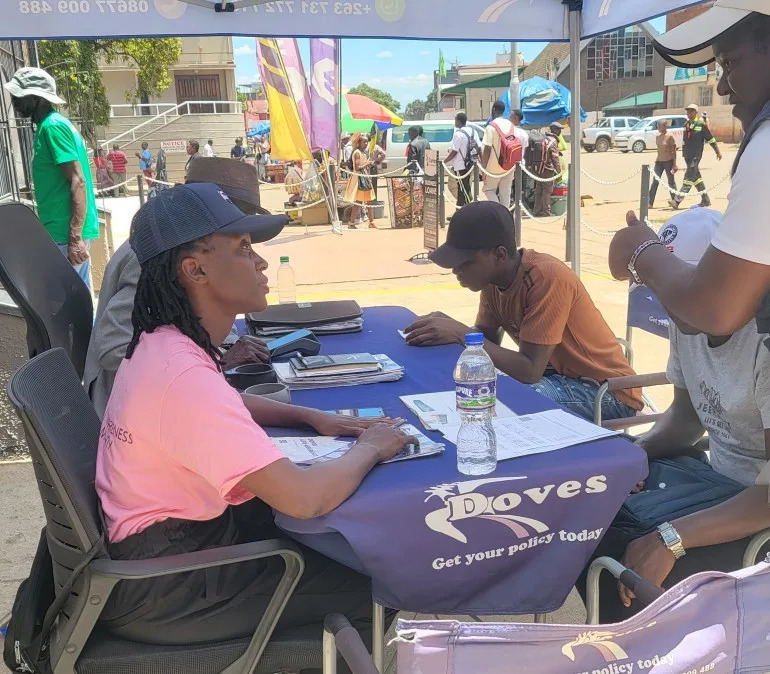
Doves Holdings representatives speak to potential customers in Harare [Tafadzwa Mwanengureni/Al Jazeera]
Policy Response And Challenges
The government has announced plans to launch a national health insurance scheme in June to expand access to care. Advocates welcome the proposal but warn about sustainability amid high public debt, inflation and currency instability. Public-health advocates say the scheme will need to address broader social determinants of health — including economic stability, education and the physical environment — to succeed.
Today the public health system remains strained: there are only about 1.7 hospital beds per 1,000 people, and Zimbabwe’s maternal mortality rate stands at an estimated 462 deaths per 100,000 live births, compared with a global average of roughly 197 per 100,000.
Looking Ahead
For many families, low-cost funeral cover continues to offer predictable protection against a near-certain expense. But health experts argue that prioritising funding and awareness for medical insurance, combined with stronger public services and diaspora contributions, would better protect Zimbabweans from the financial shocks of illness and help save lives.
This article was published in collaboration with Egab.
Help us improve.