Unlicensed clinics run by unqualified practitioners are widespread across Pakistan, frequently serving as the only accessible care for poor communities. Authorities estimate more than 600,000 fake doctors operate nationwide, often reusing syringes and failing to sterilise equipment, increasing the risk of infectious disease. Tertiary hospitals are inundated with patients whose conditions worsened after improper treatment, while regulators cite limited resources, weak laws and violent resistance as major barriers to enforcement.
Pakistan's Crisis of Fake Doctors: Unlicensed Clinics Threaten Lives
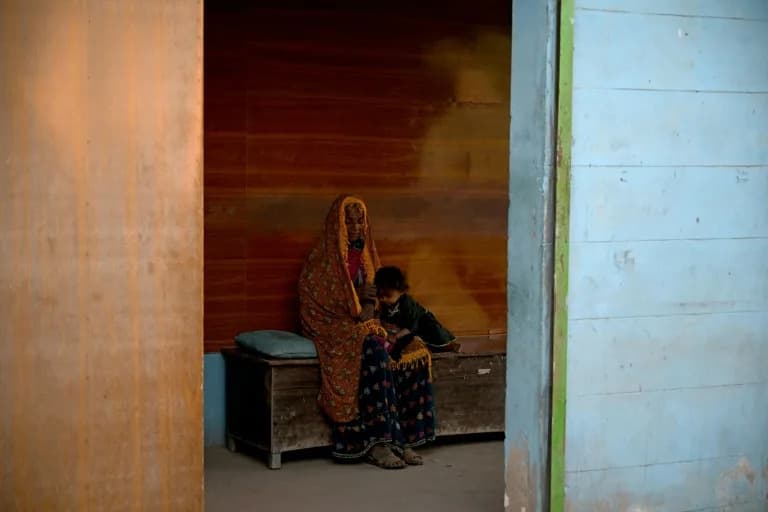
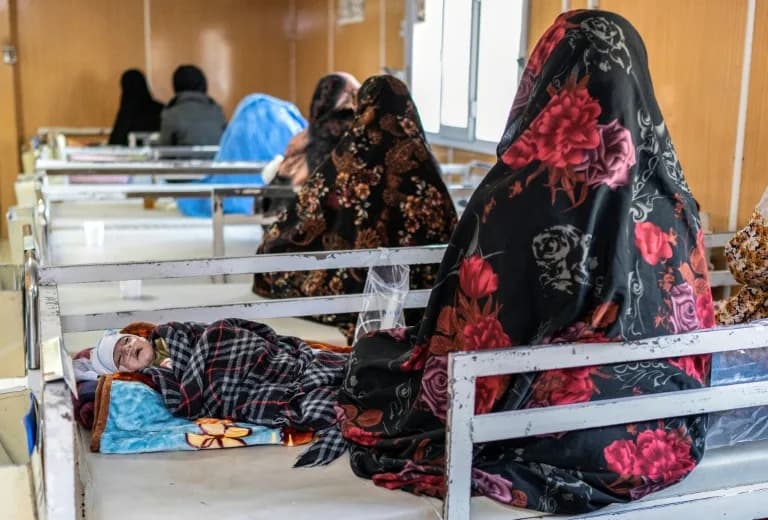
Patients await treatment in an unlicensed clinic on the outskirts of Hyderabad city in Pakistan's Sindh province (Rizwan TABASSUM)(Rizwan TABASSUM/AFP/AFP)
Rusted nails hold used infusion tubes on the wall of a tiny roadside clinic run by one of what authorities say are hundreds of thousands of unqualified practitioners operating across Pakistan.
Dozens of patients visit the small shop each day in southern Sindh province, where a few chairs are set around wooden tables used to lay people down for treatment. The clinic is run by 48-year-old Abdul Waheed, who says he opened the facility a few months ago on the outskirts of Hyderabad.
By day Waheed works at a private hospital in Hyderabad; in the evenings he travels to the village of Tando Saeed Khan to see patients, charging 300 rupees (about $1) per consultation. He holds a diploma in homeopathy and completed a four-year nursing course, but he has no medical licence or registration.
"These patients have faith in me. They believe I can treat them well," Waheed told AFP. After examining two children, he said: "No one has questioned me yet. If someone comes, I will see what to do."
Dangerous Practices and Public-Health Risk
Abdul Ghafoor Shoro, secretary general of the Pakistan Medical Association, told AFP there are "more than 600,000 fake doctors" operating nationwide — a figure the Sindh Healthcare Commission (SHCC) says is consistent with estimates from the Pakistan Medical and Dental Council.
Shoro and other health officials describe a pattern: unqualified practitioners learn basic tasks while working with licensed staff, then open independent clinics without proper training, oversight or licensure. They often lack knowledge of correct dosages and drug side effects and do not properly sterilise instruments.
Inspectors and medical professionals reported alarming behaviours: instruments rinsed with water instead of being sterilised, syringes and needles reused, and basic infection-control measures ignored — practices that increase the risk of transmitting hepatitis and HIV.
When AFP reporters visited Tando Saeed Khan, another unlicensed practitioner immediately shut his clinic and disappeared, underscoring the challenge of identifying and curbing these operations.
Lifelong Harm and Systemic Strain
Medical experts say the unchecked practice imposes a heavy burden on Pakistan's health system. Tertiary hospitals regularly receive patients whose conditions have worsened after treatment by unqualified caregivers.
"They misdiagnose and mistreat patients. Our hospital is overloaded. Most of the cases we receive are those ruined by them," said Khalid Bukhari, head of Civil Hospital Karachi, one of the country's largest public hospitals.
Beyond immediate health consequences, families can face long-term disability and crippling medical bills when initial care is inappropriate or harmful.
Why Enforcement Fails
Regulators acknowledge deep obstacles to effective enforcement. Ahson Qavi Siddiqi, head of the SHCC, said limited resources and weak laws make closures temporary: "If we shut down 25 outlets, 25 new ones open the very next day." He also noted that prosecutions are often bailable offences, allowing accused practitioners to resume activity quickly.
Siddiqi described severe security threats to inspection teams: attempts to detain staff, and in some cases, gunfire directed at regulators. "These people are influential in their areas... I don't have the force to take strong action," he said.
Health officials warn that any solution will require a combination of stronger legal tools, better resourcing for inspections and enforcement, public education so patients can identify qualified care, and expanded access to affordable, licensed health services in underserved areas.
Reporting credit: sma/rsc/ane/abs (AFP)
Help us improve.