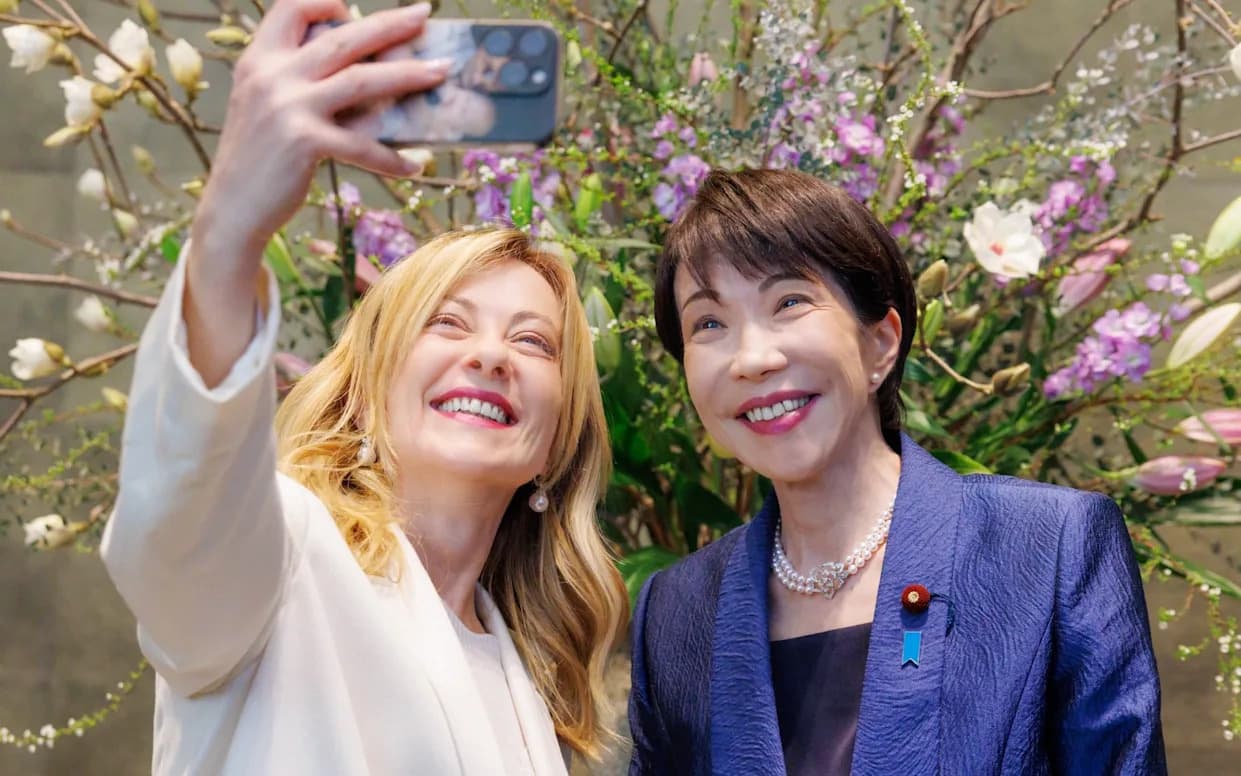
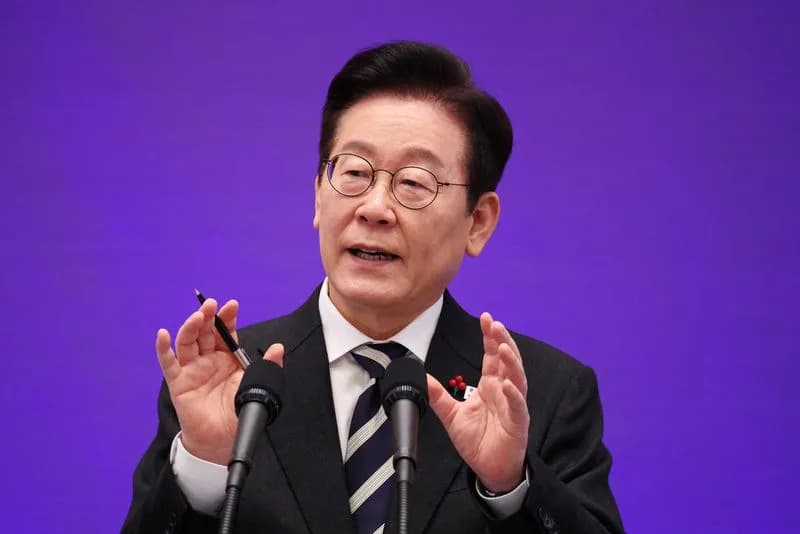
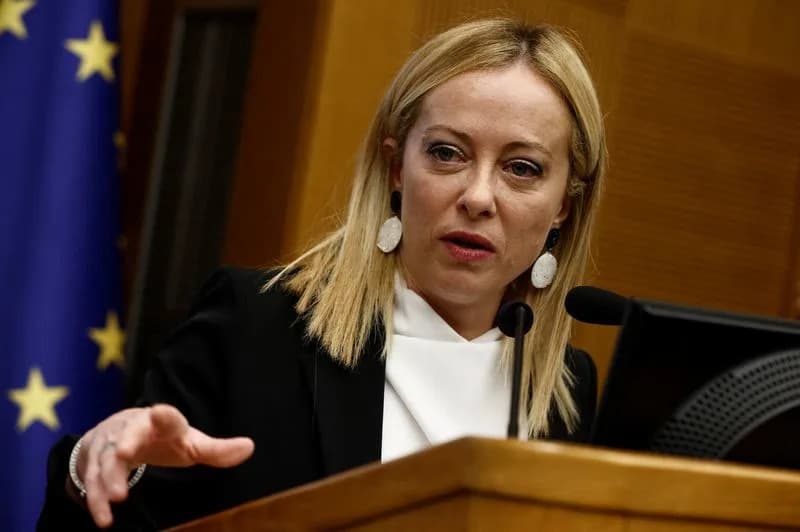
South Korea and Italy pledged closer cooperation in artificial intelligence, space, aviation and the defence industry during a summit in Seoul. President Lee Jae Myung hosted Prime Minister Giorgia Meloni — the first Italian leader to visit in nearly 20 years — and both leaders emphasized industry-to-industry collaboration. Seoul's growing role as an arms exporter was noted, though South Korea maintains a policy that prohibits sending weapons to countries at war, including Ukraine. The two nations said they would work together to promote global peace and security.
South Korea and Italy Pledge Deeper Cooperation on AI, Space and Defence at Seoul Summit
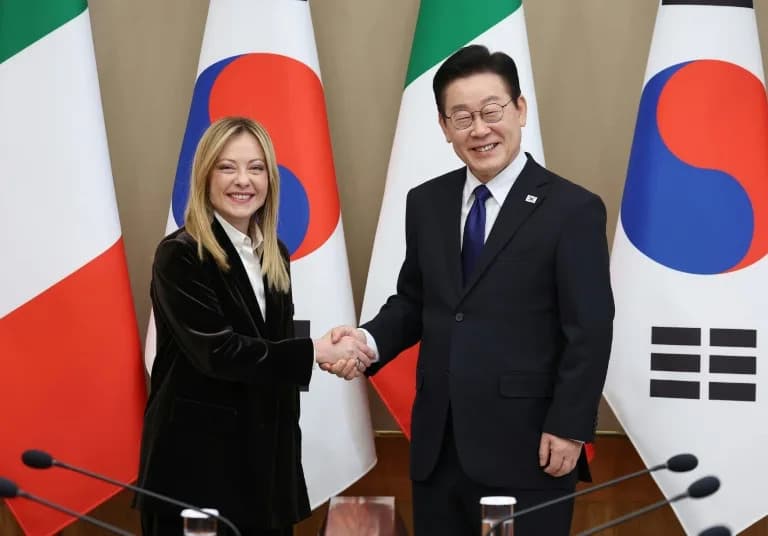
South Korea's President Lee Jae Myung (R) shakes hands with Italy's Prime Minister Giorgia Meloni (L) during their meeting at the presidential Blue House in Seoul on January 19, 2026 (-)(-/YONHAP/AFP)
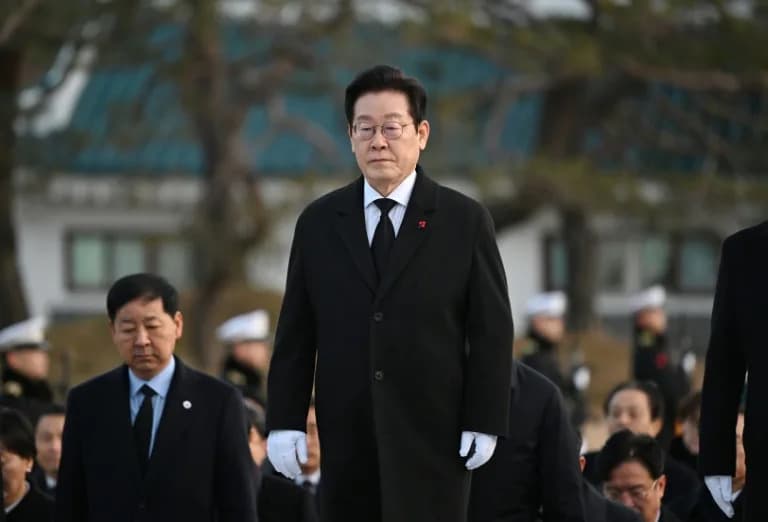
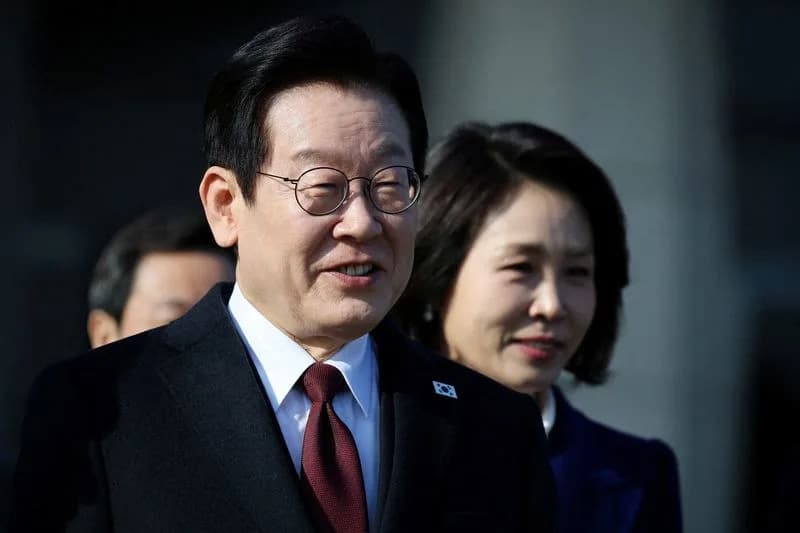
South Korea and Italy on Monday pledged to deepen collaboration in artificial intelligence, space, aviation and the defence industry during a bilateral summit in Seoul. President Lee Jae Myung hosted Prime Minister Giorgia Meloni — the first Italian head of government to visit South Korea in nearly 20 years — for talks aimed at strengthening strategic and industrial ties.
Summit Highlights
Speaking after their meeting, President Lee said the two countries would "further expand the horizons of cooperation into advanced industries such as artificial intelligence, space, and aviation." He added that Seoul and Rome would "pursue complementary cooperation in the defence industry based on each side's strengths," signaling a push for industry-to-industry partnerships.
"We will work closely together to contribute to global peace and safeguard the universal value of peace, extending our efforts ... to the wider world," Lee said.
Prime Minister Meloni described South Korea as "one of the G7's most important partners" and warned that "the war in Ukraine also poses an extremely serious risk to Europe's security in every respect." She said the conflict underscores the need for new forms of global cooperation.
Context: Defence Exports and Policy Limits
South Korea has emerged as a notable arms exporter in recent years, with manufacturers signing deals with several Central and Eastern European countries, including Poland, amid Russia's protracted war in Ukraine. However, Seoul has maintained a domestic policy that bars supplying weapons to countries that are actively at war, and it has not provided arms to Ukraine.
The discussions in Seoul focused on leveraging complementary industrial strengths — from cutting-edge AI and space technologies to defence manufacturing — while emphasizing cooperation to address shared global challenges and contribute to international stability.
Next steps: Officials said the two governments will work on concrete industry and government-level initiatives to formalize partnerships in advanced technology and defence sectors.
Help us improve.