At least 27 fighters were killed in clashes between rival FARC factions on Sunday in El Retorno, Guaviare, in what the army called a territorial fight linked to cocaine routes. The fighting involved factions led by Néstor Gregorio Vera (Iván Mordisco) and Alexander Díaz Mendoza (Calarca Córdoba), who split from the Central General Staff in April 2024. Díaz’s group is engaged in talks with President Gustavo Petro, while Vera’s faction continues attacks after a suspended ceasefire. Authorities say the death toll is preliminary as tensions rise ahead of national elections amid regional strains.
Clashes Between Rival FARC Factions in Guaviare Leave At Least 27 Dead
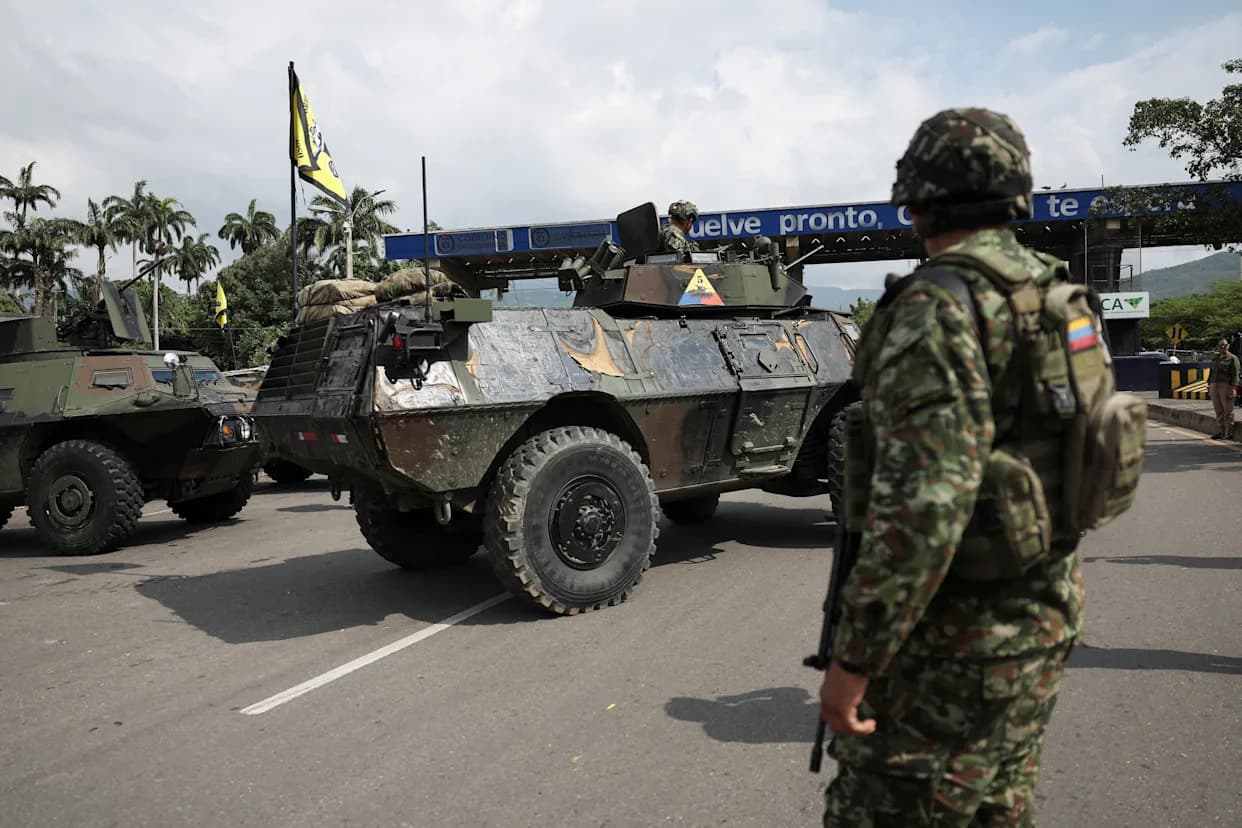
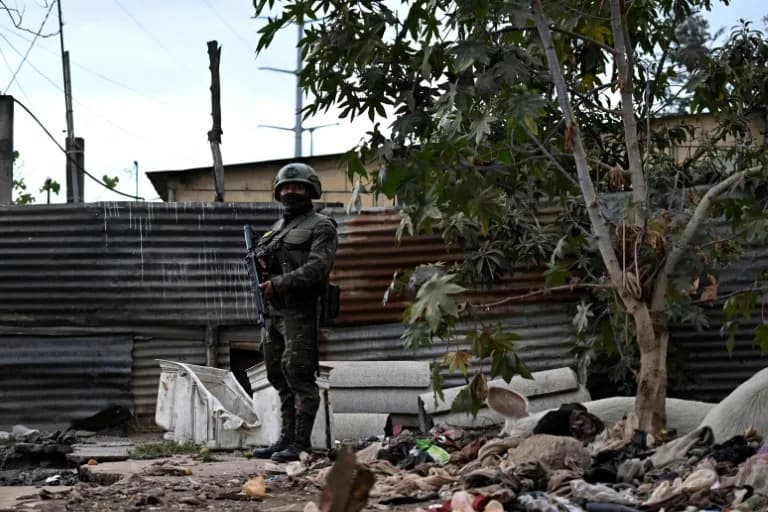
A soldier stands near military vehicles at the border between Venezuela and Colombia in Cucuta, Colombia, on January 5, 2026 [Luisa Gonzalez/Reuters]
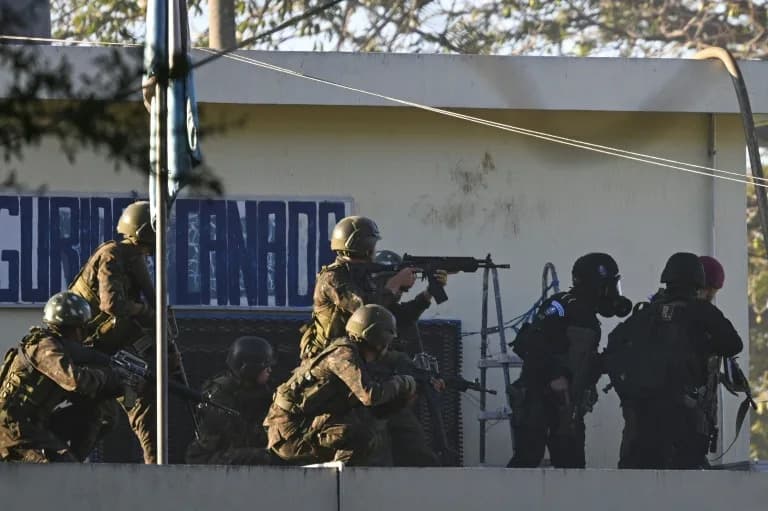
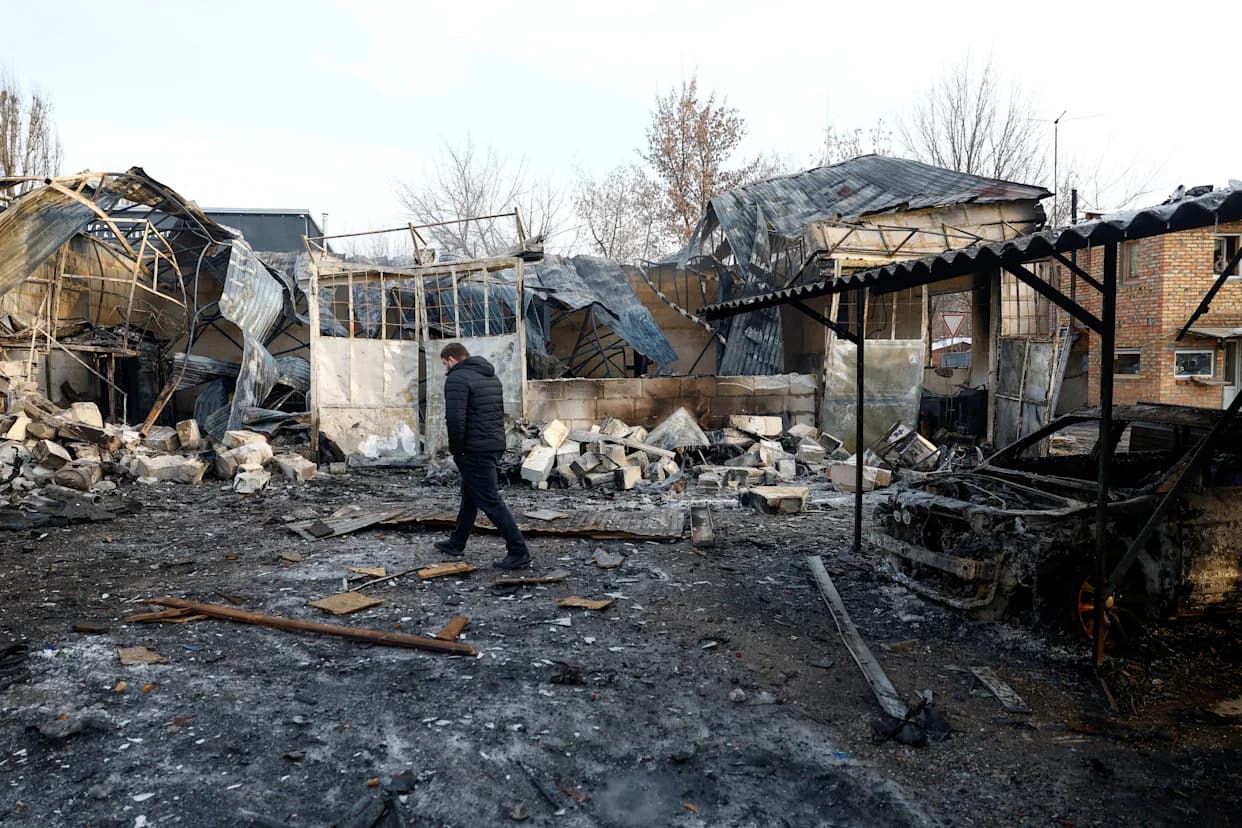
At least 27 fighters from a leftist rebel group were killed in violent clashes on Sunday in El Retorno, a rural municipality in Guaviare, southeastern Colombia, military sources told Reuters. The fighting — described by the army as a battle for territorial control — underscores growing instability in a region long important to cocaine production and trafficking.
Who Was Involved
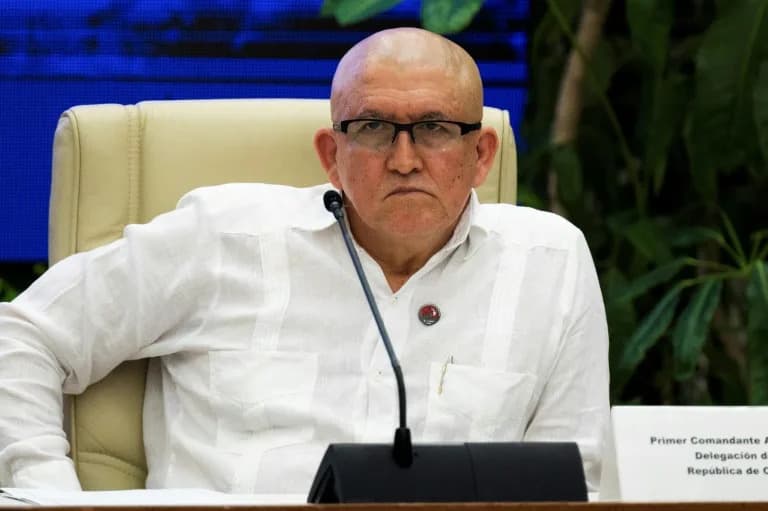
The clashes pitted two rival factions that split from the so-called Central General Staff in April 2024. One faction is led by Néstor Gregorio Vera, known by his nom de guerre Iván Mordisco; the other is led by Alexander Díaz Mendoza, alias Calarca Córdoba. Military sources speaking on condition of anonymity said the 27 recorded deaths were all from Vera’s group. A leader from Díaz’s faction confirmed the clashes and the casualty figure to Reuters. Authorities cautioned that the death toll is preliminary.
Context And Political Fallout
Díaz’s faction has reportedly engaged in peace talks with President Gustavo Petro’s government, while Vera’s group has continued to carry out attacks on civilians and security forces after a bilateral ceasefire was suspended. Both factions had previously rejected the 2016 peace agreement that enabled roughly 13,000 former FARC members to disarm and reintegrate into civilian life.
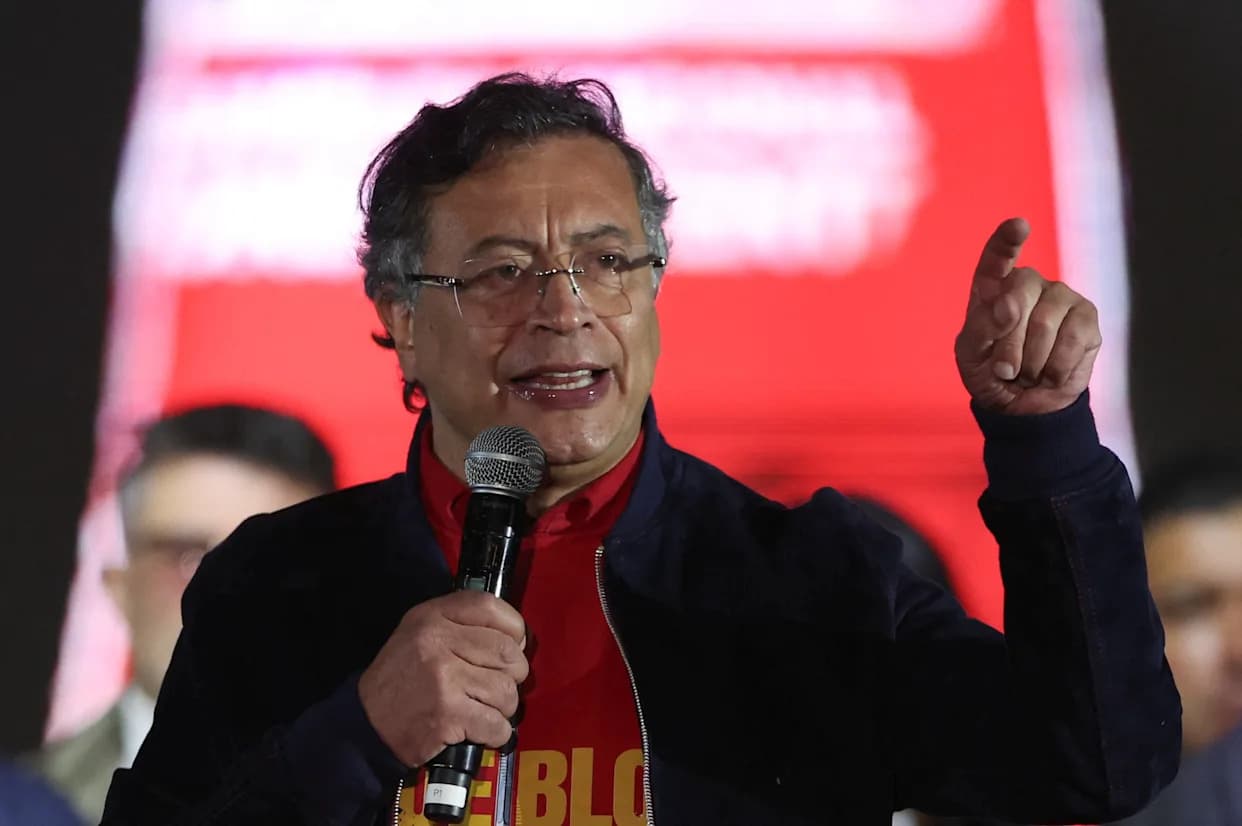
With national elections four months away and political opponents accusing him of being lenient on insurgents, President Petro has stepped up pressure on armed groups. In November, government forces carried out an operation that the military says killed 19 followers of Mordisco. Petro has publicly compared Mordisco to the late cocaine lord Pablo Escobar.
Regional Tensions
The violence comes amid broader regional tensions linked to the situation in neighboring Venezuela and a period of heightened U.S.-Colombia diplomatic friction. Colombian authorities and analysts warn that any escalation in foreign military posturing or heated rhetoric could complicate domestic security efforts. Colombia’s National Liberation Army (ELN), the country’s largest remaining guerrilla organization, has also been cited in reports as preparing contingencies amid the shifting security environment.
Historical Toll
Colombia’s armed conflict — which has lasted more than six decades and has been largely financed by drug trafficking and illegal mining — has resulted in more than 450,000 deaths and displaced millions. President Petro’s broader peace initiatives remain fragile as factional splits and criminal economies continue to drive violence in rural areas.
Note: Details in this report are based on military and rebel sources; casualty figures were described as preliminary.
Help us improve.