Predication — a credible factual basis — is required by DOJ and FBI rules before opening an investigation. Reports say Miami U.S. Attorney Jason Reding Quiñones convened a grand jury in a broad “grand conspiracy” probe that has produced subpoenas to former officials including James Clapper and John Brennan. Critics contend the inquiry appears politically motivated and largely revisits prior investigations (Mueller, inspector general, Senate) that documented Russian efforts in 2016. Legal experts warn prosecutors should insist on a clear, fact‑based predicate to avoid reputational harm and abuse of prosecutorial power.
Why Miami’s ‘Grand Conspiracy’ Probe Is Raising Legal Red Flags
Why this Florida ‘grand conspiracy’ investigation is ringing legal alarm bells
Predication — a credible factual allegation of criminal conduct or a threat to national security — is a prerequisite under both the Justice Department’s attorney general guidelines and the FBI’s Domestic Investigations Operations Guide before opening an inquiry.
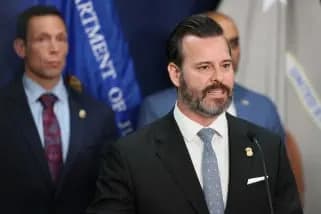
Yet press reports indicate that a Miami grand jury has been convened to investigate former government officials on broadly worded allegations of a so‑called “grand conspiracy” and “lawfare,” terms that do not appear in federal criminal statutes. According to public reporting, Miami U.S. Attorney Jason Reding Quiñones has issued roughly two dozen grand jury subpoenas to former senior officials, including former Director of National Intelligence James Clapper, ex‑CIA Director John Brennan, and former FBI employees Peter Strzok and Lisa Page. Many of the individuals targeted have been publicly criticized by the president, raising questions about political motive.
Why predication matters. Predication exists to limit abuses of prosecutorial power. The criminal justice system includes safeguards — grand jury review, due process, jury trial and appellate review — to protect defendants. But even an investigation that produces no charges can inflict serious harm: legal bills, prolonged stress for targets and their families, and reputational damage when investigative materials are leaked in violation of grand jury secrecy rules and DOJ policy. For these reasons, prosecutors are expected to have a good‑faith factual basis before initiating intrusive investigative steps.
Critics argue the Miami effort appears to be rehashing findings from prior probes — including two special counsels, an inspector general review and a Republican‑led Senate panel — that documented Russian efforts to influence the 2016 election and established links between the Russian government and elements of the Trump campaign. Those prior investigations, particularly Special Counsel Robert Mueller’s, found substantial contacts and influence efforts, even if prosecutors concluded there was insufficient evidence to charge a criminal conspiracy.
“The Russian government interfered in the 2016 presidential election in sweeping and systematic fashion.” — Special Counsel Robert Mueller
Mueller’s report documented multiple factual threads that provided predication for the original FBI inquiries: statements by campaign aide George Papadopoulos suggesting the campaign had received indications of Russian assistance; Russian cyber intrusions into the Democratic National Committee and the dissemination of stolen emails through WikiLeaks; meetings at Trump Tower seeking damaging information about Hillary Clinton; and communications linking campaign operatives to figures with assessed ties to Russian intelligence.
Subsequent reviews, including an inspector general inquiry and a review by Special Counsel John Durham, identified procedural errors and missteps in aspects of the investigative process but did not conclude the initial investigations lacked proper predication.
Adding to the political context, President Trump has publicly amplified calls for prosecutions of several current and former officials. Critics warn that when political retribution becomes a driving force, legal questions such as statute of limitations and proper venue can be downplayed in favor of symbolic or retaliatory charges.
Bottom line: Predication is the institutional safeguard designed to prevent investigations from becoming political vendettas. Before subjecting more former public servants to intrusive grand jury proceedings and public scrutiny, prosecutors should ensure a clear, fact‑based predicate for the inquiry and adhere to DOJ and FBI standards that protect both national security and individual rights.
Help us improve.