Declassified documents released by Argentina reveal that searches for Nazi fugitives after WWII were often driven by sensational press reports and poor interagency coordination. The Martin Bormann case highlights how rumor, mistaken identity and bureaucratic delays produced wrongful detentions and wasted resources. International pressure after Mossad’s capture of Adolf Eichmann pushed Argentine authorities to act, but forensics—dental records and later DNA—finally confirmed Bormann’s death and closed the case.
Declassified Files Reveal Argentina’s Misguided Hunt for Hitler Aide Martin Bormann
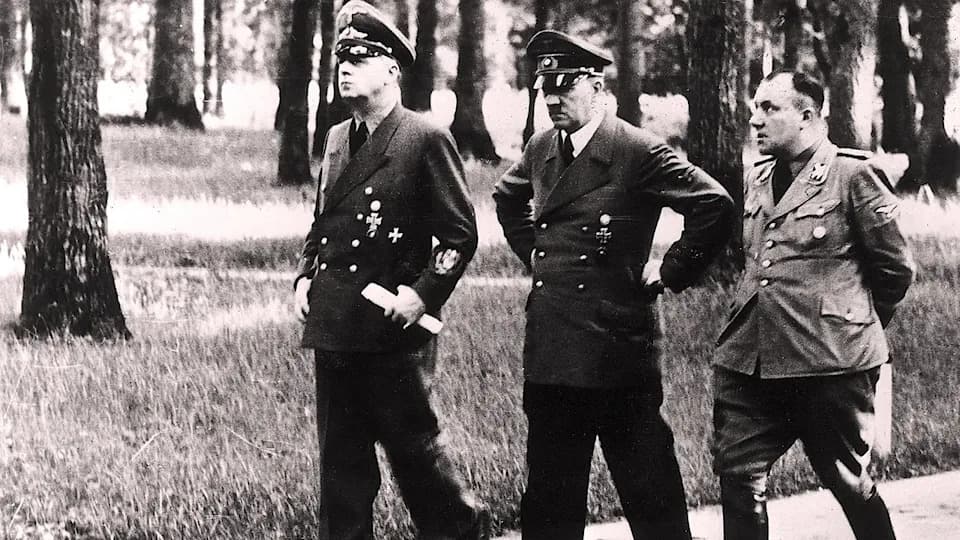
Hitler with Martin Bormann, right, and Foreign Minister Joachim von Ribbentrop in August 1943.(Getty Images)
Declassified documents released by Argentine President Javier Milei have shed new light on how investigations into Nazi fugitives who sought refuge in Argentina after World War II were hampered by poor coordination, sensational press reporting and mistaken identity. The files show that, even when officials tried to pursue high-profile suspects, their efforts were often fragmented and reactive rather than systematic.
Who Was Martin Bormann?
Martin Bormann was one of Adolf Hitler’s most powerful aides as private secretary and head of the Nazi Party Chancellery. Although not widely known to the public, Bormann controlled access to Hitler, managed the flow of documents to the Führer, influenced policy by filtering information, supported extreme antisemitic measures and was implicated in the Aryanization program. He disappeared during the fall of Berlin in May 1945 and was later sentenced to death in absentia at Nuremberg.
Press-Driven Leads and Fragmented Inquiries
The new files show Argentine authorities treated Bormann as one of the few high-profile Nazi suspects they actively sought. But most leads came from sensational newspaper reports and émigré publications that offered little verifiable intelligence beyond assertions that Bormann was hiding in South America under an alias. Those stories generated sprawling correspondence among the justice ministry, intelligence services, border and customs officials, the federal police and local authorities, yet the flow of information was often slow, disconnected or never operationalized.
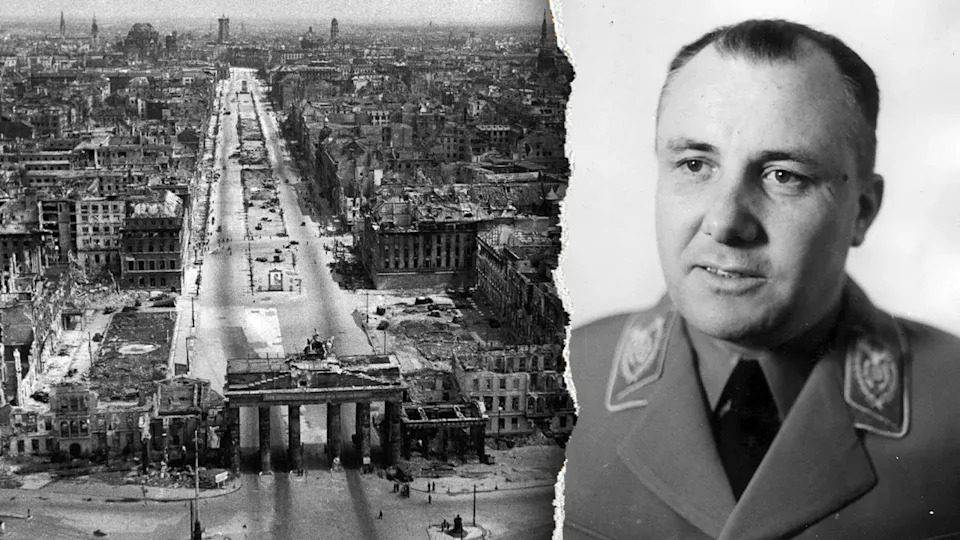
Image on left shows Berlin devastated at the end of the Second World War. Image on right shows German Nazi Party leader Martin Bormann, one of Hitler's closest advisors. He disappeared at the end of the war.
Mistaken Identity: The Walter Wilhelm Flegel Case
A pivotal—and ultimately flawed—investigative thread began in 1955 when police, relying on fading testimony about an undocumented German laborer and a few aging witnesses, targeted Walter Wilhelm Flegel. Flegel, who had entered Argentina via Chile, was missing an arm and had prior arrests for assault and robbery. Despite significant inconsistencies—age differences, long-term residence in Argentina, lifestyle and fingerprint mismatches—authorities detained him in Mendoza in 1960. It took about a week for officials to accept evidence that cleared him, highlighting how eagerness to match suspects to sensational claims produced wrongful detentions and wasted resources.
Rumors, Regional Leads and International Pressure
The files also record how authorities chased improbable tips that Bormann might be hiding in the jungles of Peru, Colombia or Brazil. One 1972 incident described an elderly German detained in Colombia on suspicion of being Bormann; he was later cleared, despite initial publicity and doubts voiced by Nazi-hunter Simon Wiesenthal. The 1960 Mossad capture of Adolf Eichmann in Argentina intensified diplomatic scrutiny and made Argentine officials highly sensitive to international embarrassment, which in turn pressured them to show action even when firm evidence was lacking.
Forensics Close the Case
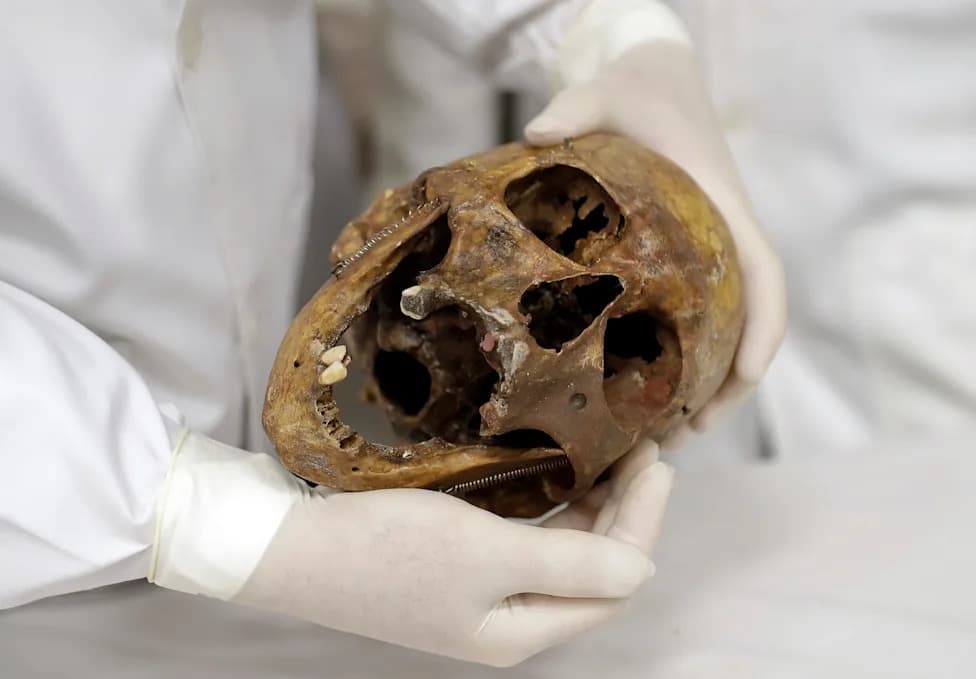
Ultimately, persistent rumors and regional investigations proved unnecessary: human remains recovered in Berlin in 1972 were matched to Bormann through dental and cranial records, and later DNA testing in the 1990s confirmed the identity. Those forensic results closed decades of speculation and underscored how misdirected searches abroad had diverted attention and resources.
Key takeaway: The declassified files portray Argentina’s postwar hunt for Nazi fugitives—exemplified by the Bormann case—as a mix of rumor-driven leads, weak interagency coordination, and reactive policing shaped by media speculation and Cold War-era pressures.
Help us improve.