Summary: Elon Musk’s purchase of Twitter and its rebranding as X strengthened conservative reach and helped power a vigorous pro‑Trump ecosystem. But relaxed moderation, rising bot activity, safety concerns around AI tools, and an algorithm that rewards short, sensational clips are amplifying fringe voices and fueling infighting. That public factionalism is forcing GOP leaders to manage disputes publicly, risks alienating ordinary voters, and can meaningfully shape policy priorities.
MAGA’s Victory on X Is Revealing New Problems: Bots, Spectacle and Infighting
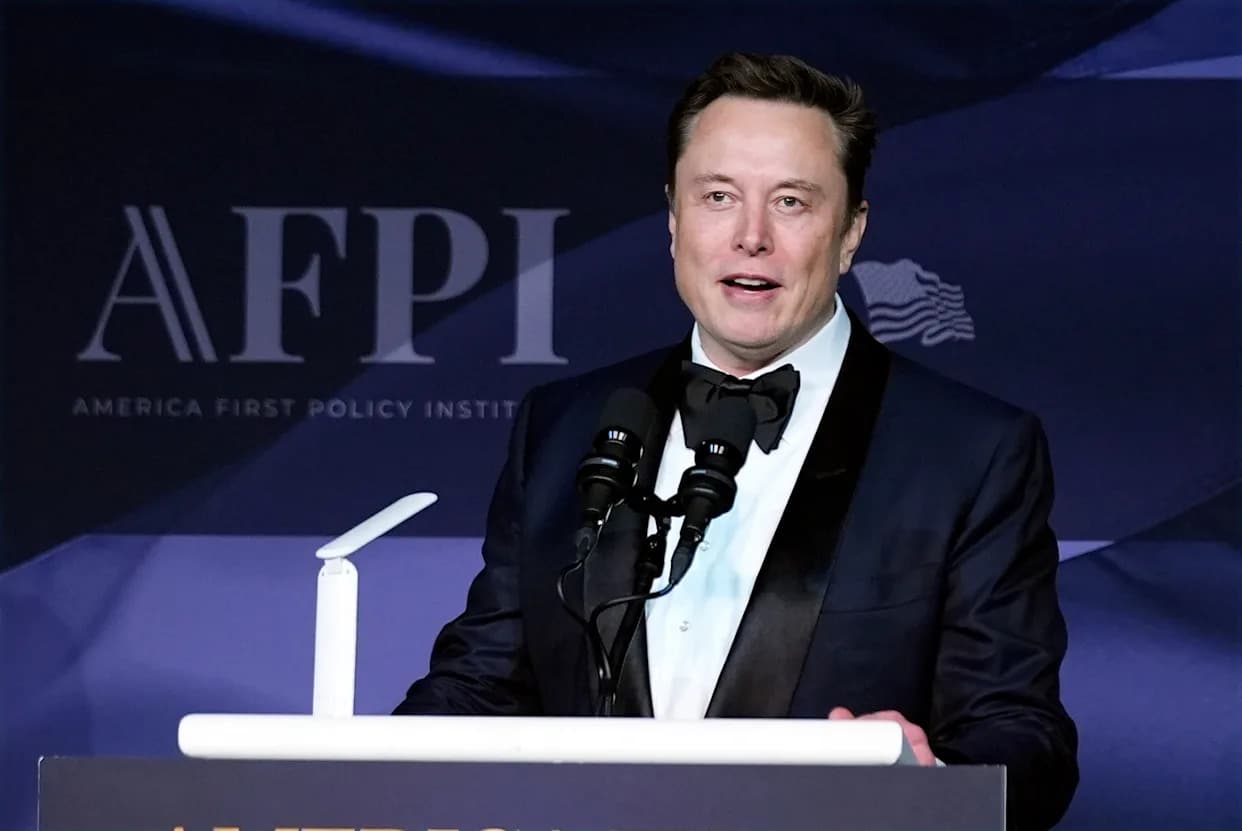
Elon Musk speaks after President-elect Donald Trump spoke during an America First Policy Institute gala at his Mar-a-Lago estate, Thursday, Nov. 14, 2024, in Palm Beach, Fla. (AP Photo/Alex Brandon)(ASSOCIATED PRESS)
When Elon Musk purchased Twitter in 2022 and rebranded it as X, he promised to end what he called “woke” censorship and reshape the platform into a right-leaning forum for freer expression. Conservatives celebrated, predicting the platform would break what they saw as a liberal media chokehold on information and become a decisive organ of conservative politics.
Three Years In: Gains and Unintended Costs
Three years later, X has delivered clear advantages to the right: a potent megaphone for MAGA voices, a direct channel between activists and senior officials, and a digital ecosystem that helped amplify pro‑Trump organizing during the 2024 campaign. But those gains have been accompanied by growing complaints from conservatives themselves: that relaxed moderation, increased bot activity, and algorithmic incentives favoring short audio and video clips are amplifying sensationalism and factionalism within the movement.
Moderation, Bots And Safety Concerns
Researchers tracking X after Musk relaxed content rules documented increases in hate speech and bot activity, particularly around high‑profile political events such as debates. An account‑metadata feature rolled out earlier this year revealed that many of the most active pro‑MAGA accounts appeared to be based abroad, complicating claims that the platform’s traffic reflected only a domestic conservative grassroots.
Safety concerns have also dogged the platform: recent reporting about Grok, X’s AI chatbot, suggested it could be coaxed into producing sexualized or exploitative imagery — in effect allowing users to “digitally undress” people, including minors — raising alarms about inadequate guardrails.
Algorithmic Incentives And The Rise Of Spectacle
Several prominent conservatives warn that X’s algorithmic emphasis on short video and audio over longform articles is distorting political discourse. Short clips reward punchy, sensational content, which can elevate conspiracy‑minded or performative figures who prioritize audience growth and controversy over organizing for concrete policy wins.
“When you remove linking to articles or essays and reward short clips, you trend toward a Jerry Springer–style conspiracy podcast slop,” said conservative activist Christopher Rufo, who argues this dynamic boosts performers focused on spectacle rather than measurable political outcomes.
Rufo and other critics name influencers such as Candace Owens, Nick Fuentes and Andrew Tate as examples of personalities who attract large audiences with provocative content that can seep into the broader political conversation — sometimes with unverified or harmful narratives.
Political Pain: Infighting, Messaging And Voter Reach
That dynamic has tangible political costs. Public infighting among high‑profile conservatives forces elected Republicans to spend time and political capital calming disputes instead of advancing policy. Vice President J.D. Vance, for example, devoted a portion of a recent AmericaFest speech to tamping down intra‑MAGA feuds between populist‑nationalist figures and more traditional conservatives.
There is also concern that the online right’s dense meme culture and insider slang may alienate ordinary swing voters who helped deliver Trump’s narrow 2024 victory. Some conservatives worry that leaning fully into the platform’s feverish online subculture could make outreach to less online audiences more difficult.
Who’s Leaving — And Why It Matters
Some conservative figures are already stepping back. Ohio gubernatorial candidate Vivek Ramaswamy announced plans to log off X, calling it a “warped projection of reality.” Commentator Raheem Kassam said he deleted the app because it “was making me dumber,” citing bots, toxic content and a decline in signal‑to‑noise ratio.
Those departures are symbolic: they reflect a broader discomfort among some right‑of‑center operatives that the platform’s incentives can amplify the least constructive elements of their movement while undercutting disciplined political strategy.
Policy Feedback Loop
At the same time, X’s direct line to power has real consequences. Controversies and viral posts that originate on the platform can — and do — influence administration attention and policy responses. Advocates and observers point to examples where viral allegations prompted rapid government follow‑up, illustrating how digital controversies can translate into concrete government action.
Conclusion
X has expanded the right’s reach and provided a direct channel to officials, but it has also introduced new risks: degraded discourse, foreign bot activity, safety lapses, and internal divisions that complicate governance and messaging. Conservative leaders and influencers now face a strategic choice: adapt their online behavior to reach broader audiences and prioritize durable political outcomes, or continue to feed a short‑form, spectacle‑driven ecosystem that may deepen internal fractures.
Help us improve.