The Trump administration has shelved a plan to merge the ATF into the DEA following opposition from both gun rights and gun control groups. The decision comes as the White House pushes for Senate confirmation of Robert Cekada, a 21-year ATF veteran nominated to lead the agency. Critics on the right feared the move could strengthen federal gun enforcement, while Democrats said it risked sidelining gun-safety efforts. Inside the ATF, staff say concerns eased after months without concrete merger plans.
White House Drops Plan To Fold ATF Into DEA After Bipartisan Backlash
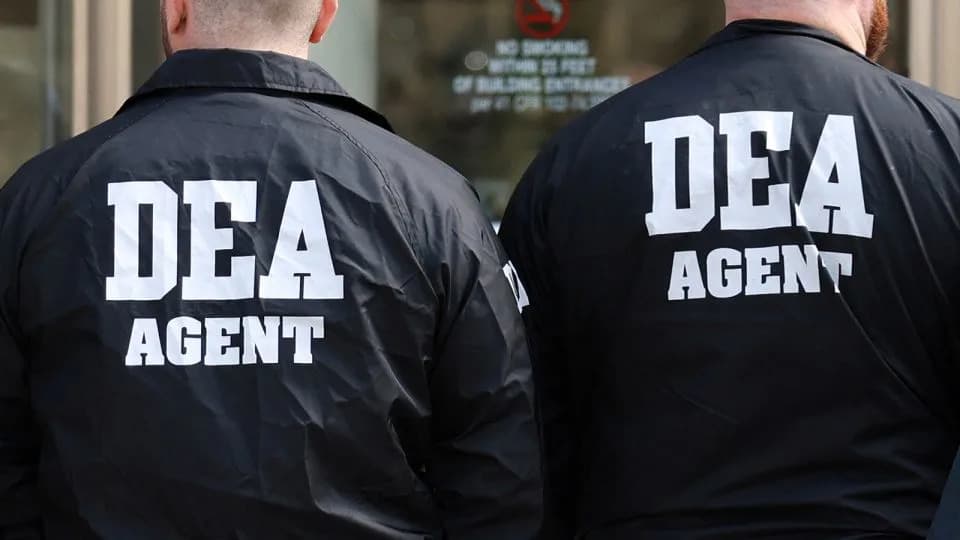
Members of the Drug Enforcement Administration (DEA) stand outside the Brooklyn Federal Courthouse on the day of a hearing for Guadalajara Cartel co-founder Rafael Caro Quintero in Brooklyn, New York, on March 26, 2025. - Kylie Cooper/Reuters
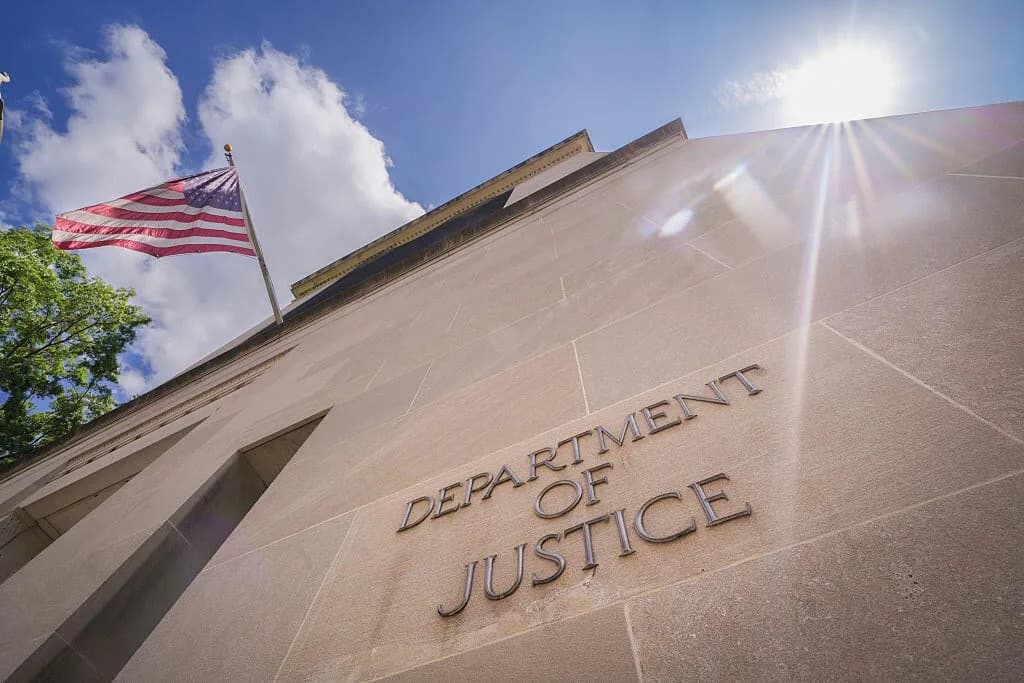
The Trump White House has quietly abandoned a proposal to merge the Bureau of Alcohol, Tobacco, Firearms and Explosives (ATF) into the Drug Enforcement Administration (DEA) after strong pushback from both gun rights and gun control groups, according to people briefed on the matter.
What's Behind the Decision
The move comes as the administration seeks Senate confirmation for Robert Cekada, the president's nominee to lead the ATF. Cekada, a 21-year ATF veteran who currently serves as deputy director, would be only the third person confirmed by the Senate to lead the agency in the 20 years since the director’s post became subject to confirmation.
The acting ATF director, Daniel Driscoll, was once viewed as a skeptic of the agency but has, by accounts of people familiar with internal discussions, become a vocal supporter of the ATF’s violent-crime work.
Proposal Origins And Rationale
Deputy Attorney General Todd Blanche initially proposed folding the ATF into the DEA as part of an early administration effort to streamline federal agencies. The change would have required congressional budget approval.
Justice Department officials argued the two agencies’ work overlaps: the ATF investigates violent crime, firearms trafficking, arson and bombings, while the DEA enforces federal drug laws. "Where there are drugs there are usually guns, and where there are guns there are usually drugs," one official told CNN.
Political Pushback From Both Sides
Expectations that pro-Trump, gun-rights groups would welcome the plan proved misplaced. Some conservative organizations that have long called for abolishing the ATF warned that transferring its authorities to another agency could actually strengthen federal gun enforcement rather than weaken it. Their preference, these groups said, is to eliminate the ATF and repeal the federal laws it enforces — not give those powers to a different federal agency.
Meanwhile, Democrats and gun-safety advocates criticized the plan as an effort to sideline the ATF and undermine gun-violence prevention work. The combined opposition from across the political spectrum eroded momentum for the merger in the West Wing.
Inside the Administration and the ATF
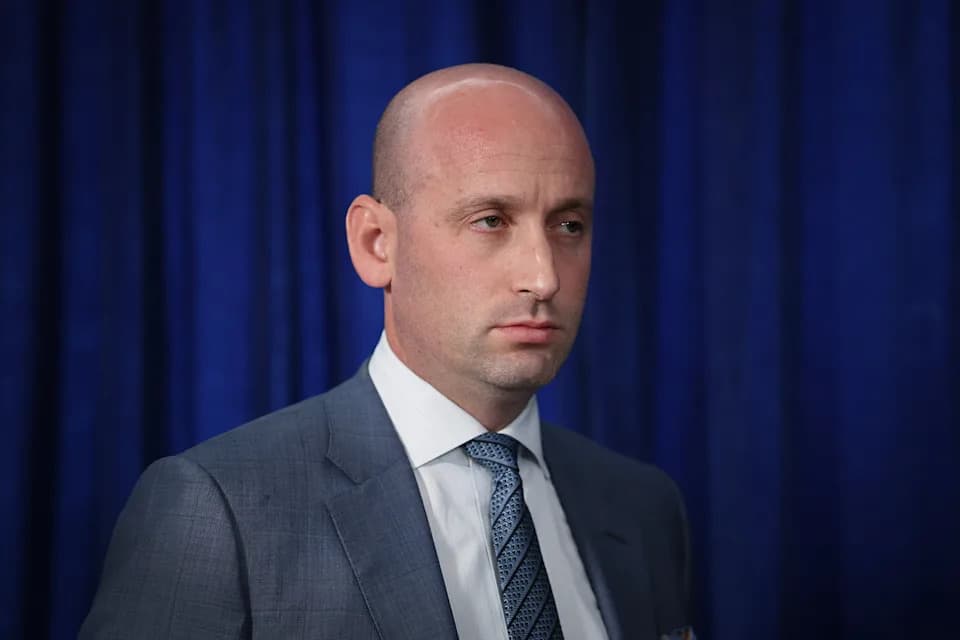
Stephen Miller, the White House deputy chief of staff, initially supported the merger but later defended the ATF’s role in addressing violent crime in cities — a high-priority issue for the president, according to people briefed on the matter. Officials involved in the discussions said the proposal lost an owner inside the administration and ultimately stalled.
Within the ATF, an initial surge of concern about the merger faded as months passed without concrete plans or logistical details. "We’ve been operating as if that’s off the table for months now," one law enforcement official told CNN.
Bottom line: The proposed consolidation has been shelved for now, but the debate highlights enduring tensions over how to organize federal law enforcement around drugs, violent crime and gun trafficking.
An ATF representative declined to comment for this story. The account above is based on reporting from people briefed on the matter and public statements from officials and interest groups.
Help us improve.