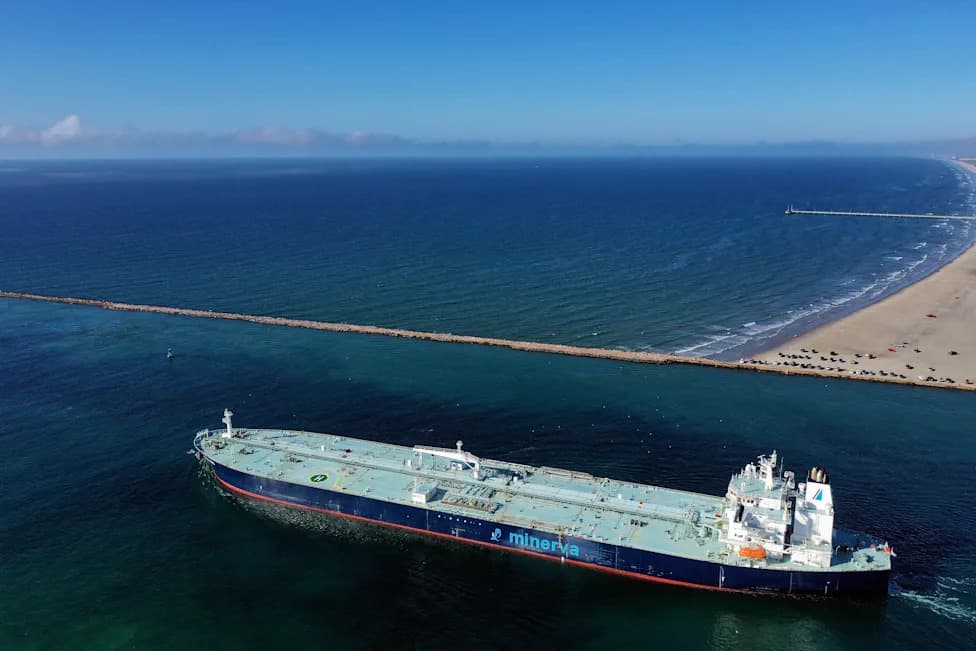
Overview: Since early December, U.S. forces have boarded five oil tankers accused of carrying or seeking Venezuelan crude. Specialized Coast Guard and military teams secure vessels, then activate the Maritime Operational Threat Response (MOTR) to determine jurisdiction, port destination and crew custody. Recovered oil can be offloaded, impounded and auctioned; empty ships may be repaired and sold, with proceeds usually routed to Treasury asset funds. The operation is operationally complex and strains Coast Guard capacity despite a recent multi-billion-dollar funding boost.
What Happens When the U.S. Seizes an Oil Tanker? Inside The Boarding, Legal Process, And What Comes Next
This photo posted by US European Command on Wednesday, January 7, 2026, shows the oil tanker originally called Bella 1, and renamed Marinera. - US European Command
Since early December, U.S. authorities have boarded and taken control of five oil tankers that were previously sanctioned for allegedly carrying or seeking to load Venezuelan crude. These interdictions have involved elite U.S. Coast Guard teams working with other military units and allied partners.
How Seizures Are Carried Out
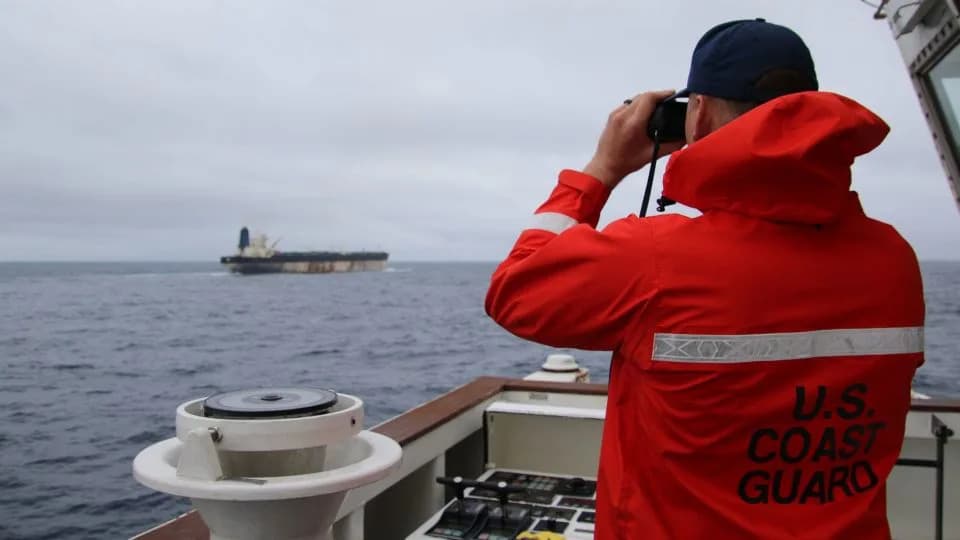
Specialized boarding teams—typically composed of elite Coast Guard personnel and forces from Department of Defense components—lead interdictions. In some cases, U.S. Navy SEALs have been flown onto decks by Army helicopters. According to retired Coast Guard Capt. Aaron Roth, who helped establish one such unit, highly trained teams secure the vessel and stabilize the situation before legal and logistical decisions are made.
“I’ve been on vessels … where we sit on them for five or six days,” Roth said, noting the time required to sort out jurisdiction, safety and crew custody.
The Role Of MOTR And Interagency Coordination
After a boarding, the interagency Maritime Operational Threat Response (MOTR) mechanism is activated. Created after 9/11 to handle transnational threats such as drug trafficking, piracy and terrorism, MOTR brings together the Pentagon, the White House, Homeland Security (including the Coast Guard), the Justice Department and other agencies. MOTR helps decide which port the seized vessel will be taken to, whether crew members will be detained, and which legal jurisdiction applies.
Notable Incidents: The Bella 1 And Others
Most of the tankers in the recent series of interdictions did not resist boarding. One exception, the Bella 1, was pursued across the Atlantic by a Coast Guard cutter and ultimately boarded off Greenland after reportedly changing its name and flag. The Trump administration has released footage showing troops fast-roping onto ship decks during some operations.
What Happens To The Oil And The Ships?
If a seized tanker contains oil, authorities typically offload the cargo into secure holding tanks so it can be impounded. The cargo may then be sold at auction, with proceeds managed by the Treasury Department. Empty vessels can be repaired, recertified if necessary, and sold; proceeds from sales typically go into the Treasury Department’s Asset Forfeiture Fund.
The Gulf Coast—home to extensive refining, storage and shipping infrastructure—has been cited as a logical destination for seized tankers and their cargo, though individual port selection depends on legal jurisdiction, safety standards, and repair needs. The Washington Post has reported the Coast Guard is requesting extra assistance to repair some captured ships so they meet U.S. port safety requirements.
Resources, Capacity, And Funding
The U.S. Coast Guard is smaller than the other U.S. military branches, with roughly 51,000 active-duty and civilian personnel, yet it has been heavily tasked with interdictions. That workload can strain capacity and require additional support from other military branches. Congress recently provided a substantial boost—roughly $25 billion in additional appropriations via the "One Big Beautiful Bill"—which officials say can fund new ships, personnel and repairs, but operational complexity means DoD components will continue to play key roles.
Legal And Practical Considerations
Where a tanker is brought depends on the Justice Department’s case and the legal basis for seizure. Past drug interdictions have routed seized vessels to ports such as Tampa, Florida. The MOTR process and interagency coordination also determine crew custody, evidence handling, and environmental and safety safeguards during offloading and transit.
Bottom Line
Seizing a sanctioned oil tanker is a complex, resource-intensive process that combines tactical boarding operations, interagency legal coordination, logistical planning for offloading and repairs, and financial handling of proceeds. While the U.S. can repurpose or sell seized cargo and vessels, doing so requires careful legal, environmental and safety work before assets can be moved or monetized.
Help us improve.