Chancellor I'Ashea L. Myles granted a temporary injunction expanding media access to Tennessee executions after a coalition led by The Associated Press sued, saying prior protocols blocked full and accurate reporting. The order requires curtains to be opened at 10 a.m. — when the inmate is secured and IV insertion begins — and remain open until death is pronounced. Execution-team members must wear disposable protective suits and will be offered masks; the judge emphasized that full observation ensures public oversight of whether executions are lawful and humane.
Tennessee Judge Orders Broader Media Access to Witness Executions, Citing Public Oversight
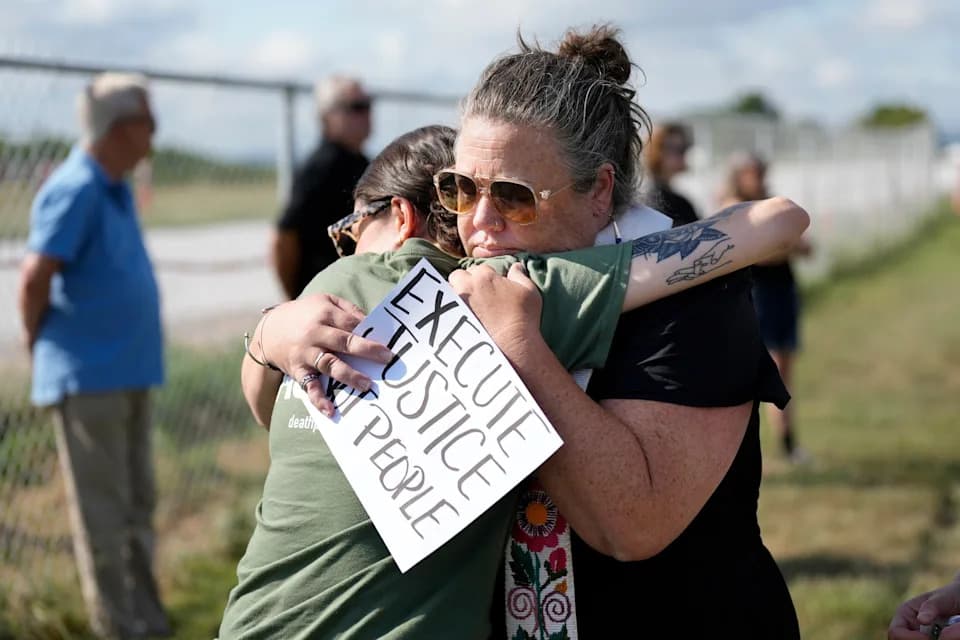
FILE - India Pungarcher, left, hugs Rev. Ingrid McIntyre as demonstrators gather in the area reserved for anti-death penalty protesters outside Riverbend Maximum Security Institution before the execution of Byron Black in Nashville, Tenn., Aug. 5, 2025. (AP Photo/Mark Humphrey, File)(ASSOCIATED PRESS)
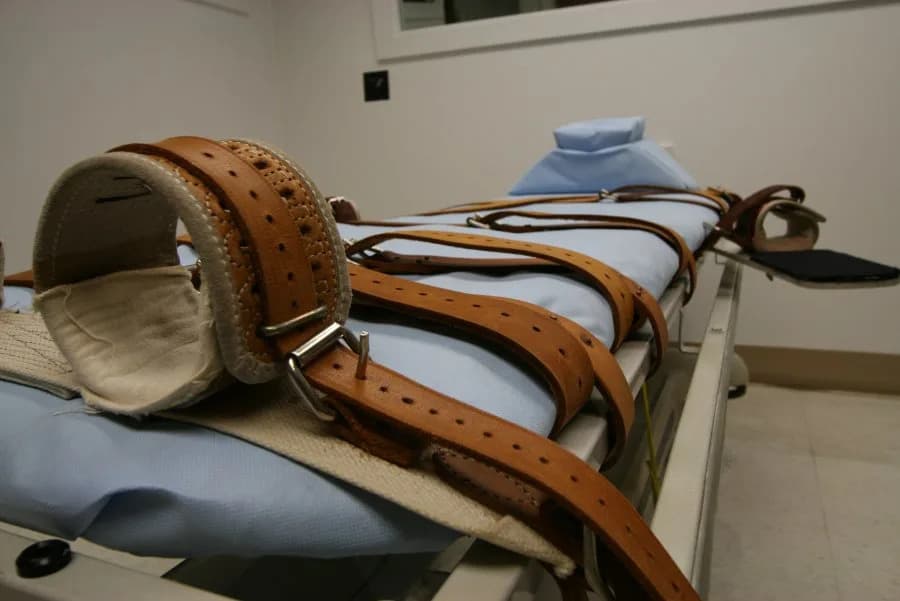
A Tennessee chancery court judge on Friday issued a temporary injunction requiring prison officials to grant expanded media access to state-run executions, after a coalition of news organizations led by The Associated Press sued, arguing that existing protocols unconstitutionally restricted reporters’ ability to observe and accurately report the process.
Before Chancellor I'Ashea L. Myles’ order, reporters were allowed to view only a short portion of executions — typically a roughly 10- to 15-minute window beginning after the condemned person had already been secured to a gurney and hooked to IV lines. Because those administering the injections worked from a separate room, reporters could not determine the precise moment drugs were injected.
The lawsuit, filed in Davidson County Chancery Court in Nashville, named Kenneth Nelsen, warden of Riverbend Maximum Security Institution (which houses Tennessee’s execution chamber), and Frank Strada, commissioner of the Tennessee Department of Correction, as defendants. The plaintiffs argued the protocols violated the public’s and press’s constitutional rights to observe executions "from the time the condemned enters the execution chamber until after the condemned is declared dead." The Department of Correction did not immediately respond to an after-hours request for comment.
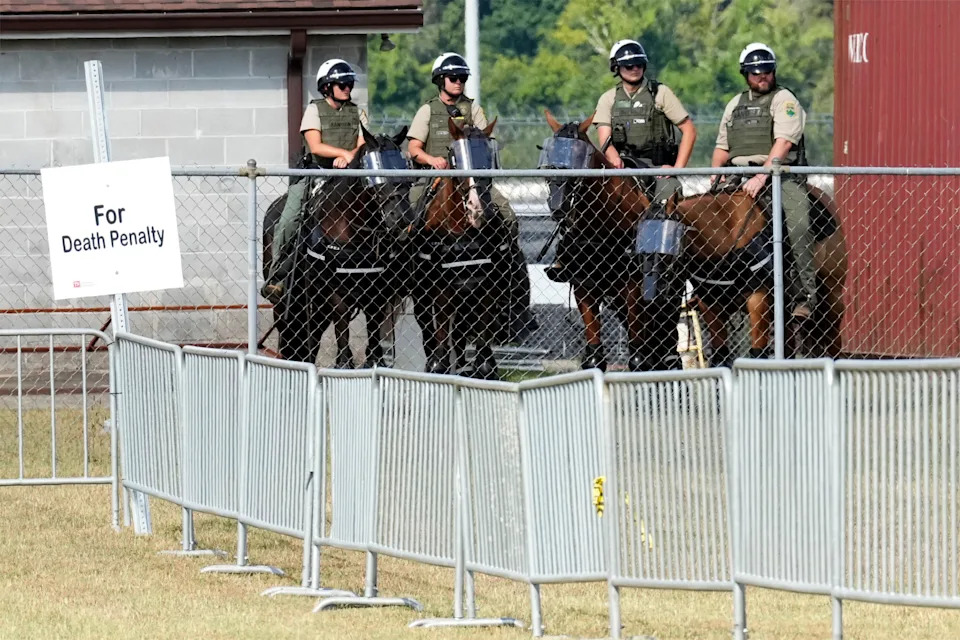
FILE - Guards watch the areas reserved for demonstrators outside Riverbend Maximum Security Institution before the execution of Byron Black, Aug. 5, 2025, in Nashville, Tenn. (AP Photo/Mark Humphrey, File)(ASSOCIATED PRESS)
What the Order Requires
Myles’ temporary injunction requires that for lethal-injection executions the curtains between the official witness room and the execution chamber be opened at 10 a.m. — the time state protocols identify as when the inmate is secured with restraints on a gurney and IV insertion begins — and remain open until the official pronouncement of death. The order allows media members and other authorized witnesses to observe most of the execution process while preserving specified security measures.
To protect the identities and safety of execution personnel, the order directs members of the execution team to wear disposable protective suits covering their regular uniforms, identification badges and hair. Team members will also be offered masks "to further conceal his or her identity should they so choose to wear one," the judge wrote.
"This Court finds that a meaningful and full observation of executions allows the public to assess whether the state carries out death sentences in a lawful and humane manner and ensures that the execution process remains subject to democratic oversight," Chancellor Myles wrote.
Background And Arguments
Prison officials had argued that the First Amendment does not grant the press special access to information not routinely available to the public, and that broader access could jeopardize prison security and the safety of those involved in executions. The media coalition countered that restricted viewing prevented accurate reporting and denied the public its ability to evaluate whether executions were carried out humanely and lawfully.
The coalition includes The Associated Press, Gannett Co., Inc.; Nashville Public Media, Inc.; Nashville Public Radio; Scripps Media, Inc.; Six Rivers Media, LLC; and TEGNA Inc. The temporary injunction is currently in place; the case may proceed to further hearings to determine whether permanent relief is warranted.
Help us improve.