Jordan's military says it struck sites used by drug and weapons traffickers along the northern border with Syria, destroying workshops and "neutralising" suspects based on what state media called "precise intelligence." Syrian state media and the Syrian Observatory for Human Rights reported intense air raids in Suwayda countryside that hit farms and smuggling routes; there were no immediate casualty reports or an official response from Damascus. Observers linked the strikes to efforts to curb the production and smuggling of captagon, a lucrative synthetic drug that analysts say helped finance the former al-Assad regime.
Jordan Strikes Drug and Arms Smugglers Along Syrian Border, Targeting Captagon Networks

INTERACTIVE - What is Captagon-1733989747
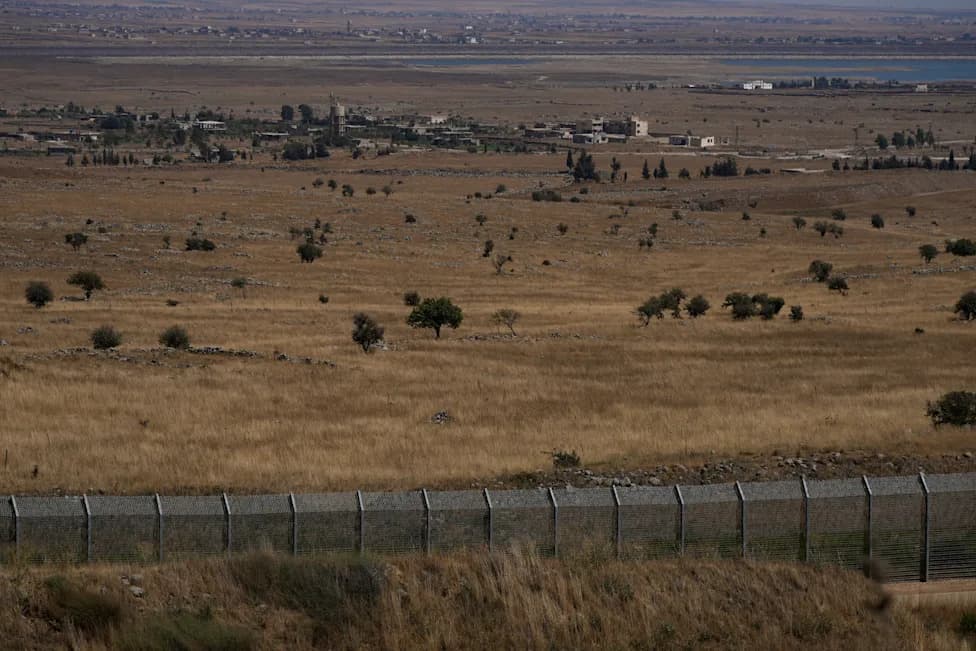
Jordan’s military says it carried out strikes on Wednesday against drug and weapons smuggling networks operating along the country’s northern border with Syria, targeting sites described by officials as "launch points" used to push contraband into Jordanian territory.
The Jordan News Agency, Petra, said the operations "neutralised a number of arms and drug traffickers who organise weapons and narcotics smuggling operations along the northern border of the Kingdom." Petra added that the armed forces destroyed what it described as "factories and workshops" used by the trafficking groups and that the attacks were based on "precise intelligence" and carried out in coordination with unnamed regional partners.
"We will continue to counter any threats with force at the appropriate time and place," Petra quoted the Jordanian military as saying.
Syrian state broadcaster Al-Ikhbariah TV reported on its Telegram channel that Jordanian air strikes hit locations in the southern and eastern countryside of Suwayda governorate. A resident in the Suwayda border area told the AFP news agency the bombardment "was extremely intense and targeted farms and smuggling routes." The UK-based Syrian Observatory for Human Rights reported that jets and helicopters reportedly participated in the raids and that photographs from the scene showed damage to an abandoned military barracks formerly used by the al-Assad regime.
There were no immediate, confirmed reports of casualties following the strikes, and authorities in Damascus had not issued an official response at the time of reporting.
Reported Targets and Motive
Local and regional outlets, including Zaman Al Wasl, said one targeted site was a farm believed to have been used to store illegal drugs. Jordanian officials and analysts link these operations to broader efforts to disrupt the production and smuggling of captagon — an addictive, amphetamine-type stimulant that has flooded regional markets in recent years.
Before the removal of Syria’s President Bashar al-Assad in December 2024, analysts said captagon had become one of the regime’s largest sources of revenue amid more than a decade of civil war. Produced in large quantities inside Syria, the drug reportedly flowed across the region — particularly to Gulf states — prompting seizures and diplomatic pressure on neighbouring countries to tighten anti-trafficking efforts.
Although Damascus had previously denied official involvement in the trade, many analysts estimated that production and smuggling generated billions of dollars for al-Assad, his associates and allied networks as they sought funding during the conflict that began in 2011 and culminated in the regime's toppling in 2024.
Jordan framed the strikes as part of its ongoing effort to secure its borders and disrupt organized-smuggling networks. The military did not identify the regional partners it said coordinated the operation.
Help us improve.