The Special Operator Protection Act, introduced by Senators Ted Budd (R-N.C.) and Jeanne Shaheen (D-N.H.), would criminalize the public disclosure of identifying information about U.S. special operations personnel, certain supporting federal agents and their immediate families when done with intent to threaten or incite harm. The bill lists prohibited information — from names and photos to addresses and biometric data — and prescribes fines and prison terms up to five years, with enhanced penalties (including life) if disclosure leads to death or serious injury. The proposal was prompted by a journalist's post identifying a Delta Force commander and has sparked debate between national-security advocates and press-freedom defenders over legal and constitutional boundaries.
Bipartisan 'Special Operator Protection Act' Would Criminalize Sharing Identifying Details of U.S. Special Forces
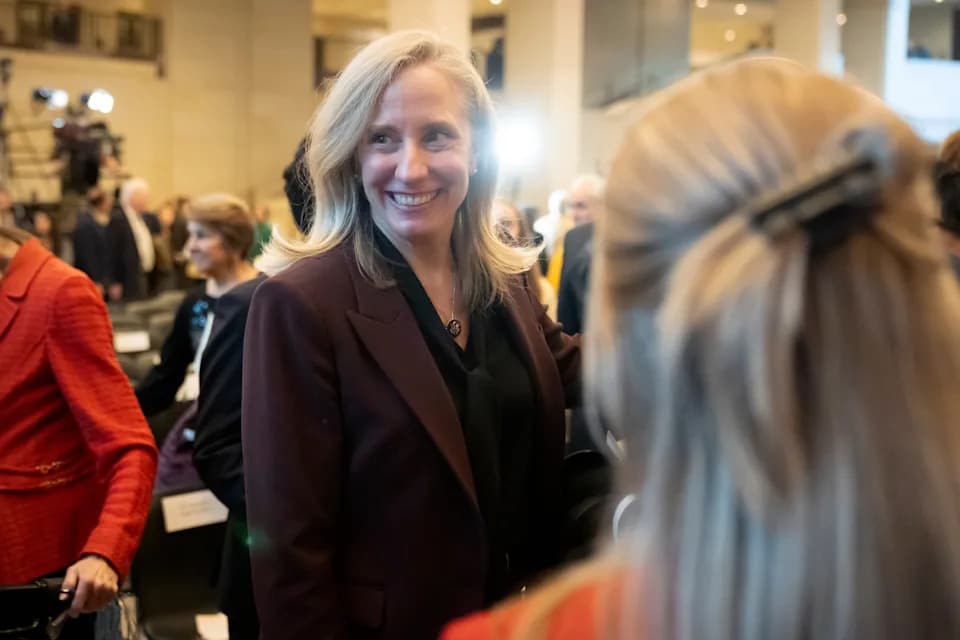
Washington — Senators Ted Budd (R-N.C.) and Jeanne Shaheen (D-N.H.) introduced the Special Operator Protection Act on Thursday, a bipartisan effort that would make it a federal crime to publicly disclose identifying information about special operations personnel and certain supporting federal agents when done with the intent to threaten, intimidate or incite violence.
What the Bill Would Do
The proposed law would bar public disclosure of identifying details tied to an individual’s government service, including names, photographs, images of a private residence connected to employment, birthdates, Social Security numbers, home addresses, phone numbers, personal email addresses and biometric data. Covered individuals would include members of special operations units, other Department of Defense personnel conducting sensitive missions, federal law enforcement who support those missions, and their immediate family members.
Penalties
Violations would be punishable by fines and up to five years in prison. If a disclosure results in death or serious bodily injury, enhanced penalties could apply — including life imprisonment for the person responsible.
What Prompted the Legislation
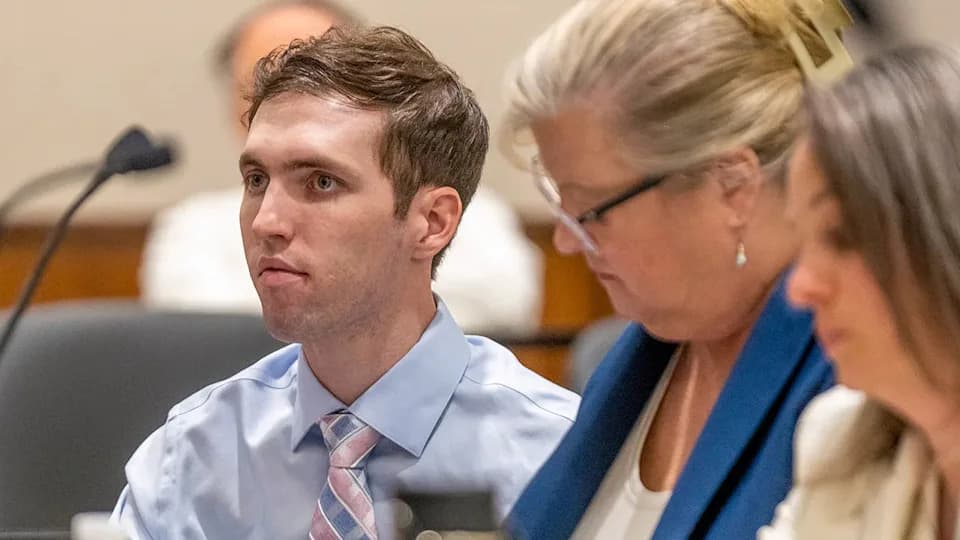
The bill follows wide attention to a social media post by journalist Seth Harp that identified, he said, the commander of the Army’s Delta Force, a unit linked to a recent operation to capture former Venezuelan President Nicolás Maduro. Harp, an Army veteran turned journalist and critic of special operations, said his X account was briefly restricted until certain posts were removed. He maintains that the information he posted was publicly available and not classified.
Supporters' Arguments
Sen. Ted Budd: "There is no compelling reason for their identities to be made public, especially given the significant risks from foreign threats."
Backers argue the bill fills a legal gap and protects service members and their families from harassment, foreign targeting and other foreseeable threats. In the House, Representatives Richard Hudson and Pat Harrigan (both R-N.C.) introduced a companion measure; Harrigan, a former special operations member, said the bill would prevent exposure after dangerous missions.
Press Freedom, Legal Questions and Oversight
Opponents, including press freedom advocates, warn the bill could chill reporting about the military and limit public oversight. A coalition of media organizations wrote to House leaders saying subpoenas and criminal referrals in this matter could threaten First Amendment protections. They emphasized that the public identities of officials with responsibility for controversial operations are of legitimate public concern and that journalists sometimes publish sensitive information in the public interest.
Last week, the House Oversight Committee adopted a motion by voice vote to pursue a subpoena related to the matter; Representative Anna Paulina Luna (R-Fla.) also referred Harp to the Justice Department, citing national-security concerns. The Justice Department confirmed receipt of the referral and said it takes the safety of military personnel seriously; Harp says he has not been contacted by the DOJ.
Implications
If enacted, the law would create new criminal exposure for those who publish certain personal details about covered personnel with specified intent. Legal scholars say the measure may face constitutional scrutiny if applied to journalists and could raise complex questions about intent, public records and the boundary between legitimate oversight and harmful exposure.
As the debate continues, lawmakers, military officials, journalists and civil liberties groups are likely to clash over how to balance national-security protections for sensitive personnel with press freedom and the public's right to know.
Help us improve.