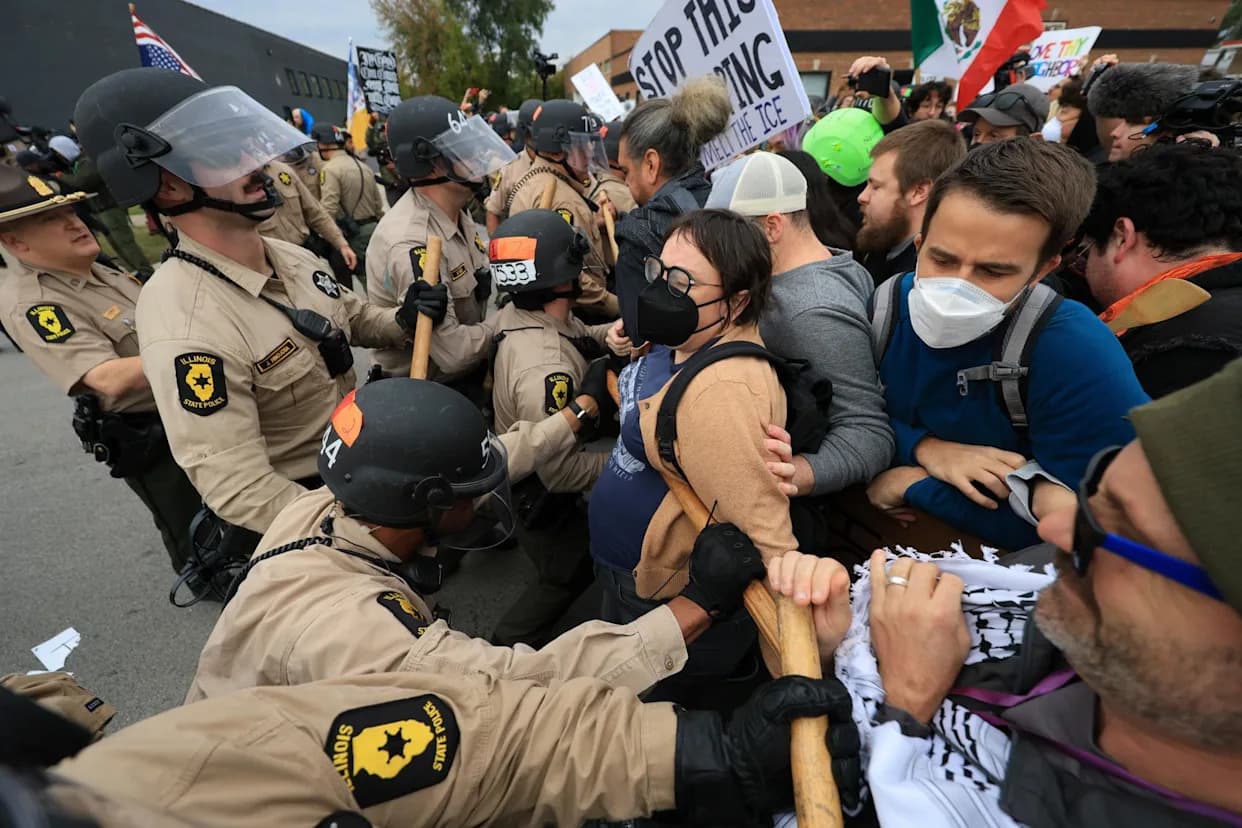
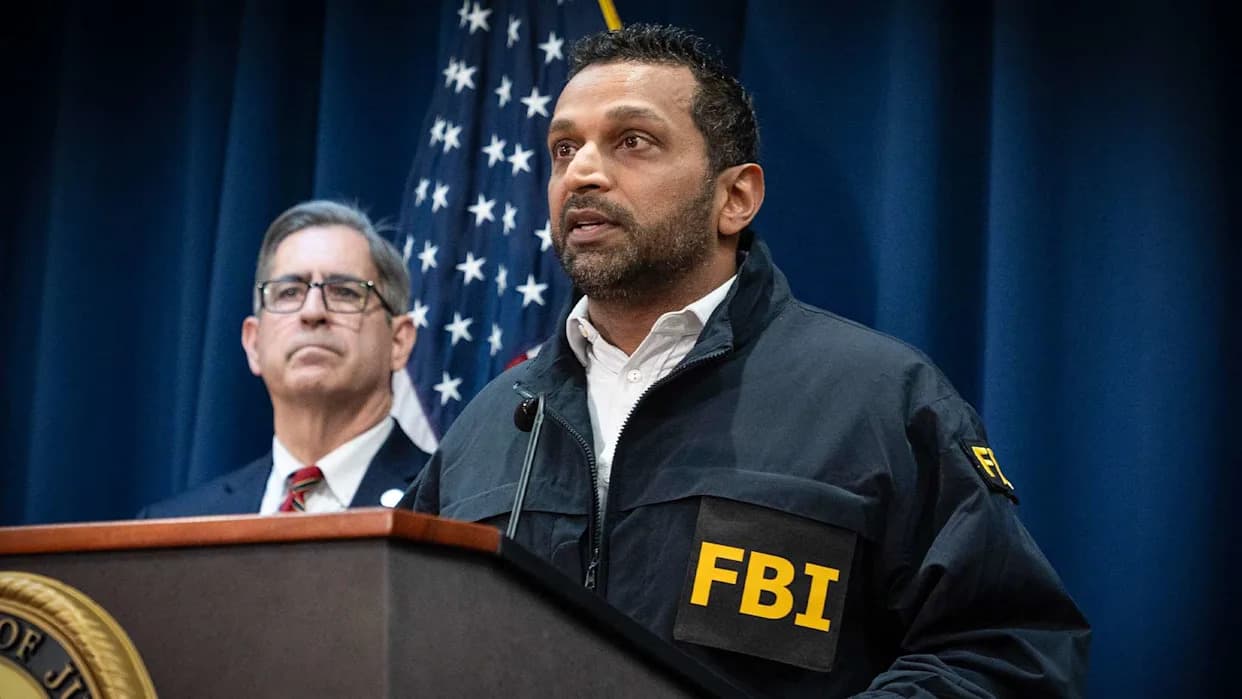
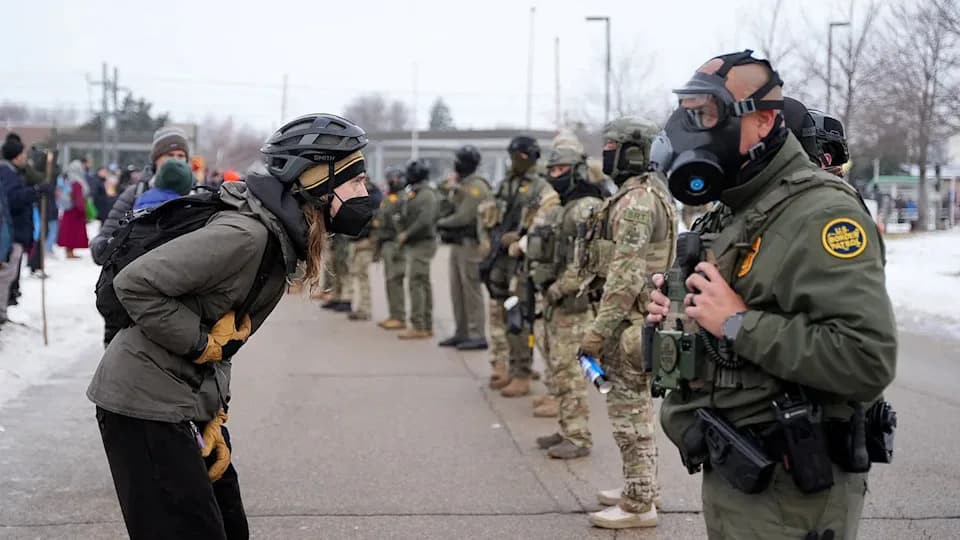
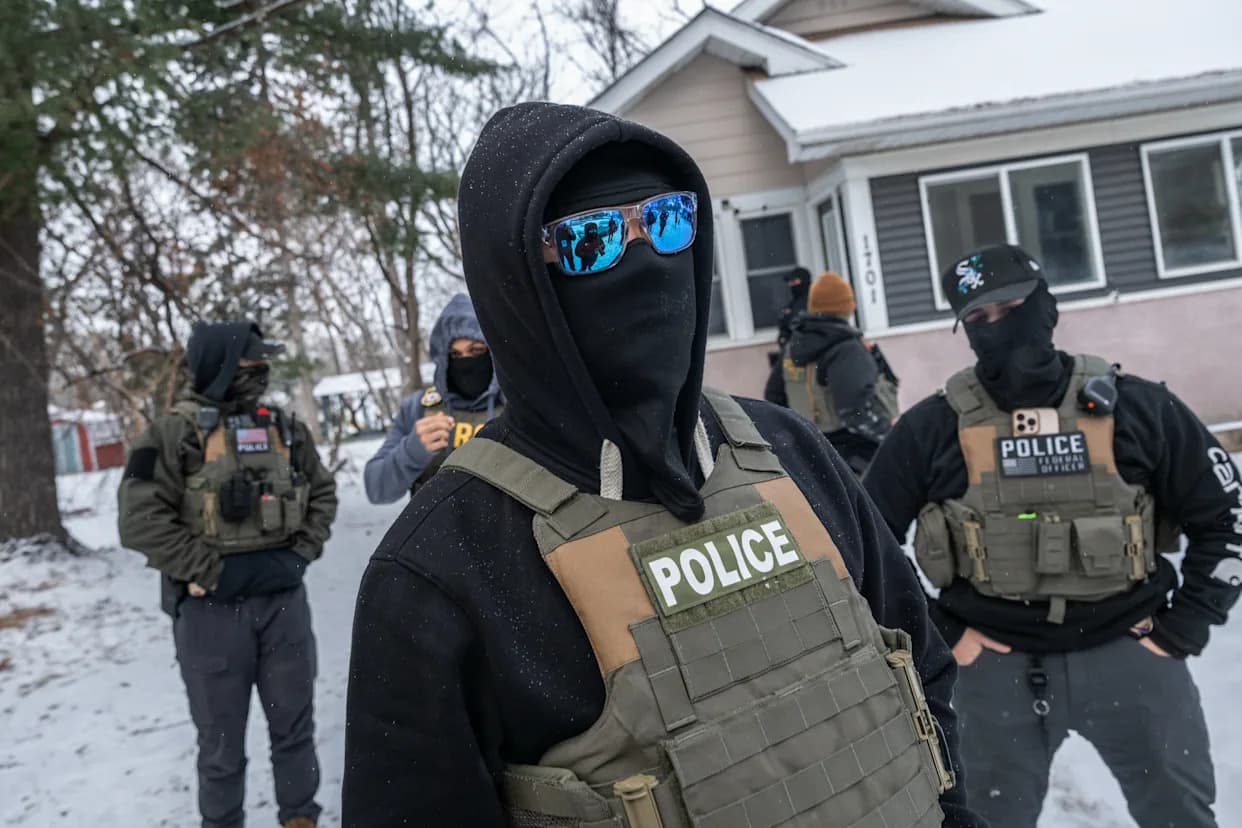
The FBI's 14 November bulletin states it opened criminal and domestic‑terrorism investigations into threats against immigration enforcement in at least 23 field‑office regions, and links some probes to NSPM‑7. The report lists indicators—such as firearm stockpiling, online surveillance of ICE movements and encrypted messaging—that civil‑liberties groups warn could criminalize lawful activity. It references two violent incidents in Texas, maps 27 NSPM‑7 locations and shows cases across 30+ states. Advocates and former officials caution the memo and follow‑up guidance risk overbroad surveillance and prosecutions of dissent.
Internal FBI Bulletin Shows Domestic-Terrorism Probes Into Anti-ICE Activity Across 23+ U.S. Regions

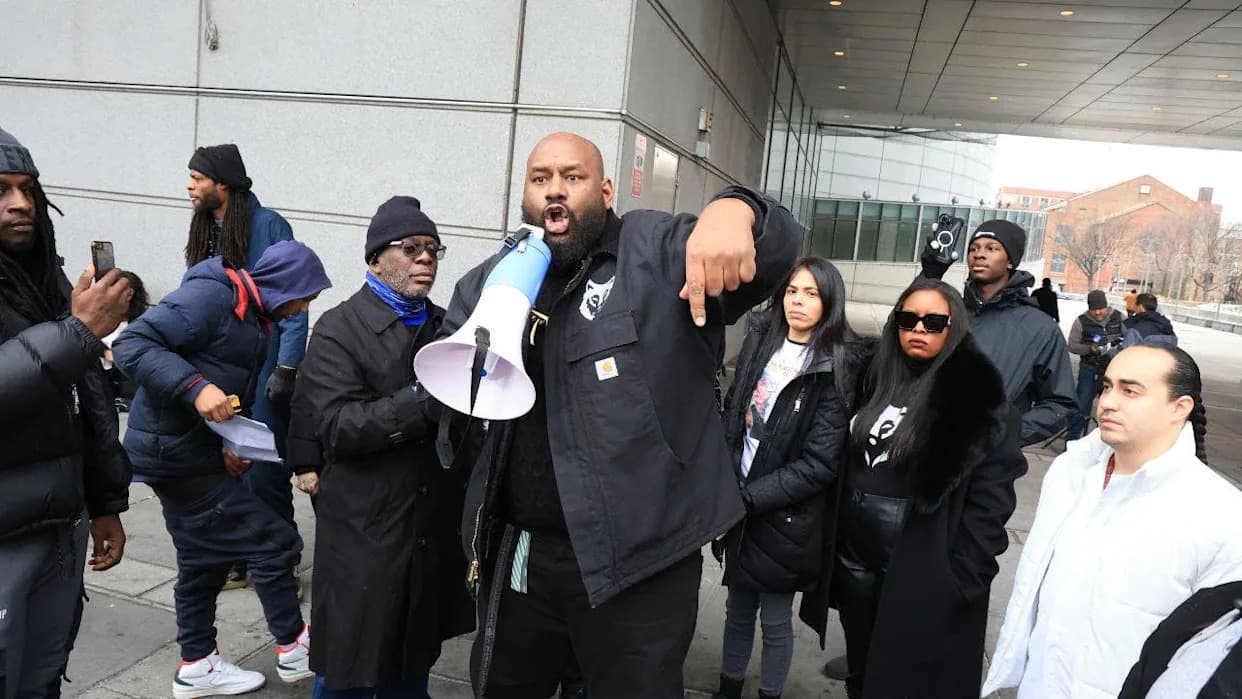
Protesters demonstrate against ICE in New York in November.Photograph: Neil Constantine/NurPhoto/Shutterstock
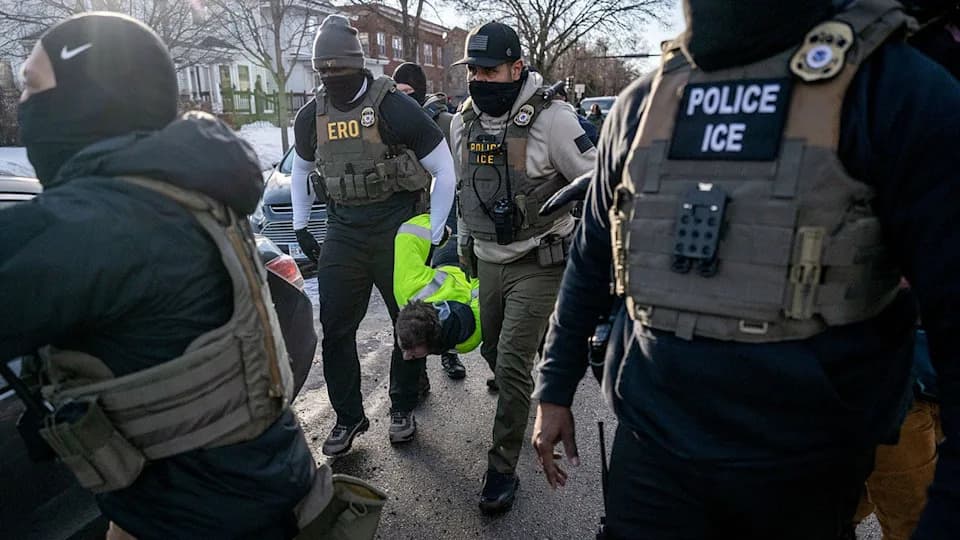
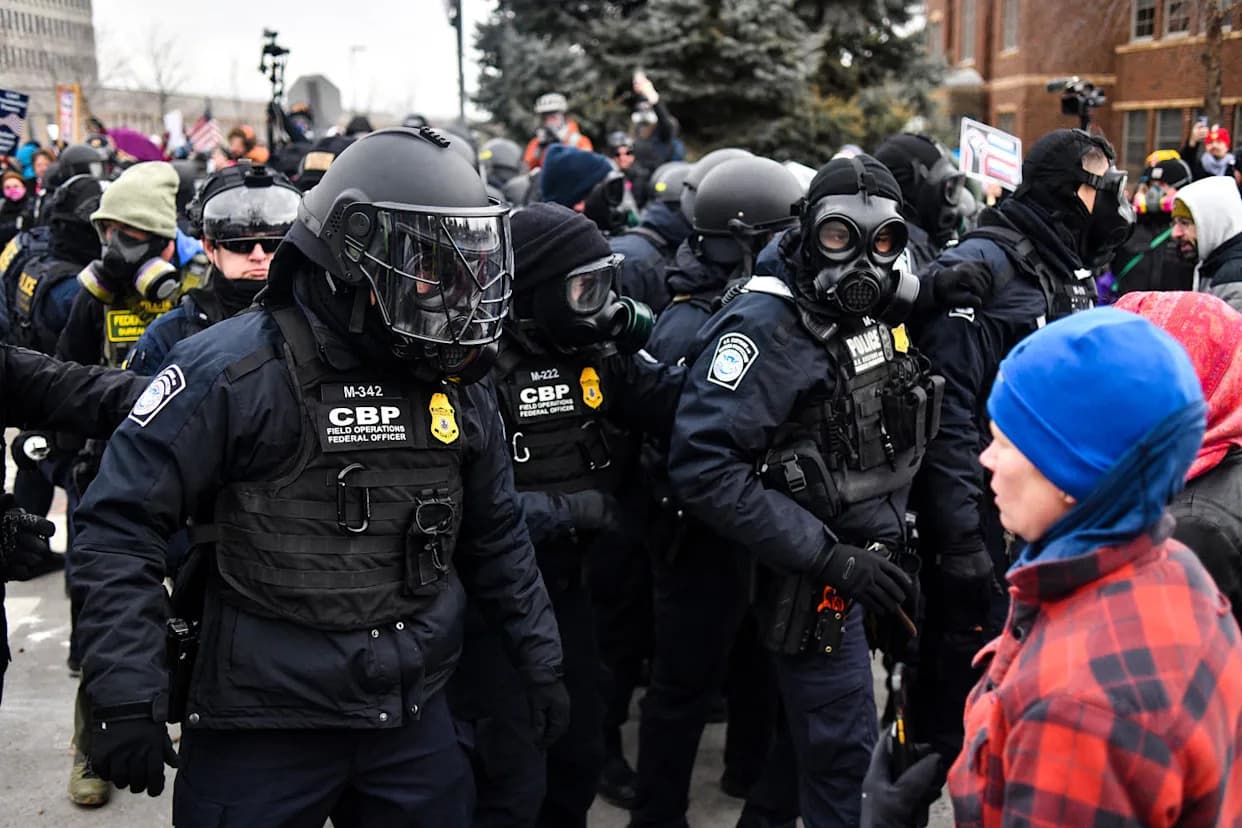
An internal FBI bulletin dated 14 November reveals the bureau has opened criminal and domestic-terrorism investigations into threats targeting immigration enforcement in at least 23 of its field office regions across the United States.
The two‑page document links some investigations to NSPM‑7, the presidential memo issued in September that directs a national strategy for countering violent activities associated with "anti‑fascism." Circulated to other federal and local partners, the FBI's "public safety awareness" bulletin warns of rising threat activity against government personnel and facilities involved in immigration enforcement.
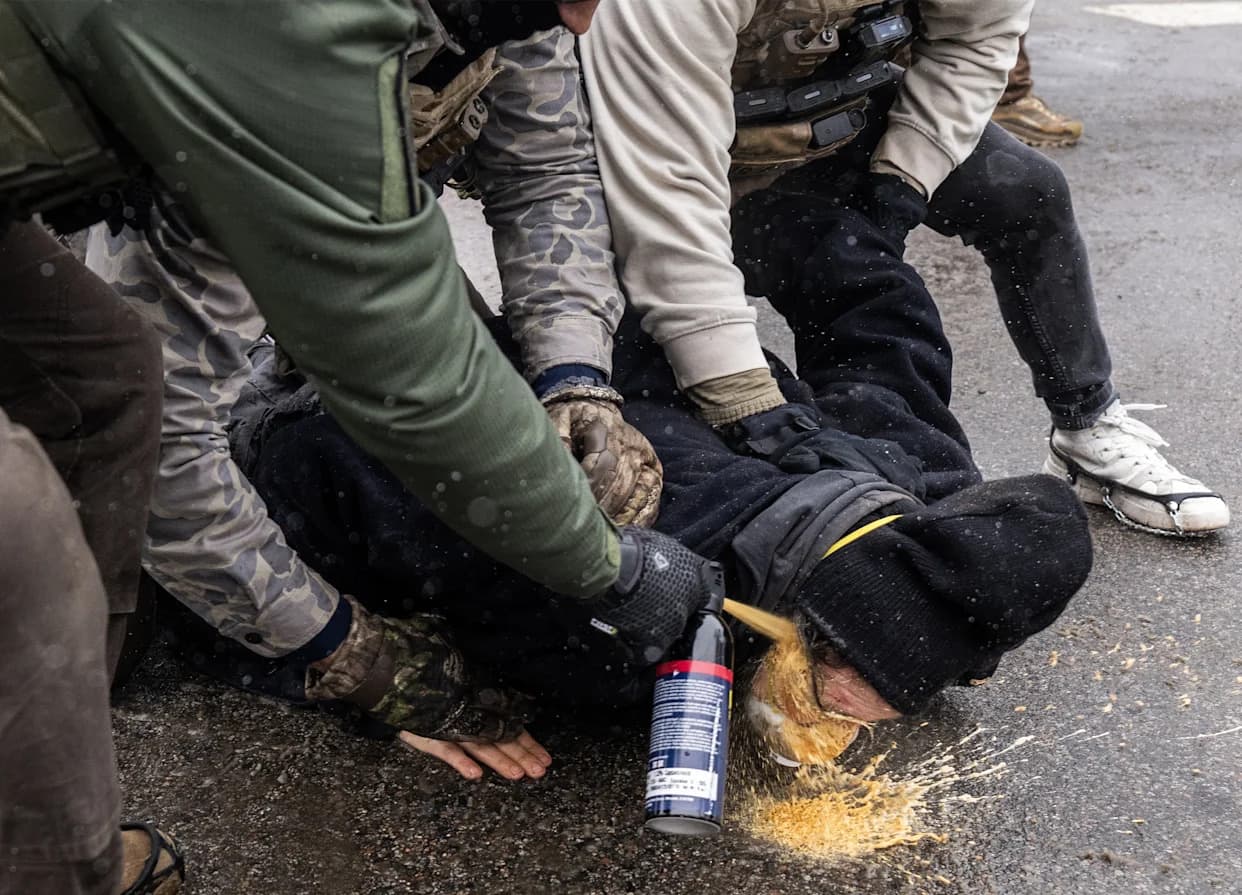
The report highlights two violent incidents in Texas and says subjects classified under NSPM‑7 have engaged in "reactive violent attacks" that exploited First Amendment‑protected activities. It also asserts that most attacks against ICE have been carried out by individuals or small groups, but that recent incidents represent an escalation from prior episodes that mainly resulted in property damage.
Indicators of concern listed in the bulletin include stockpiling or distributing firearms with intent to attack, conducting online research into ICE movements or schedules, and using encrypted messaging apps to discuss operational plans. Civil liberties groups and legal experts have warned that some of these indicators risk conflating lawful, constitutionally protected behavior—such as online research of publicly available information and use of encrypted apps—with criminal intent.
"[The FBI document] is infused with vague and overbroad language... It invites law enforcement suspicion and investigation based on purely First Amendment‑protected beliefs and activities," said Hina Shamsi, director of the ACLU National Security Project.
The bulletin does not provide exhaustive case details but states that the most common investigations involve "assault on a federal officer." Other case types listed include domestic terrorism, conspiracy to impede or injure officers, civil unrest and anti‑riot statutes, destruction of vehicles, and "bombing matters." The FBI declined to comment for the report.
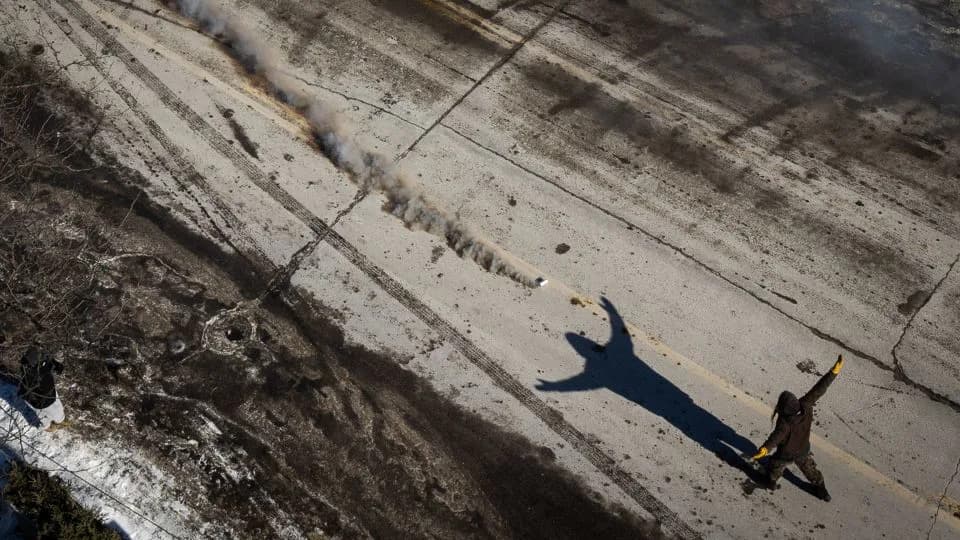
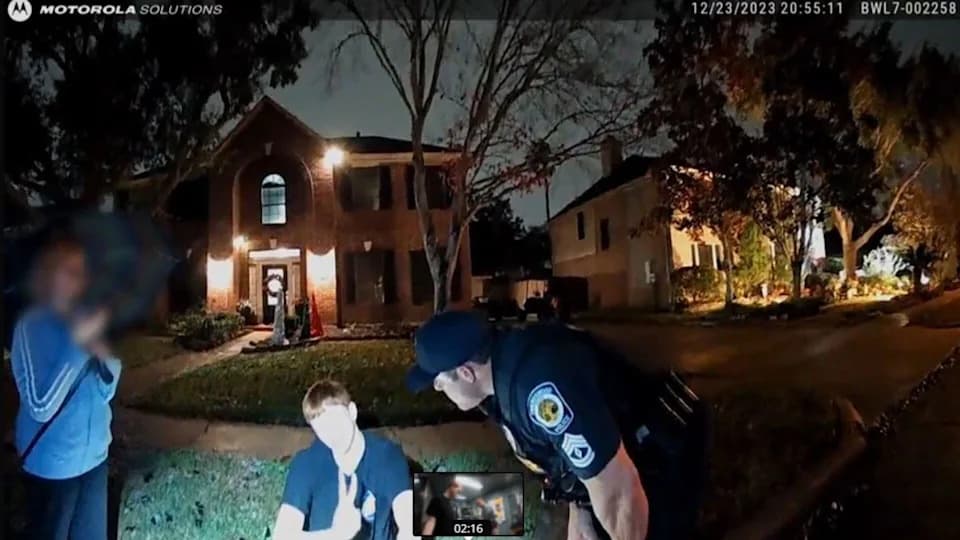
The document referenced two concrete episodes: in July, an incident at an ICE detention center in Alvarado, Texas, where people allegedly threw fireworks and vandalized vehicles before one person allegedly shot a local police officer; some defendants in that matter have pleaded guilty while others remain before the courts. In September, a gunman fired at an ICE field office in Dallas, killing two detainees and then fatally shooting himself; no ICE staff were injured and investigators had not established a clear political motive publicly.
A map accompanying the bulletin identified FBI field offices with ongoing investigations. As of 31 October, the report says the bureau had opened probes into observed threats against ICE activity across 23 field offices in most U.S. regions—including Washington, Oregon, California, New Mexico, Kansas, Georgia, Illinois, Florida, New York and Maine. Separately, the map lists 27 locations with ongoing domestic‑terrorism investigations categorized under NSPM‑7, though it does not specify whether all relate directly to anti‑ICE activity. Overall, more than 30 states showed cases tied to anti‑ICE actions or NSPM‑7.
The bulletin builds on earlier intelligence material and was republished by another law enforcement entity before being disclosed through public‑records requests by Property of the People, a transparency nonprofit. Ryan Shapiro of Property of the People and other advocates say the FBI report, together with a 4 December memo from the U.S. attorney general's office on NSPM‑7 implementation, suggests a broad prosecutorial push that could sweep in protesters, funders or nonprofit staff under expansive interpretations of domestic terrorism.
Critics point to additional context they say undermines claims of a dramatic rise in assaults on immigration officers. The Department of Homeland Security's repeated assertion of a "1,000% increase" in assaults on ICE officers—cited in NSPM‑7—has not been supported with public evidence, and investigative reporting has found many alleged incidents resulted in no agent injuries and, in some cases, shortcomings in law‑enforcement accounts.
Former FBI agent and civil‑liberties advocate Mike German called NSPM‑7 "a chilling document that likens political opposition to government policy to terrorism," adding that the FBI's wide latitude to open terrorism investigations with minimal oversight increases the risk of overreach. Local law enforcement officials have also warned that broad, vague alerts can heighten fear without providing clear operational guidance about how to distinguish lawful protesters from individuals who pose a genuine violent threat.
The debate over NSPM‑7 and the FBI bulletin underscores a tension between protecting public safety and safeguarding civil liberties: law‑enforcement officials say they must investigate credible threats to officers and facilities, while advocates warn that vague criteria and expansive prosecutorial guidance risk criminalizing dissent and peaceful protest.
Help us improve.