The Israeli military is investigating after a mortar fired during an operation near the ceasefire "Yellow Line" landed in a Gaza residential area, wounding at least 10 people, some critically. Palestinian health officials say more than 370 people have died from Israeli fire since the Oct. 10 truce. The ceasefire's second phase—planned to include an international stabilization force, a technocratic Gaza administration, Hamas disarmament and further Israeli withdrawals—remains stalled amid mutual accusations. Humanitarian groups warn severe shortages and widespread displacement across Gaza have compounded the crisis.
Mortar Crosses Ceasefire 'Yellow Line' Into Gaza Neighborhood, At Least 10 Wounded

Palestinian women struggle to receive donated food at a community kitchen in Nuseirat, central Gaza Strip, Wednesday, Dec. 17, 2025. (AP Photo/Abdel Kareem Hana)(ASSOCIATED PRESS)
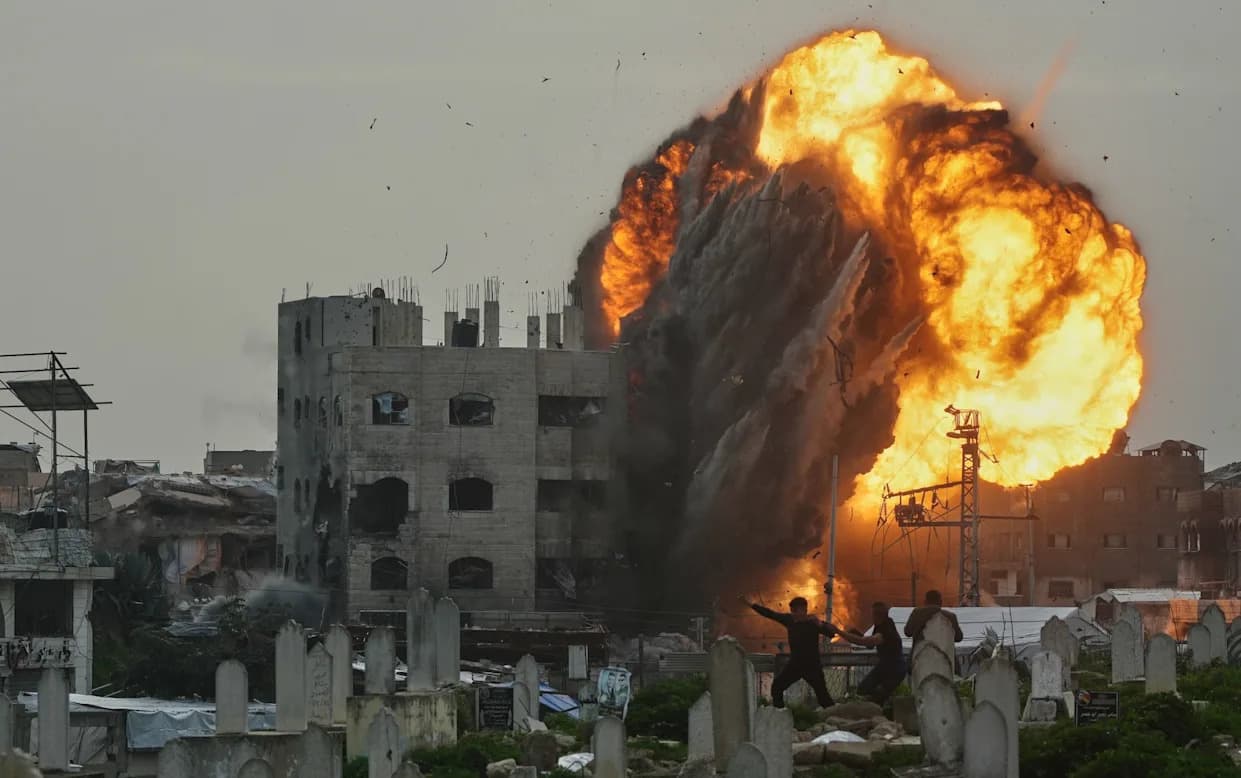
Israeli forces fired a mortar round over the ceasefire demarcation known as the "Yellow Line" into a populated neighborhood in the Gaza Strip, wounding at least 10 people, health officials said. The Israeli military said it is investigating the incident and that the round veered from its intended target.
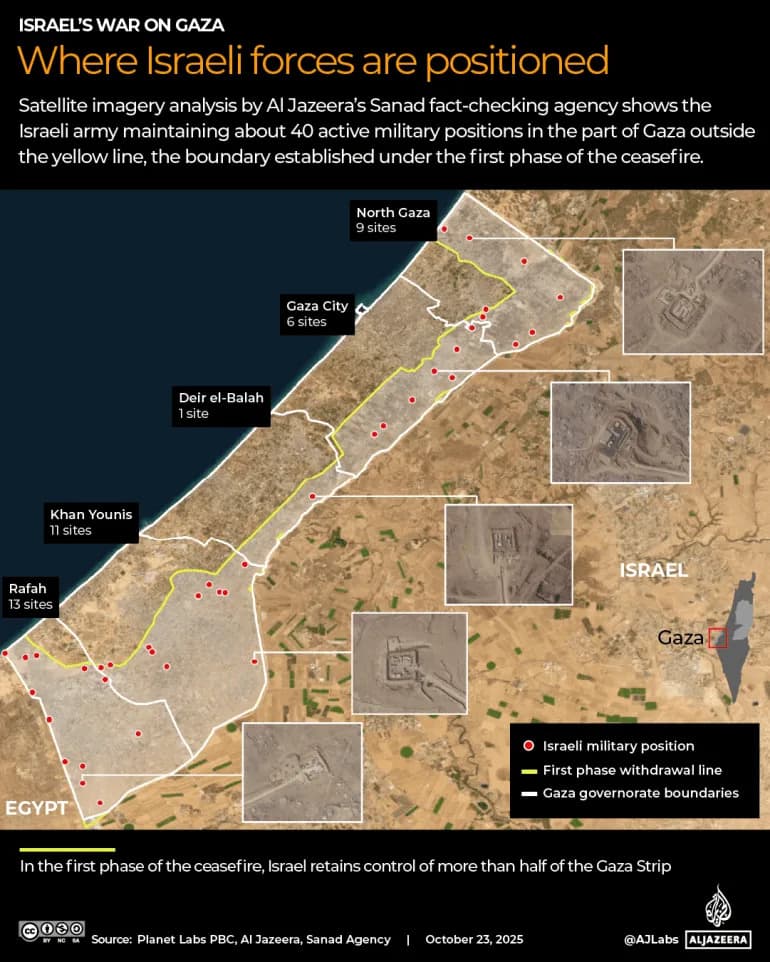
The army said the mortar was launched during an operation near the area designated as the Yellow Line in the ceasefire agreement, which separates Israeli-held parts of Gaza from the remainder of the territory. The military did not disclose the troops' exact activity at the time or whether any forces had crossed the line.
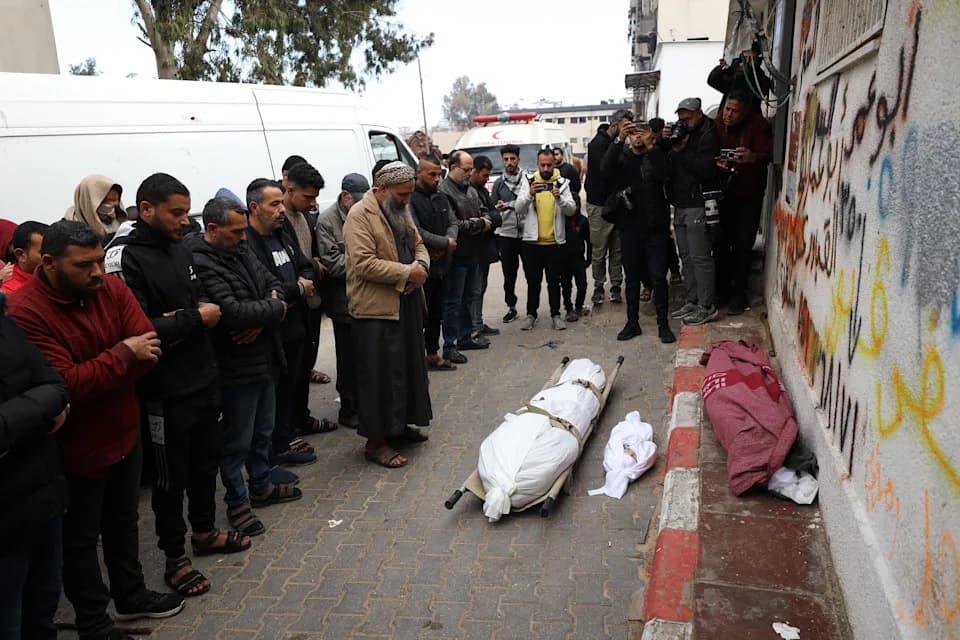
Casualties and hospital reports: Fadel Naeem, director of Al-Ahli Hospital, said the hospital received 10 wounded people from central Gaza City, some in critical condition. Palestinian health officials have reported more than 370 deaths from Israeli fire since the Oct. 10 ceasefire began.
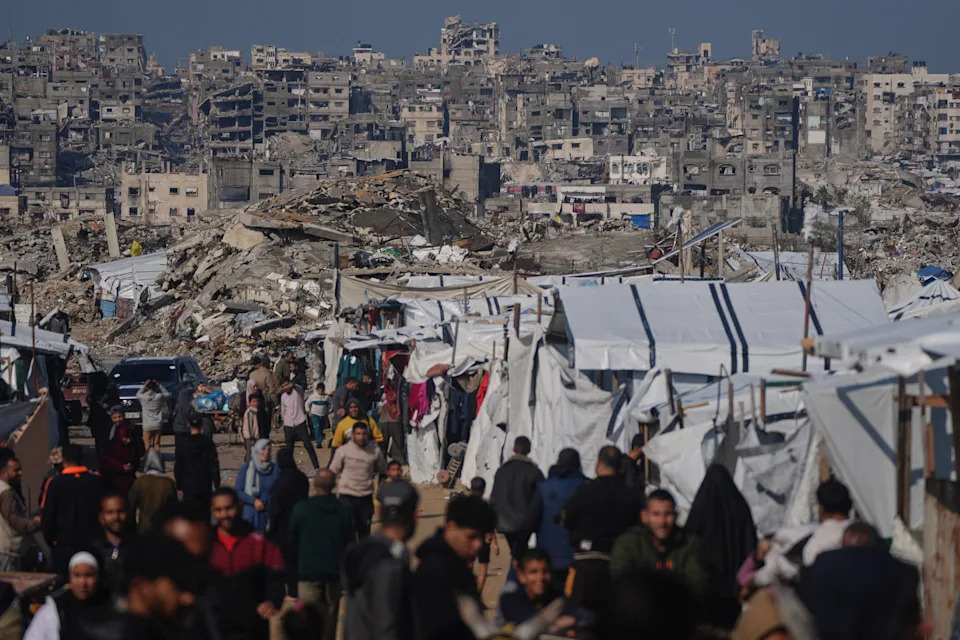
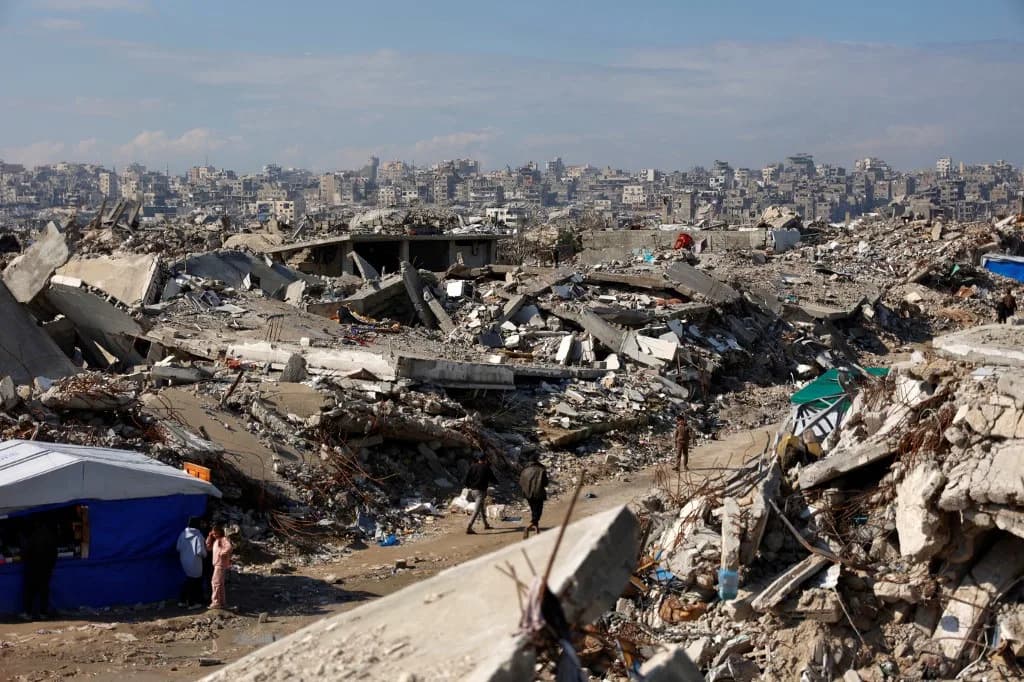
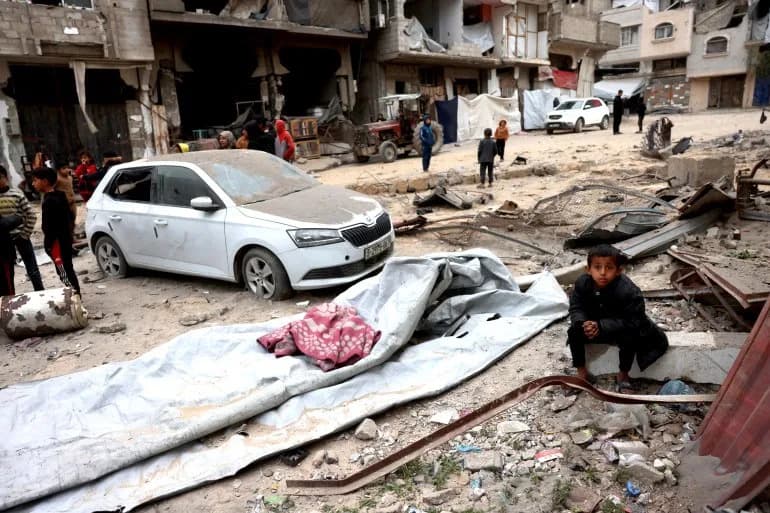
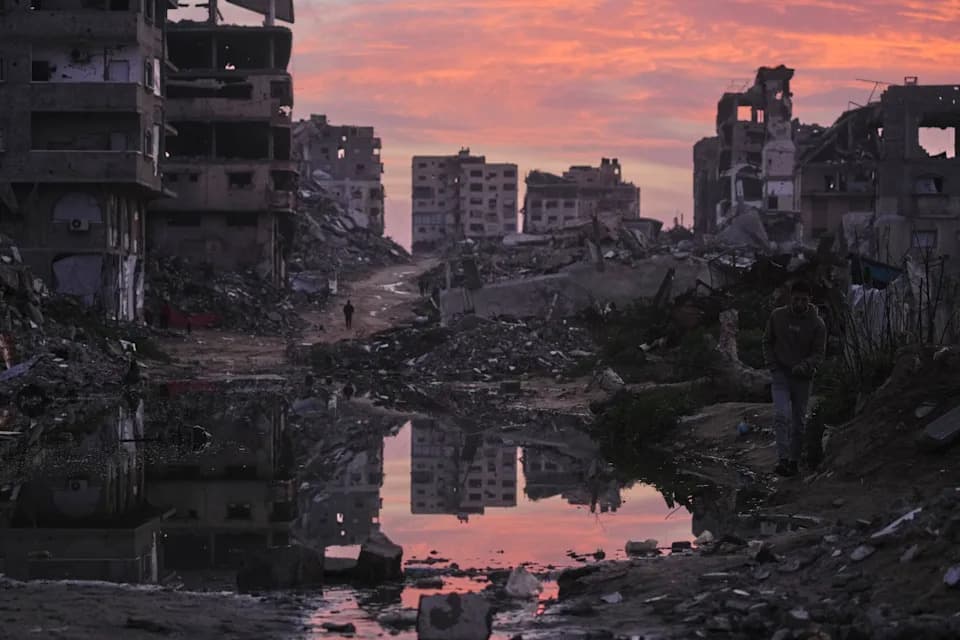
Palestinians walk along a street past a tent camp, backdropped by buildings destroyed during Israeli air and ground operations in Gaza City, Wednesday, Dec. 17, 2025. (AP Photo/Jehad Alshrafi)(ASSOCIATED PRESS)
Military position and concerns: Israel says it has returned fire in response to alleged Hamas violations and maintains that many of those killed in recent incidents were militants. An Israeli military official, speaking on condition of anonymity under protocol, acknowledged the army is aware of cases in which civilians were killed, including children and a family traveling in a van.
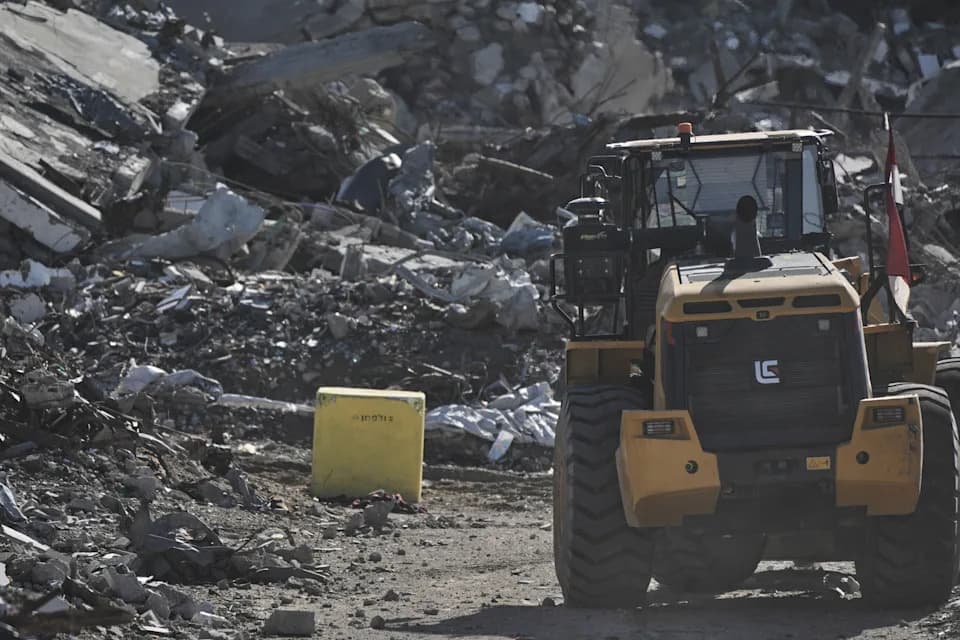
Boundary marking issues: Palestinians say some civilian casualties have occurred because the ceasefire boundary is poorly delineated. Israeli troops have been laying yellow concrete blocks to mark the line, but those markers are not yet in place in all areas.
Ceasefire Stalled Over Next-Phase Conditions
The ceasefire’s planned second phase remains stalled as both sides accuse each other of violations. The first phase exchanged hostages for Palestinian prisoners. The next phase is meant to include deployment of an international stabilization force, establishment of a technocratic governing body for Gaza, disarmament of Hamas and further Israeli troop withdrawals.
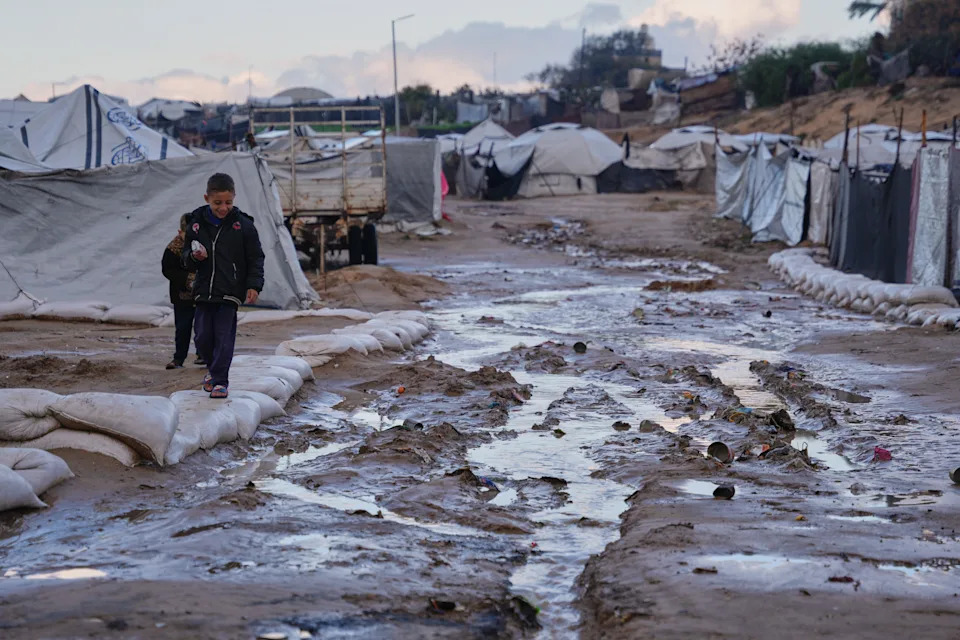
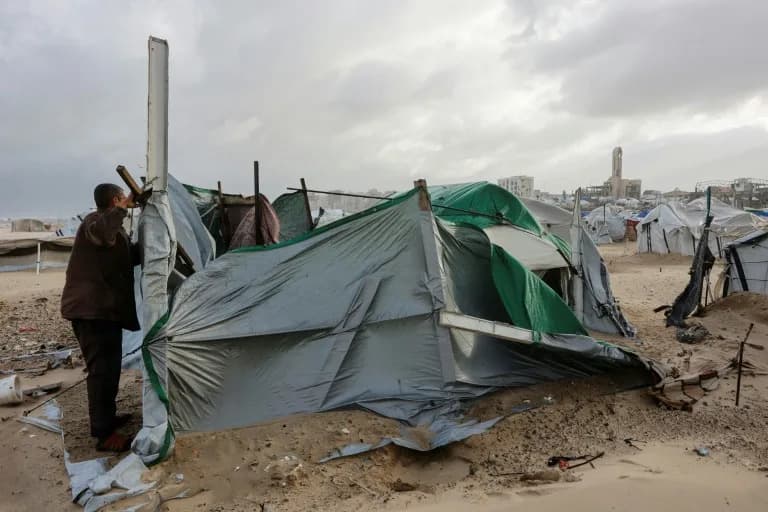
Palestinian children walk past mud puddle after heavy rains in a makeshift camp for displaced people in Zawaida, central Gaza Strip, Wednesday, Dec. 17, 2025. (AP Photo/Abdel Kareem Hana)(ASSOCIATED PRESS)
One remaining set of hostage remains, those of Ran Gvili, are still in Gaza; Israel insists on their return before proceeding to the second phase. Hamas is demanding greater international pressure on Israel to open key border crossings, halt strikes and allow substantially more aid into the Strip. Recently released Israeli military figures suggest the agreed delivery of 600 aid trucks per day has not been met, a finding Israel disputes.
Humanitarian Toll
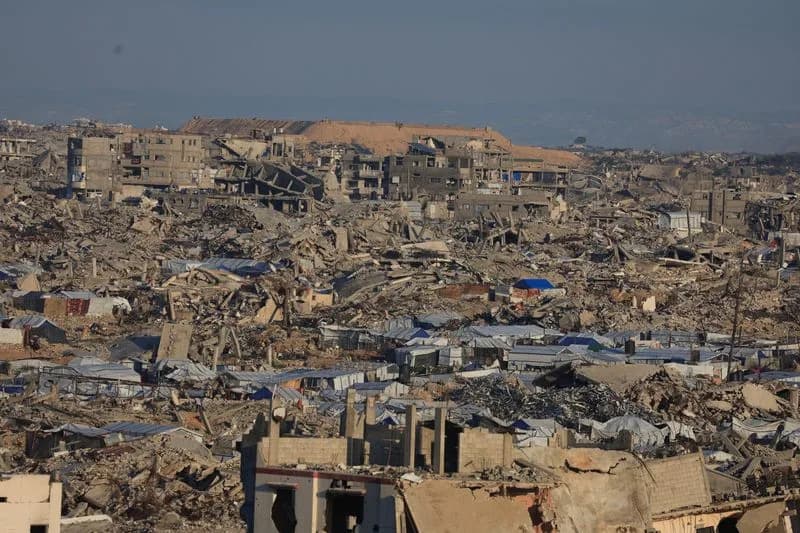
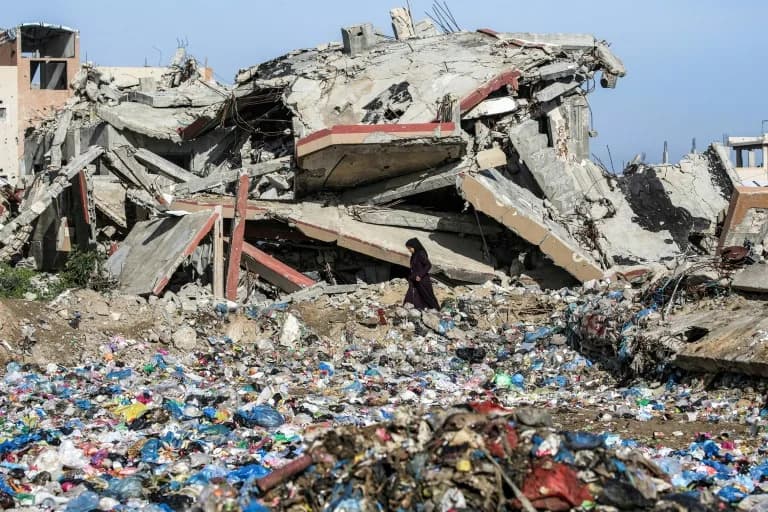
Humanitarian groups warn severe shortages have had harsh effects on Gaza’s roughly 2 million residents. Food remains scarce after widespread famine in parts of the territory during the war. The vast majority of the population has been displaced and now live in large tent camps or among the ruins of damaged buildings.
The Gaza Health Ministry, which reports casualty figures for the territory, says more than 70,660 Palestinians have been killed during Israel’s two-year campaign in Gaza; about half are reported as women and children. The ministry does not differentiate militants from civilians in its toll. The Oct. 7, 2023, Hamas-led attack on southern Israel killed about 1,200 people and resulted in 251 hostages being taken; nearly all hostages or their remains have since been returned under various deals and ceasefires.
Note: Casualty counts and other figures are contested and reported by different parties with differing methodologies. This article uses numbers reported by local health authorities and official statements where available.
Authorities on both sides say they continue to monitor developments as the investigation into the mortar strike proceeds.
Help us improve.