President Trump signed an executive order labeling fentanyl a "weapon of mass destruction," calling drug flows a direct military threat and directing Defense, Homeland Security and Justice to guard against weaponization. Experts say the comparison is misleading: fentanyl is a potent medicine misused as a street drug, and lethality alone does not equate to WMD status. Critics warn the rhetoric echoes Bush-era "war on terror" language and could be used to justify military pressure in the Americas, while the opioid epidemic primarily requires public-health and targeted law-enforcement responses.
Trump Calls Fentanyl a 'Weapon of Mass Destruction' — A Risky Reframing of a Public‑Health Crisis

Trump calling fentanyl a ‘weapon of mass destruction’ is a false pretext for war
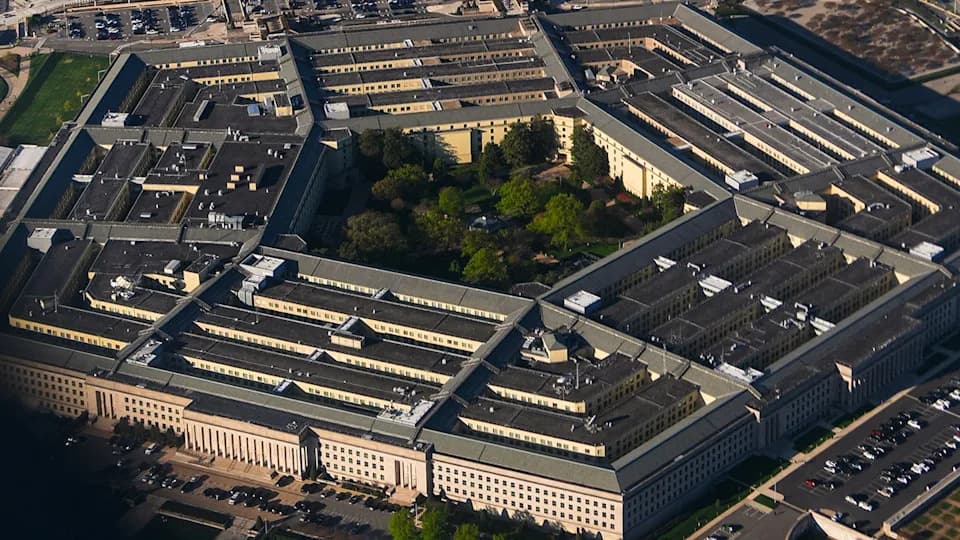
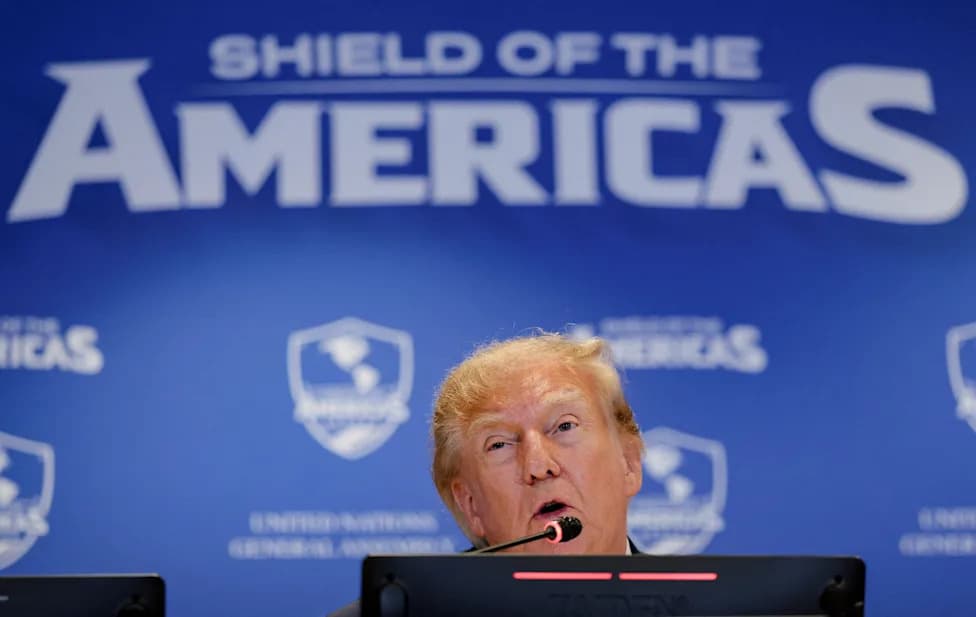
President Donald Trump signed an executive order this week labeling the opioid fentanyl a "weapon of mass destruction" and calling drug flows into the United States "a direct military threat to the United States of America." The order directs the Departments of Defense, Homeland Security and Justice to coordinate defenses against the "potential for fentanyl to be weaponized for concentrated, large-scale terror attacks by organized adversaries."
What the Order Says
The White House describes illicit fentanyl as "closer to a chemical weapon than a narcotic," arguing the drug threatens national security and fuels lawlessness across the hemisphere. The language echoes the post-9/11 "war on terror" lexicon, repurposed here to justify broader national-security responses to drug trafficking.
Why That Comparison Is Misleading
Fentanyl is a powerful synthetic opioid used legitimately in medicine and is far more potent than heroin or morphine. Its potency makes it extremely dangerous outside supervised clinical settings, but lethality alone does not transform a pharmaceutical into a weapon of mass destruction (WMD). Fentanyl is prescribed for acute and chronic pain and in anesthesia — factors that complicate any straightforward classification as a chemical weapon.
The executive order also treats drug cartels as if they were ideologically driven terrorist organizations. That parallel is imperfect. Terror groups pursue political or ideological goals; cartels are primarily profit-seeking criminal enterprises that traffic in illicit drugs because of market demand. While cartels use violence and show callous disregard for human life, their principal aim is commercial, not political domination.
United Nations Definition: In the 1970s the U.N. General Assembly defined WMDs to include "atomic explosive weapons, radioactive material weapons, lethal chemical and biological weapons," and any future weapons comparable in destructive effect to an atomic bomb. Fentanyl’s tragic role in the overdose epidemic does not map neatly onto that definition.
Political and Strategic Risks
Branding fentanyl as a WMD is rhetorically powerful and could be used to justify expanded military operations in the Americas. The administration’s framing raises the possibility of increased pressure or even direct action against countries accused of harboring or enabling cartels, such as Venezuela, Mexico or Colombia. Yet Venezuela plays virtually no known role in the global fentanyl supply chain, and historical evidence suggests militarized responses rarely eliminate complex drug markets.
There is also a striking irony: President Trump has criticized "forever wars," yet the use of Bush-era WMD and counterterrorism language risks reviving the same fear-driven logic used to justify large-scale interventions in the past. The memory of how WMD claims were employed to rationalize the Iraq war remains politically potent and could backfire, drawing scrutiny onto the administration rather than onto traffickers.
What Should Be Done
The opioid overdose epidemic is a severe public-health emergency that demands targeted, evidence-based solutions: expanded treatment access, harm-reduction strategies, improved border and customs enforcement focused on supply chains, international cooperation on precursor chemicals, and targeted law-enforcement action against traffickers. Recasting a public-health crisis as a military threat risks misallocating resources and producing unintended geopolitical consequences.
Bottom line: Declaring fentanyl a "weapon of mass destruction" is a symbolic escalation that blurs critical lines between public health, criminal justice and national security. It may expand legal and political justifications for force without offering effective remedies for the overdose crisis.
Help us improve.